
Sustainable Mobility in Cambodia with new energy vehicle

Leading the transition from internal combustion to high-efficiency electric transport across the Kingdom of Cambodia.

Sustainable Mobility in Cambodia with new energy vehicle

Empowering Cambodian commuters and businesses with cutting-edge electric propulsion and sustainable automotive manufacturing solutions.

The Automotive Landscape in Cambodia

Analyzing the shift toward electrification in Southeast Asia's emerging market.

Cambodia's automotive sector is currently characterized by a high dependency on imported internal combustion engine (ICE) vehicles. However, the urban centers like Phnom Penh are facing increasing congestion and pollution, creating a surge in demand for new energy ev solutions that can handle the city's unique traffic patterns.

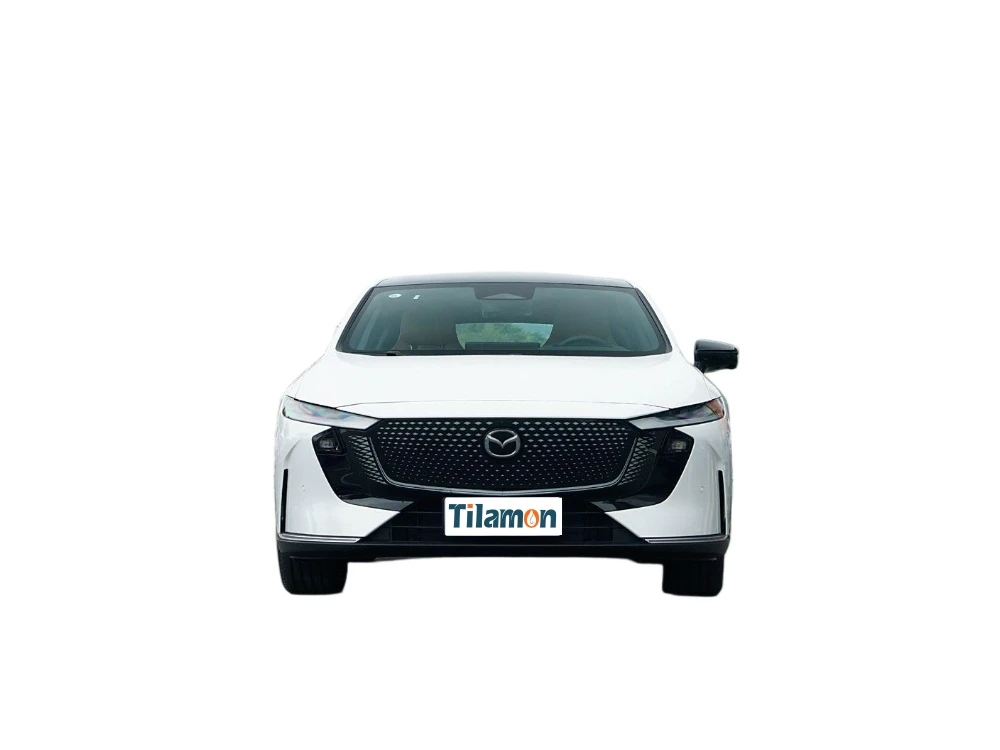
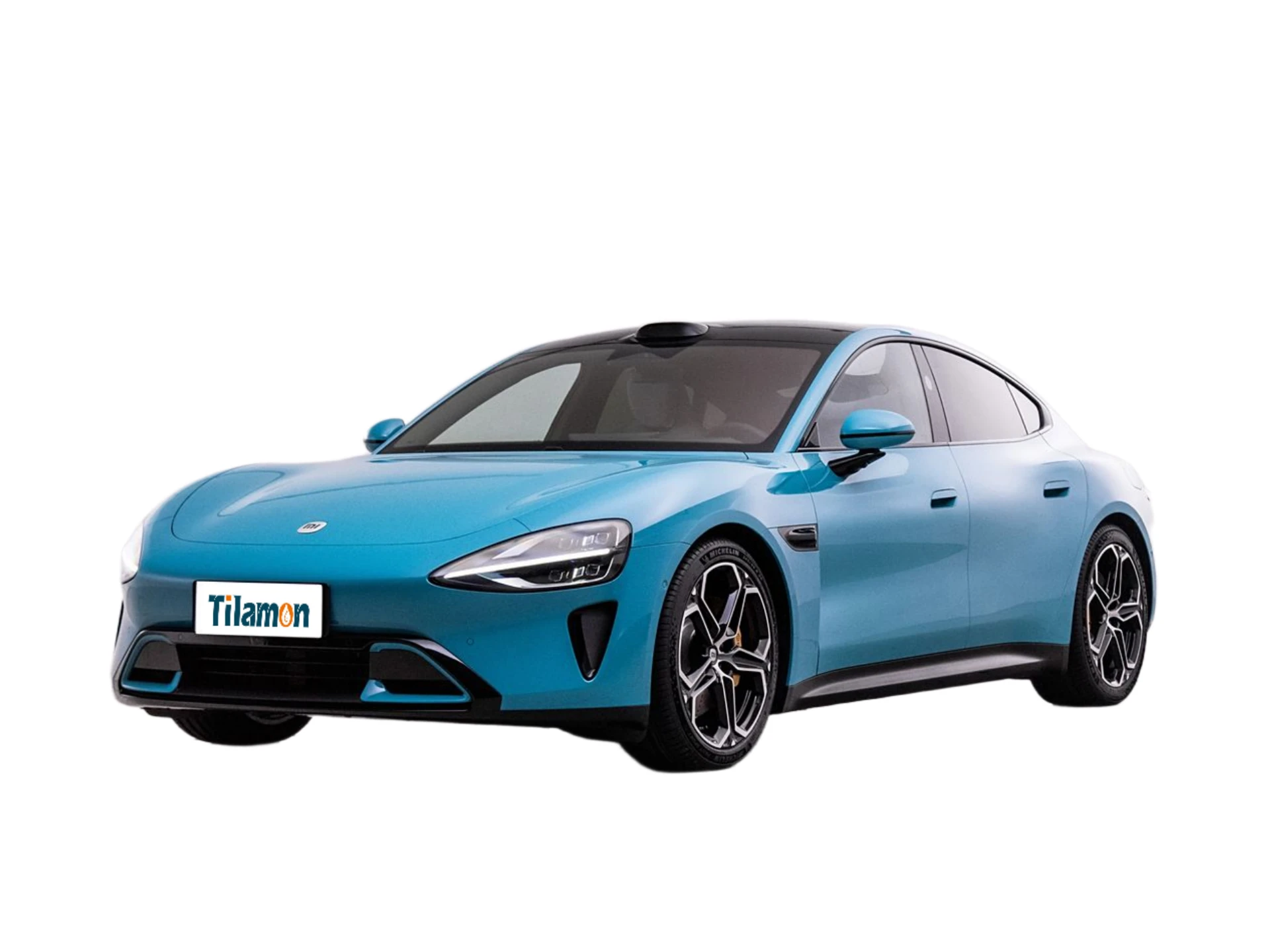
The tropical climate and seasonal flooding in Cambodia present specific engineering challenges. Local consumers are increasingly seeking a new chinese ev due to their competitive pricing, high battery resilience, and integration of smart technology that suits the digital-first Cambodian youth.

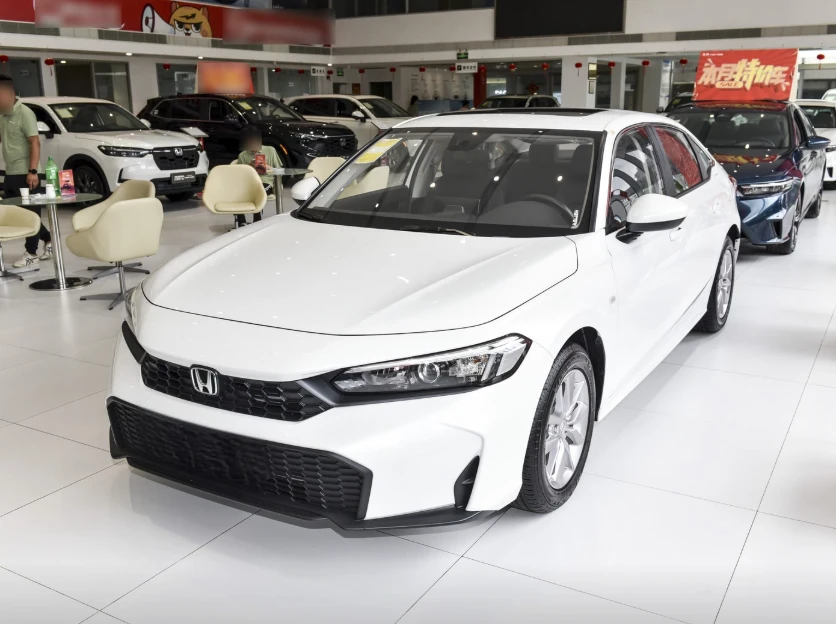
While the new car market grows, there is a significant secondary market. The trade of secondhand vehicle units remains strong, but there is a visible transition as buyers begin to look for certified pre-owned electric models to reduce long-term operational costs.
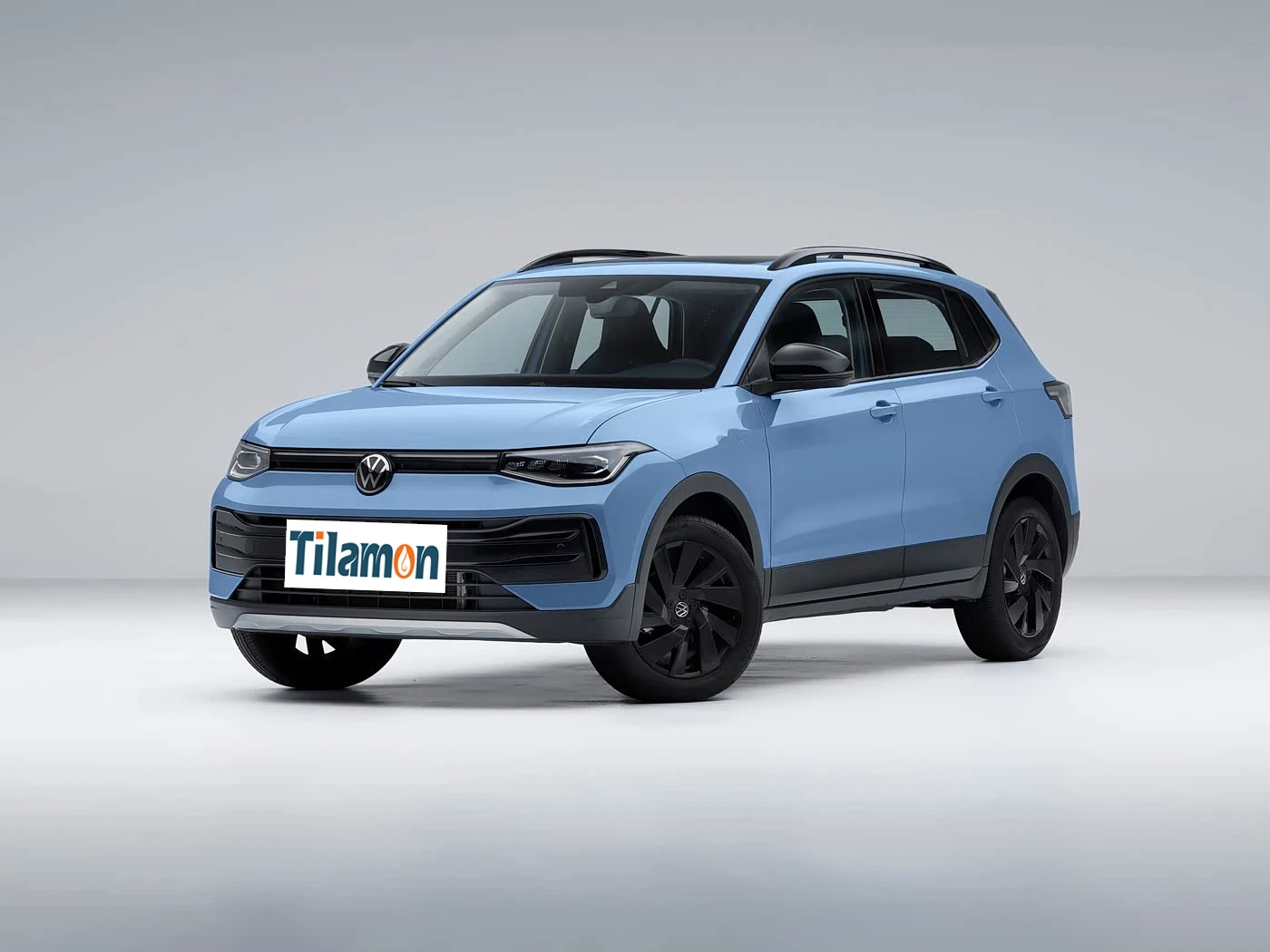
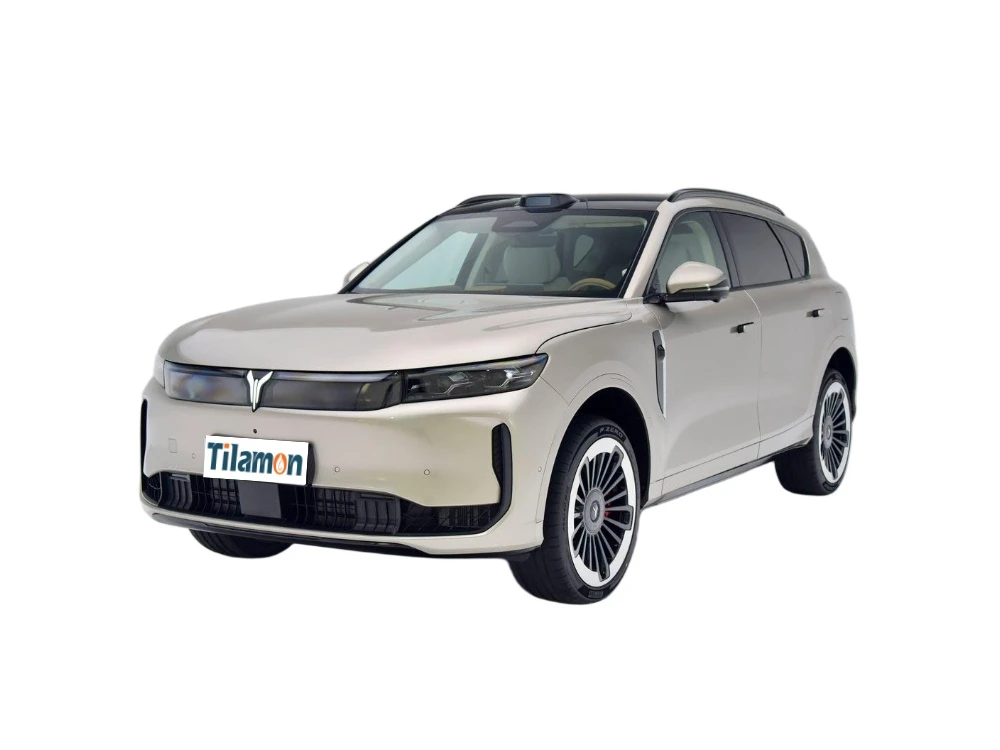
Evolution of Vehicle Manufacturing and Distribution

From traditional imports to the era of sustainable intelligence.

Market Development History

Between 2010 and 2018, the Cambodian market was dominated by traditional gasoline and diesel imports, where 2 nd hand cars from Japan and Korea formed the backbone of the national fleet, establishing a culture of vehicle longevity and repairability.

From 2019 to 2022, the entry of specialized manufacturers introduced the first wave of new energy ev models. This period saw the initial installation of charging piles in major malls and hotels, shifting consumer perception toward electric mobility.

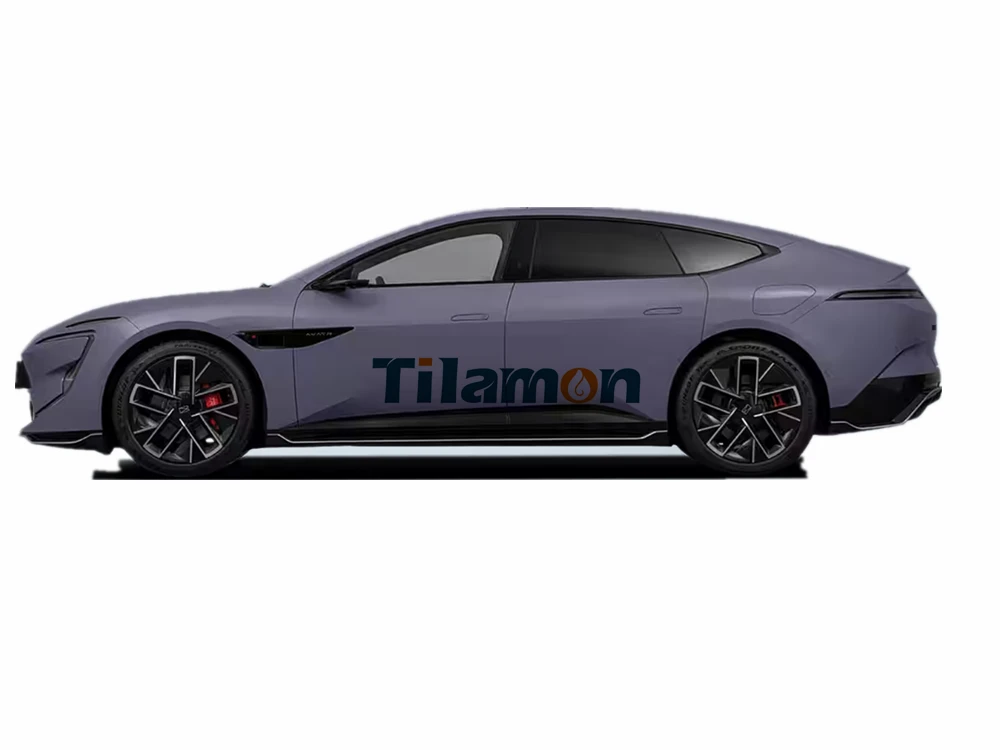
Since 2023, the market has entered the "Intelligence Phase," where integrated software, OTA updates, and high-density LFP batteries have become standard, making Chinese EVs the primary choice for new buyers seeking luxury and efficiency.

Future Development Trends

Infrastructure Expansion

The next 3 years will see a decentralized charging network expanding beyond Phnom Penh to Siem Reap and Sihanoukville to support long-distance travel.

Battery Circular Economy

Expect a rise in specialized battery recycling centers to handle the lifecycle of early-generation electric cells, ensuring environmental sustainability.

Micro-Mobility Integration

The integration of small-scale electric transport and urban delivery pods will redefine the logistics sector in Cambodia's dense urban cores.

Industry Outlook and Future Projections

Forecasting the trajectory of the automotive industry in Cambodia through 2028.

Rapid Charging Network
Implementation of Ultra-Fast DC charging stations to eliminate range anxiety for inter-city travel.
Smart Fleet Integration
AI-driven fleet management for logistics companies switching to electric trucks and vans.
LFP Battery Standard
Shift towards Lithium Iron Phosphate batteries for superior heat tolerance in Cambodia's climate.
Eco-Policy Incentives
Government-led tax reductions for importers of energy-efficient automotive technology.

Industry Outlook

Based on Google search trends in the region, queries for "electric car charging" and "EV maintenance Cambodia" are growing at a compound annual rate of 25%, indicating a shift from curiosity to active adoption.

The convergence of affordable manufacturing from China and a growing middle class in Cambodia will likely lead to a tipping point where electric vehicles become the default choice for urban transport by 2027.

Localized Application Scenarios in Cambodia

How electric mobility is solving real-world challenges across the Kingdom.

01. Phnom Penh Urban Commuting

Utilizing compact EVs to navigate the dense traffic of the capital, significantly reducing fuel costs and idling emissions during peak hours.

02. Tourist Transport in Siem Reap

Deploying silent, zero-emission electric shuttles around the Angkor Wat temple complex to preserve the heritage environment from noise and smog.

03. Last-Mile Delivery Logistics

Using small-scale electric vans for e-commerce deliveries in residential areas, optimizing efficiency in narrow streets where large trucks cannot enter.

04. Government Fleet Modernization

Transitioning official state vehicles to electric models to demonstrate national commitment to the Paris Agreement and carbon neutrality.

05. Luxury Corporate Travel

High-end electric sedans providing sustainable executive transport for the growing number of international investment firms in Cambodia.

Brand Story

Global Development Journey of Shijiazhuang Zhenming Chemical Co., Ltd.

Industrial Foundations

Establishing core manufacturing capabilities focused on high-purity materials essential for automotive components.

Technological Pivot

Investing in R&D to transition from traditional chemical solutions to energy-efficient materials for the EV sector.

Global Expansion

Expanding distribution networks across Asia to provide critical raw materials for vehicle assembly plants.

Cambodian Partnership

Developing strategic ties with local distributors to facilitate the entry of sustainable energy vehicles in the region.

Sustainable Vision

Committing to a carbon-neutral supply chain to support the global transition toward green transportation.

Comprehensive Vehicle Portfolio for Cambodia

From eco-friendly city cars to robust pre-owned options, we cover every mobility need.

Cambodia Automotive FAQ

Answers to the most common questions about the electric and pre-owned vehicle market.

What are the advantages of choosing a new chinese ev in Cambodia?

Chinese EVs offer the best value-for-money ratio, featuring advanced battery tech and smart cabins that are specifically tailored for urban Asian environments.

How can I find a reliable secondhand vehicle in Phnom Penh?

We recommend choosing certified dealers who provide full history reports and mechanical inspections to ensure the longevity of your pre-owned car.

Is the charging infrastructure ready for a new energy ev?

While expanding, the infrastructure is strongest in urban areas. Most users combine home charging with public fast-chargers found in major commercial hubs.

What is the lifespan of a new energy vehicle battery in tropical climates?

Modern LFP batteries used in EVs are designed for high thermal stability, typically lasting 8-10 years before significant degradation occurs.

Are 2 nd hand cars more cost-effective than new EVs?

Initially, pre-owned cars have a lower purchase price, but new energy vehicles offer significantly lower monthly fuel and maintenance costs.

Does the government provide incentives for new energy vehicle adoption?

Yes, there are ongoing discussions and some implemented tax reductions on import duties for electric vehicles to promote green energy.

Get in Touch with our Experts

Ready to transition to sustainable transport? Our team in Cambodia is here to help you find the perfect vehicle solution.

Contact Us Now

If you are interested in our products, you can choose to leave your information here, and we will be in touch with you shortly.