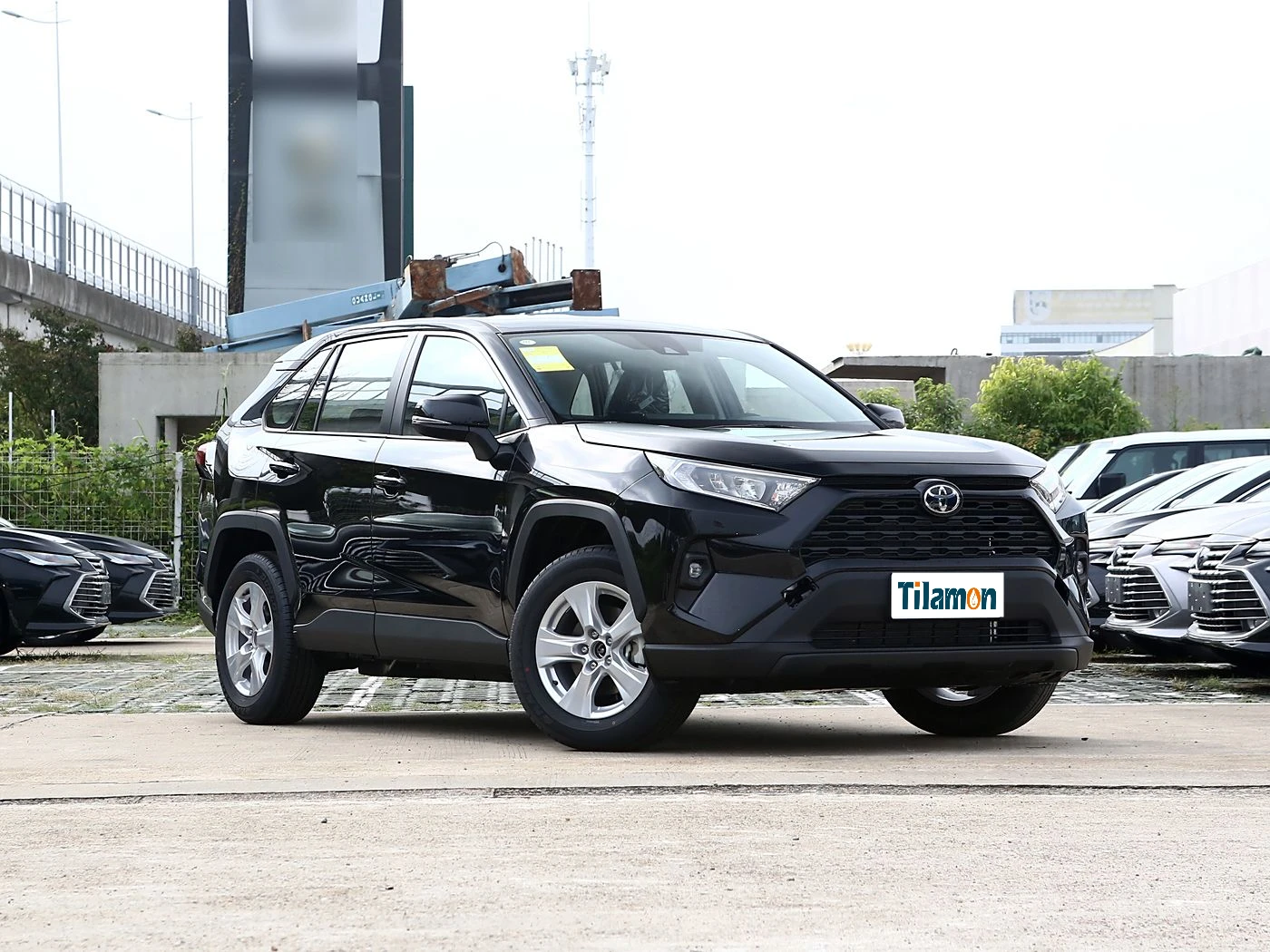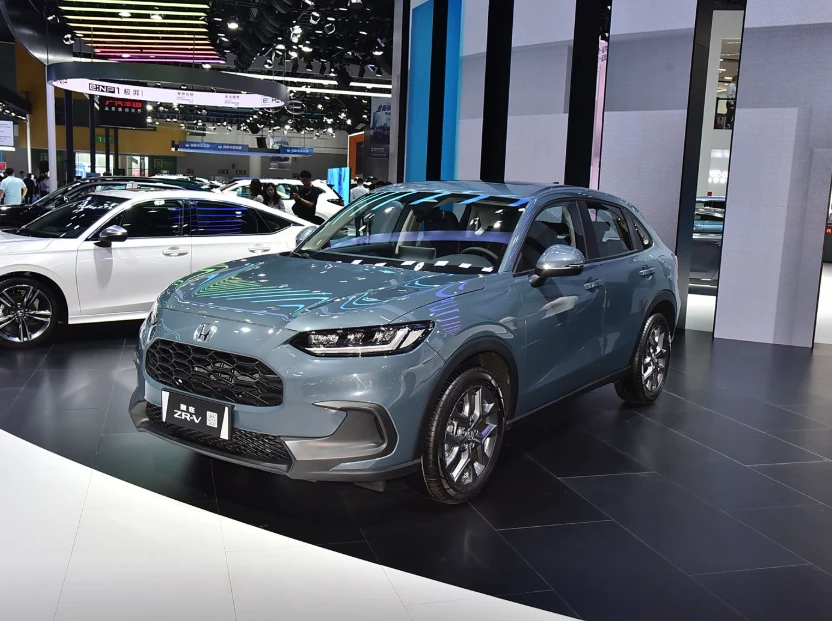
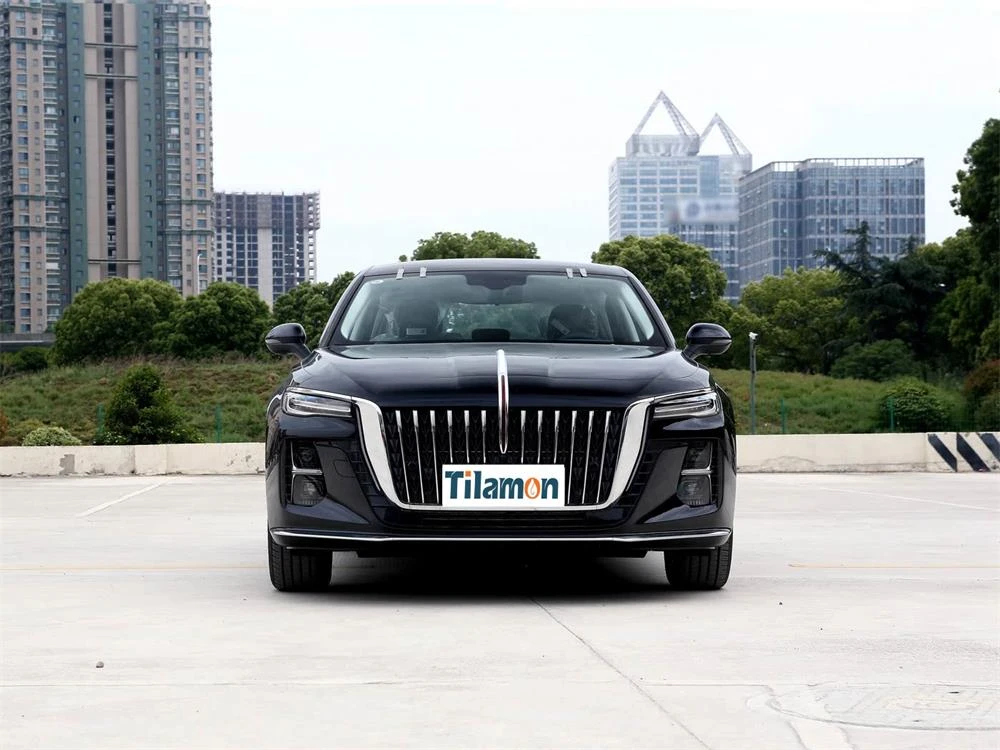
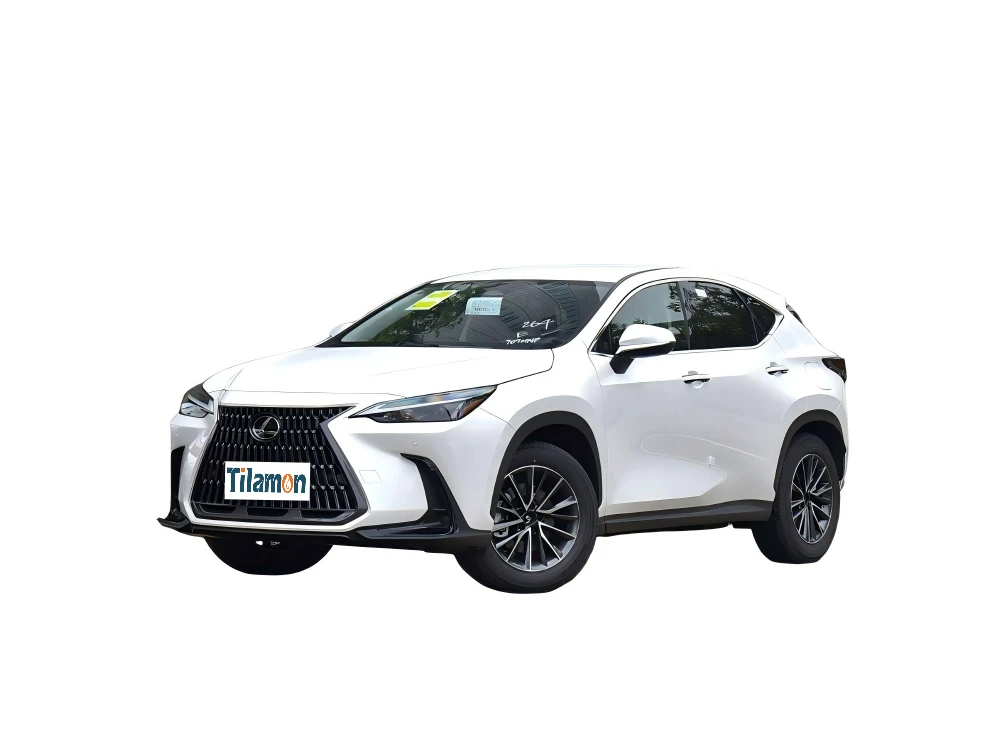
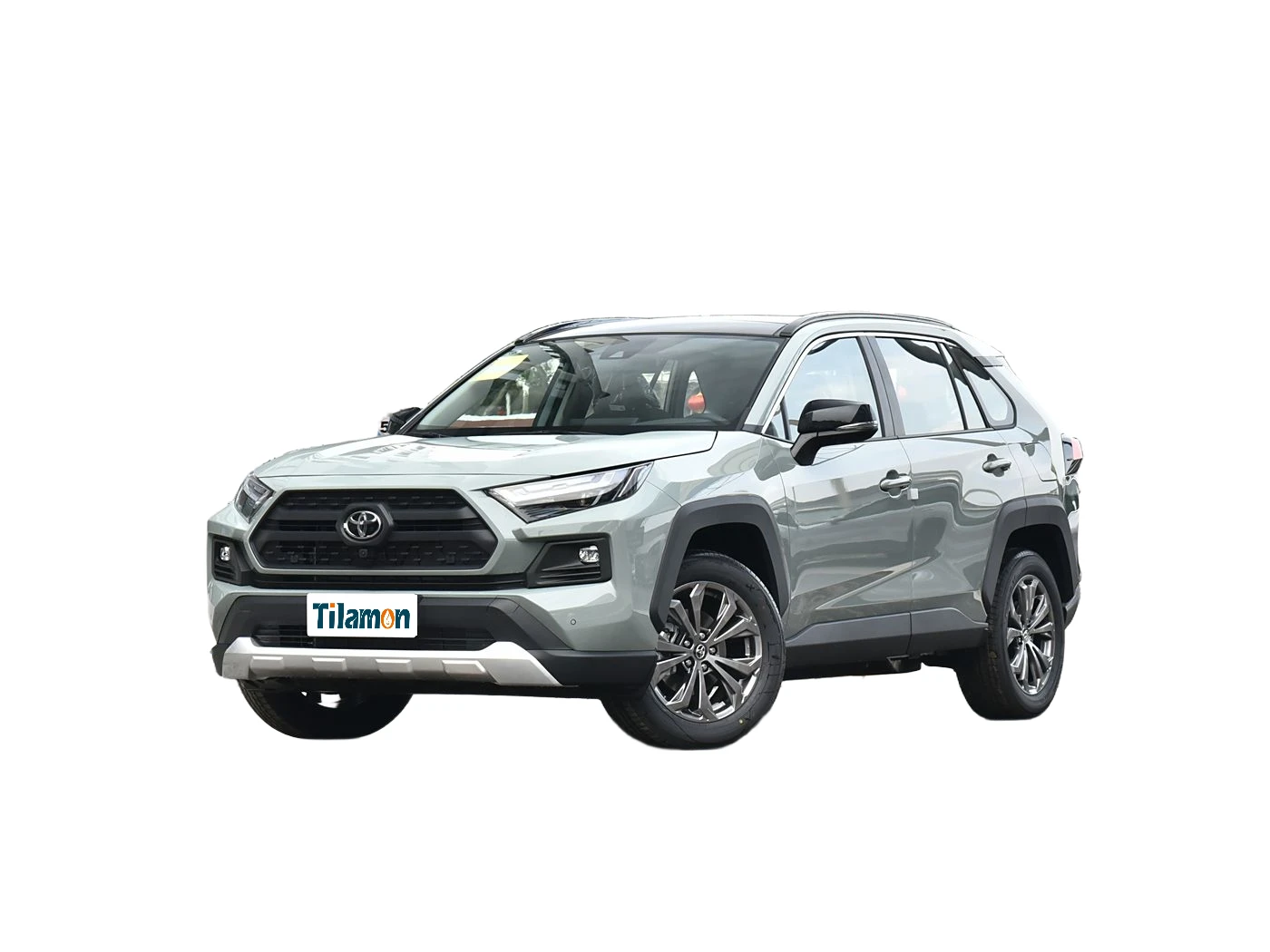
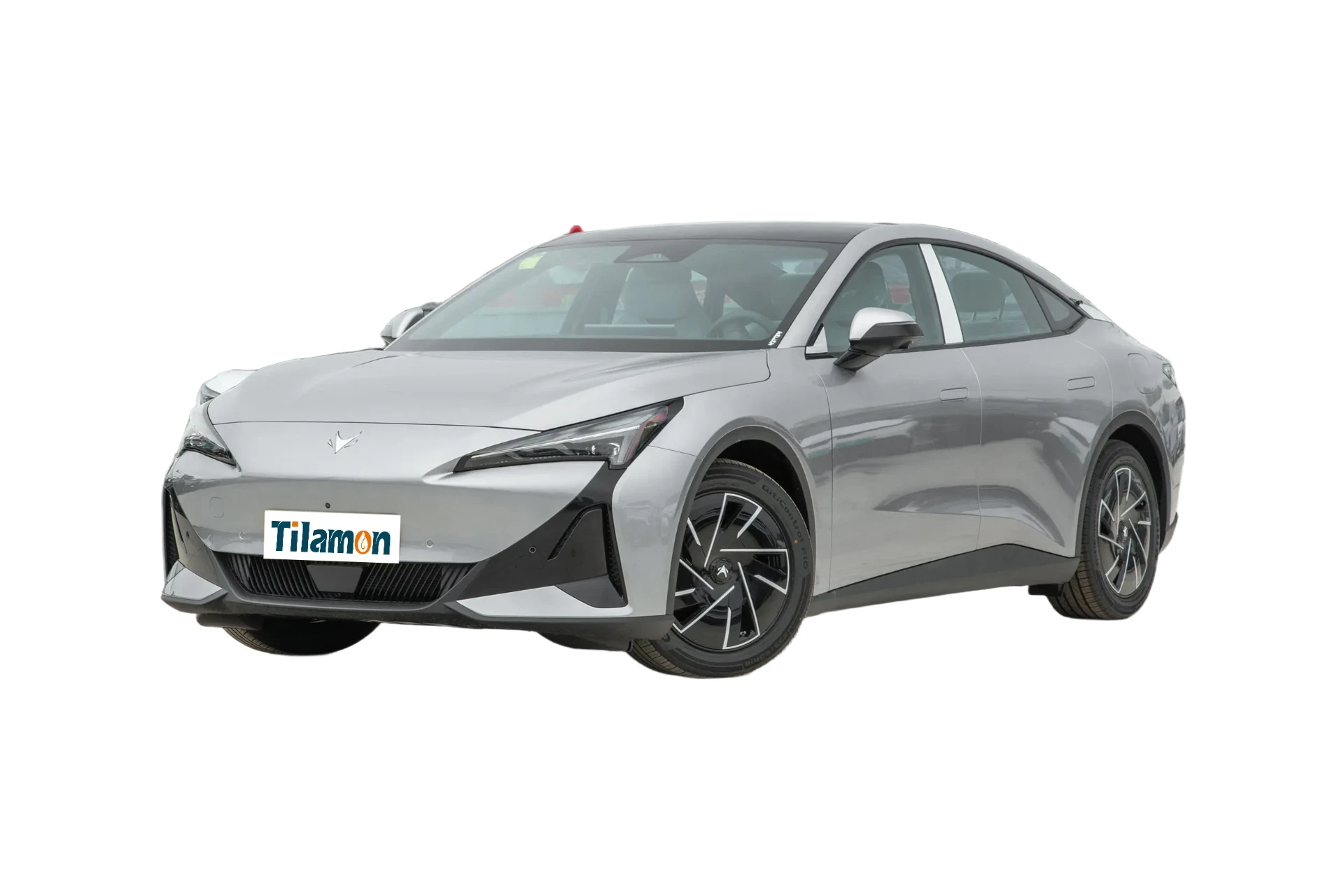
Eco-Drive Peru: Advanced new energy vehicle Solutions

Driving the sustainable transformation of Peru's automotive landscape with high-efficiency Chinese electric mobility and smart vehicle lifecycle management.

Eco-Drive Peru: Advanced new energy vehicle Solutions

Empowering Peru with next-generation automotive technology, blending the efficiency of a new chinese ev with sustainable urban mobility frameworks.

The State of Automotive Electrification in Peru

Analyzing the intersection of geography and green energy in the Andean region.

Peru's unique geography, ranging from the coastal deserts of Lima to the high altitudes of the Andes, presents a complex challenge for the new energy ev sector. Currently, urban centers are seeing a surge in demand for compact electric solutions to combat severe congestion and air pollution in the capital.

Economic shifts have led to a bifurcated market where high-end buyers seek the latest tech, while a significant portion of the population relies on the secondhand vehicle market. This creates a critical need for affordable, durable electric alternatives that can withstand diverse terrains.

The adoption of 2 nd hand cars remains dominant, but the entry of competitive Chinese manufacturing is shifting the value proposition, making zero-emission transport accessible to the Peruvian middle class.
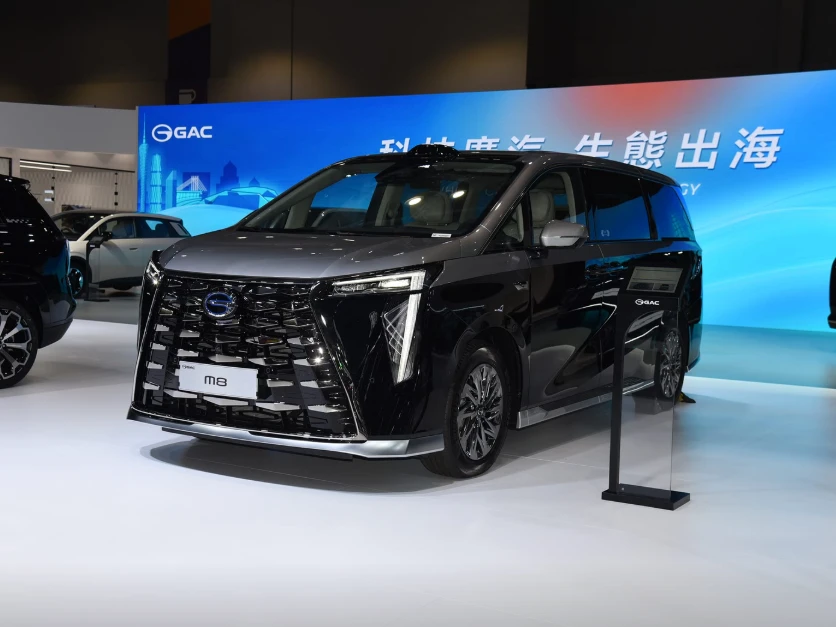
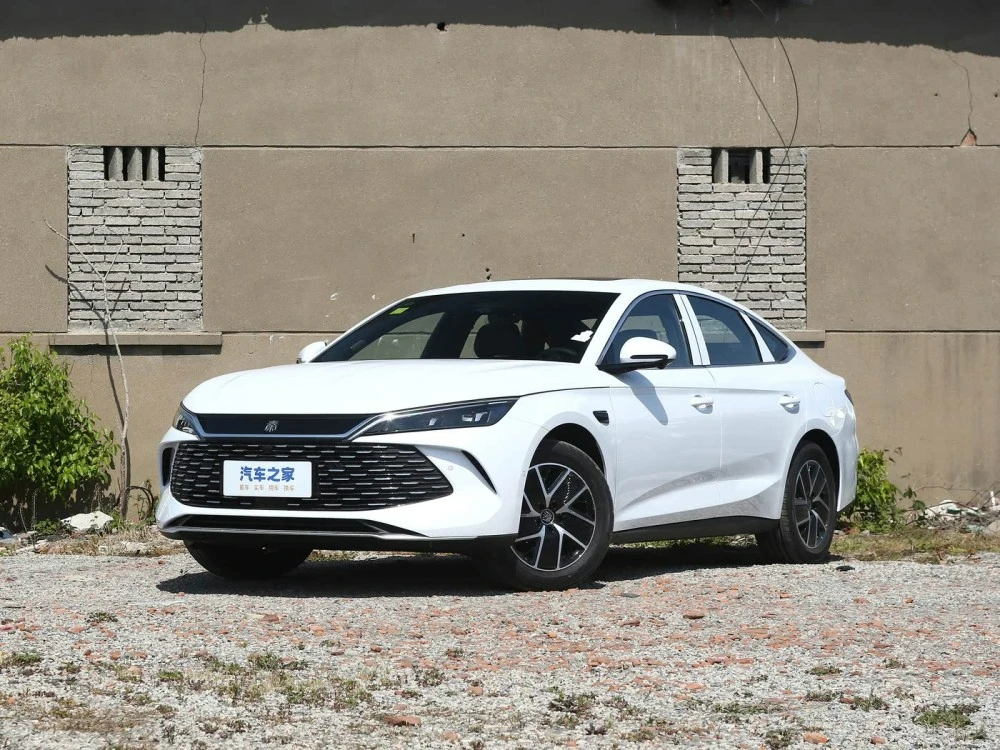
Evolution of Peru's Vehicle Market

From internal combustion dominance to the rise of intelligent electrification.

Market Development History

Until 2015, the Peruvian market was heavily dominated by traditional internal combustion engines, with a strong reliance on imported used Japanese and American cars. The infrastructure for charging was virtually non-existent, limiting electric mobility to niche experimental projects.

Between 2016 and 2021, the "Transition Phase" began. Government incentives for green energy and the arrival of the first wave of new chinese ev models introduced the concept of affordable luxury and high-range batteries to the local market.

Since 2022, we have entered the "Scaling Era." The integration of smart grid technology and the establishment of dedicated EV hubs in Lima and Arequipa have normalized the use of electric drivetrains for both private and commercial logistics.

Future Development Trends

Battery Swap Infrastructure

To overcome the long charging times in remote Andean regions, we expect a shift toward modular battery swapping stations to keep commercial fleets moving.

Circular Economy Integration

A professionalized ecosystem for certifying and refurbishing secondhand vehicle batteries will emerge to reduce waste and lower entry costs.

AI-Driven Fleet Management

Integration of 5G and AI to optimize routes based on Peru's erratic topography, maximizing the energy efficiency of every new energy vehicle.

Future Trends and Strategic Outlook

Mapping the trajectory of Peruvian mobility through 2030.

Hyper-Local Charging Networks
Deploying solar-powered charging stations in high-altitude regions to support the growth of the new energy ev sector.
Smart Certification Standards
Implementing blockchain-based health reports for the 2 nd hand cars market to ensure battery transparency.
Urban Logistics Electrification
Transitioning last-mile delivery in Lima to lightweight electric vans to optimize urban efficiency.
V2G Energy Integration
Vehicle-to-Grid (V2G) systems allowing EVs to stabilize the Peruvian electrical grid during peak hours.

Industry Outlook

The next 3-5 years will see a convergence of affordability and infrastructure. Based on search trends in South America, "cost of ownership" for electric vehicles is becoming a primary search query, indicating a shift from curiosity to actual purchasing intent in Peru.

We anticipate that the integration of LFP (Lithium Iron Phosphate) batteries will make the new energy ev market the dominant force in new car registrations by 2028, fundamentally altering the automotive manufacturing value chain.

Localized Application Scenarios in Peru

Tailoring automotive innovation to the diverse Peruvian landscape.

1. Lima Urban Commuting Solutions

Utilizing compact new chinese ev models to navigate the dense traffic of Lima, reducing smog and operational costs for daily commuters.

2. Andean High-Altitude Logistics

Specialized high-torque electric drivetrains designed for the steep inclines of the Andes, ensuring reliable transport for agricultural goods.

3. Coastal Tourism Fleets

Implementing zero-emission shuttle services in coastal resorts like Paracas to protect fragile ecosystems while providing luxury transport.

4. Refurbished Commercial Hubs

Creating a sustainable pipeline for secondhand vehicle conversion, turning old combustion vans into electric delivery fleets.

5. Government Green-Fleet Initiative

Deploying a standardized fleet of new energy vehicle units for municipal services to lead the national transition to sustainability.

Brand Story

Global Development Journey of Shijiazhuang Zhenming Chemical Co., Ltd.

Foundation of Quality

Starting with a commitment to chemical precision, we built the foundational materials needed for advanced automotive coatings and battery components.

Diversification Strategy

Recognizing the shift toward green energy, we expanded our expertise into materials that support the structural integrity of electric vehicles.

Global Expansion

We established strategic partnerships across South America, bringing high-standard manufacturing components to the Peruvian market.

Technological Synergy

Integrating chemical innovation with vehicle assembly to solve the pain point of battery degradation in extreme climates.

Vision for 2030

Leading the charge toward a fully circular automotive economy where every vehicle component is recyclable and sustainable.

Peruvian Automotive FAQ

Everything you need to know about switching to green mobility in Peru.

What are the benefits of a new chinese ev in the Peruvian market?

They offer a superior balance of advanced technology, high battery range, and competitive pricing compared to traditional Western brands.

Is it safe to buy a secondhand vehicle with electric components?

Yes, provided the vehicle undergoes a certified battery health check and structural audit to ensure longevity and safety.

How does a new energy vehicle handle high altitudes in the Andes?

Unlike combustion engines that lose power, electric motors maintain consistent torque, making them ideal for high-altitude climbs.

Where can I find reliable 2 nd hand cars with warranty?

Certified dealerships and specialized platforms offer audited pre-owned vehicles with limited warranties on the powertrain.

What is the average charging time for a new energy ev in Lima?

Depending on the charger (Level 2 or DC Fast), charging times range from 30 minutes for an 80% charge to 8 hours for a full home charge.

Are there government tax incentives for new energy vehicles in Peru?

Peru has introduced various import tax reductions and registration benefits to encourage the adoption of zero-emission transport.

Ready to Electrify Your Journey?

Our experts are standing by to provide the best automotive solutions tailored for Peru.

Contact Us Now

If you are interested in our products, you can choose to leave your information here, and we will be in touch with you shortly.