GET IN TOUCH

Product Details Introduction
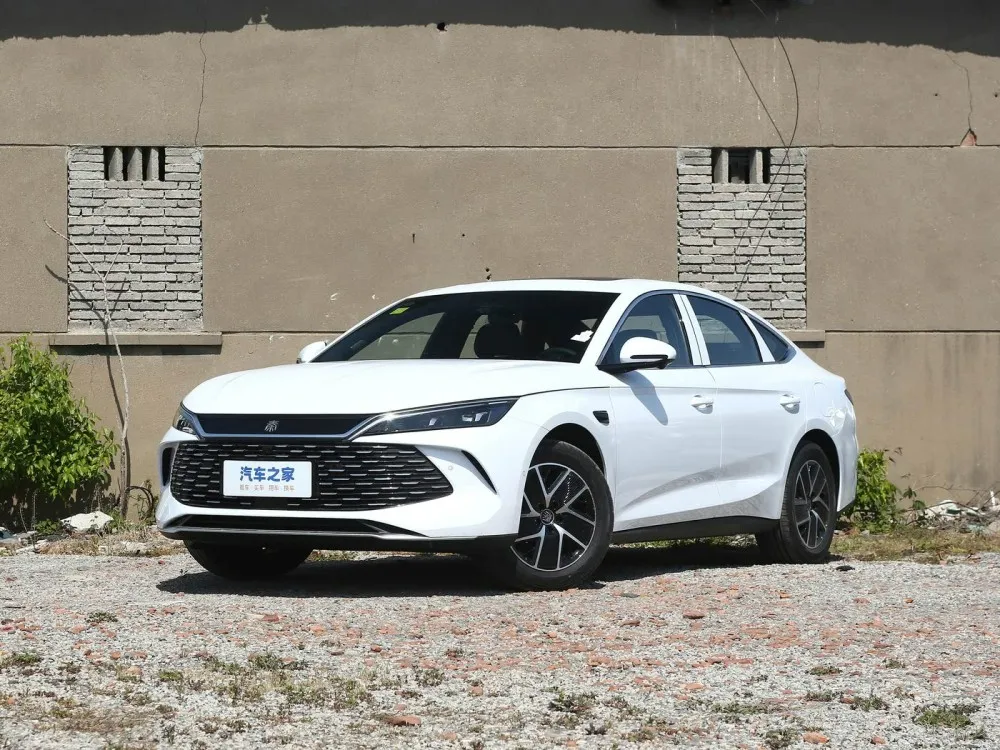
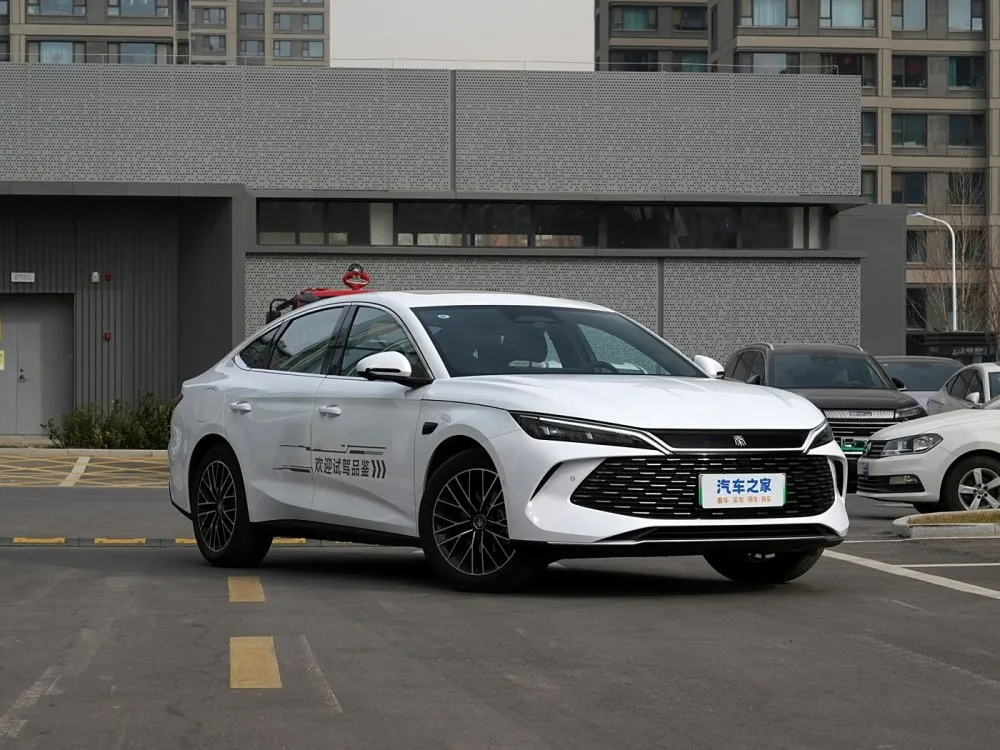
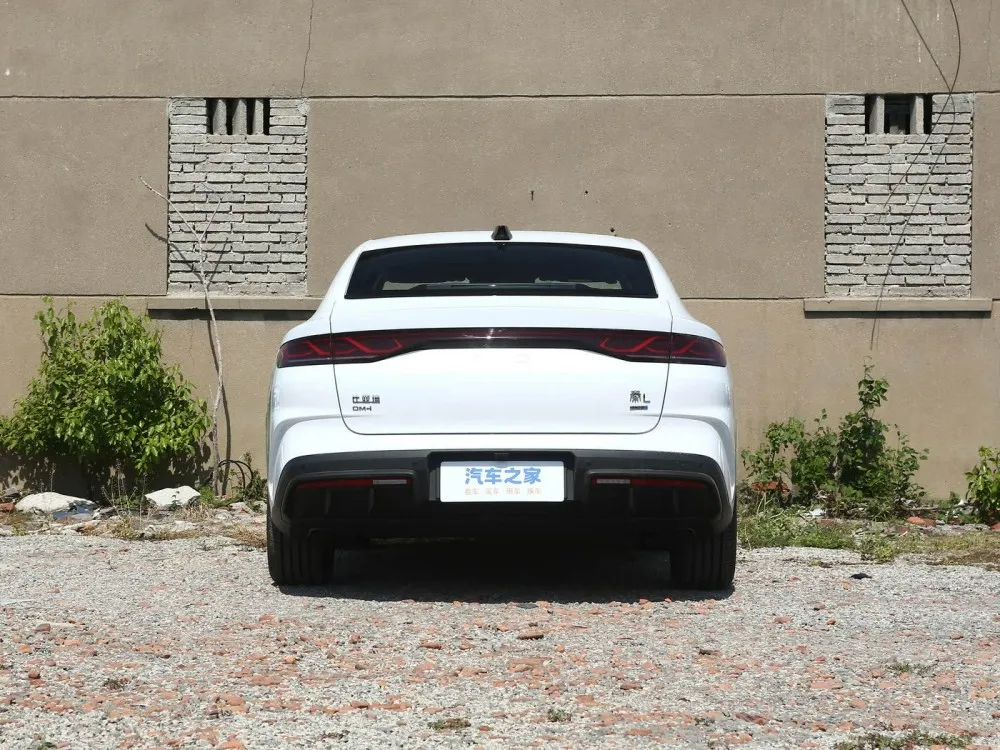
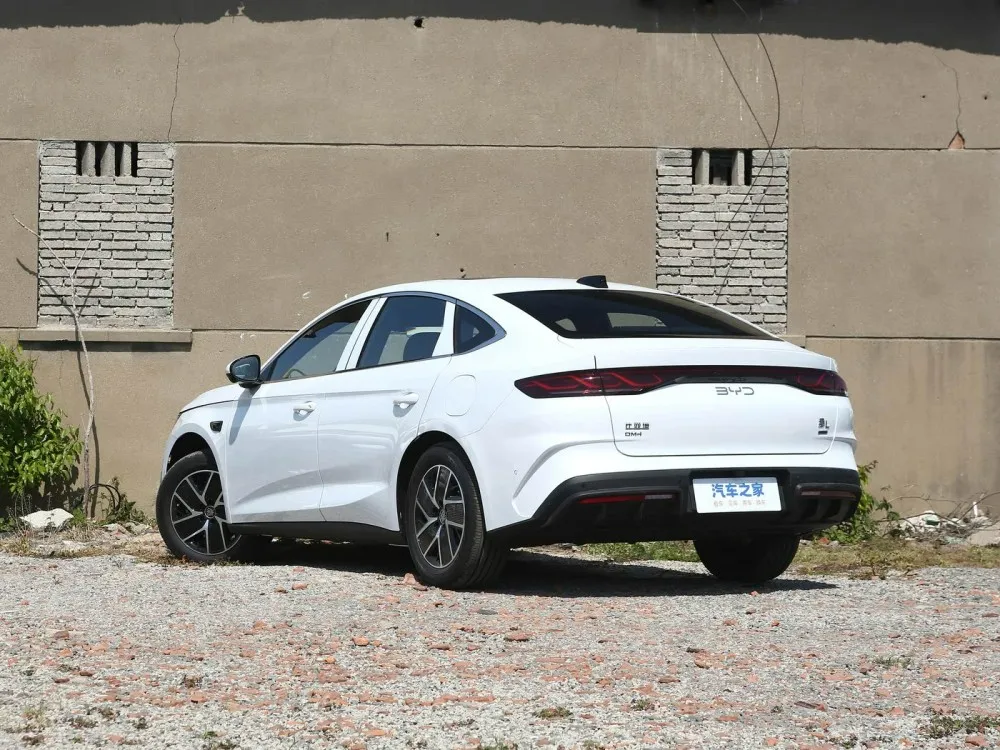
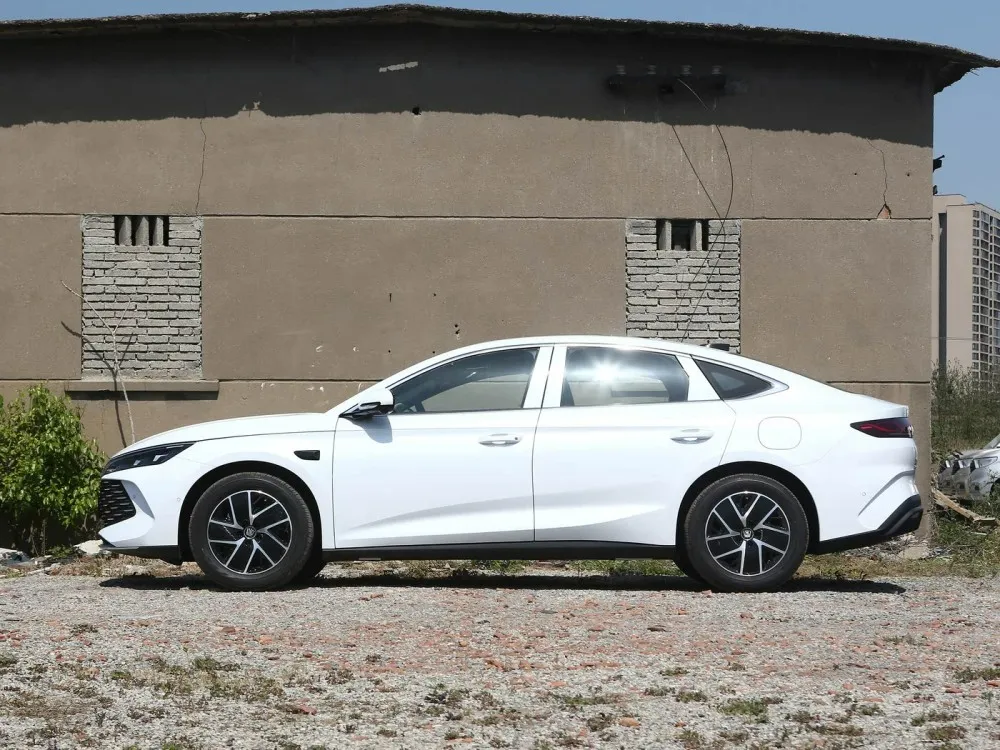
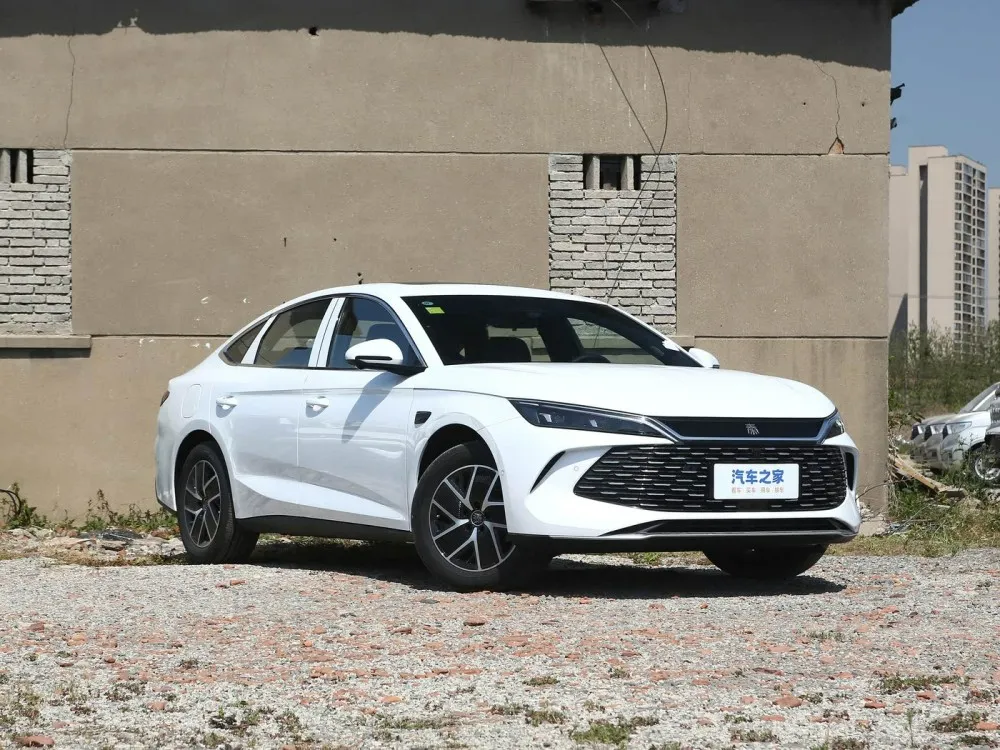
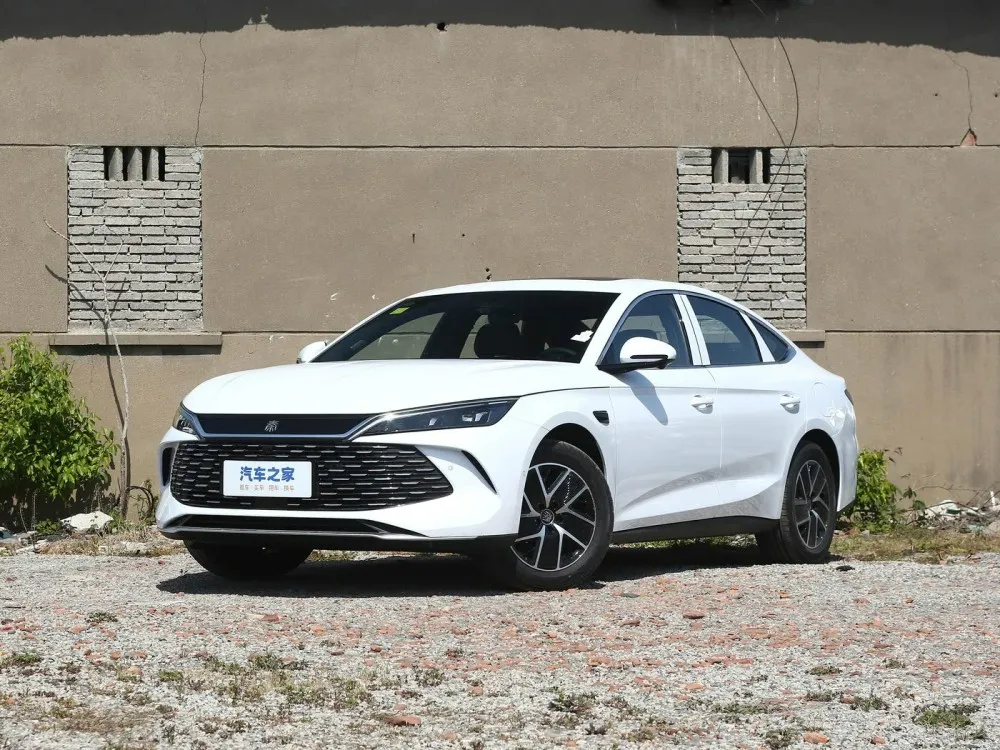
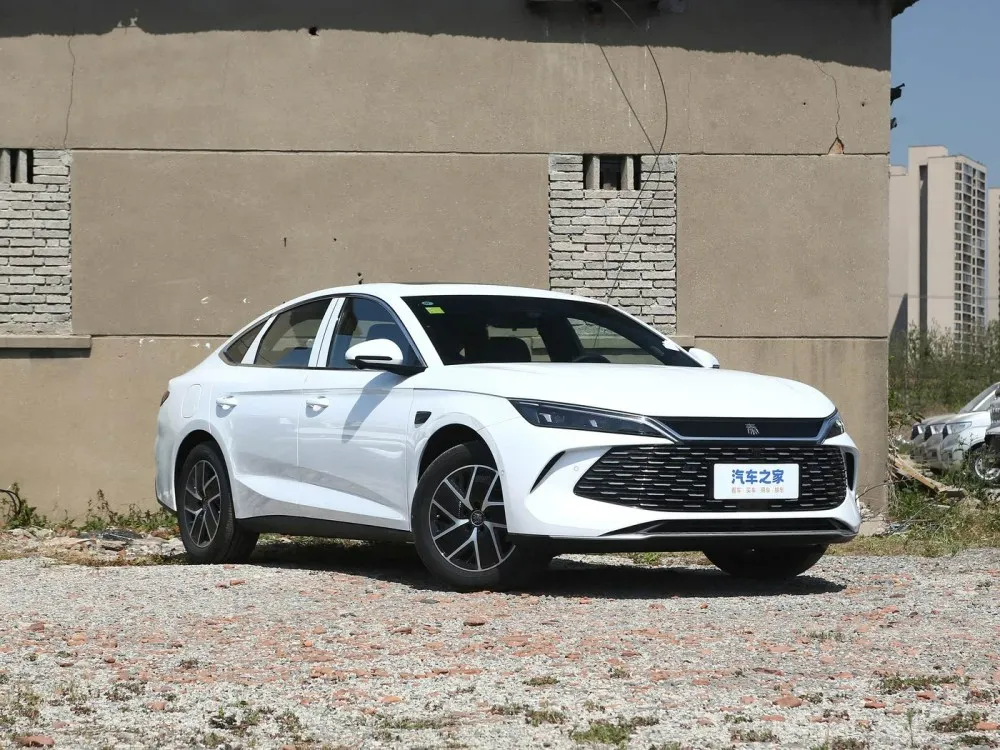
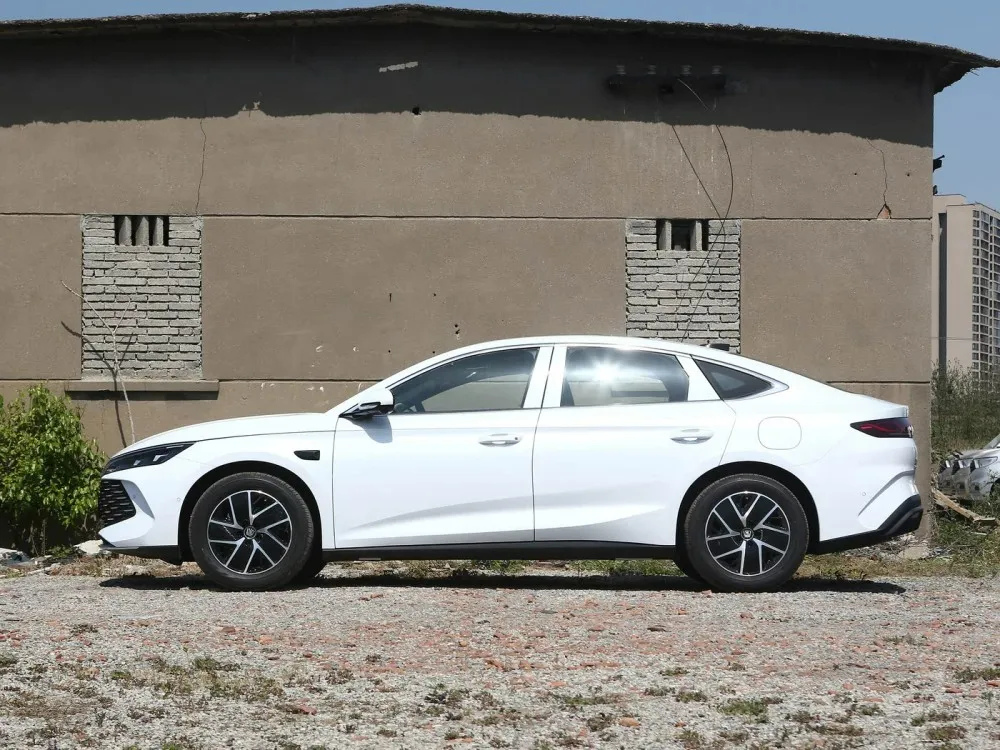
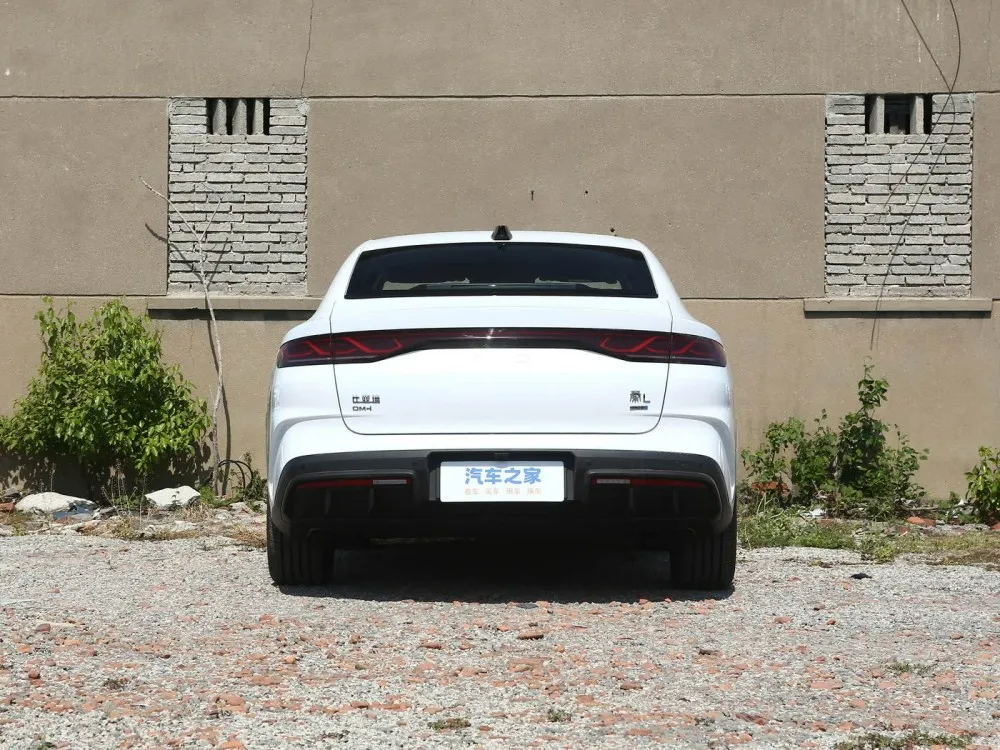
Vehicle appearance:
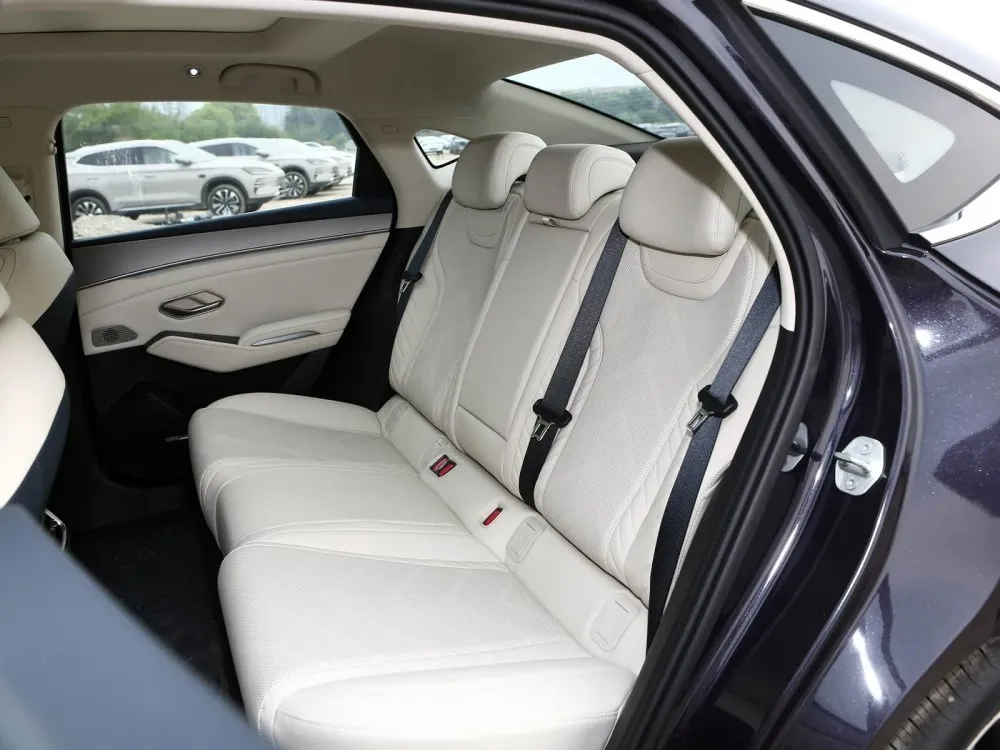
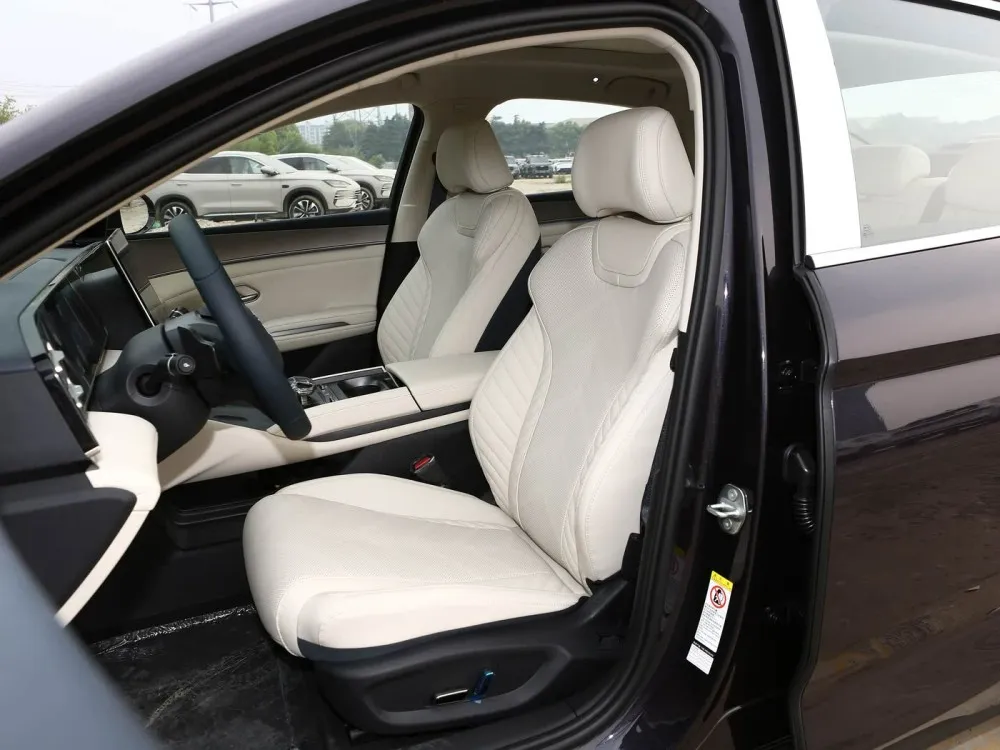
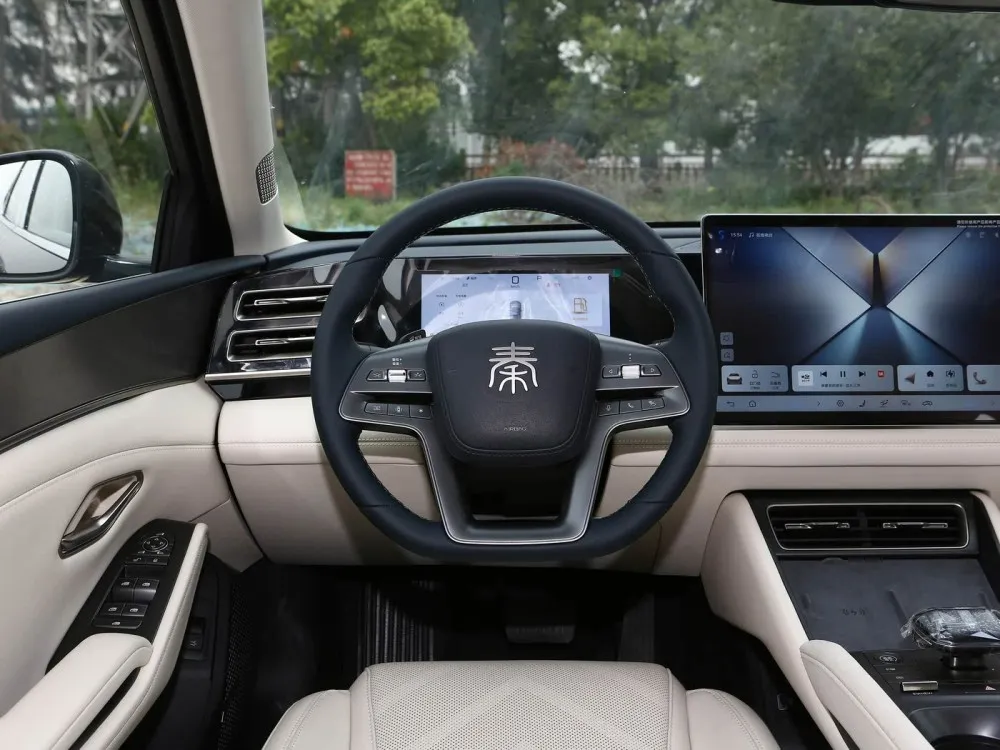
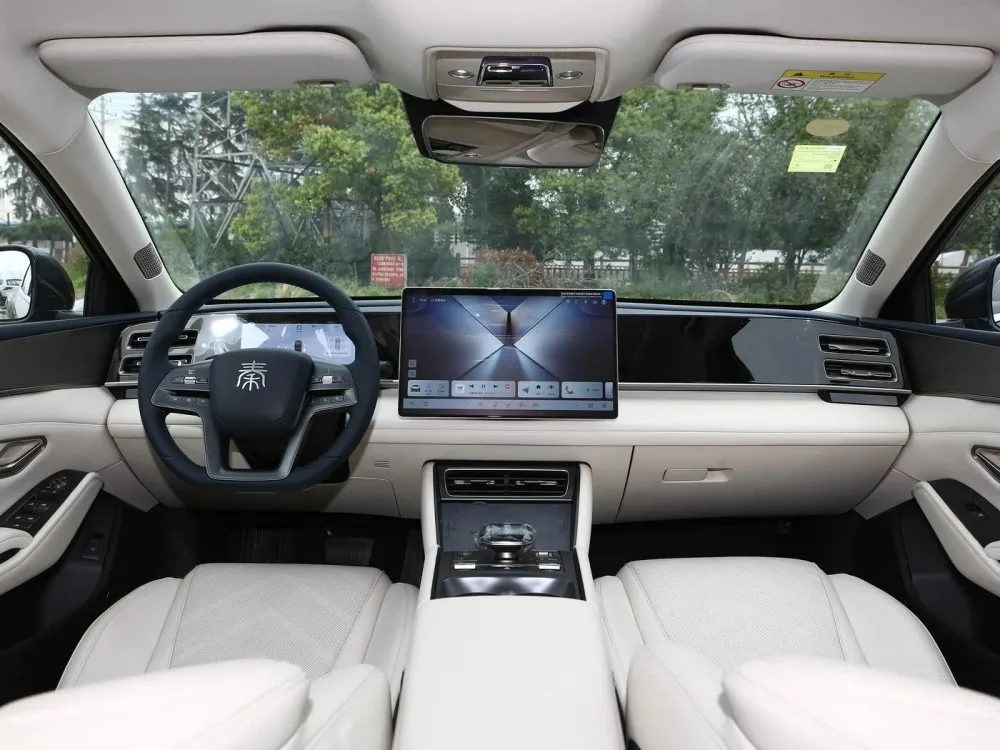
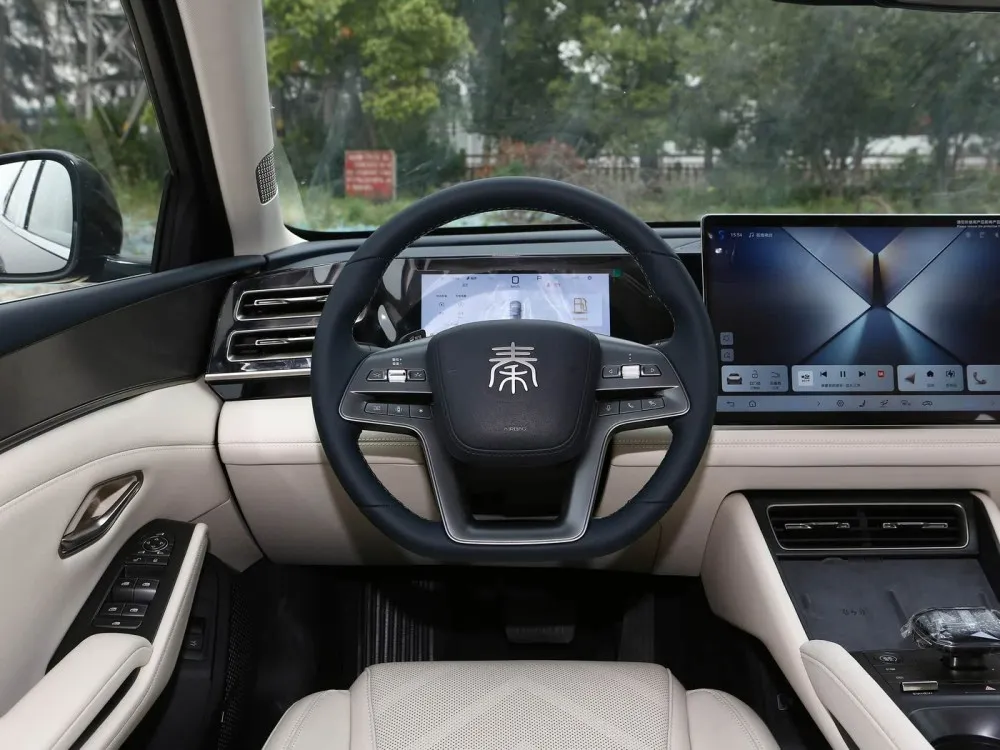
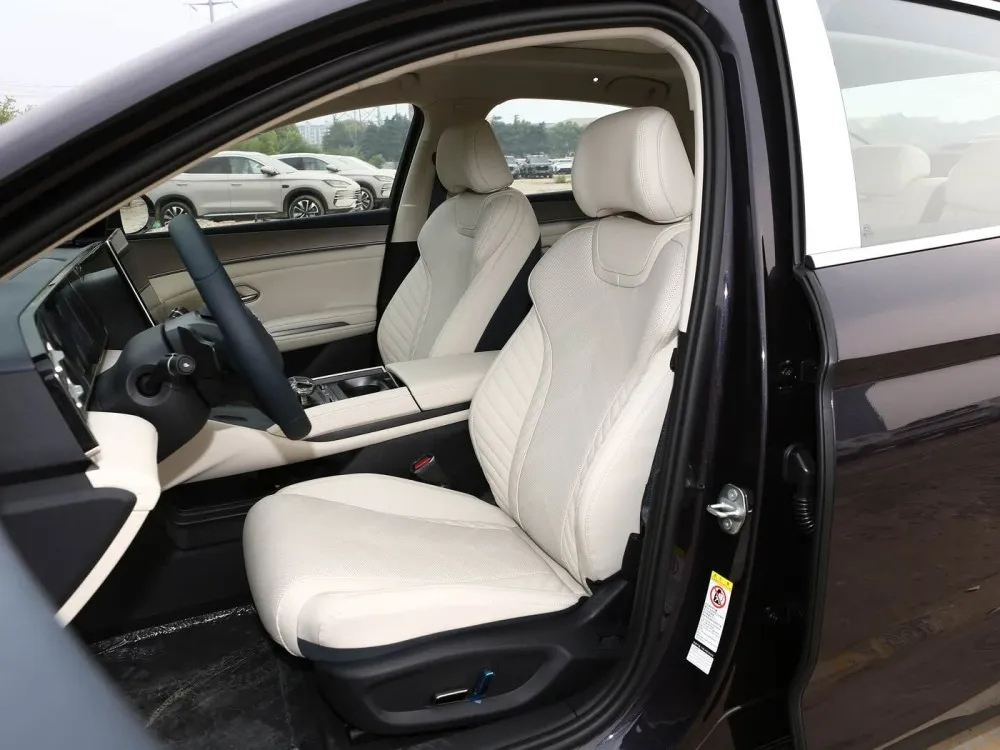
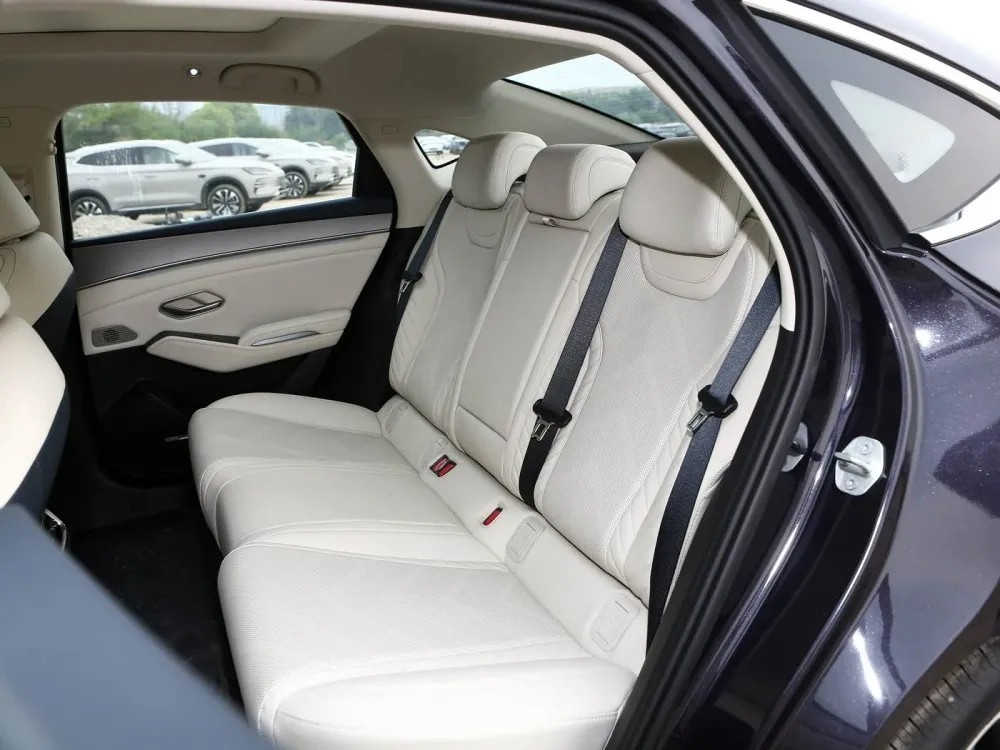
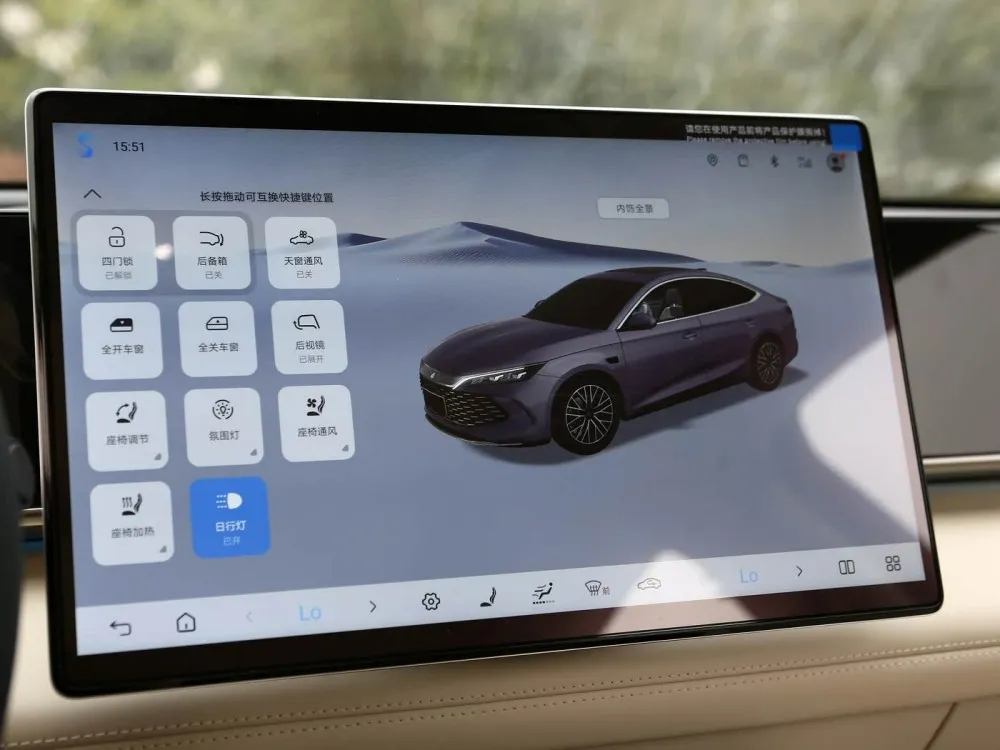
Vehicle interior:
| BYD / Qin L / Mid-size car / Plug-in hybrid | |||||
| Qin L2025 DM-iIntelligent DrivingEdition 80KM Leading |
Qin L2025 DM-iIntelligent DrivingEdition 80KM Beyond Edition |
Qin L2025 DM-iIntelligent DrivingEdition 120KM Leading Edition |
Qin L2025 DM-iIntelligent DrivingEdition 120K Beyond Edition |
Qin L2025 DM-iIntelligent DrivingEdition 120K Excellence Edition |
|
| Guide price(RMB) | 99,800 | 109,800 | 119,800 | 129,800 | 139,800 |
| Basic parameters | |||||
| Manufacturer | BYD | BYD | BYD | BYD | BYD |
| level | Mid-size car | Mid-size car | Mid-size car | Mid-size car | Mid-size car |
| Energy Type | Plug-in hybrid | Plug-in hybrid | Plug-in hybrid | Plug-in hybrid | Plug-in hybrid |
| Availability | 2025.02 | 2025.02 | 2025.02 | 2025.02 | 2025.02 |
| WLTC pure electric range (km) | 60 | 60 | 90 | 90 | 90 |
| CLTC pure electric cruising range (km) | 80 | 80 | 120 | 120 | 120 |
| Battery fast charging time (hours) | - | - | 0.42 | 0.42 | 0.42 |
| Battery slow charging time (hours) | 3.42 | 3.42 | 2.5 | 2.5 | 2.5 |
| Battery fast charge capacity range (%) | - | - | 30-80 | 30-80 | 30-80 |
| Battery slow charging capacity range (%) | 15-100 | 15-100 | 15-100 | 15-100 | 15-100 |
| Gearbox | E-CVT continuously variable transmission | E-CVT continuously variable transmission | E-CVT continuously variable transmission | E-CVT continuously variable transmission | E-CVT continuously variable transmission |
| Body structure | 4-door 5-seater sedan | 4-door 5-seater sedan | 4-door 5-seater sedan | 4-door 5-seater sedan | 4-door 5-seater sedan |
| engine | 1.5L 101HP L4 | 1.5L 101HP L4 | 1.5L 101HP L4 | 1.5L 101HP L4 | 1.5L 101HP L4 |
| Motor (Ps) | 163 | 163 | 218 | 218 | 218 |
| Length*width*height(mm) | 4830*1900*1495 | 4830*1900*1495 | 4830*1900*1495 | 4830*1900*1495 | 4830*1900*1495 |
| Official 0-100km/h acceleration (s) | 7.9 | 7.9 | 7.5 | 7.5 | 7.5 |
| Maximum speed (km/h) | 180 | 180 | 180 | 180 | 180 |
| WLTC comprehensive fuel consumption (L/100km) | 1.36 | 1.36 | 1.11 | 1.11 | 1.11 |
| Lowest state-of-charge fuel consumption (L/100km) WLTC | 3.8 | 3.8 | 3.98 | 3.98 | 3.98 |
| Minimum state of charge fuel consumption (L/100km) NEDC | 2.9 | 2.9 | 3.08 | 3.08 | 3.08 |
| Electric energy equivalent fuel consumption (L/100km) | 1.26 | 1.26 | 1.54 | 1.54 | 1.54 |
| Vehicle warranty | Six years or 150,000 km | Six years or 150,000 km | Six years or 150,000 km | Six years or 150,000 km | Six years or 150,000 km |
| Curb weight(kg) | 1660 | 1660 | 1775 | 1775 | 1775 |
| Maximum full load mass (kg) | 2035 | 2035 | 2150 | 2150 | 2150 |
| Body | |||||
| Length(mm) | 4830 | 4830 | 4830 | 4830 | 4830 |
| Width(mm) | 1900 | 1900 | 1900 | 1900 | 1900 |
| Height(mm) | 1495 | 1495 | 1495 | 1495 | 1495 |
| Wheelbase(mm) | 2790 | 2790 | 2790 | 2790 | 2790 |
| Front wheel track (mm) | 1620 | 1620 | 1620 | 1620 | 1620 |
| Rear wheelbase(mm) | 1620 | 1620 | 1620 | 1620 | 1620 |
| Approach angle (掳) | 13 | 13 | 13 | 13 | 13 |
| Departure angle(掳) | 14 | 14 | 14 | 14 | 14 |
| Minimum turning radius (m) | 5.6 | 5.6 | 5.6 | 5.6 | 5.6 |
| Body structure | Sedan | Sedan | Sedan | Sedan | Sedan |
| Door opening method | Swing door | Swing door | Swing door | Swing door | Swing door |
| Number of doors | 4 | 4 | 4 | 4 | 4 |
| Number of seats | 5 | 5 | 5 | 5 | 5 |
| Fuel tank capacity(L) | 65 | 65 | 65 | 65 | 65 |
| Drag coefficient (Cd) | 0.26 | 0.26 | 0.26 | 0.26 | 0.26 |
| engine | |||||
| Engine Model | BYD472QC | BYD472QC | BYD472QC | BYD472QC | BYD472QC |
| Displacement (mL) | 1498 | 1498 | 1498 | 1498 | 1498 |
| Displacement(L) | 1.5 | 1.5 | 1.5 | 1.5 | 1.5 |
| Air intake form | Naturally Aspirated | Naturally Aspirated | Naturally Aspirated | Naturally Aspirated | Naturally Aspirated |
| Engine layout | Sideways | Sideways | Sideways | Sideways | Sideways |
| Cylinder arrangement | L | L | L | L | L |
| Number of cylinders | 4 | 4 | 4 | 4 | 4 |
| Number of valves per cylinder | 4 | 4 | 4 | 4 | 4 |
| Valve mechanism | DOHC | DOHC | DOHC | DOHC | DOHC |
| Maximum horsepower (Ps) | 101 | 101 | 101 | 101 | 101 |
| Maximum power (kW) | 74 | 74 | 74 | 74 | 74 |
| Maximum torque (N·m) | 126 | 126 | 126 | 126 | 126 |
| Maximum net power (kW) | 70 | 70 | 70 | 70 | 70 |
| Energy Type | Plug-in hybrid | Plug-in hybrid | Plug-in hybrid | Plug-in hybrid | Plug-in hybrid |
| Fuel grade | No. 92 | No. 92 | No. 92 | No. 92 | No. 92 |
| Electric Motor | |||||
| Previous Motor Brand | BYD | BYD | BYD | BYD | BYD |
| Motor Type | Permanent magnet/synchronous | Permanent magnet/synchronous | Permanent magnet/synchronous | Permanent magnet/synchronous | Permanent magnet/synchronous |
| Total motor power (kW) | 120 | 120 | 160 | 160 | 160 |
| Total motor horsepower (Ps) | 163 | 163 | 218 | 218 | 218 |
| Total torque of the motor (N路m) | 210 | 210 | 260 | 260 | 260 |
| Maximum power of front motor (kW) | 120 | 120 | 160 | 160 | 160 |
| Maximum torque of front motor (N·m) | 210 | 210 | 260 | 260 | 260 |
| Battery/Charging | |||||
| Battery Type | Lithium iron phosphate battery | Lithium iron phosphate battery | Lithium iron phosphate battery | Lithium iron phosphate battery | Lithium iron phosphate battery |
| Battery brand | Fudi | Fudi | Fudi | Fudi | Fudi |
| Battery unique technology | Blade Battery | Blade Battery | Blade Battery | Blade Battery | Blade Battery |
| Battery cooling method | Direct cooling | Direct cooling | Direct cooling | Direct cooling | Direct cooling |
| WLTC pure electric range (km) | 60 | 60 | 90 | 90 | 90 |
| CLTC pure electric cruising range (km) | 80 | 80 | 120 | 120 | 120 |
| Battery energy (kWh) | 10.08 | 10.08 | 15.87 | 15.87 | 15.87 |
| Power consumption per 100 kilometers (kWh/100km) | 11.1 | 11.1 | 13.6 | 13.6 | 13.6 |
| Fast charging function | - | - | support | support | support |
| Fast charging power (kW) | - | - | 23 | 23 | 23 |
| Battery fast charging time (hours) | - | - | 0.42 | 0.42 | 0.42 |
| Battery slow charging time (hours) | 3.42 | 3.42 | 2.5 | 2.5 | 2.5 |
| Battery fast charge capacity range (%) | - | - | 30-80 | 30-80 | 30-80 |
| Battery slow charging capacity range (%) | 15-100 | 15-100 | 15-100 | 15-100 | 15-100 |
| Slow charging port location | Right rear side of the car | Right rear side of the car | Right rear side of the car | Right rear side of the car | Right rear side of the car |
| Fast charging port location | - | - | Right rear side of the car | Right rear side of the car | Right rear side of the car |
| Gearbox | |||||
| Abbreviation | E-CVT continuously variable transmission | E-CVT continuously variable transmission | E-CVT continuously variable transmission | E-CVT continuously variable transmission | E-CVT continuously variable transmission |
| Number of gears | Continuously variable speed | Continuously variable speed | Continuously variable speed | Continuously variable speed | Continuously variable speed |
| Gearbox Type | Electronic Continuously Variable Transmission (E-CVT) | Electronic Continuously Variable Transmission (E-CVT) | Electronic Continuously Variable Transmission (E-CVT) | Electronic Continuously Variable Transmission (E-CVT) | Electronic Continuously Variable Transmission (E-CVT) |
| Chassis steering | |||||
| Drive mode | Front front drive | Front front drive | Front front drive | Front front drive | Front front drive |
| Front suspension type | McPherson independent suspension | McPherson independent suspension | McPherson independent suspension | McPherson independent suspension | McPherson independent suspension |
| Rear suspension type | Multi-link independent suspension | Multi-link independent suspension | Multi-link independent suspension | Multi-link independent suspension | Multi-link independent suspension |
| Power type | Electric power assist | Electric power assist | Electric power assist | Electric power assist | Electric power assist |
| Vehicle structure | Load-bearing | Load-bearing | Load-bearing | Load-bearing | Load-bearing |
| Wheel brake | |||||
| Front brake type | Ventilated disc | Ventilated disc | Ventilated disc | Ventilated disc | Ventilated disc |
| Rear brake type | Disc | Disc | Disc | Disc | Disc |
| Parking brake type | Electronic parking brake | Electronic parking brake | Electronic parking brake | Electronic parking brake | Electronic parking brake |
| Rear tire specifications | 225/60 R16 | 225/55 R17 | 225/55 R17 | 225/55 R17 | 225/50 R18 |
| Spare tire specifications | Tire repair tools | Tire repair tools | Tire repair tools | Tire repair tools | Tire repair tools |
The interior of the BYD Qin Plus offers a modern, driver-focused cabin that feels upscale for its class. At the center of the dashboard is a large touchscreen infotainment display — typically around 10.1 inches — running BYD’s smart DiLink system for multimedia, navigation and connectivity. An 8.8-inch digital instrument cluster sits behind the steering wheel, giving clear real-time driving information.
The dashboard design flows smoothly from left to right, with simple, clean lines and soft-touch surfaces that give a more premium feel than many rivals. The steering wheel is multifunctional and leather-wrapped, placing key controls for audio and cruise functions within easy reach.
Seating comfort is a highlight — the Qin Plus usually comes with leather or high-quality faux-leather seats that are supportive for longer journeys. Front seats often offer adjustability for both driver and passenger, and the rear bench provides reasonable room for adults in its segment.
Practical touches include dual-zone climate control, multiple USB/Type-C ports, cup holders and storage compartments, which help make daily use more convenient. Higher trims may also include heated seats and a panoramic sunroof as optional features.
Overall, the Qin Plus’s interior feels well-assembled, comfortable, and tech-rich, with a balance of intuitive controls and thoughtful amenities that suit both urban commuting and longer road trips.
The 2025 BYD Qin L is a mid-size sedan that sits above the Qin Plus in BYD’s lineup, designed to offer a premium feel, generous interior space and modern technology at a competitive price point. It is available in both pure electric (EV) and plug-in hybrid (DM-i) variants, catering to buyers who want either zero-emission driving or ultra-efficient hybrid performance. The EV version uses BYD’s e-Platform 3.0 Evo, while the plug-in hybrid features the brand’s fifth-generation DM system, both engineered to balance performance and efficiency.
Exterior and Proportions:
Visually, the Qin L EV and DM-i share a modern, streamlined design, with flush door handles, sleek LED lighting and a pronounced front fascia that carries BYD’s latest “Dragon Face” aesthetic. With overall dimensions of roughly 4,720 mm in length, 1,880 mm in width and a 2,820 mm wheelbase, the Qin L offers a stable, well-proportioned look that also translates to ample interior space — especially compared with smaller sedans in the class.
Interior & Comfort:
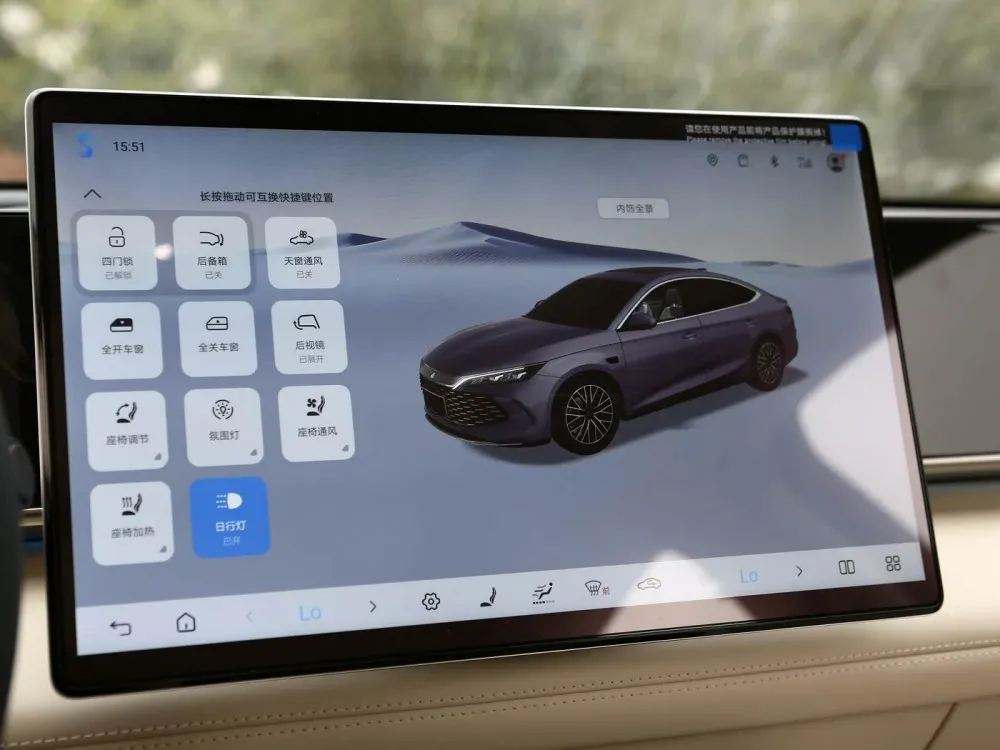
Inside, the Qin L aims to impress with a cabin that blends tech-forward features and a comfortable atmosphere. The dashboard is often described as being inspired by Chinese landscape art or “Shanshui painting”, giving it a refined, cultural feel while remaining clean and modern. You’ll find a rotatable central touchscreen (up to 15.6 inches in higher trims) and an 8.8-inch full LCD instrument panel that display driving data and infotainment clearly. The cabin materials include soft-touch and dual-tone upholstery, contributing to a more upscale feel than typical economy sedans.
Practical comfort is also a priority: front seats are well-cushioned with electric adjustments and optional heating/ventilation, while the flat rear floor and long wheelbase give good legroom for rear passengers. A panoramic sunroof, automatic climate control and generous cargo space are available on higher trims, making the cabin suitable for daily commuting and longer trips alike.
Technology & Safety:
Tech features are a highlight. The Qin L’s DiLink smart cockpit offers smartphone integration, voice control, OTA updates and NFC key functionality. Safety and driver support systems are strong for the segment — both EV and hybrid models come equipped with BYD’s DiPilot 100 “God’s Eye C” intelligent driving suite, which includes adaptive cruise control, highway navigation assist and automated parking in many situations.
Power & Efficiency:
Performance varies by variant — the EV model offers up to 545 km CLTC range, while the DM-i hybrid combines a petrol engine with electric motors for outstanding efficiency (as low as ~2.9 L/100 km) and total driving ranges beyond 2,100 km on some configurations.
The 2025 BYD Qin L blends stylish design, advanced tech, spacious comfort and efficient powertrains. Whether you choose the EV for clean city performance or the hybrid for long-distance convenience, the Qin L delivers premium features and smart engineering at an accessible price — making it a compelling choice in the mid-size sedan market.
The 2025 BYD Qin Plus is a modern, mid-size sedan that stands out in its class thanks to a blend of advanced electrification, technology, comfort and efficiency, appealing to both hybrid and pure-electric buyers.
At its core, the Qin Plus is offered in plug-in hybrid (DM-i) and full electric (EV) versions. The DM-i hybrid powertrain pairs a 1.5 L petrol engine with an electric motor and BYD’s efficient Blade battery, giving it an official combined driving range of over 2,000 km and pure electric range up to around 120 km in higher battery variants — ideal for daily commutes on electric power and long trips without range anxiety. The EV variant, built on BYD’s e-Platform, delivers zero-emission driving with ranges of roughly 420-510 km (CLTC), fast charging capability and smooth electric acceleration.
Design and interior are both practical and contemporary. The exterior has sleek lines and refined proportions, while the cabin features a 10.1-inch multimedia touchscreen and an 8.8-inch digital driver display, with BYD’s DiLink smart cockpit system offering voice control, smartphone connectivity, digital key functions and cloud services. The interior is spacious and thoughtfully laid-out, with multiple storage spaces and a roomy trunk, making the car comfortable for both city driving and longer journeys.
Qin Plus also emphasises safety and driver assistance: many models include adaptive cruise control, lane-keeping assist, blind-spot monitoring and other advanced systems that enhance comfort and reduce fatigue on highways.
From a performance standpoint, the hybrid’s 0-100 km/h acceleration around the mid-7-second range and strong combined power output make it responsive while remaining efficient, with hybrid fuel consumption figures often below 3 L/100 km under test cycles. The EV version offers smoother and quieter operation with competitive electric power and good low-end torque.
Overall, the 2025 BYD Qin Plus is characterised by its versatile powertrain options, strong efficiency, high-tech interior, and practical daily usability. Whether chosen as a plug-in hybrid to minimise petrol consumption or as a fully electric model for emission-free driving, it delivers a compelling package of technology, comfort and value in the mid-size sedan segment.
News
05.01.2026
Why 2nd Hand Luxury Cars Are the Smart Choice for B2B Fleets | Tilamon Cars
04.01.2026
Why 2nd Hand Cars Make Smart Business Sense in 2024 | Tilamon Cars
04.01.2026
Used SUVs - Reliable, Rugged, and Ready for Work or Play
06.01.2026
Cheap Second Hand Cars: Practical Tips & Trusted Buying Guide
30.01.2026
Discover the Advantages of Buying from Certified Used Car Dealers
07.01.2026
Best Good Second Cars for Practical Use | Reliable & Affordable Options