Vietnam sustainable Mobility with new energy vehicle Solutions

Driving the future of transportation in Vietnam through advanced electric mobility and sustainable vehicle lifecycle management.

Vietnam sustainable Mobility with new energy vehicle Solutions

Integrating high-efficiency electric drivetrains and smart manufacturing to accelerate Vietnam's transition from combustion engines to clean energy transport.

The EV Landscape in Vietnam

Analyzing the current adoption of green mobility in Southeast Asia's rising economy.

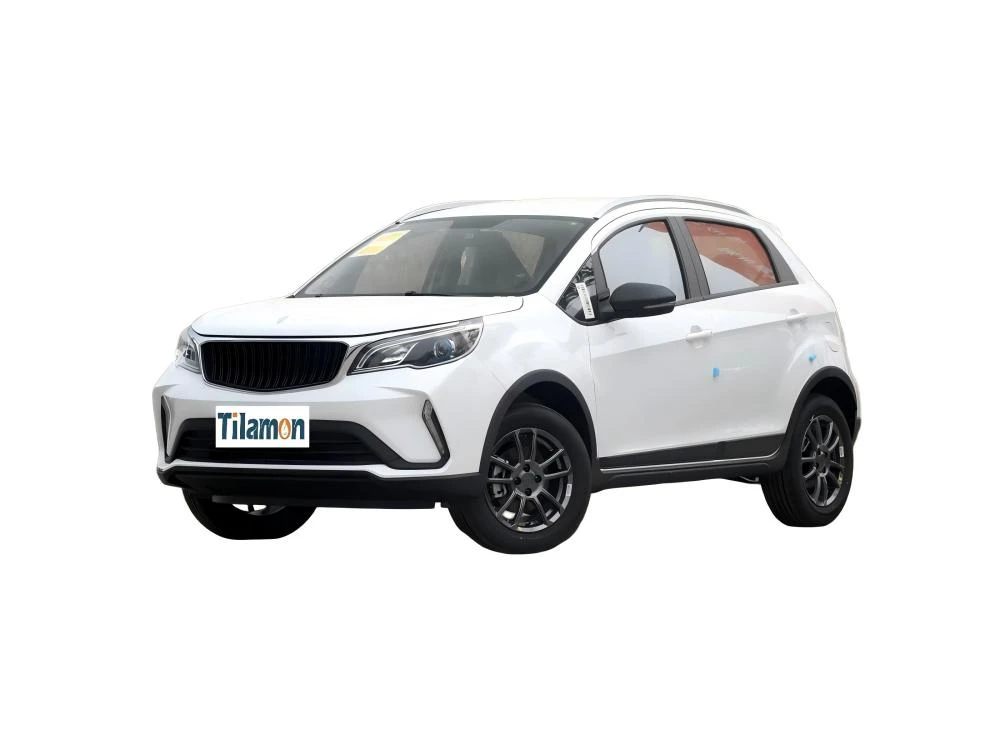
Vietnam's automotive market is experiencing a seismic shift, driven by rapid urbanization in Hanoi and Ho Chi Minh City. The high humidity and tropical climate demand vehicles with robust thermal management systems, making the demand for a high-quality new energy ev surge as consumers seek efficiency over traditional fuel consumption.

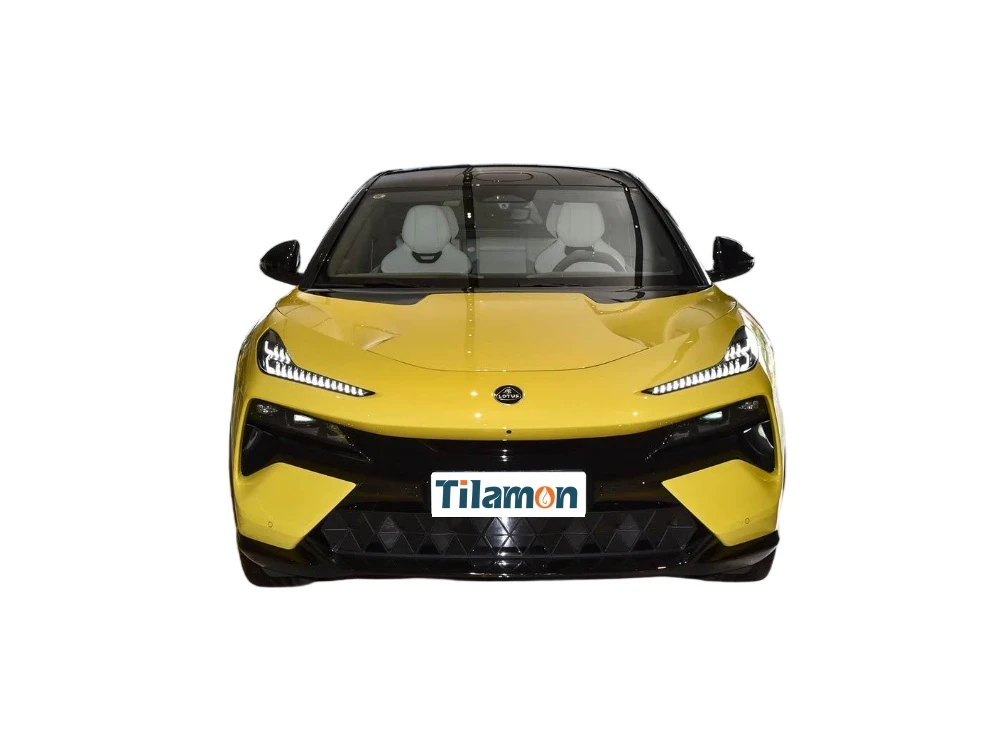
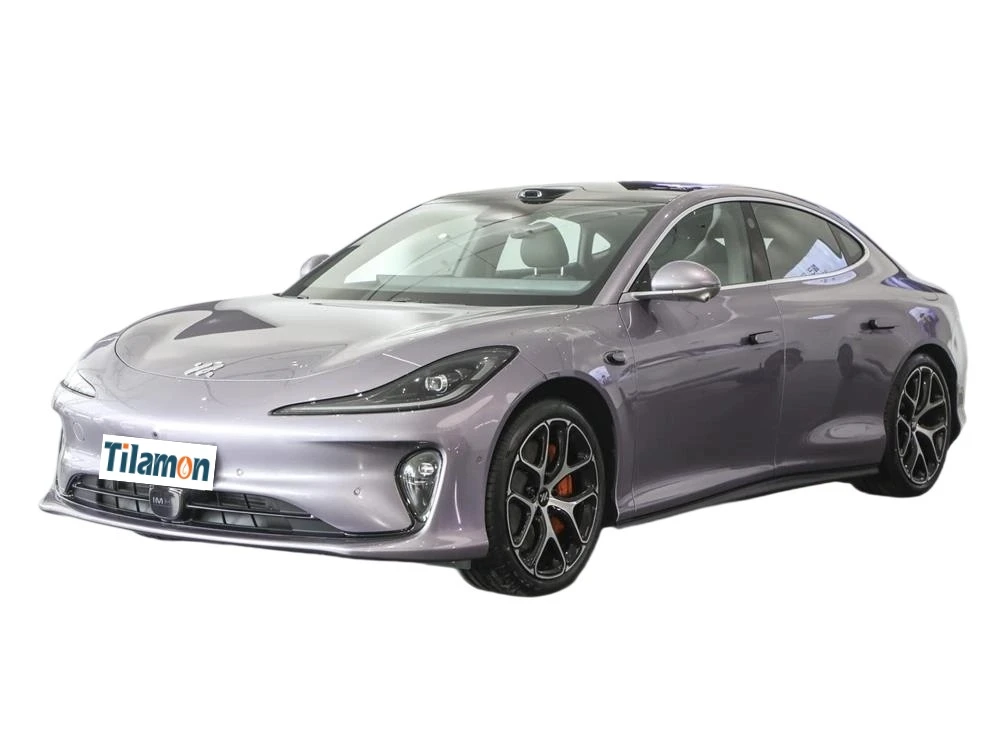
Economic growth has increased the purchasing power of the middle class, leading to a dual-market trend. While there is a strong appetite for the latest new chinese ev models known for their smart cockpits, there is also a pragmatic secondary market for affordable transport.

Current infrastructure challenges, such as charging station density, are being countered by government incentives. This environment has created a unique niche for both premium electric cars and a reliable market for secondhand vehicle options to bridge the accessibility gap.
Evolution of Vietnam's Automotive Tech

From traditional combustion to the era of intelligent electrification.

Market Development History

From 2010 to 2018, the Vietnamese market was dominated by Internal Combustion Engine (ICE) imports. The focus was purely on durability and fuel economy, with very little emphasis on emissions control.

Between 2019 and 2022, the "Electrification Awakening" occurred. Local assembly plants began integrating Battery Electric Vehicle (BEV) platforms, shifting the technical focus toward lithium-ion battery density and power electronics.

Since 2023, the market has entered the "Smart Integration" phase. The arrival of diverse 2 nd hand cars with hybrid powertrains has normalized the transition, while new manufacturing standards emphasize AI-driven energy management.

Future Development Trends

Solid-State Battery Integration

Over the next 3 years, we expect a shift toward solid-state batteries to handle Vietnam's extreme heat more safely than current liquid electrolytes.

V2G (Vehicle-to-Grid) Infrastructure

Future urban planning in Vietnam will likely incorporate V2G technology, allowing electric fleets to stabilize the national power grid during peak hours.

Circular Economy for Batteries

A structured ecosystem for battery recycling and second-life applications will emerge to reduce the environmental footprint of the EV lifecycle.

Industry Trends and Future Outlook

Strategizing the next decade of automotive manufacturing for the Vietnamese market.

AI-Driven Energy Optimization
Implementing machine learning to optimize battery discharge based on Vietnam's specific traffic patterns and idling times.
Hyper-Localized Manufacturing
Developing local supply chains for battery components to reduce import costs and lead times for the domestic market.
Modular Chassis Platforms
Adopting scalable chassis that allow easy transition between commercial delivery vans and passenger cars.
Advanced Battery Diagnostics
Developing cloud-based health monitoring to increase the resale value of electric vehicles in the used market.

Industry Outlook

Based on Google Search Trends, there is a significant increase in queries regarding "EV charging networks in Vietnam" and "electric car maintenance." This indicates a shift from curiosity to active ownership, signaling a robust growth phase for the automotive manufacturing sector.

We predict that within 5 years, the integration of autonomous driving features tailored for dense Asian urban environments will become a standard competitive requirement for all new energy platforms entering the region.

Localized Application Scenarios in Vietnam

Tailoring electric mobility to the specific needs of the Vietnamese lifestyle and economy.

01. Urban Last-Mile Logistics

Utilizing compact electric vans for navigating the narrow "hems" (alleys) of Hanoi, reducing noise pollution and zero-emission delivery in residential zones.

02. Tourism Fleet Electrification

Deploying luxury electric shuttles in Da Nang and Ha Long Bay to preserve the natural environment while providing a premium, silent experience for tourists.

03. Corporate Commuter Solutions

Implementation of company-owned EV fleets for tech parks in Ho Chi Minh City, integrating corporate charging hubs to lower operational costs.

04. Ride-Hailing Transition

Converting traditional taxi fleets to electric models to capitalize on lower fuel costs and government green-transport subsidies.

05. Sustainable Rural Transit

Developing rugged, high-clearance electric vehicles for agricultural transport in the Mekong Delta, focusing on waterproof battery housing.

Brand Story

Global Development Journey of Shijiazhuang Zhenming Chemical Co., Ltd.

Foundational Excellence

Established with a core focus on high-purity chemical engineering, providing the essential raw materials for advanced industrial coatings.

Pivot to Automotive Materials

Recognizing the EV boom, we shifted our R&D toward specialized electrolytes and thermal interface materials for battery packs.

Global Expansion Strategy

Entering the Southeast Asian market, focusing on adapting chemical compositions to withstand tropical climates in regions like Vietnam.

Sustainable Innovation

Launching a line of biodegradable and recyclable polymers to help automotive manufacturers meet stringent global ESG targets.

Future Ecosystem Vision

Building a closed-loop system where chemical expertise supports the entire vehicle lifecycle from production to battery recycling.

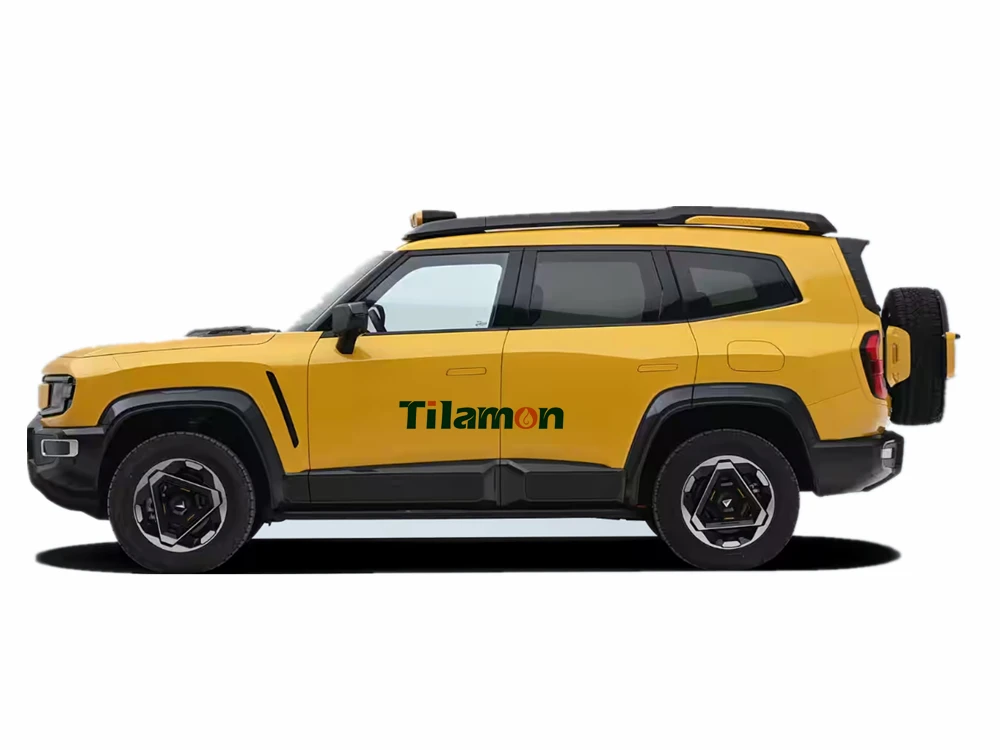
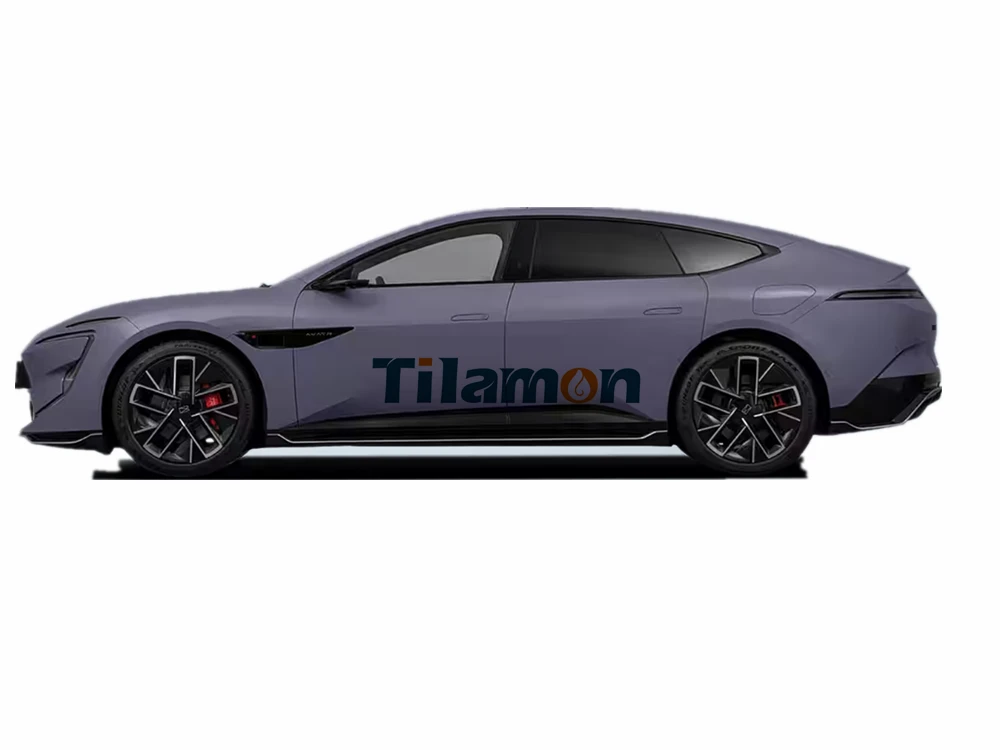
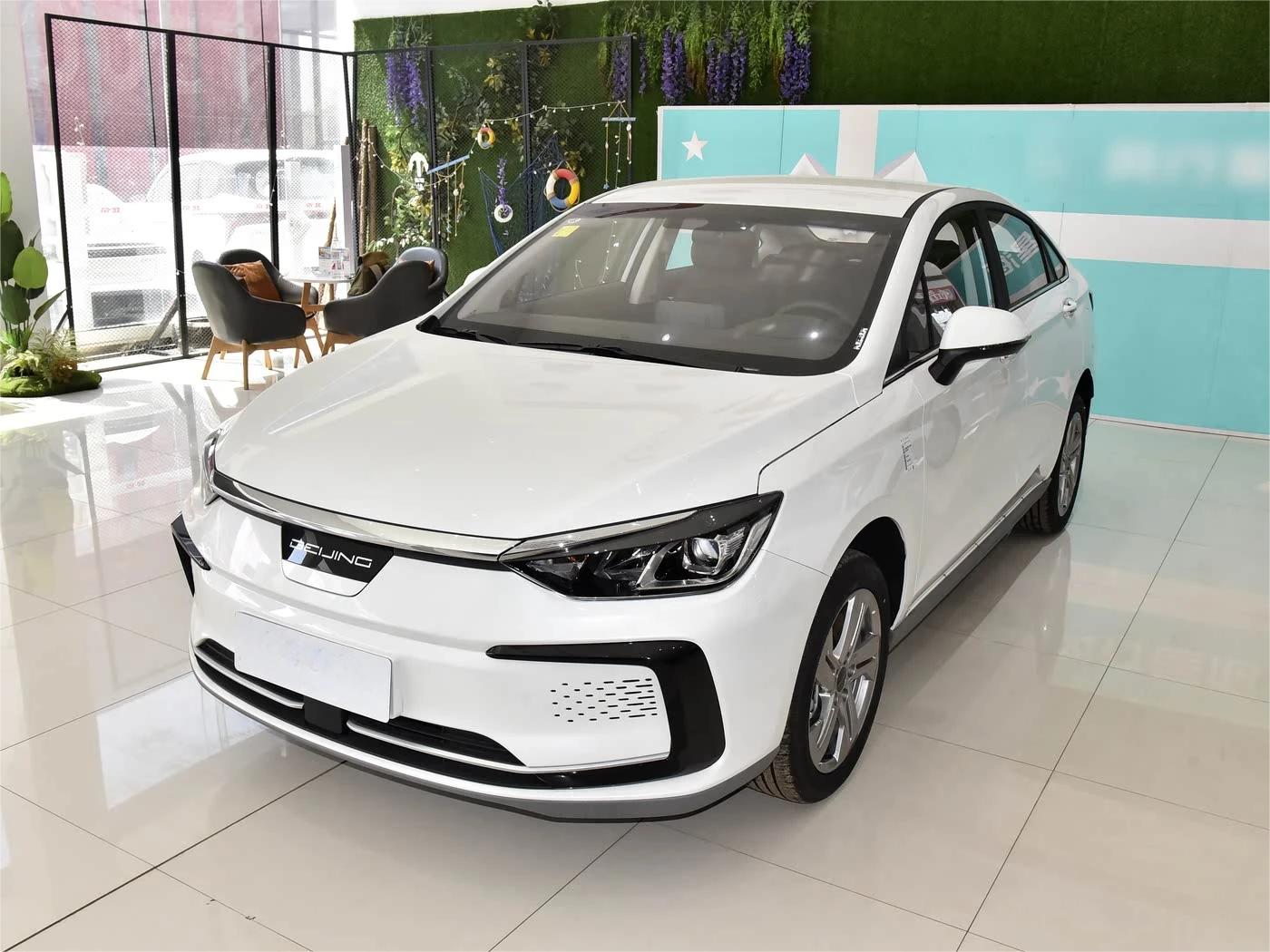
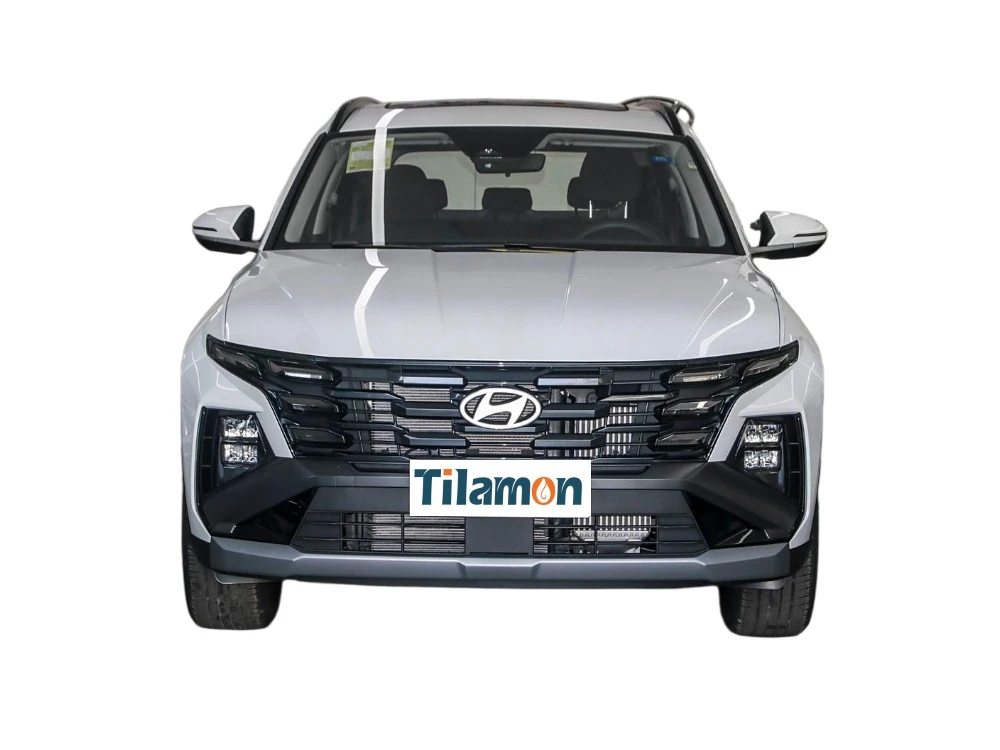
Comprehensive Vehicle Portfolio for Vietnam

From cutting-edge new energy platforms to certified pre-owned options.

Vietnam EV & Automotive FAQ

Expert answers to the most common questions regarding electric mobility in the region.

What are the benefits of choosing a new chinese ev in Vietnam?

Chinese EVs offer a superior balance of smart technology, battery range, and price, making them highly competitive in the Vietnamese urban market.

How does the climate in Vietnam affect new energy ev battery life?

High temperatures can accelerate battery degradation. We recommend vehicles with advanced liquid cooling systems to ensure longevity in tropical weather.

Is it safe to buy a secondhand vehicle with an electric powertrain?

Yes, provided you have a certified Battery Health Report (SOH). We provide rigorous diagnostics for all our pre-owned electric models.

What should I look for when purchasing 2 nd hand cars in Ho Chi Minh City?

Check for flood damage due to seasonal rains and verify the battery cycle count to ensure the vehicle still meets your daily range needs.

Are there government incentives for new energy vehicle buyers in Vietnam?

Vietnam offers several registration fee reductions and tax incentives to encourage the transition to zero-emission transport.

How often does a new energy vehicle need maintenance compared to ICE cars?

EVs have significantly fewer moving parts, meaning lower maintenance frequency. Focus is primarily on tires, brakes, and battery software updates.

Ready to Transition to Green Mobility?

Contact our specialist team today to find the perfect electric mobility solution for your business or personal use in Vietnam.

Contact Us Now

If you are interested in our products, you can choose to leave your information here, and we will be in touch with you shortly.