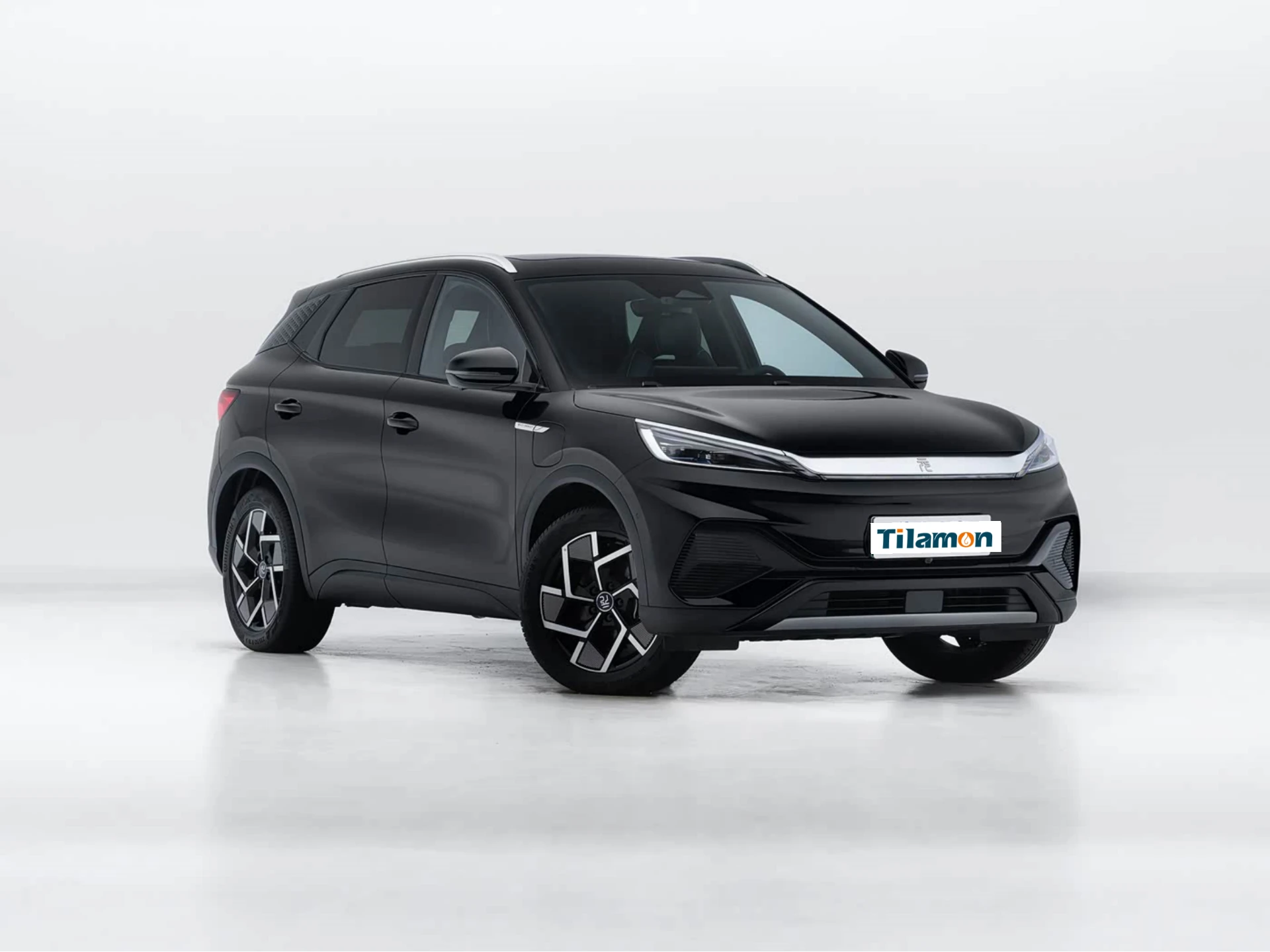
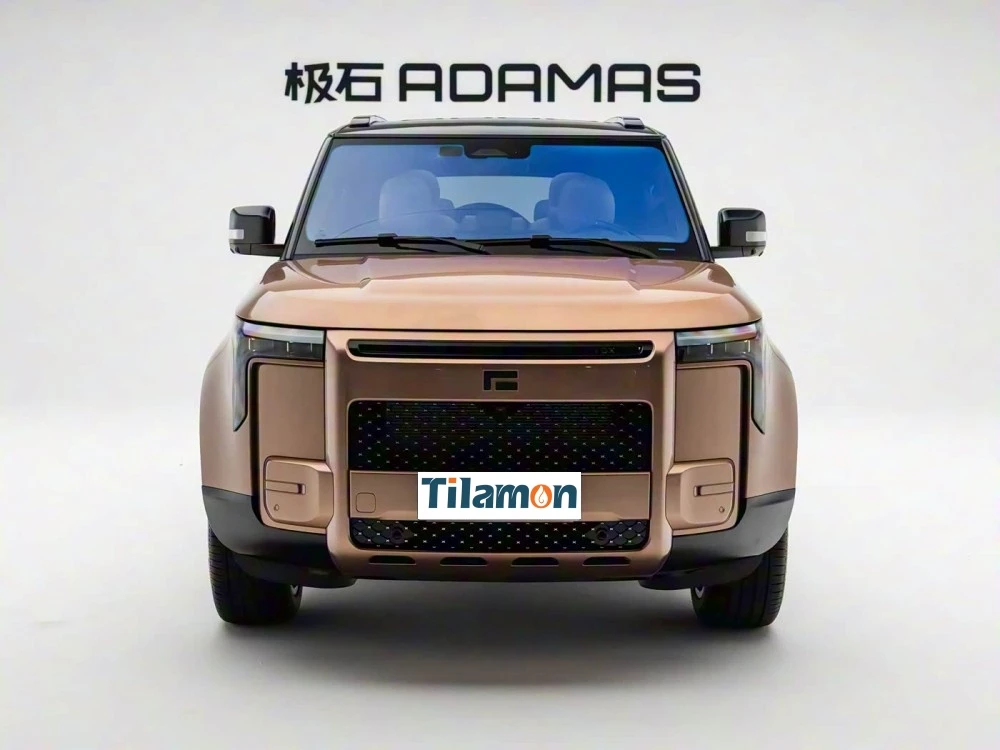
Sustainable Mobility Solutions for Ecuador: new energy vehicle

Driving Ecuador's green revolution through high-performance Chinese automotive engineering and sustainable transport ecosystems.

Sustainable Mobility Solutions for Ecuador: new energy vehicle

Integrating advanced electric powertrains and sustainable logistics to modernize the Ecuadorian transport landscape with cutting-edge technology.

The Current State of Ecuadorian Automotive Market

Analyzing the shift from combustion to electricity in the Andes.

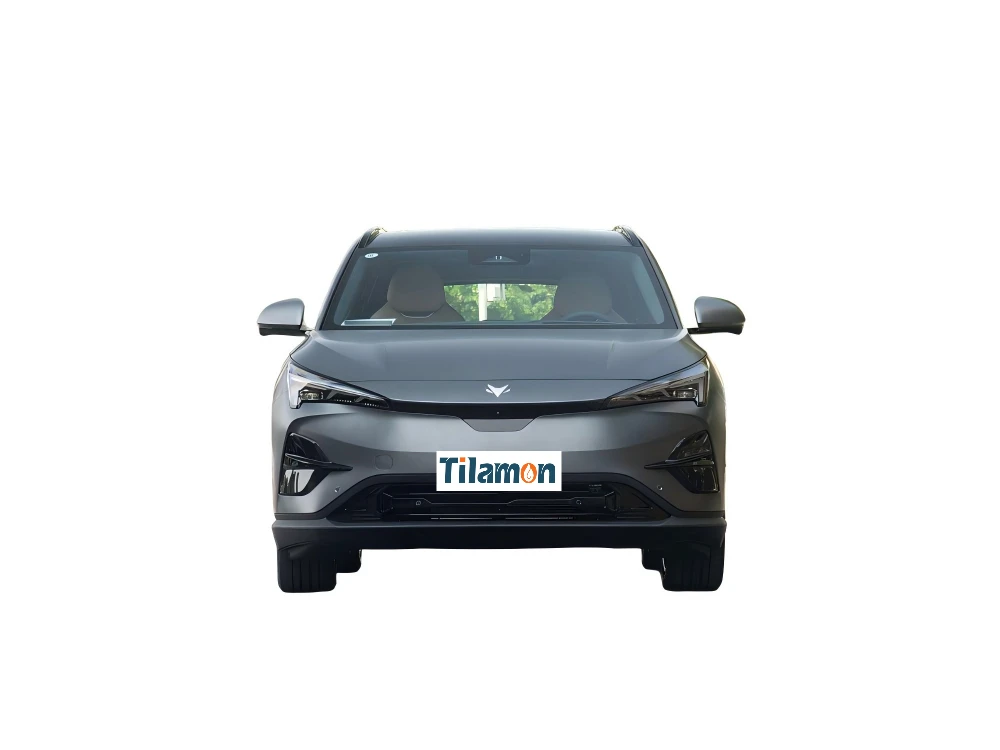
Ecuador's unique geography, characterized by the steep Andes mountains and coastal humidity, has historically demanded rugged internal combustion engines. However, the rise of the new chinese ev has introduced a paradigm shift, offering the torque necessary for high-altitude driving while reducing urban pollution in cities like Quito and Guayaquil.

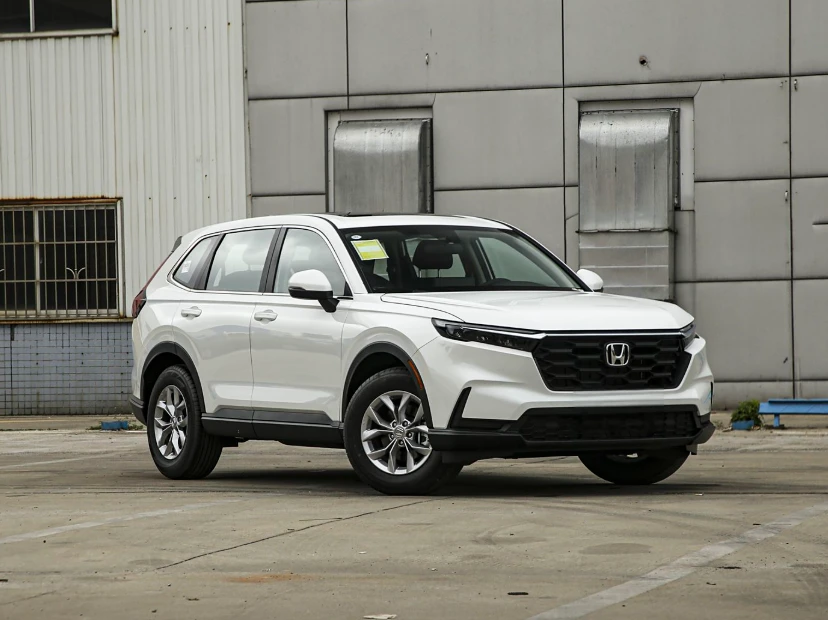
Economic shifts are driving consumers toward more flexible ownership models. While new models are gaining traction, there is a significant growing demand for a reliable secondhand vehicle market that provides affordable entry points into modern automotive technology for the middle class.

Currently, the integration of a new energy ev is supported by government incentives aimed at reducing carbon footprints, yet the infrastructure for charging remains concentrated in urban hubs, creating a gap that new manufacturing standards are now filling.
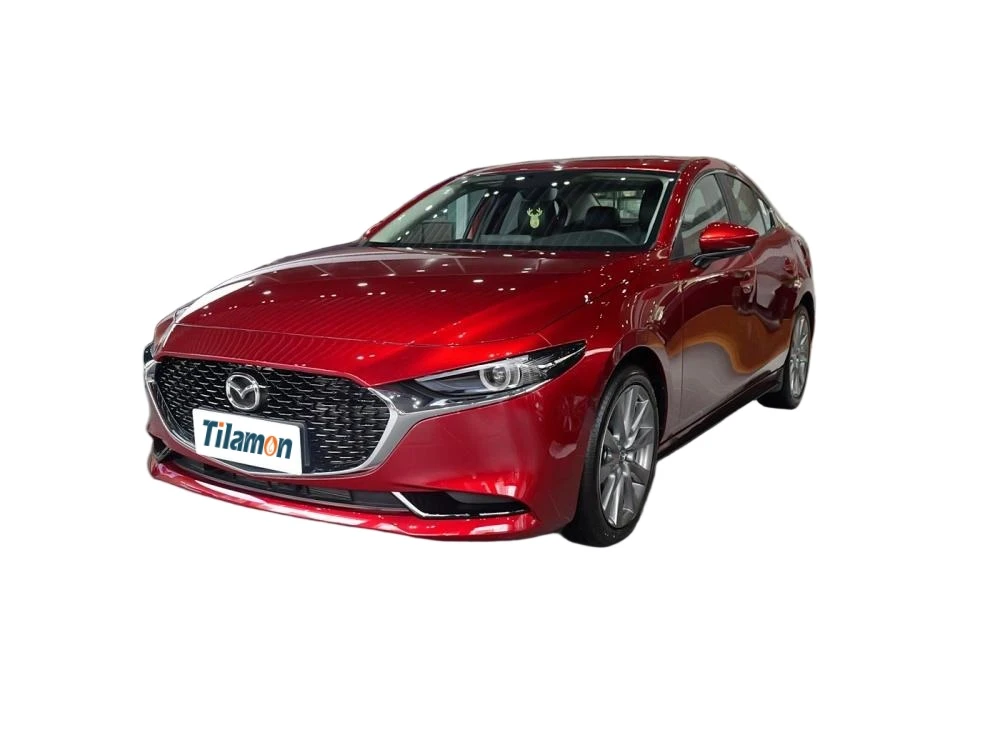
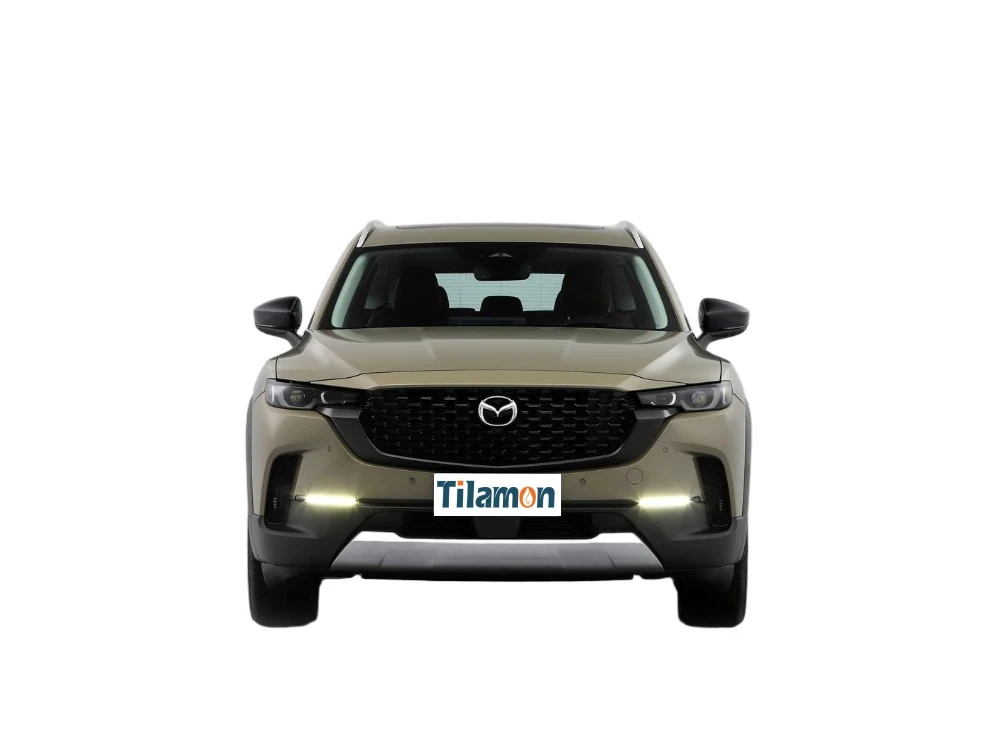
Evolution and Trajectory of Ecuador's Auto Industry

From traditional mechanical assembly to intelligent electric mobility.

Market Development History

Between 2000 and 2015, the Ecuadorian market was dominated by traditional ICE vehicles and a fragmented market of 2 nd hand cars, with limited focus on emissions and high dependence on imported fuel technology.

From 2016 to 2021, the "Energy Transition" phase began. The introduction of hybrid technologies laid the groundwork for consumers to trust electrified powertrains, shifting the focus toward efficiency and lower operational costs for commercial fleets.

Since 2022, the market has entered the "Full Electrification" era. The arrival of high-capacity batteries and intelligent software from China has made the new energy vehicle a viable primary car for both urban and inter-city travel.

Future Development Trends

Battery Swap Integration

To overcome the Andean charging challenge, we predict a shift toward battery swapping stations to ensure zero downtime for commercial logistics.

Circular Economy Focus

The emergence of certified refurbishment centers will professionalize the secondhand vehicle sector, extending the lifecycle of EV batteries.

AI-Driven Fleet Management

Integration of 5G and AI will allow Ecuadorian fleet operators to optimize energy consumption based on real-time altitude and terrain data.

Industry Trends and Future Outlook

Forecasting the next 5 years of automotive innovation in South America.

Infrastructure Expansion
Rapid deployment of DC fast-charging networks along the Pan-American Highway to support long-distance EV travel.
LFP Battery Adoption
Increased use of Lithium Iron Phosphate (LFP) batteries for better thermal stability in varying Andean climates.
Smart Grid V2G
Implementing Vehicle-to-Grid (V2G) systems to stabilize the Ecuadorian power grid during peak hours.
Digital Trade Platforms
Transitioning to blockchain-verified histories for the 2 nd hand cars market to ensure transparency.

Industry Outlook

Google search trends indicate a 150% increase in queries related to "electric car charging Quito" and "EV tax incentives Ecuador," signaling a massive shift in consumer intent toward green mobility.

The future belongs to integrated ecosystems where the vehicle is not just a transport tool, but a mobile energy storage unit, aligning with Ecuador's commitment to the Paris Agreement on climate change.

Localized Applications for Ecuador

Tailoring EV technology to the diverse Ecuadorian environment.

1. High-Altitude Urban Logistics

Deployment of new energy ev vans for last-mile delivery in Quito, leveraging regenerative braking to recover energy during steep mountain descents.

2. Coastal Tourism Shuttles

Utilizing solar-integrated electric buses in Galápagos and coastal resorts to protect fragile ecosystems from exhaust emissions.

3. Corporate Fleet Electrification

Transitioning government and corporate fleets to a mix of new and certified secondhand vehicle options to lower the total cost of ownership (TCO).

4. Rural Agri-Transport

Adapting heavy-duty electric pickups for the cocoa and banana plantations, reducing fuel costs for small-scale farmers.

5. Smart Taxi Networks

Implementing a city-wide new energy vehicle taxi initiative in Guayaquil to reduce urban smog and noise pollution.

Brand Story

Global Development History of Shijiazhuang Zhenming Chemical Co., Ltd.

Foundational Excellence

Established with a focus on high-purity chemical materials, we began our journey by optimizing the raw materials essential for industrial manufacturing.

Technological Pivot

Recognizing the shift toward sustainability, we pivoted our R&D to support the polymers and electrolytes required for modern EV batteries.

Global Expansion

We expanded our reach into South America, establishing a supply chain that ensures high-quality automotive components reach Ecuador efficiently.

Sustainable Integration

By partnering with leading manufacturers, we solved the pain point of material durability in extreme climates, enhancing EV lifespan.

Future Vision

Today, we aim to lead the transition to zero-emission transport through innovative material science and strategic global partnerships.

Ecuadorian EV Market FAQ

Common questions regarding the adoption of new energy vehicles in Ecuador.

What are the benefits of buying a new chinese ev in Ecuador?

Chinese EVs offer superior battery technology, competitive pricing, and high torque, which is essential for navigating Ecuador's mountainous terrain.

How does the value of a secondhand vehicle hold up in the electric market?

With standardized battery health certifications, the resale value of EVs is stabilizing, making them a safer investment than older ICE cars.

Is the infrastructure ready for a new energy ev in Quito?

Yes, Quito is seeing a rapid increase in fast-charging stations, and most new models support home-charging installations.

What should I check when buying 2 nd hand cars with electric motors?

Prioritize the State of Health (SOH) report of the battery and check the history of software updates and charging cycles.

Are there tax exemptions for a new energy vehicle in Ecuador?

Ecuador offers various import duty reductions and circulation tax exemptions for zero-emission vehicles to promote green mobility.

How do I maintain a new energy vehicle in coastal humidity?

Ensure that the chassis is treated with anti-corrosive coatings and follow the manufacturer's guidelines for battery thermal management.

Ready to Transform Your Fleet?

Contact our experts today to discover the best mobility solutions tailored for Ecuador.

Contact Us Now

If you are interested in our products, you can choose to leave your information here, and we will be in touch with you shortly.