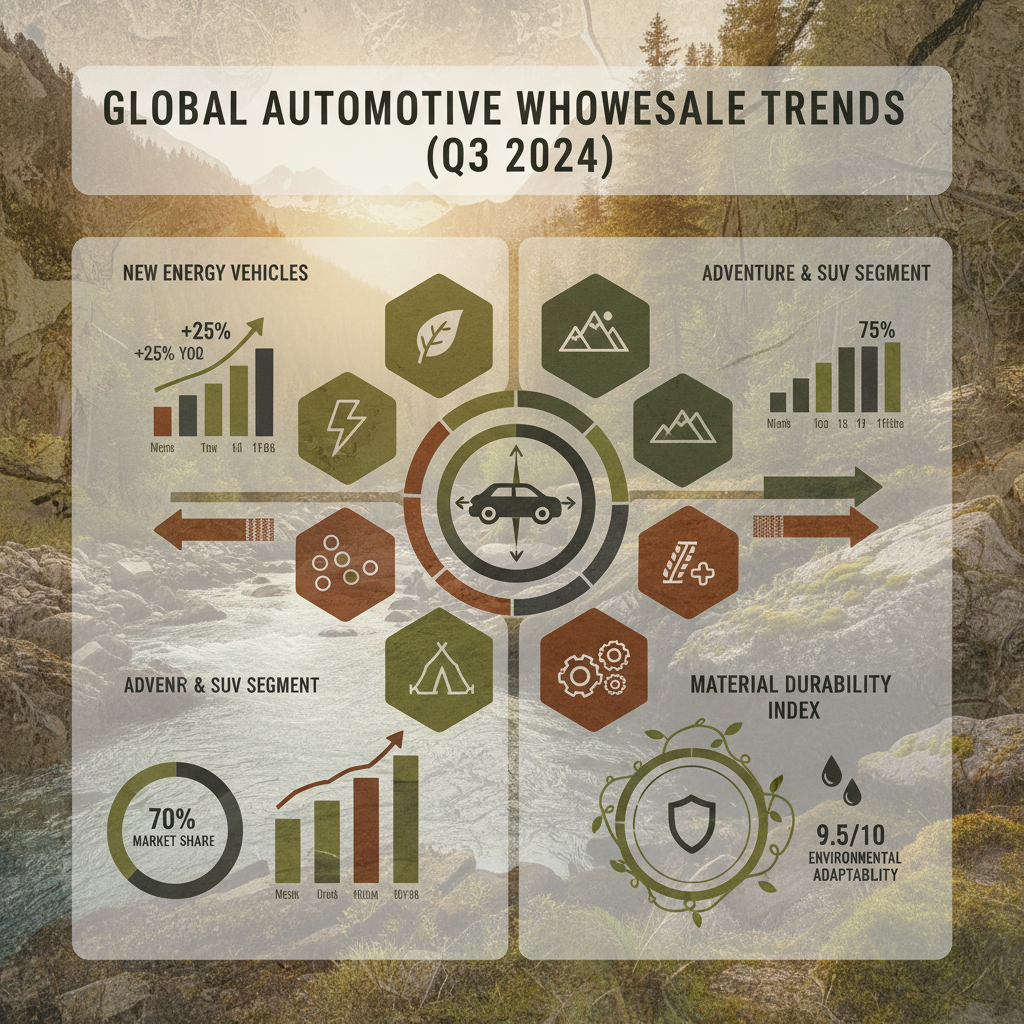
The global automotive industry is a massive and complex ecosystem, with new car wholesale forming a crucial, yet often unseen, component. This process involves the bulk sale of vehicles from manufacturers to dealerships, or increasingly, directly to fleet buyers or export markets. Understanding new car wholesale is vital for automotive businesses aiming for efficiency and profitability, and for economists tracking industry trends. Its impact extends beyond financial considerations, influencing production planning, logistics, and ultimately, consumer access to vehicles.
The demand for new car wholesale is inherently tied to overall economic conditions and consumer confidence. Global events, fluctuating fuel prices, and government incentives all play a significant role in shaping wholesale volumes. Recent supply chain disruptions, highlighted by semiconductor shortages, have dramatically impacted the availability of new vehicles, forcing manufacturers and dealerships to adapt their wholesale strategies. The efficiency of the new car wholesale process directly influences vehicle pricing and availability for end consumers.
Effective new car wholesale isn’t just about moving volume; it's about optimizing the entire supply chain, minimizing costs, and ensuring a smooth flow of vehicles from factory to showroom. This requires sophisticated logistics, strong relationships between manufacturers and dealers, and a deep understanding of market dynamics. As the automotive landscape evolves with the rise of electric vehicles and new mobility models, the strategies surrounding new car wholesale must also evolve to remain competitive.
The Importance of New Car Wholesale
New car wholesale acts as the engine driving the automotive retail market. Without an efficient wholesale process, dealerships would struggle to maintain adequate inventory, respond to consumer demand, and remain profitable. It’s the critical link between manufacturing output and consumer accessibility. A streamlined wholesale operation minimizes delays, reduces storage costs, and allows for faster market response to changing trends.
Furthermore, a robust new car wholesale network fosters a competitive landscape. Dealers with access to competitive wholesale pricing can offer more attractive deals to consumers, stimulating sales and driving growth across the entire industry. This competition also encourages manufacturers to innovate and improve their production processes, ultimately benefiting both businesses and customers.
Defining New Car Wholesale
New car wholesale refers to the sale of vehicles in bulk quantities from automotive manufacturers directly to dealerships, fleet purchasers, or export distributors. Unlike retail sales which involve individual transactions with consumers, wholesale focuses on large-volume orders. These transactions typically occur at a discounted price compared to retail, reflecting the scale of the purchase. The key element is the transfer of ownership in substantial quantities.
This process isn’t limited to finished vehicles. It also encompasses the wholesale of parts and accessories destined for dealer service departments. In essence, new car wholesale encompasses all bulk sales originating directly from the manufacturer or a manufacturer-authorized distributor.
Understanding the nuances of new car wholesale is essential for navigating the automotive supply chain. It’s a critical process that impacts everything from production planning to inventory management and ultimately influences the prices consumers pay.
Key Factors in New Car Wholesale
Several key factors influence the success of new car wholesale operations. Logistics and Transportation are paramount. Efficiently moving large volumes of vehicles from manufacturing plants to dealerships requires a sophisticated logistics network, including rail, trucking, and port facilities. The cost and reliability of transportation directly impact wholesale pricing.
Inventory Management is another critical aspect. Manufacturers and dealerships must accurately forecast demand to avoid overstocking or stockouts. Sophisticated inventory management systems, utilizing data analytics and predictive modeling, are essential for optimizing stock levels and minimizing storage costs.
Financial Terms and Credit Lines play a crucial role. Manufacturers often offer financing options to dealerships to facilitate wholesale purchases. Attractive credit terms and competitive interest rates can significantly influence a dealer's purchasing decisions. Relationship Management between manufacturers and dealerships is vital. Strong relationships built on trust and open communication foster collaboration and facilitate smoother transactions. Finally, Market Analysis and Forecasting allows for proactive adjustments to wholesale strategies based on changing market conditions and consumer preferences.
Global Applications of New Car Wholesale
New car wholesale is a global phenomenon, with regional variations in practices and strategies. In North America, a well-established network of dealerships and robust transportation infrastructure supports a highly efficient wholesale system. Europe sees a greater emphasis on direct sales to fleet buyers, particularly for commercial vehicles.
Emerging markets, like those in Asia and South America, often present unique challenges. Infrastructure limitations, complex import regulations, and varying consumer preferences require manufacturers to tailor their wholesale approaches. New car wholesale in these regions often involves establishing partnerships with local distributors and navigating intricate logistical hurdles.
In post-disaster relief operations, efficient new car wholesale can facilitate the rapid deployment of vehicles for emergency services and humanitarian aid organizations. In remote industrial zones, ensuring a steady supply of work vehicles relies heavily on streamlined wholesale logistics.
New Car Wholesale Efficiency by Method
Advantages and Long-Term Value
The advantages of optimized new car wholesale are multifaceted. Cost Savings are a primary benefit, stemming from volume discounts, efficient logistics, and reduced inventory holding costs. This translates to improved profitability for both manufacturers and dealerships. Increased Market Reach is another key advantage, enabling manufacturers to penetrate new markets and expand their customer base.
Beyond the financial aspects, a reliable wholesale network contributes to Enhanced Customer Satisfaction by ensuring vehicle availability and faster delivery times. This fosters brand loyalty and positive word-of-mouth marketing. Furthermore, sustainable wholesale practices, such as optimizing transportation routes and reducing packaging waste, contribute to a Reduced Environmental Footprint.
Future Trends in New Car Wholesale
The future of new car wholesale is poised for significant transformation driven by technological advancements and evolving consumer preferences. Digitalization will play a pivotal role, with online wholesale platforms streamlining transactions and improving transparency. Data Analytics and AI will enable more accurate demand forecasting, optimized inventory management, and personalized pricing strategies.
The rise of Electric Vehicles (EVs) will necessitate adjustments to wholesale logistics, including specialized transportation and charging infrastructure. Direct-to-Consumer (DTC) Models are also gaining traction, with manufacturers exploring ways to bypass traditional dealerships and sell directly to customers, impacting the conventional wholesale landscape.
Challenges and Solutions in New Car Wholesale
Despite its importance, new car wholesale faces several challenges. Supply Chain Disruptions, as experienced during the recent semiconductor shortage, can severely impact vehicle availability and inflate wholesale prices. Logistics Complexities, particularly in emerging markets, can hinder efficient transportation and increase costs.
Fluctuating Demand and inaccurate forecasting can lead to overstocking or stockouts. To mitigate these challenges, manufacturers and dealerships are investing in Supply Chain Diversification, strengthening relationships with multiple suppliers. Implementing Advanced Analytics and Real-Time Inventory Tracking helps optimize stock levels and respond to changing demand. Embracing Digital Wholesale Platforms improves transparency and streamlines transactions.
A Comparative Analysis of Key New Car Wholesale Challenges and Mitigation Strategies
| Challenge |
Impact Level (1-10) |
Mitigation Strategy |
Implementation Cost (1-10) |
| Supply Chain Disruptions |
9 |
Supplier Diversification & Regional Sourcing |
7 |
| Logistics Inefficiencies |
8 |
Optimized Transportation Routes & Multimodal Transport |
6 |
| Demand Forecasting Errors |
7 |
Advanced Analytics & Real-Time Data Integration |
8 |
| Inventory Management Issues |
6 |
Just-in-Time Inventory & Dynamic Stock Adjustments |
5 |
| Geopolitical Risks |
7 |
Strategic Partnerships & Risk Mitigation Planning |
6 |
| Rising Transportation Costs |
8 |
Negotiated Freight Rates & Fuel Efficiency Initiatives |
4 |
FAQS
Streamlining new car wholesale delivers significant advantages including reduced costs through volume discounts and efficient logistics, increased profitability for both manufacturers and dealerships, and improved market reach by facilitating faster and more reliable vehicle distribution. A smoother process also leads to greater customer satisfaction due to quicker delivery times and better vehicle availability.
Supply chain disruptions, like the recent semiconductor shortage, directly impact new car wholesale prices by limiting vehicle production. Reduced supply coupled with consistent demand leads to increased prices at the wholesale level, which are often passed on to consumers. This can also create longer lead times and difficulties in securing specific vehicle models.
Data analytics is crucial for optimizing new car wholesale. It enables manufacturers and dealerships to accurately forecast demand, manage inventory levels, personalize pricing strategies, and identify potential supply chain bottlenecks. Real-time data integration provides valuable insights for making informed decisions and adapting to changing market conditions.
Direct-to-consumer (DTC) models are challenging the traditional new car wholesale structure by allowing manufacturers to bypass dealerships and sell directly to customers. This can disrupt established wholesale relationships, reduce dealership revenue, and force manufacturers to re-evaluate their distribution strategies. However, DTC models also offer potential benefits such as increased control over pricing and customer experience.
Mitigating geopolitical risks requires a proactive approach. Strategies include diversifying suppliers to reduce reliance on any single region, establishing strategic partnerships with local distributors in key markets, implementing robust risk mitigation planning, and closely monitoring geopolitical developments to anticipate potential disruptions. Building redundancy into the supply chain is also essential.
Technology significantly improves transparency through digital wholesale platforms that provide real-time visibility into inventory levels, pricing, and order status. Blockchain technology can enhance traceability and ensure the authenticity of vehicle data. Data sharing and collaboration tools enable manufacturers and dealerships to communicate more effectively and resolve issues quickly.
Conclusion
In conclusion, new car wholesale is a cornerstone of the global automotive industry, facilitating the efficient flow of vehicles from manufacturers to consumers. Understanding its key factors, global applications, and future trends is crucial for businesses seeking to thrive in this dynamic landscape. Optimized wholesale operations lead to cost savings, increased market reach, and enhanced customer satisfaction, ultimately driving industry growth and innovation.
Looking ahead, embracing digitalization, data analytics, and sustainable practices will be essential for navigating the challenges and capitalizing on the opportunities presented by evolving consumer preferences and geopolitical shifts. For more information on how to optimize your new car wholesale strategy, visit our website at www.tilamoncars.com.