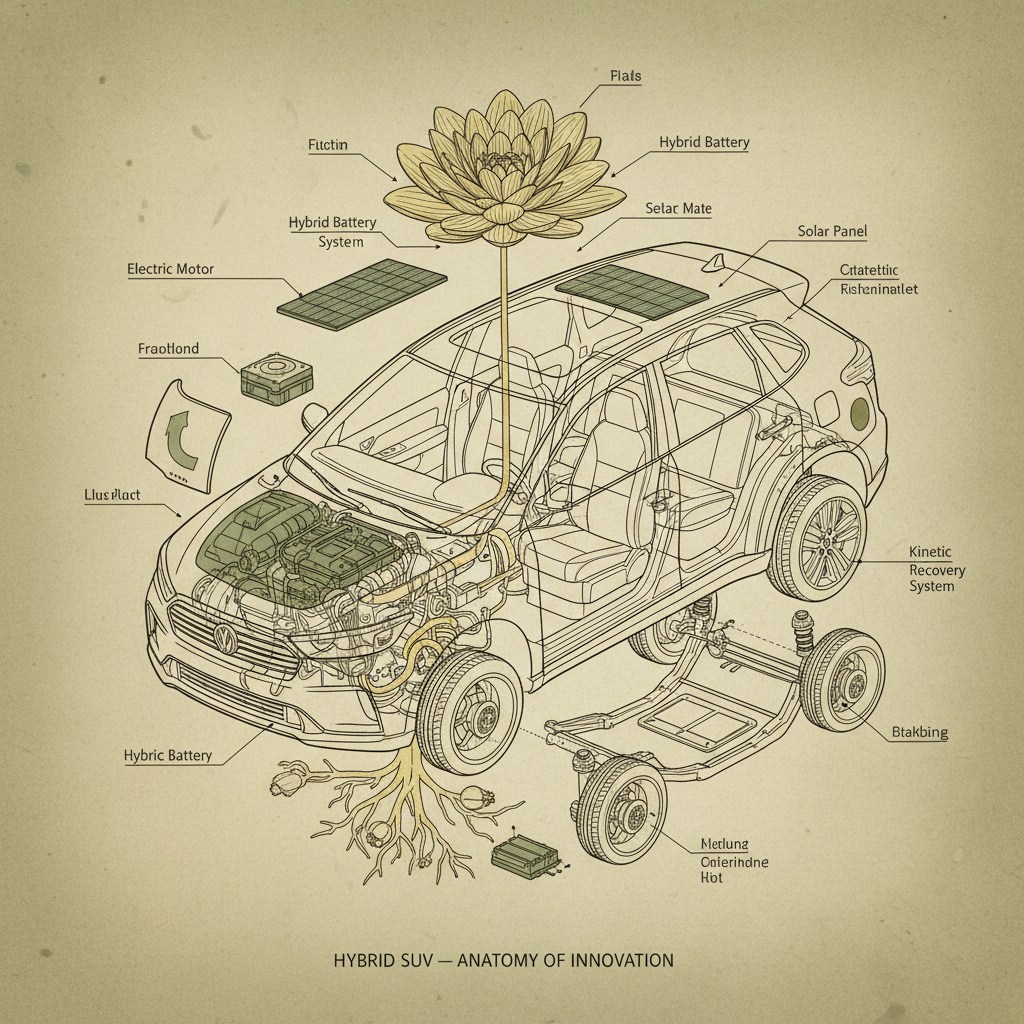
The automotive industry is a cornerstone of global economies, and the availability of a new car for sale directly impacts transportation, employment, and technological advancement. From personal mobility to commercial logistics, new vehicles are essential for modern life. Understanding the factors influencing the new car market – from manufacturing innovations to consumer demands – is critical for businesses, policymakers, and individuals alike. A thriving new car for sale market signifies economic health and offers access to safer, more efficient, and technologically advanced transportation options.
Globally, the demand for new cars fluctuates with economic conditions, fuel prices, and evolving consumer preferences. According to recent reports, despite supply chain disruptions, the automotive industry is experiencing a shift towards electric and hybrid vehicles. The availability of a new car for sale is often a key indicator of consumer confidence and a driver of economic growth. The United Nations Sustainable Development Goals also emphasize the need for sustainable transportation solutions, further influencing the development and sale of eco-friendly vehicles.
The current challenges facing the new car for sale market—including semiconductor shortages and rising material costs—highlight the importance of resilient supply chains and innovative manufacturing techniques. Addressing these challenges and capitalizing on the growing demand for electric vehicles requires collaboration between automakers, governments, and technology providers. Ultimately, easy access to a new car for sale isn't simply about purchasing a vehicle; it's about enabling progress and connectivity.
The Significance of new car for sale
The availability of a new car for sale signifies more than just a transaction; it represents a commitment to mobility, innovation, and economic activity. A robust new car market fuels manufacturing jobs, supports a vast network of dealerships and service centers, and stimulates related industries like insurance and finance. The choice of a new vehicle also impacts a consumer’s lifestyle, safety, and environmental footprint.
The societal importance of readily accessible new car for sale options cannot be overstated. Providing transportation access is crucial for individuals seeking employment, education, and healthcare. Moreover, the continuous development of new car technologies—such as electric vehicles and advanced driver-assistance systems—contributes to a safer and more sustainable transportation future.
Defining new car for sale
Simply put, a "new car for sale" refers to a vehicle that has not been previously owned and is being offered for purchase by an authorized dealer or directly by the manufacturer. These vehicles typically come with a full manufacturer's warranty and represent the latest advancements in automotive technology and safety features. The term encompasses a broad spectrum of vehicles, from compact cars and sedans to SUVs, trucks, and electric vehicles.
In the context of modern industry, a new car for sale is a complex product of sophisticated engineering, advanced manufacturing processes, and a global supply chain. It embodies innovation in areas such as engine efficiency, aerodynamics, and safety systems. The sale of new cars drives investment in research and development, leading to continuous improvements in vehicle performance and environmental impact.
The availability of a wide range of new car for sale options caters to diverse consumer needs and preferences, providing individuals with the freedom and flexibility to choose a vehicle that aligns with their lifestyle and budget. This competitive marketplace encourages automakers to continuously improve their offerings and provide exceptional value to customers.
Core Components Influencing new car for sale
Several core components significantly impact the new car for sale market. Firstly, manufacturing capacity dictates the supply of vehicles, with production levels directly influencing availability and pricing. Secondly, raw material costs – including steel, aluminum, and semiconductors – play a crucial role in determining vehicle production expenses.
Thirdly, regulatory standards, such as emissions requirements and safety regulations, drive technological innovation and affect vehicle design. Fourthly, consumer demand, influenced by economic conditions, fuel prices, and shifting lifestyle preferences, creates market trends and influences vehicle sales. These elements are all intertwined, creating a dynamic market landscape for new car for sale.
Finally, financing options and interest rates profoundly affect the affordability of new vehicles. Attractive financing terms can stimulate demand, while higher interest rates can dampen sales. Therefore, understanding these core components is essential for predicting market trends and making informed decisions in the new car for sale industry.
Key Factors for new car for sale
The price of a new car for sale is a key factor, influenced by factors like model, features, and market demand. However, beyond price, fuel efficiency is increasingly important to consumers, driving demand for hybrid and electric vehicles. Another vital aspect is safety ratings, as consumers prioritize vehicles with advanced safety features and high crash test scores.
Technology and connectivity are also paramount, with features like infotainment systems, smartphone integration, and advanced driver-assistance systems becoming essential selling points. The reliability and warranty offered by the manufacturer provide peace of mind and contribute to consumer confidence.
New Car for Sale Feature Ratings
Global Applications of new car for sale
The need for new car for sale transcends geographical boundaries. In developed nations like the United States and Germany, new cars provide personal mobility and support a vast network of industries. In emerging economies like China and India, increasing disposable incomes are driving a surge in demand for new car for sale, contributing to economic growth and improved transportation infrastructure.
In remote and rural areas, access to a reliable vehicle can be transformative, enabling individuals to access employment, healthcare, and education. Furthermore, commercial fleets of new car for sale are essential for logistics and transportation industries worldwide, facilitating the movement of goods and services.
In post-disaster relief operations, the ability to quickly deploy vehicles is crucial for delivering aid and assistance to affected communities. Governmental and non-profit organizations frequently utilize new car for sale to provide emergency transportation and support essential services in times of crisis.
Advantages of new car for sale
Purchasing a new car for sale offers numerous tangible benefits, including a full manufacturer's warranty, providing peace of mind and reducing the risk of unexpected repair costs. New vehicles also boast the latest safety features and technologies, enhancing driver and passenger protection.
From a long-term perspective, new cars tend to be more fuel-efficient and produce lower emissions, contributing to environmental sustainability. They also offer a more reliable and comfortable driving experience, enhancing the overall quality of life for vehicle owners.
Future Trends in new car for sale
The future of the new car for sale market is being shaped by several key trends. The most prominent is the rapid adoption of electric vehicles (EVs), driven by growing environmental concerns and government incentives. Autonomous driving technology is also poised to revolutionize the automotive industry, promising increased safety and convenience.
Connectivity and data analytics are becoming increasingly important, enabling features like over-the-air software updates and predictive maintenance. Furthermore, the development of sustainable materials and manufacturing processes is gaining momentum, reducing the environmental impact of vehicle production.
Digitalization of the car-buying experience, including online sales and virtual showrooms, is transforming how consumers research and purchase new car for sale. These advancements will collectively reshape the automotive landscape and create new opportunities for innovation and growth.
Challenges and Solutions in the new car for sale Market
One major challenge facing the new car for sale market is the ongoing supply chain disruptions, particularly the shortage of semiconductors. This has led to production delays and increased vehicle prices. Another challenge is the high cost of electric vehicles, which remains a barrier to widespread adoption.
Solutions include diversifying supply chains, investing in domestic semiconductor manufacturing, and providing government incentives to lower the cost of EVs. Developing more efficient battery technology and expanding charging infrastructure are also crucial steps. Addressing these challenges will require collaboration between automakers, governments, and technology providers.
Additionally, ensuring equitable access to new car for sale options, particularly for underserved communities, remains a critical priority. Innovative financing models and targeted incentives can help make vehicle ownership more accessible to all.
Summary of Key Challenges and Solutions
| Challenge |
Impact on new car for sale |
Proposed Solution |
Implementation Timeline |
| Semiconductor Shortage |
Production delays, increased prices |
Diversify supply chains, domestic manufacturing |
Medium-Term (2-3 years) |
| High EV Cost |
Limited EV adoption |
Government incentives, battery technology improvements |
Short-Term (1-2 years) |
| Charging Infrastructure Gaps |
Limited EV usability |
Invest in public charging networks |
Medium-Term (3-5 years) |
| Supply Chain Vulnerabilities |
Production disruptions |
Regionalize sourcing, build redundancy |
Long-Term (5+ years) |
| Rising Material Costs |
Increased vehicle prices |
Explore alternative materials, improve efficiency |
Ongoing |
| Unequal Access to Ownership |
Social inequity |
Innovative financing, targeted incentives |
Short-Term (1-2 years) |
FAQS
The price of a new car for sale is influenced by numerous factors, including the vehicle’s make and model, trim level, added features, current market demand, manufacturer incentives, and location. Economic conditions, such as inflation and interest rates, also play a significant role. Supply chain issues, like semiconductor shortages, can further drive up prices. Ultimately, it's a complex interplay of these elements that determines the final price tag.
To secure the best deal on a new car for sale, research different models and compare prices at multiple dealerships. Consider visiting dealerships at the end of the month or quarter, as they are often eager to meet sales quotas. Be prepared to negotiate, and don't be afraid to walk away if you’re not satisfied with the offered price. Exploring financing options and considering cash rebates can also help lower the overall cost.
With proper maintenance, a new car for sale can typically last between 8 to 12 years or 150,000 to 200,000 miles. However, the actual lifespan depends on various factors, including driving habits, the quality of maintenance, and the vehicle’s make and model. Regular servicing, including oil changes, tire rotations, and brake inspections, can significantly extend a car's lifespan.
Electric vehicles are becoming an increasingly attractive investment. While the initial purchase price may be higher, EVs offer significant long-term savings due to lower fuel and maintenance costs. Government incentives and tax credits can further reduce the overall cost of ownership. Moreover, EVs contribute to a cleaner environment by producing zero tailpipe emissions.
When considering a new car for sale, carefully review the warranty terms. A comprehensive warranty should cover major components such as the engine, transmission, and drivetrain for a reasonable period (e.g., 3 years/36,000 miles or 5 years/60,000 miles). Pay attention to what is not covered, such as normal wear and tear items. Also, understand the process for filing a warranty claim.
Financing significantly impacts the total cost of a new car for sale. The interest rate, loan term, and down payment all influence the monthly payments and the total amount paid over the life of the loan. A lower interest rate and a larger down payment will result in lower monthly payments and less interest paid overall. Consider getting pre-approved for a loan before visiting a dealership to negotiate better terms.
Conclusion
In conclusion, the new car for sale market is a dynamic and multifaceted industry with profound implications for global economies and individual lifestyles. From technological advancements to evolving consumer preferences, a range of factors influence the availability, affordability, and sustainability of new vehicles. Understanding these dynamics is crucial for stakeholders across the automotive value chain.
Looking ahead, the future of the new car for sale market will be shaped by ongoing innovation in electric vehicle technology, autonomous driving systems, and sustainable manufacturing practices. By embracing these advancements and addressing the challenges of supply chain resilience and equitable access, we can unlock the full potential of the automotive industry and create a more efficient, sustainable, and inclusive transportation future. Visit our website at Tilamon Cars to explore our current inventory and find the perfect vehicle for your needs.