The automotive industry is a cornerstone of global economies, with the sale of new vehicles driving innovation, employment, and infrastructure development. Understanding the dynamics of a new vehicle for sale market – from manufacturing to consumer trends – is crucial for investors, policymakers, and individuals alike. The demand for efficient, safe, and sustainable transportation continues to grow, fueling a constant evolution in vehicle technology and design.
Globally, the new vehicle market is a multi-trillion-dollar industry, heavily influenced by factors like economic growth, fuel prices, and government regulations. Recent data from the International Organization of Motor Vehicle Manufacturers (OICA) indicates a recovery in new vehicle sales following pandemic-related disruptions, but supply chain challenges and geopolitical instability continue to pose significant hurdles. Successfully navigating this complex landscape requires a deep understanding of current trends and future projections.
Access to reliable and affordable transportation, facilitated by a robust new vehicle for sale market, is fundamental to modern society. It empowers individuals with economic opportunities, connects communities, and supports essential services. The transition towards electric vehicles (EVs) and autonomous driving technologies promises to further revolutionize the industry, offering potentially transformative benefits.
The Global Significance of new vehicle for sale
The global market for new vehicle for sale is a major economic driver, impacting manufacturing, logistics, finance, and countless related industries. It is deeply intertwined with urbanization, globalization, and the increasing demand for personal and commercial mobility. The automotive sector contributes significantly to GDP in many countries, providing millions of jobs worldwide.
Beyond economic impact, new vehicle for sale play a vital role in facilitating trade, connecting communities, and enabling access to essential services like healthcare and education. The continued innovation in vehicle technology – particularly in areas like fuel efficiency and safety – is crucial for addressing environmental concerns and improving road safety globally.
Defining the new vehicle for sale Market
The “new vehicle for sale” market encompasses the production, distribution, and retail sale of automobiles, trucks, buses, and other motorized vehicles that have not been previously owned. This includes vehicles powered by internal combustion engines (ICE), hybrid technologies, and increasingly, electric powertrains. It extends beyond the vehicle itself to incorporate related services such as financing, insurance, maintenance, and aftermarket parts.
This sector is characterized by intense competition among manufacturers, driven by consumer preferences, technological advancements, and regulatory pressures. Successful players in the new vehicle for sale market must adapt to evolving consumer demands, embrace innovation, and optimize their supply chains.
The modern new vehicle market isn’t just about the product. It's increasingly about the entire customer experience, including online sales platforms, personalized financing options, and seamless integration of digital technologies within the vehicle itself.
Key Factors Influencing new vehicle for sale
Several key factors significantly influence the new vehicle for sale market. Economic conditions play a central role, with strong economic growth generally leading to increased consumer spending on durable goods like automobiles. Interest rates also have a major impact, as they affect the affordability of vehicle financing.
Government regulations, particularly those related to fuel efficiency, emissions standards, and safety requirements, are a crucial driver of innovation and shape the types of vehicles available in the market. Tax incentives and subsidies can also influence consumer purchasing decisions. Furthermore, geopolitical events and trade policies can disrupt supply chains and affect pricing.
Technological advancements, such as the development of electric vehicles, autonomous driving systems, and connected car technologies, are rapidly transforming the industry. Consumer preferences, influenced by factors like lifestyle, demographics, and environmental awareness, also play a significant role in shaping market trends.
Global Applications and Market Sectors for new vehicle for sale
The applications of new vehicle for sale are incredibly diverse, spanning personal transportation, commercial logistics, public transport, and specialized industries. In developed economies, the primary market is focused on individual ownership for commuting, leisure, and family use. However, ride-sharing services and fleet management companies are increasingly significant players.
In emerging markets, new vehicle for sale often serve as essential tools for economic development, facilitating trade, transportation of goods, and access to essential services. In post-disaster relief operations, vehicles are critical for delivering aid and supporting rescue efforts. In remote industrial zones, they are vital for workforce mobility and logistical support.
new vehicle for sale by Application Sector
The Advantages and Value Proposition of new vehicle for sale
Investing in a new vehicle for sale offers numerous tangible benefits, including improved safety features, enhanced fuel efficiency, and lower maintenance costs compared to older vehicles. New vehicles also come with manufacturer warranties, providing peace of mind and protecting against unexpected repair expenses.
Beyond the practical advantages, owning a new vehicle can provide a sense of pride, convenience, and social status. The latest technologies and comfort features enhance the driving experience and contribute to a higher quality of life. Furthermore, the transition to electric vehicles offers environmental benefits, reducing carbon emissions and promoting sustainability.
Future Trends in the new vehicle for sale Industry
The new vehicle for sale industry is undergoing a rapid transformation driven by several key trends. The electrification of vehicles is accelerating, with major automakers investing heavily in EV development and production. Autonomous driving technology is also progressing rapidly, promising to revolutionize transportation and improve road safety.
Connectivity is becoming increasingly important, with vehicles equipped with advanced infotainment systems, over-the-air software updates, and integration with smart city infrastructure. The rise of mobility-as-a-service (MaaS) – including ride-sharing, car-sharing, and subscription services – is challenging traditional ownership models.
Challenges and Opportunities in the new vehicle for sale Landscape
Despite the promising outlook, the new vehicle for sale industry faces several challenges. Supply chain disruptions, raw material shortages, and rising production costs are impacting vehicle availability and pricing. The high cost of EVs and the lack of charging infrastructure remain barriers to widespread adoption.
However, these challenges also present opportunities for innovation and growth. Investing in resilient supply chains, developing sustainable materials, and expanding charging infrastructure are crucial for overcoming these hurdles. Embracing digital transformation and personalized customer experiences can create new revenue streams and enhance brand loyalty.
Collaboration between automakers, technology companies, and governments is essential for accelerating the transition to a more sustainable and efficient transportation future.
Summary of Key Challenges and Mitigation Strategies
| Challenge |
Impact on new vehicle for sale |
Mitigation Strategy |
Implementation Timeline |
| Supply Chain Disruptions |
Reduced vehicle production, increased lead times |
Diversify sourcing, build strategic partnerships |
Short-Term (6-12 months) |
| Raw Material Shortages |
Increased production costs, limited availability |
Invest in material innovation, explore alternative sources |
Medium-Term (1-3 years) |
| High EV Costs |
Slower EV adoption rate |
Reduce battery costs, offer financial incentives |
Long-Term (3-5 years) |
| Lack of Charging Infrastructure |
Limited EV range, consumer anxiety |
Invest in public and private charging networks |
Medium-Term (1-3 years) |
| Cybersecurity Threats |
Vehicle hacking, data breaches |
Implement robust cybersecurity measures, conduct regular audits |
Ongoing |
| Changing Consumer Preferences |
Need for agile product development |
Market research, rapid prototyping |
Ongoing |
FAQS
Purchasing a new vehicle offers numerous advantages, including the latest safety features, a full manufacturer’s warranty, improved fuel efficiency, and access to advanced technology. You also avoid the potential maintenance issues and repair costs associated with a used vehicle. New vehicles often come with lower financing rates and incentives, making them a financially attractive option. Choosing a new vehicle for sale provides peace of mind and a more reliable transportation experience.
The increasing adoption of electric vehicles (EVs) is fundamentally reshaping the new vehicle for sale market. It's driving innovation in battery technology, charging infrastructure, and vehicle design. Automakers are investing heavily in EV development, and governments are offering incentives to encourage EV purchases. This shift is creating new opportunities for businesses and consumers alike, while also presenting challenges related to range anxiety and charging accessibility.
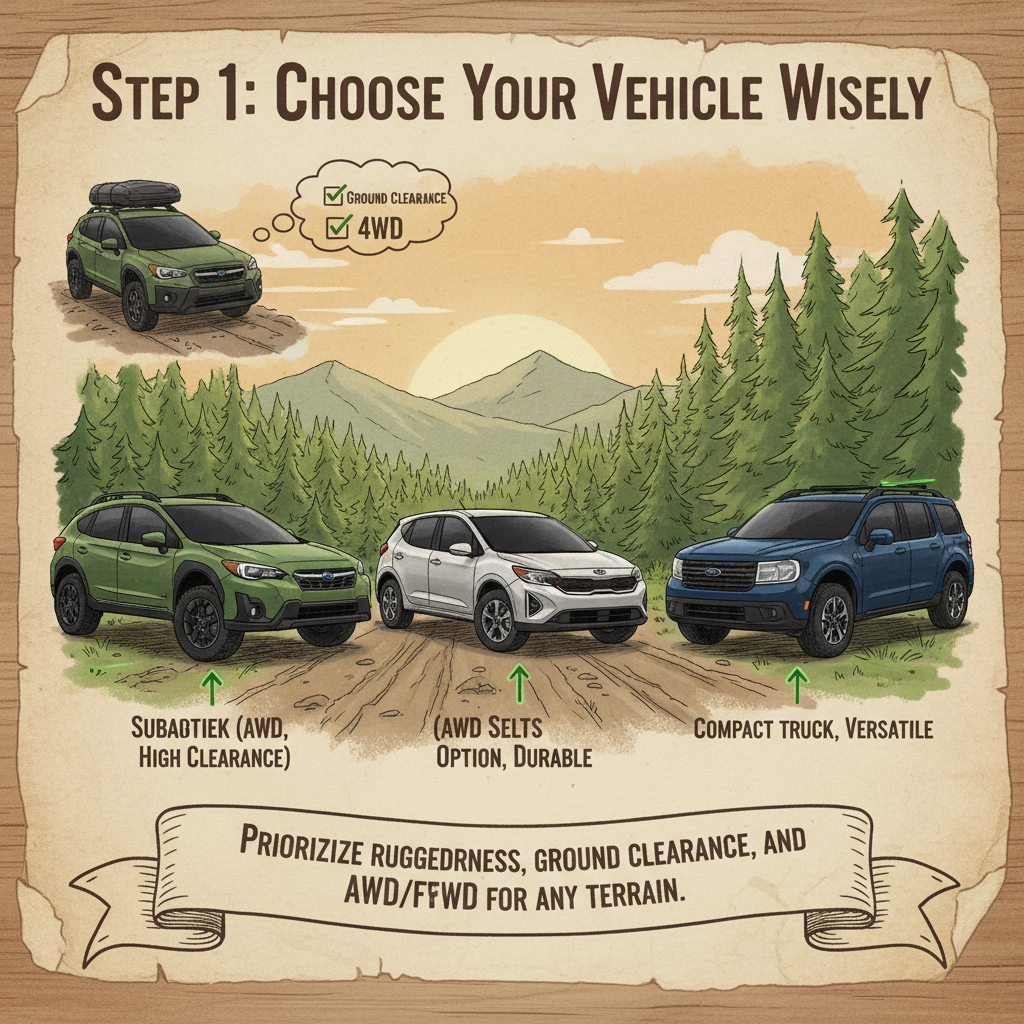
Several factors should be considered when selecting a new vehicle. Assess your transportation needs, including the number of passengers, cargo capacity, and typical driving conditions. Consider your budget and financing options. Research different vehicle models and compare their features, fuel efficiency, safety ratings, and reliability. Read reviews and test drive vehicles to find the best fit for your lifestyle.
Government regulations have a significant impact on the new vehicle for sale market. Emissions standards, fuel efficiency requirements, and safety regulations drive innovation and influence vehicle design. Tax incentives and subsidies can encourage the purchase of specific types of vehicles, such as EVs. Trade policies and tariffs can also affect vehicle pricing and availability.
Autonomous driving technology is poised to revolutionize the new vehicle for sale industry. While fully autonomous vehicles are still under development, advanced driver-assistance systems (ADAS) are becoming increasingly common in new vehicles. These systems enhance safety and convenience, offering features such as automatic emergency braking, lane departure warning, and adaptive cruise control. The future will likely see a gradual progression towards higher levels of automation.
Finding the best deal on a new vehicle for sale requires research and negotiation. Compare prices from different dealerships, consider end-of-month or end-of-year sales events, and explore financing options. Look for manufacturer rebates and incentives. Don’t be afraid to negotiate the price and consider trade-in value for your existing vehicle. Online resources and comparison websites can also help you find the best deals.
Conclusion
The new vehicle for sale market is a dynamic and evolving landscape, driven by technological innovation, economic forces, and changing consumer preferences. Understanding the key factors influencing this market – from electrification and autonomous driving to supply chain challenges and government regulations – is crucial for stakeholders across the industry. Investing in new vehicle technology, embracing sustainability, and prioritizing customer experience will be essential for success in the years to come.
As we look ahead, the future of mobility promises to be more connected, efficient, and sustainable. Continued investment in research and development, coupled with collaborative efforts between automakers, policymakers, and technology companies, will unlock new opportunities and address the challenges facing the industry. Explore your options today and discover the possibilities at Tilamon Cars.