
12 March 2026
Gas cars, powered by internal combustion engines, have long been the dominant form of personal transportation. However, with evolving technologies and a growing focus on sustainability, it's important to understand their mechanics, benefits, and drawbacks. This article provides an in-depth look at gas cars, covering everything from how they work to their impact on the environment. Whether you're considering purchasing a vehicle or simply want to expand your automotive knowledge, this guide will offer valuable insights. Learn about the latest advancements and explore why Tilamon Cars offers a diverse selection of gas vehicles to suit various needs.

At the heart of a gas car lies the internal combustion engine (ICE). This engine converts chemical energy from gasoline into mechanical energy that powers the wheels. The process typically involves four strokes: intake, compression, combustion, and exhaust. During intake, air and fuel are drawn into the cylinder. The piston then compresses this mixture, which is ignited by a spark plug, causing an explosion. This explosion forces the piston down, turning the crankshaft, and ultimately powering the vehicle. The exhaust stroke then removes the burnt gases from the cylinder, completing the cycle. The efficiency of this process dictates fuel economy and performance.
Key Highlights: The internal combustion engine relies on a four-stroke process – intake, compression, combustion, and exhaust – to convert fuel into motion. Modern engines utilize advanced technologies like fuel injection and variable valve timing for improved efficiency.
Despite the rise of electric vehicles, gas cars continue to offer several advantages. A key benefit is their established infrastructure. Gas stations are widely available, making refueling quick and convenient. Gas cars typically have a longer driving range than electric vehicles, eliminating range anxiety for many drivers. Furthermore, the initial purchase price of a gas car is often lower than that of an equivalent electric model. And for those who enjoy the sound and feel of a traditional engine, a gas car can provide a more engaging driving experience. Explore our selection to find the perfect gas-powered vehicle.
Gas Car Advantages:
• Wide availability of refueling infrastructure
• Longer driving range compared to EVs
• Generally lower initial purchase price
• Engaging driving experience for some drivers
The choice between a gas car and an electric car is becoming increasingly common. While EVs offer environmental benefits, gas cars still hold their own in several areas. Here’s a quick comparison:
While the automotive industry is shifting towards electrification, gas cars aren’t disappearing. Manufacturers are continually improving fuel efficiency through technologies like direct injection, turbocharging, and lightweight materials. Hybrid technology, combining a gas engine with an electric motor, offers a transitional solution, reducing emissions while maintaining the convenience of gasoline. Furthermore, research into alternative fuels, such as biofuels and synthetic fuels, aims to minimize the environmental impact of internal combustion engines. Discover the latest models at Tilamon Cars.
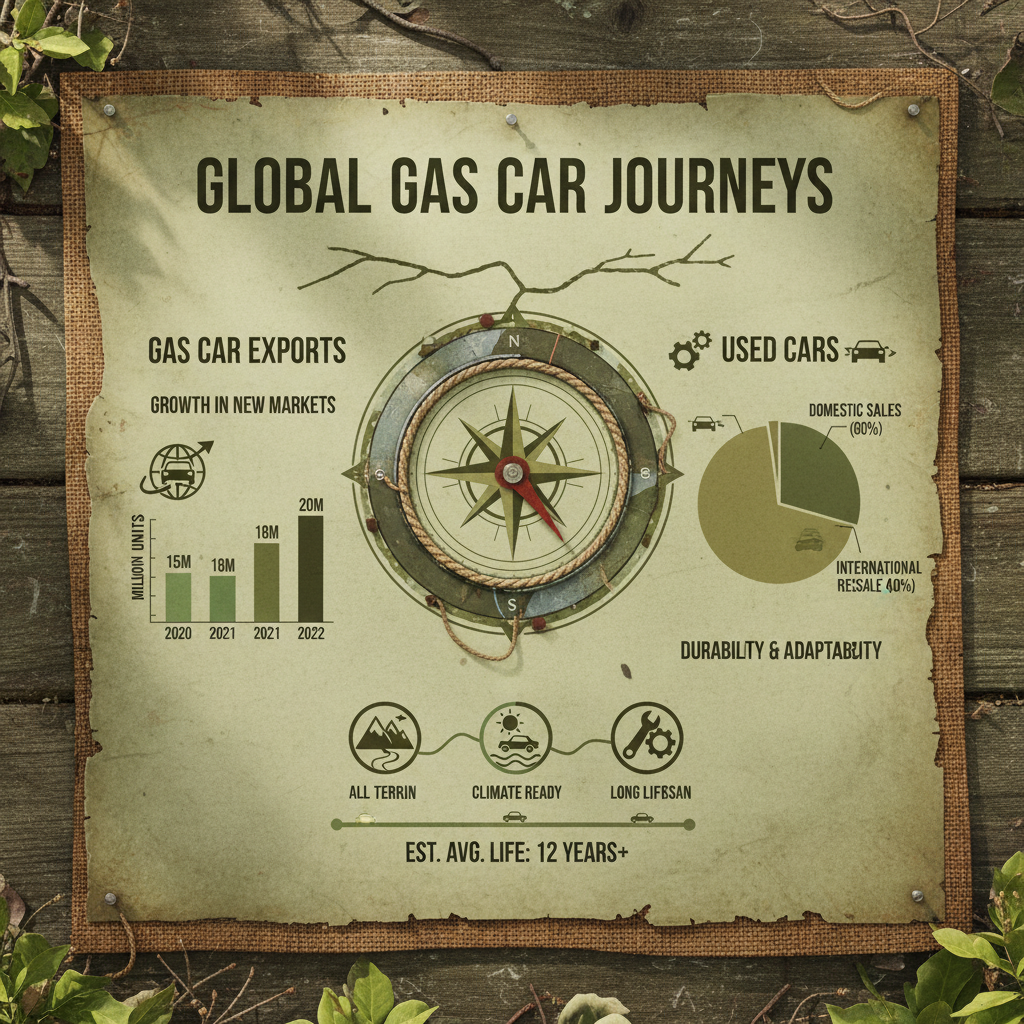
At Tilamon Cars, we offer a wide selection of new and used gas cars to meet your needs and budget. Our knowledgeable team is dedicated to providing exceptional customer service and helping you find the perfect vehicle. We pride ourselves on transparency, quality, and competitive pricing. Browse our inventory online or visit our dealership today!
Gas cars continue to play a significant role in personal transportation, offering convenience, range, and affordability. While the industry evolves, advancements in engine technology and alternative fuels promise a more sustainable future for gasoline-powered vehicles. Tilamon Cars remains committed to providing customers with quality gas vehicles and exceptional service.
The average fuel economy varies depending on the vehicle type and engine size, but modern gas cars typically achieve between 25 and 35 miles per gallon (MPG). Smaller cars and those equipped with fuel-efficient technologies like direct injection and turbocharging often exceed 40 MPG. Fuel economy is also heavily influenced by driving habits – aggressive driving and frequent acceleration will lower MPG. You can find specific MPG ratings for each vehicle on the Tilamon Cars website or the EPA website.
Regular maintenance is crucial for keeping your gas car running smoothly and efficiently. Recommended maintenance tasks include oil changes every 5,000-7,500 miles, tire rotations every 6,000-8,000 miles, and air filter replacements every 12,000-15,000 miles. It's also important to regularly check and replace fluids like coolant, brake fluid, and transmission fluid. Refer to your vehicle’s owner’s manual for specific maintenance schedules. Tilamon Cars also offers comprehensive maintenance services.
Gas prices fluctuate, and that's a major factor in the cost of operating a gas car. However, advancements in engine technology are helping to improve fuel efficiency, mitigating some of these costs. Additionally, maintaining a gas car involves routine maintenance, which can add to the overall expense. Comparing the total cost of ownership – including fuel, maintenance, and insurance – is crucial when evaluating a gas car versus an alternative vehicle.