The world of suv models has undergone a dramatic transformation in recent decades, evolving from rugged, off-road vehicles to sophisticated, family-friendly transportation solutions. This evolution reflects broader societal shifts towards increased leisure activities, a growing demand for safety and comfort, and a need for vehicles capable of handling diverse terrains and weather conditions. Understanding these developments is crucial for automotive manufacturers, policymakers, and consumers alike.
Global sales figures demonstrate the sustained popularity of suv models. According to Statista, in 2023, SUV sales accounted for over 40% of total passenger car sales worldwide, a trend expected to continue. This demand is particularly strong in North America, Europe, and China, driven by factors such as fuel efficiency improvements, advancements in safety technology, and appealing design aesthetics. The United Nations projects continued urbanization and a growing middle class in developing nations, further fueling the demand for versatile vehicles like SUVs.
The impact of suv models extends beyond personal transportation. They play a significant role in various industries, including tourism, agriculture, and emergency services, due to their reliability, cargo capacity, and ability to navigate challenging environments. A comprehensive understanding of this vehicle class is therefore vital for professionals across a broad spectrum of sectors.
The Evolution and Global Impact of suv models
Initially developed for military purposes and rugged outdoor adventures, suv models have transitioned into mainstream transportation. Early examples like the Jeep Wrangler and Land Rover Defender prioritized off-road capability, but subsequent generations embraced comfort, style, and technology. This diversification broadened the appeal of SUVs, attracting a wider range of consumers.
Today, the global suv models market is dominated by a variety of players, from established automotive giants like Toyota and Honda to emerging brands specializing in electric and hybrid SUVs. The competitive landscape drives innovation in areas such as fuel efficiency, autonomous driving features, and interior design, benefiting consumers with increasingly sophisticated and versatile vehicles.
Defining suv models: A Modern Vehicle Class
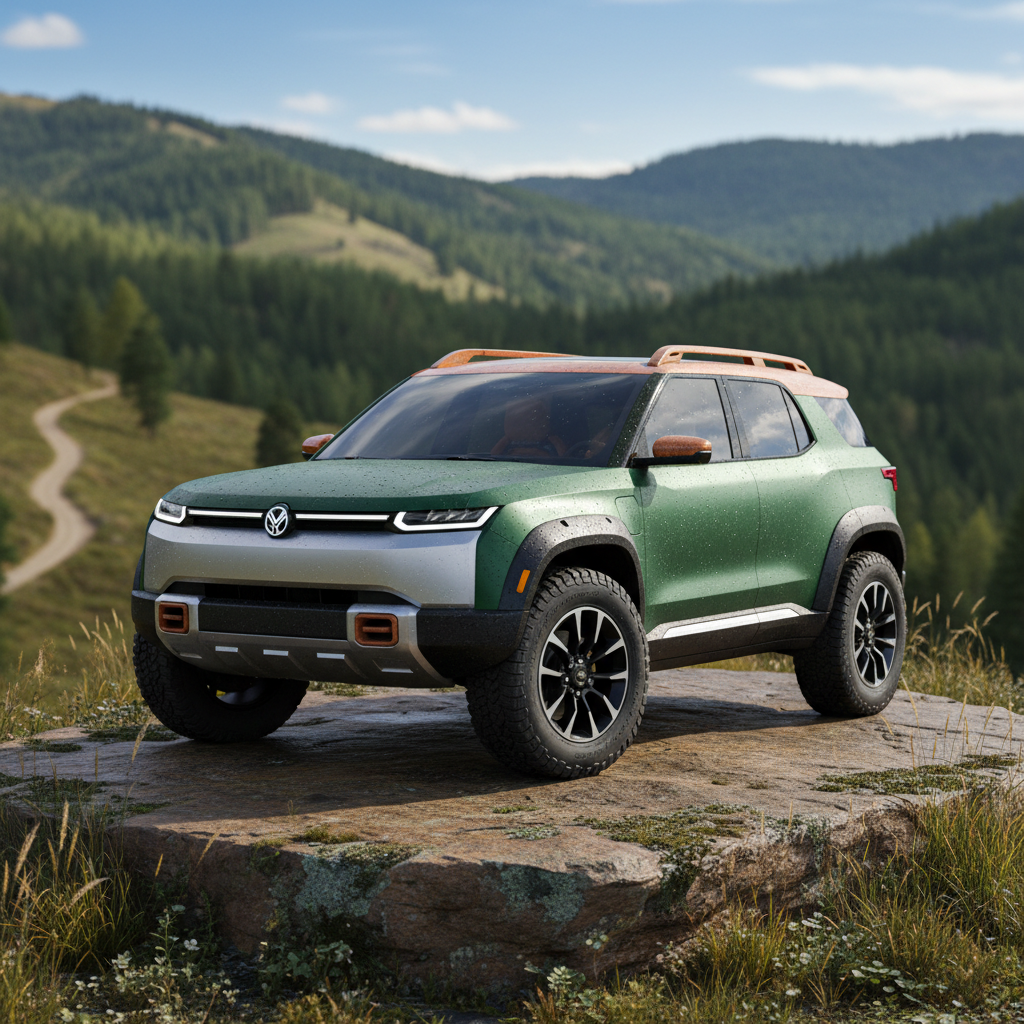
An suv model, or Sport Utility Vehicle, is generally characterized by its elevated ground clearance, spacious interior, and often, all-wheel drive capabilities. Historically, they were built on truck chassis, but modern SUVs increasingly utilize unibody construction, offering a smoother ride and improved fuel efficiency. Their versatility is a key defining characteristic, allowing them to handle both on-road commuting and light off-road adventures.
This vehicle class connects directly to modern industry needs, particularly in logistics and service sectors requiring robust and adaptable transportation. For example, construction companies utilize SUVs for site inspections, while emergency services rely on them for reaching remote locations. The increasing demand for environmentally friendly vehicles has also spurred the development of hybrid and electric suv models, aligning with global sustainability goals.
Furthermore, SUVs represent a response to changing family dynamics. Their larger interiors and enhanced safety features cater to families needing ample space and peace of mind during travel. The integration of advanced infotainment systems and driver-assistance technologies further enhances the overall driving experience, making them a popular choice for modern lifestyles.
Core Components of suv models
Durability is a cornerstone of suv models, stemming from their robust construction and often, reinforced chassis. This durability translates into longer vehicle lifespans and reduced maintenance costs, making them a reliable choice for both personal and professional use.
Scalability refers to the availability of suv models in a wide range of sizes and configurations, from compact crossovers to full-size SUVs. This allows consumers to select a vehicle that precisely matches their needs and budget, ensuring optimal functionality and comfort.
Technological Integration is central to modern suv models, with advanced features like infotainment systems, driver-assistance technologies (e.g., lane departure warning, automatic emergency braking), and connectivity options enhancing safety, convenience, and the overall driving experience.
Real-World Applications of suv models
In remote industrial zones, suv models are essential for transporting personnel and equipment across challenging terrain. Their all-wheel drive capabilities and robust construction make them ideal for navigating unpaved roads, muddy conditions, and harsh weather. Similarly, in agricultural settings, suv models are used for farm inspections, livestock transportation, and general work duties.
In post-disaster relief operations, suv models play a critical role in delivering aid to affected communities. Their high ground clearance and cargo capacity allow them to navigate flooded roads and carry essential supplies. Furthermore, they are used by search and rescue teams to access remote and difficult-to-reach areas.
Tourism industries also heavily rely on suv models, particularly for safari tours, off-road excursions, and transporting visitors to remote destinations. Their comfortable interiors and panoramic views enhance the overall tourist experience. Law enforcement agencies also utilize them for patrol duties, pursuit operations, and transporting equipment.
Average Maintenance Costs for Different suv models Types
Advantages and the Long-Term Value of suv models
The tangible benefits of owning an suv model include increased safety due to their larger size and advanced safety features. They offer superior cargo capacity, making them ideal for families and individuals with active lifestyles. Furthermore, many suv models maintain strong resale values, representing a sound long-term investment.
Beyond the practical advantages, suv models often evoke a sense of confidence and security. Their elevated driving position provides enhanced visibility, and their robust construction inspires trust. The integration of modern technologies enhances the driving experience, making journeys more comfortable and enjoyable. The increasing availability of fuel-efficient and electric suv models further enhances their appeal.
Future Trends in suv models
The future of suv models is inextricably linked to the rise of electric vehicles (EVs). Automakers are rapidly expanding their EV SUV offerings, driven by consumer demand and increasingly stringent emission regulations. Advancements in battery technology will further enhance the range and performance of electric SUVs, making them even more attractive to buyers.
Another key trend is the increasing integration of autonomous driving features. Self-parking, lane keeping assist, and adaptive cruise control are becoming commonplace in new suv models, paving the way for fully autonomous vehicles in the future. Digital cockpits and connected car services will also become more prevalent, enhancing the driving experience and providing access to a wide range of information and entertainment options.
Challenges and Innovative Solutions in suv models
A common challenge associated with suv models is their relatively higher fuel consumption compared to smaller vehicles. However, this is being addressed through advancements in engine technology, lightweight materials, and the adoption of hybrid and electric powertrains. Furthermore, concerns regarding their environmental impact are driving the development of sustainable manufacturing practices and recyclable materials.
Another challenge is the increasing complexity of suv models, with a growing number of electronic systems and advanced features. This necessitates skilled technicians and specialized diagnostic equipment for maintenance and repair. Manufacturers are responding by investing in training programs and developing remote diagnostic capabilities.
Addressing concerns about pedestrian safety, particularly due to the larger size and higher ride height of suv models, requires continued refinement of safety technologies such as automatic emergency braking with pedestrian detection. Innovative design solutions focused on mitigating potential impact forces are also being explored.
Summary of Key Challenges and Solutions in suv models Development
| Challenge |
Impact Area |
Current Solutions |
Future Outlook |
| Fuel Efficiency |
Environmental Impact, Cost of Ownership |
Hybridization, Lightweight Materials, Improved Engine Design |
Widespread adoption of Electric suv models, Advanced Aerodynamics |
| Pedestrian Safety |
Public Safety, Liability |
Automatic Emergency Braking, Enhanced Visibility Systems |
Predictive Safety Systems, Intelligent Vehicle-to-Pedestrian Communication |
| Vehicle Complexity |
Maintenance Costs, Repair Time |
Technician Training, Remote Diagnostics, Modular Design |
AI-Powered Diagnostics, Self-Repairing Systems |
| Environmental Sustainability |
Resource Depletion, Carbon Footprint |
Recycled Materials, Sustainable Manufacturing Processes |
Closed-Loop Material Cycles, Carbon-Neutral Production |
| Infrastructure Support (EVs) |
Adoption Rate, Range Anxiety |
Investment in Charging Infrastructure, Battery Swapping Technology |
Ubiquitous Charging Networks, Wireless Charging Capabilities |
| Cybersecurity Vulnerabilities |
Data Privacy, Vehicle Control |
Robust Encryption, Intrusion Detection Systems |
AI-Powered Cybersecurity, Blockchain-Based Security Protocols |
FAQS
SUVs generally offer more interior space, higher ground clearance, and often all-wheel drive capabilities, making them more versatile for families, outdoor enthusiasts, and those living in areas with challenging weather conditions. They also typically provide a higher driving position, enhancing visibility. However, sedans often offer better fuel economy and a lower price point. Ultimately, the best choice depends on individual needs and preferences.
While electric suv models produce zero tailpipe emissions, their overall environmental impact depends on the source of electricity used to charge them. If the electricity grid relies heavily on fossil fuels, the environmental benefits are reduced. However, as renewable energy sources become more prevalent, the sustainability of electric SUVs increases. Furthermore, the manufacturing process of EV batteries also has an environmental footprint that is being addressed through advancements in battery technology and recycling processes.
With proper maintenance, a modern suv model can easily last for 150,000 to 200,000 miles or more. Factors that influence lifespan include driving habits, regular maintenance schedules, and the quality of components. Hybrid suv models, with their regenerative braking systems, may have even longer lifespans due to reduced wear and tear on brake components.
All-wheel drive (AWD) generally reduces fuel efficiency compared to two-wheel drive (2WD) due to the added weight and mechanical complexity of the AWD system. However, modern AWD systems are becoming more sophisticated and can automatically switch between 2WD and AWD modes, minimizing fuel consumption when AWD is not needed. The fuel efficiency impact also varies depending on the specific AWD system and driving conditions.
Most new suv models come standard with a suite of advanced safety features, including antilock brakes, stability control, multiple airbags, lane departure warning, automatic emergency braking, and rearview cameras. Many also offer optional features such as blind-spot monitoring, adaptive cruise control, and 360-degree cameras, further enhancing safety.
Current trends in suv models interior design emphasize minimalist aesthetics, premium materials, and advanced technology integration. Large touchscreen displays, digital instrument clusters, and wireless charging pads are becoming increasingly common. There's also a growing focus on creating versatile and adaptable interiors with configurable seating arrangements and ample storage space.
Conclusion
Suv models have evolved significantly, adapting to changing consumer needs and technological advancements. From their origins as rugged off-road vehicles to their current status as versatile family transportation, they continue to play a crucial role in the automotive industry. Their inherent advantages in space, capability, and safety, combined with ongoing innovations in sustainability and technology, ensure their continued relevance.
Looking ahead, the future of suv models will be shaped by the transition to electric power, the integration of autonomous driving features, and a greater emphasis on environmental sustainability. By embracing these trends, manufacturers can deliver even more compelling and responsible vehicles that meet the evolving needs of consumers and society. Explore our wide range of suv models today and find the perfect vehicle for your lifestyle!