Let me tell you, after years on construction sites, wrestling with materials and talking shop with engineers, you learn a thing or two about what really matters. These days, everyone’s talking about efficiency and sustainability, and frankly, it all boils down to making smart choices with the tools and vehicles we use. That's where hybrid sedans come in. They're not just a fuel-saving fad; they’re a practical solution for project managers, site supervisors, and anyone who spends a significant amount of time driving between jobs. I've seen firsthand how the rising cost of fuel impacts project budgets, and how crucial it is to reduce our carbon footprint. hybrid sedans are a good first step toward addressing both.
What struck me initially wasn’t the tech – though it’s impressive – but the sheer practicality. Think about the daily grind: site visits, client meetings, material pickups. It adds up. A consistent, fuel-efficient vehicle isn’t a luxury; it’s a necessity. It means less time at the pump, more time on-site, and a more predictable budget. We’re always battling tight deadlines and cost overruns, so every little bit helps. Plus, there’s the image aspect. Showing up to a green building project in a gas-guzzler just doesn’t send the right message.
Frankly, for too long, the industry has been slow to adopt newer technologies. We're a conservative bunch, and change comes hard. But the financial and environmental benefits of hybrid sedans are becoming impossible to ignore. It’s a move towards a more sustainable future, and it makes good business sense. It’s not about being trendy; it’s about being smart.
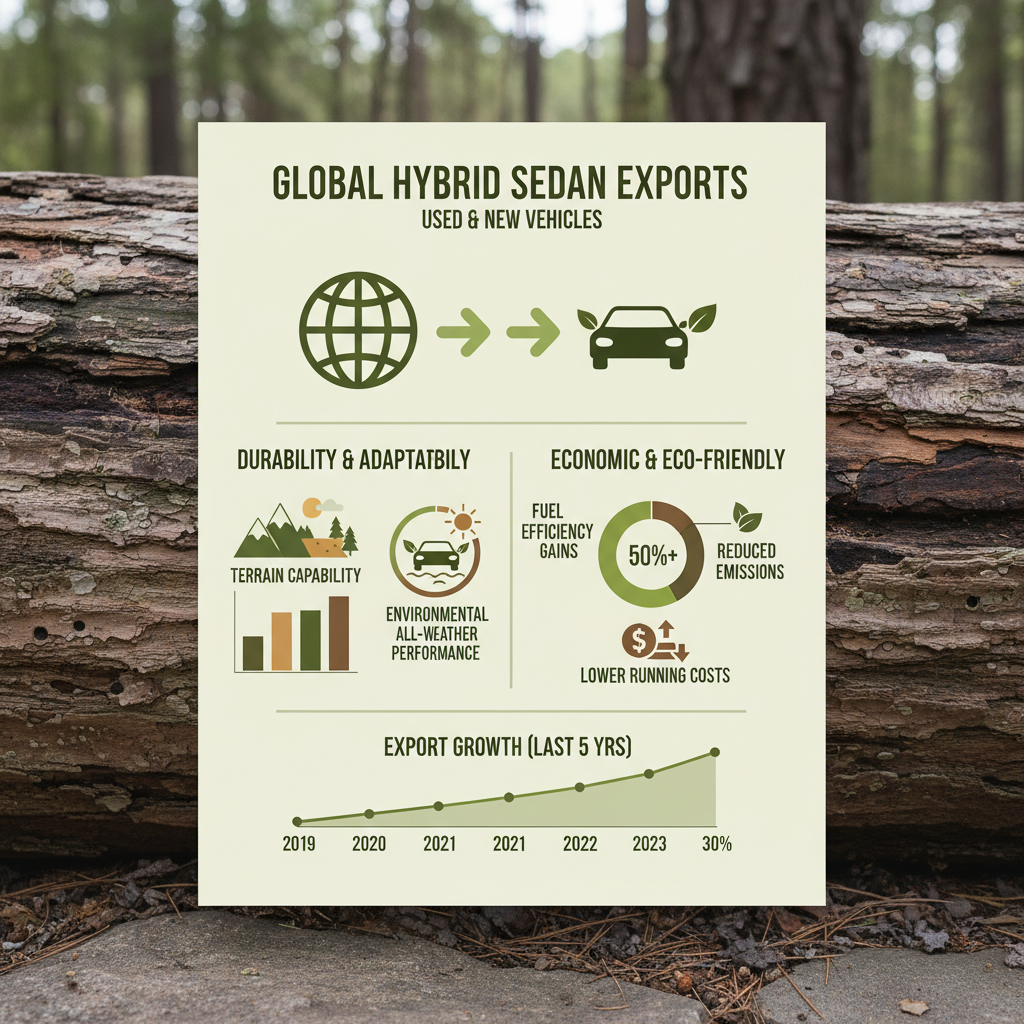
From what I’ve seen, the biggest benefit is simply reduced fuel costs. We’re constantly driving, and those trips add up. A hybrid sedan means fewer stops at the pump and more money in the project budget. It’s a tangible saving that impacts the bottom line.
Beyond the financial aspect, there's the environmental consideration. Construction is a notoriously resource-intensive industry. Making a conscious effort to reduce our carbon footprint isn't just good PR; it's the right thing to do. Hybrid sedans contribute to that effort, and it’s a message that resonates with clients and stakeholders.
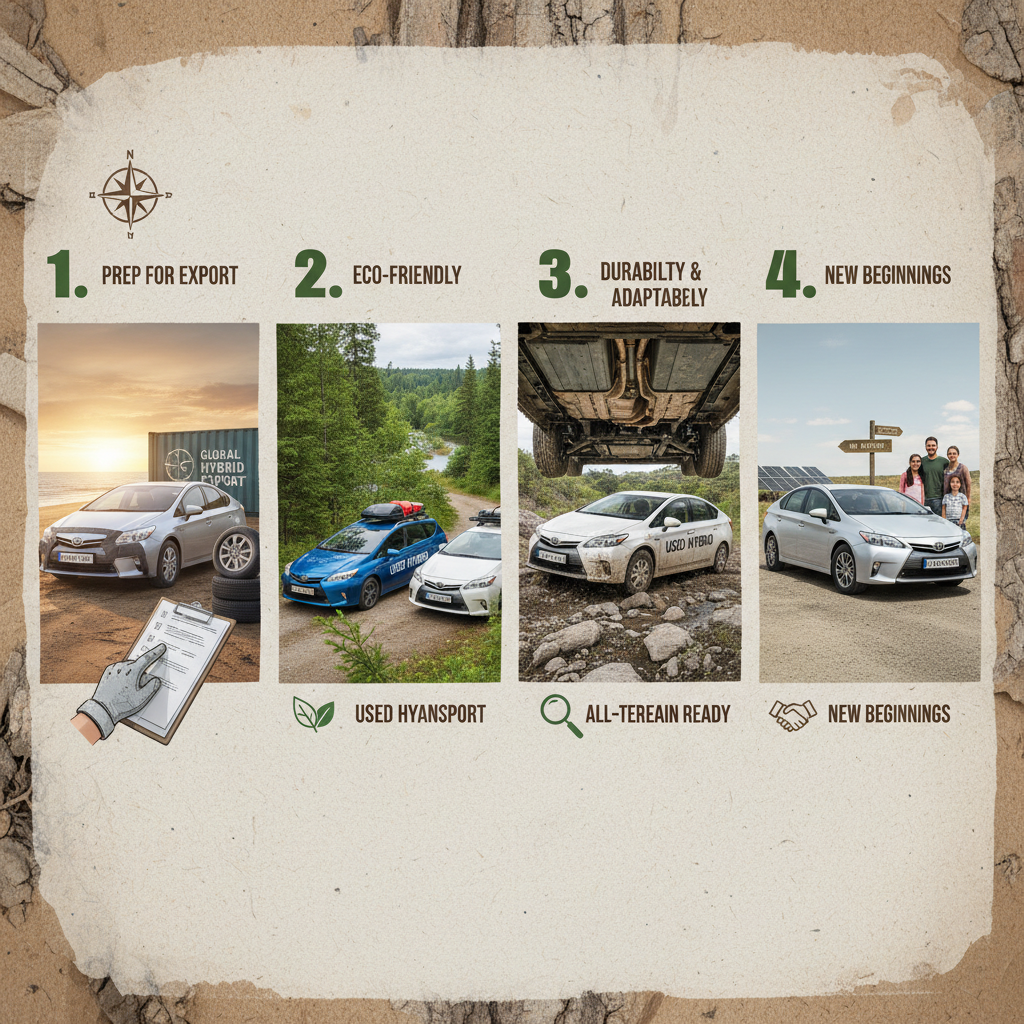
While not designed for off-roading, many hybrid sedans feature reinforced suspension and higher ground clearance than standard cars. This makes them suitable for well-maintained gravel roads and construction site access roads. However, extreme terrain should be avoided. The key is to assess the site conditions and choose a model appropriate for the environment.
Battery life varies depending on usage and environmental conditions, but most modern hybrid sedans batteries are designed to last 8-10 years or 100,000-150,000 miles. Many manufacturers offer extended warranties on the battery, providing peace of mind. Regular maintenance and avoiding extreme temperatures can help maximize battery lifespan.
The maintenance requirements are largely similar, including oil changes, tire rotations, and brake inspections. Hybrid systems add a few specific checks, such as monitoring the battery health and cooling system. However, regenerative braking can actually extend the life of brake pads, reducing overall maintenance costs.
Tax incentives vary depending on your location and specific vehicle model. Many jurisdictions offer tax credits or rebates for purchasing hybrid vehicles. Additionally, businesses may be able to deduct the cost of the vehicle as a business expense. It’s always best to consult with a tax professional to determine your eligibility.
Modern hybrid sedans are designed to operate reliably in a wide range of temperatures. Batteries are thermally managed to prevent overheating or freezing. However, extremely cold temperatures can temporarily reduce battery range. It’s always a good idea to check the manufacturer's recommendations for operating in extreme conditions.
Absolutely. Hybrid sedans excel in stop-and-go traffic. The electric motor assists the engine during acceleration and captures energy during braking, significantly reducing fuel consumption in these conditions. This makes them particularly well-suited for driving around construction sites where frequent starts and stops are common.
So, there you have it. Hybrid sedans aren’t just a trendy option; they’re a practical, cost-effective, and sustainable solution for professionals in the construction industry. From reducing fuel costs and emissions to improving reliability and driver comfort, the benefits are clear. We’ve moved beyond simply talking about green building practices; it's about actively implementing them in every aspect of our operations.
My advice? Don't dismiss hybrid sedans out of hand. Take the time to research your options, consider your specific needs, and do the math. You might be surprised at how much you can save – both financially and environmentally. And, frankly, we owe it to ourselves and future generations to make smarter choices. Visit our website at www.tilamoncars.com to learn more.