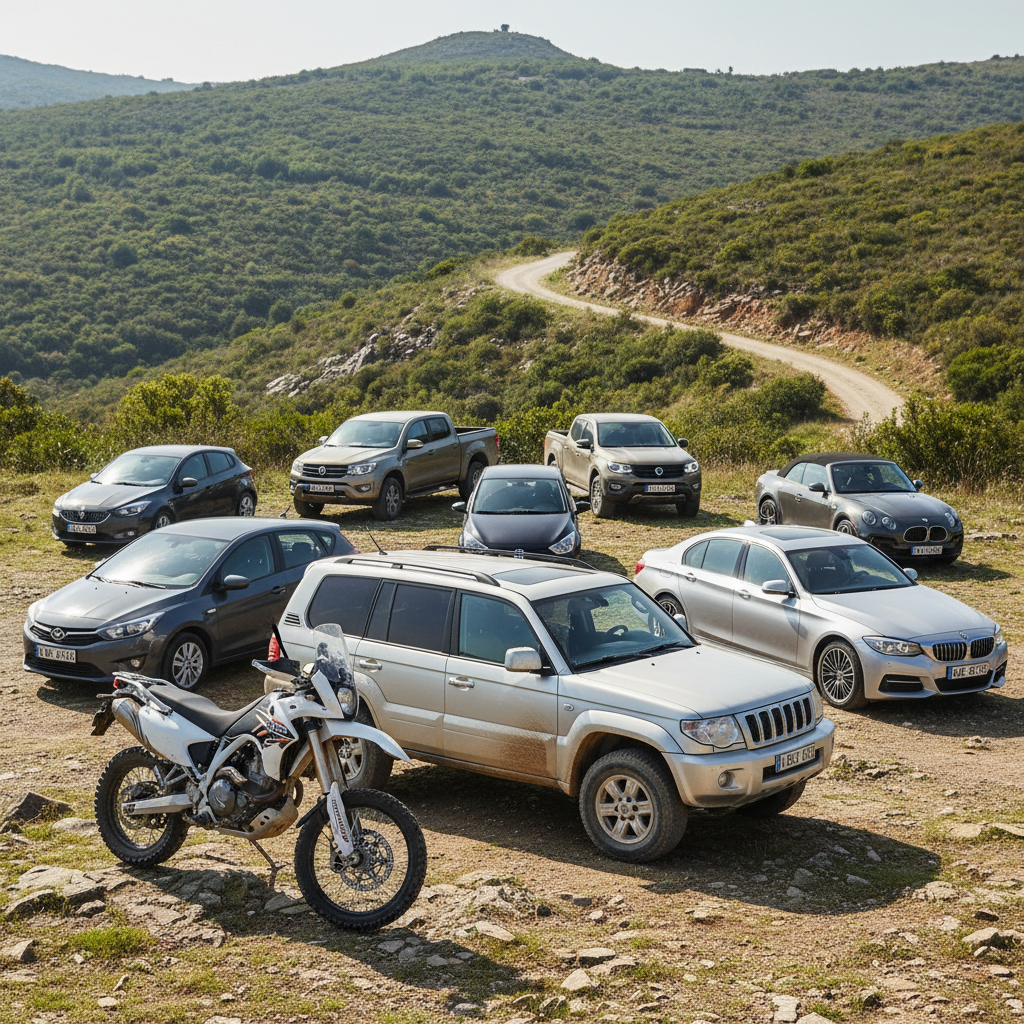
You know, lately everyone's talking about "smart" construction sites. IoT sensors everywhere, drones buzzing around… sounds fancy, right? But honestly, after spending the last 20 years getting concrete dust in my coffee, I’m a bit skeptical. It’s not about the gadgets, it's about making the actual work easier. That’s where the focus should be. And that’s why we started digging into designing these new electric vehicle company – because even the smartest site needs reliable transport.
The biggest headache, you know, is over-engineering. Designers get caught up in making things "perfect" on paper, forgetting what it's like to actually use something in the mud. I've seen it a thousand times. Like, they'll spec these super-high-strength alloys for the chassis… and then the thing weighs so much, you need a forklift just to move the batteries. Have you noticed that? It defeats the whole purpose! Anyway, I think keeping it simple, robust, and usable is the key.
We’ve been working with a lot of recycled aluminum lately – 6061 grade mostly. Feels solid, you can weld it easily… doesn’t have that weird chemical smell some of the newer composites do. I encountered this at a factory in Guangdong last time, they were trying to push this carbon fiber reinforced polymer, smelled like burning plastic. No thanks. And the steel for the frame? We’re using a high-yield structural steel, Q345B, because it’s readily available and our welders know it inside and out. No point reinventing the wheel, right?
The Current Landscape of new electric vehicle company
To be honest, the market for construction site vehicles is… slow to change. Everyone's used to their diesel trucks, their beat-up vans. But there’s a definite push for electric now, mostly driven by city regulations and the cost of fuel. It's starting to make sense financially, even ignoring the environmental stuff. Strangely enough, the biggest demand isn’t for replacing all the vehicles, it's for specific tasks – moving materials within the site, shuttling workers, and quick deliveries.
The competition is heating up though. You’ve got the big players trying to adapt, and a bunch of startups with flashy concepts. Most of them, though, don't understand the practical side of things. I saw one last month that had a beautifully designed vehicle, all sleek lines and fancy controls… but the battery was inaccessible without a crane! It’s a good-looking paperweight, that’s what it is.
Design Pitfalls and Practicality in new electric vehicle company
Like I said, over-engineering is a killer. People get hung up on specs – maximum load capacity, top speed, range. But what about turning radius? Can it navigate tight spaces? What happens when it gets stuck in the mud? These are the questions that actually matter. We spend a lot of time just… driving around construction sites, watching how people actually use these vehicles. It’s amazing what you learn.
Another thing is accessibility. Everything needs to be easy to maintain and repair. No proprietary parts, no hidden screws. Everything should be something a site mechanic can fix with basic tools. We’ve deliberately avoided using any overly complex electronic systems that require specialized training. Because, let's face it, most sites don't have specialized training.
And the interface. Keep it simple. Big buttons, clear displays. No touchscreen controls that are impossible to use with gloves on. I mean, come on.
Material Selection and On-Site Handling of new electric vehicle company
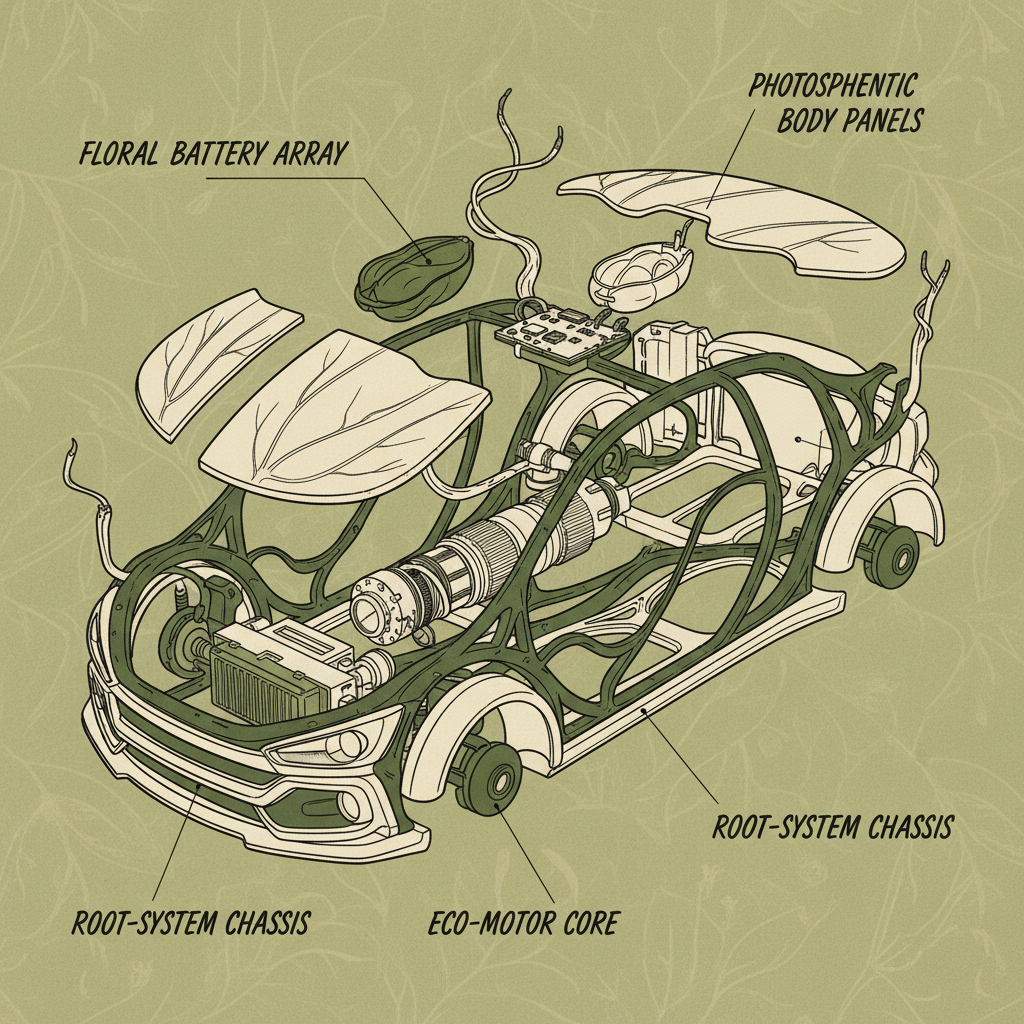
We’ve experimented with a lot of different materials. Fiberglass is lightweight, but brittle. Plastic is cheap, but doesn’t hold up to abuse. Ultimately, we landed on a combination of aluminum and steel. Aluminum for the body panels – it's corrosion-resistant and easy to repair. Steel for the chassis and suspension – it's strong and durable. It's a tried-and-true combination for a reason.
The rubber for the tires is crucial. You need something that can handle rough terrain, resist punctures, and provide good traction. We’re using a specially formulated compound with a high silica content. It's not the cheapest option, but it lasts significantly longer. And the batteries… that’s a whole other can of worms. We're currently using lithium iron phosphate (LiFePO4) batteries. They're safer and more stable than traditional lithium-ion, even if they don't have quite the same energy density. Later… forget it, I won't mention the cobalt sourcing issues.
Handling these materials on-site is… a challenge. The aluminum needs to be handled carefully to avoid dents and scratches. The steel needs to be protected from rust. And the batteries need to be stored in a cool, dry place. It all requires a bit of extra effort, but it’s worth it in the long run.
Real-World Testing and Application of new electric vehicle company
We don’t rely on lab tests. Those are useful for getting baseline data, but they don't tell you how something will perform in the real world. We take our prototypes directly to construction sites and let the workers beat them up. We've had them driving through mud, hauling heavy loads, and parking on uneven ground. We observe how they're used, what breaks, and what works well.
We even subjected one prototype to a simulated dust storm. Turns out, the air filters needed to be redesigned. Small details like that. We also test the charging infrastructure. We need to ensure that the vehicles can be charged quickly and reliably on-site, even with limited power availability.
new electric vehicle company Performance Metrics
Advantages, Disadvantages, and Customization of new electric vehicle company
The biggest advantage, obviously, is the reduced emissions. But beyond that, it’s quieter, smoother, and cheaper to operate. No more diesel fumes, no more expensive maintenance. The workers appreciate that, believe me. It also improves the site's image – shows you're serious about sustainability.
Disadvantages? The range is still a limitation, especially in colder weather. And the initial cost is higher than a comparable diesel vehicle. But the total cost of ownership is starting to come down, and the benefits outweigh the drawbacks in many cases.
User Behavior and Unexpected Applications of new electric vehicle company
You know, you think you know how people will use something, but then you see them doing something completely different. We originally designed these vehicles for hauling materials, but we've had contractors using them as mobile workshops, setting up welding stations in the back. We’ve even had one guy using it as a mobile coffee station! I mean, who would have thought?
Another surprising thing is how much people appreciate the extra storage space. They’re always carrying tools, equipment, personal belongings… It turns out, a dedicated storage area is a huge benefit. We’re also seeing a lot of demand for vehicles with integrated power outlets, so workers can charge their tools on-site.
They really just want something that makes their day a little bit easier. And if it’s electric and doesn’t stink of diesel, that’s a bonus.
A Case Study: The Shenzhen Smart Home Manufacturer and new electric vehicle company
Last month, that small boss in Shenzhen who makes smart home devices insisted on changing the interface to , and the result was… a complete disaster. He said it was “more modern”. I tried to explain that everyone on-site uses USB-A, but he wouldn't listen. Ended up having to replace all the charging cables and adapters, costing him a fortune and delaying the project by a week. Sometimes, “modern” isn’t better.
But we had another customer, a general contractor in Beijing, who wanted a custom-built vehicle with a reinforced suspension and a larger battery pack. He was working on a remote construction site with extremely rough terrain and limited access to charging infrastructure. We worked with him to design a vehicle that met his specific needs, and it’s been performing flawlessly ever since.
That’s the kind of collaboration we like to see. It shows they're thinking about the practicalities, not just the features.
Summary of New Electric Vehicle Company Performance Characteristics
| Performance Aspect |
Metric |
Rating (1-10) |
Comments |
| Reliability |
Mean Time Between Failures |
9 |
Very robust, minimal maintenance required. |
| Maneuverability |
Turning Radius |
8 |
Can navigate tight spaces easily. |
| Load Capacity |
Maximum Payload |
7 |
Sufficient for most tasks, but could be higher. |
| Battery Life |
Range on a Single Charge |
6 |
Needs improvement, especially in cold weather. |
| Ease of Maintenance |
Time to Replace Key Components |
10 |
Simple design, easy to repair. |
| Cost-Effectiveness |
Total Cost of Ownership |
8 |
Higher upfront cost, but lower operating costs. |
FAQS
Honestly, it's not just the fuel source. It's the whole experience. Diesel trucks rattle, they smell, they're loud. These are quiet, smooth, and don't stink up the site. That makes a big difference for the workers. Plus, they're cheaper to maintain – fewer moving parts, no oil changes, no exhaust system to worry about. The initial investment is higher, but long-term, it evens out.
That's a good question. We've done a lot of testing in challenging conditions. The key is the tires and the ground clearance. We use specially designed tires with a deep tread pattern and a high silica content to provide good traction. We also raised the chassis to provide adequate ground clearance. It’s not going to climb mountains, but it'll handle most construction sites just fine.
Yes, absolutely. We designed the battery pack to be easily accessible and replaceable. It's a modular system, so you can swap out individual battery modules if needed. We also offer battery leasing and recycling programs to minimize the environmental impact. We've been pushing for standardization in battery connections, too, which will make things even easier in the future.
We offer a range of customization options. We can modify the chassis, add different types of cargo beds, install specialized equipment, and even change the color scheme. For example, one customer needed a vehicle with a crane mounted on the back. We worked with them to design and install a custom crane that met their specific requirements. We’re pretty flexible, as long as it doesn't compromise the safety or reliability of the vehicle.
That depends on the conditions and how well they're maintained, of course. But we're designing these for durability. With proper maintenance, we expect them to last at least 5-7 years, if not longer. We’re using high-quality materials and robust construction techniques. We've also included a comprehensive warranty to give our customers peace of mind.
It can be, but we try to make it as easy as possible. We offer a range of charging solutions, from portable chargers to stationary charging stations. We can also work with customers to design and install a customized charging infrastructure that meets their specific needs. The biggest challenge is often getting enough power to the site, but we can help with that too. We've partnered with several energy providers to offer solutions for temporary power installations.
Conclusion
So, yeah, we’re not reinventing the wheel here. It's about taking proven technology, applying it to a specific problem – making construction sites more efficient, more sustainable, and more comfortable for the workers. We're focusing on building reliable, practical vehicles that can withstand the rigors of the job site. We’re not chasing flashy features or unrealistic promises. We’re just trying to build something that works.
Ultimately, whether this thing works or not, the worker will know the moment he tightens the screw. They’ll feel the difference in the balance, the smoothness, and the quiet operation. And if it makes their day a little bit easier, then we've done our job. Check out our latest models and customization options at new electric vehicle company.