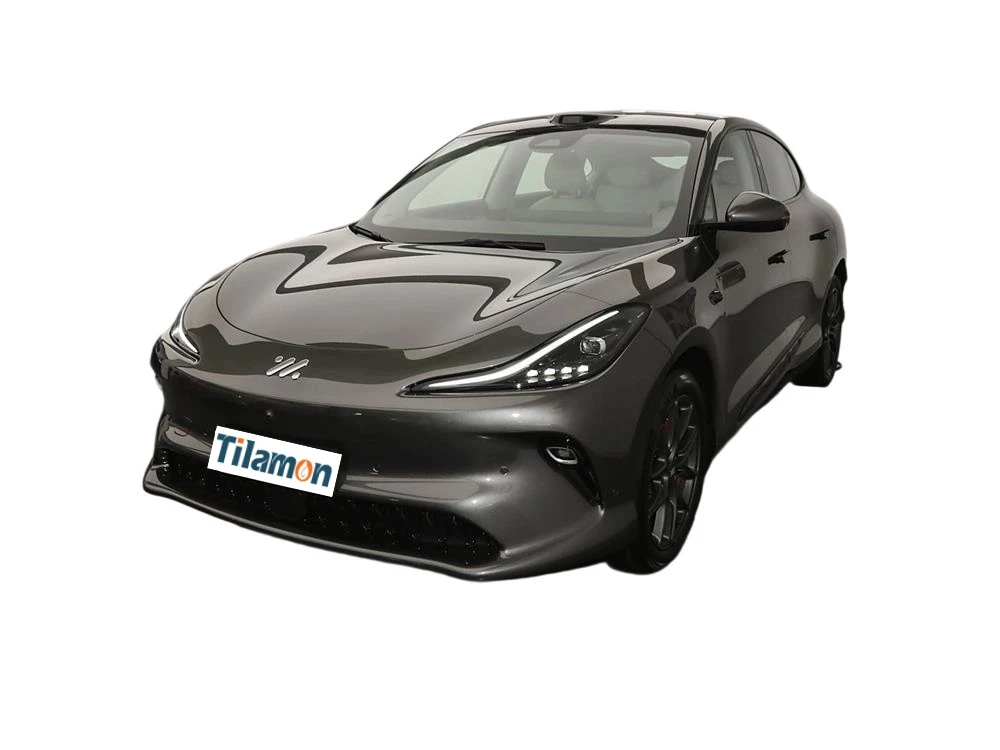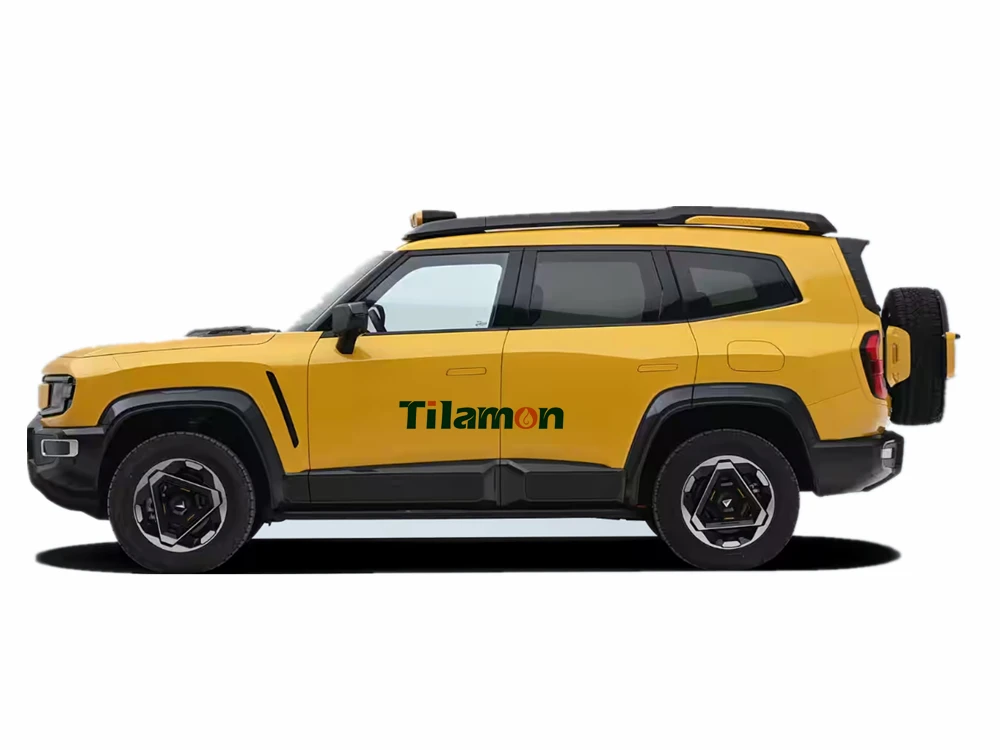
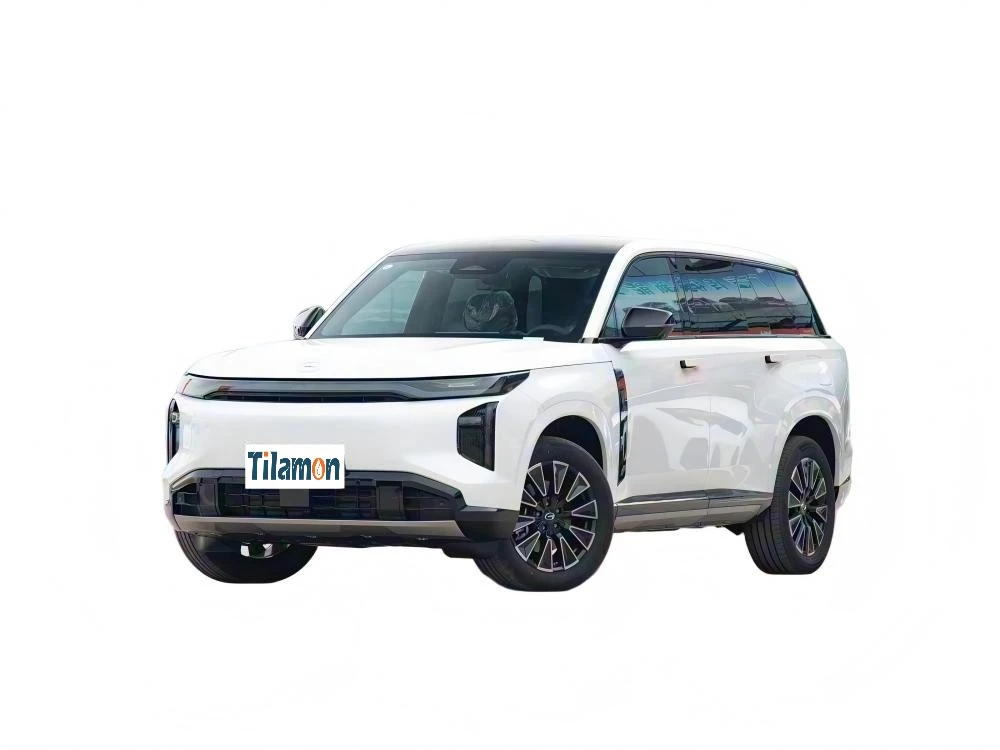
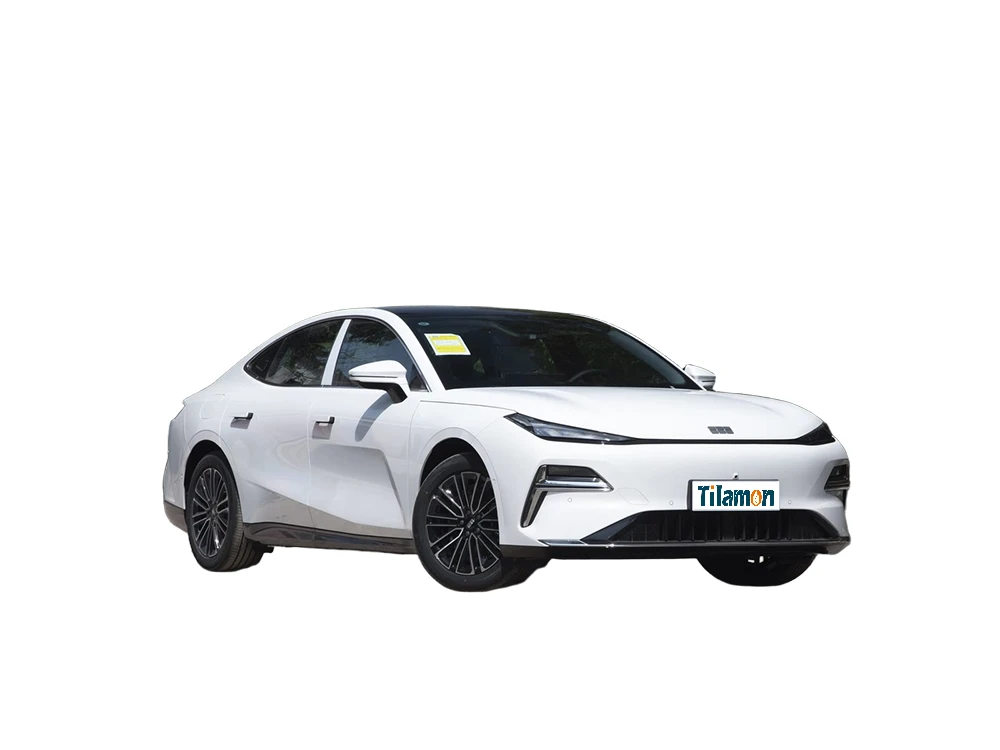
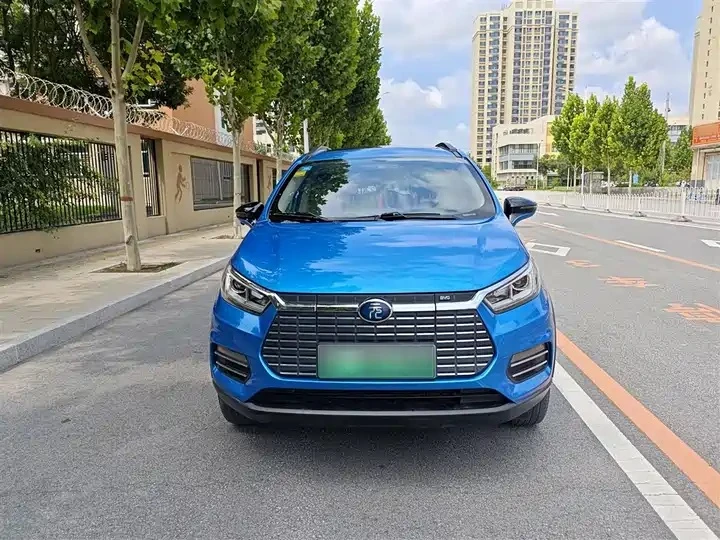
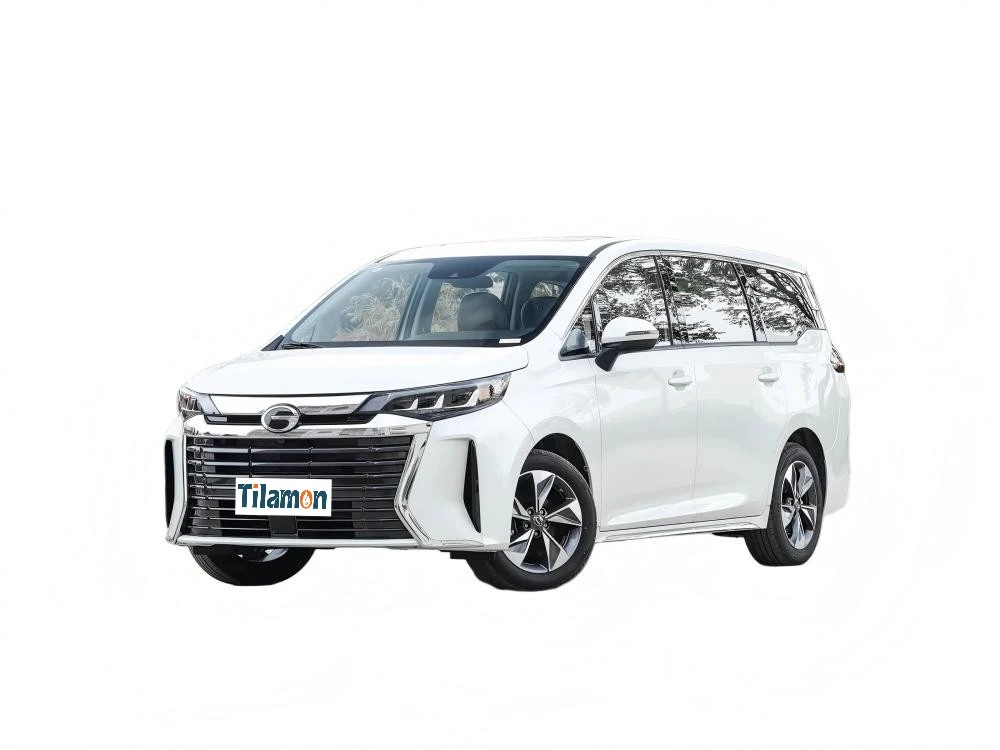
Sustainable Mobility with new energy vehicle Solutions in New Zealand

Driving the future of Aotearoa through advanced Chinese automotive engineering and sustainable transport ecosystems.

Sustainable Mobility with new energy vehicle Solutions in New Zealand

Integrating cutting-edge manufacturing with local environmental goals to provide high-efficiency electric transport across New Zealand's diverse terrains.

The New Zealand EV Landscape

Analyzing the adoption of electric mobility in Oceania's unique geographical context.

New Zealand's commitment to a low-carbon future has accelerated the demand for new energy ev options. With a power grid heavily reliant on renewables like hydro and geothermal energy, the synergy between energy production and transport is ideal for widespread EV adoption.

However, the rugged topography of the South Island and the urban congestion of Auckland present unique challenges. Consumers are increasingly looking for a new chinese ev that balances long-range battery performance with the durability required for rural road conditions.

Furthermore, the market is seeing a significant shift toward accessibility. While new models lead the charge, a growing segment of the population is exploring secondhand vehicle markets to make sustainable transit more affordable for the average household.
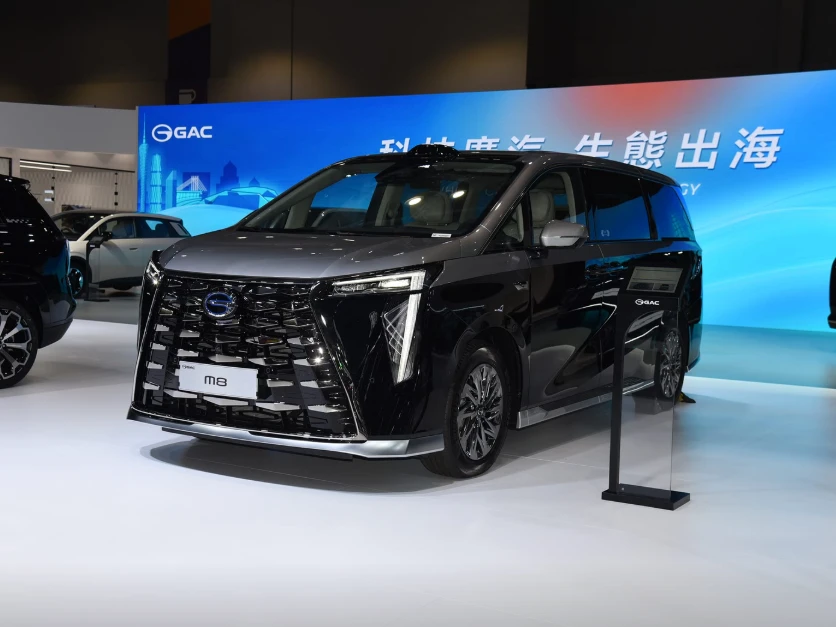
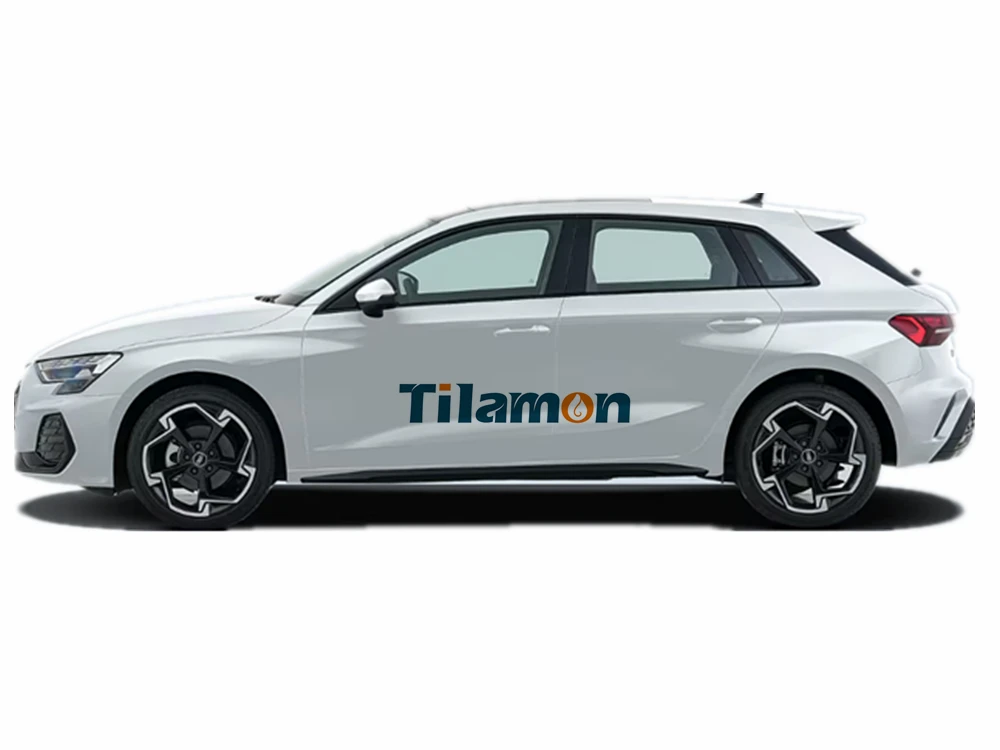
Evolution of Automotive Technology in NZ

From traditional internal combustion engines to the era of intelligent electrification.

Market Development History

Until the early 2010s, the New Zealand market was dominated by traditional ICE imports. The initial shift began with early hybrid adoptions, which paved the way for the first wave of battery electric vehicles (BEVs) entering the region around 2015.

Between 2018 and 2022, a technical leap occurred. The integration of LFP (Lithium Iron Phosphate) batteries allowed for safer, more durable energy storage, making the new energy vehicle more viable for long-distance travel between regional hubs.

Today, we see a sophisticated ecosystem where smart connectivity and autonomous driving assistants are becoming standard, particularly in the latest shipments of high-tech electric fleets.

Future Development Trends

V2G (Vehicle-to-Grid) Integration

Over the next 3 years, we expect EVs to act as mobile batteries, feeding energy back into the New Zealand grid during peak demand periods.

Solid-State Battery Migration

The transition from liquid electrolytes to solid-state batteries will drastically reduce charging times and increase safety for those purchasing a new chinese ev.

Circular Economy for Batteries

Enhanced recycling protocols for 2 nd hand cars will ensure that battery degradation does not lead to environmental waste, creating a closed-loop system.

Industry Trends & Future Outlook

Predicting the trajectory of the New Zealand automotive manufacturing and import sector.

AI-Driven Energy Management
Implementation of AI to optimize battery life based on NZ's temperate climate and driving habits.
Ultra-Fast Charging Networks
Expansion of 350kW+ charging stations along State Highway 1 to eliminate range anxiety.
Modular Vehicle Architecture
Shift toward skate-board platforms that allow easy battery swaps and body customization.
Sustainable Material Sourcing
Increased use of recycled ocean plastics and vegan leather in interior manufacturing.

Industry Outlook

According to Google search trends, interest in "affordable EVs" and "battery health checks" is spiking in New Zealand. This suggests a transition from early adopters to the mass market, where value and longevity are the primary drivers.

The next five years will likely see a consolidation of the market, where brands offering comprehensive after-sales support for 2 nd hand cars will gain the highest consumer trust and market share.

Localized Application Scenarios in New Zealand

How our automotive solutions fit into the daily lives of Kiwis.

1. Urban Commuting in Auckland & Wellington

Compact new energy ev models providing zero-emission transit through congested city centers with high efficiency.

2. Regional Tourism & Scenic Tours

High-range electric SUVs tailored for the Queenstown and Rotorua circuits, ensuring luxury and sustainability for international tourists.

3. Agri-Business Logistics

Heavy-duty electric utility vehicles designed for farm management, reducing fuel costs for New Zealand's vital primary industry.

4. Eco-Friendly Last-Mile Delivery

Small-scale electric vans used by local businesses to provide carbon-neutral deliveries within residential neighborhoods.

5. Budget-Friendly Student Transit

Reliable secondhand vehicle options providing safe, low-cost transportation for university students in Dunedin and Christchurch.

Brand Story

Global Development History of Shijiazhuang Zhenming Chemical Co., Ltd.

Foundational Excellence

Established with a focus on high-purity chemical synthesis to support the burgeoning automotive battery industry.

Technological Pivot

Expanded research into conductive materials to solve the energy density pain points in early EV batteries.

Global Expansion

Opened international trade channels to provide essential manufacturing components to the Oceania market.

Sustainable Innovation

Implemented green manufacturing processes to ensure that every component meets strict environmental standards.

Future Vision

Striving to be the backbone of the global transition to a fully electrified and carbon-neutral transport world.

Comprehensive Automotive Portfolio for New Zealand

From luxury new releases to certified pre-owned electric solutions.

New Zealand EV FAQ

Answers to the most common questions about electric vehicle ownership in NZ.

What are the benefits of choosing a new chinese ev over other brands?

Chinese EVs often provide superior battery technology and smart-cabin features at a more competitive price point, offering higher value for the New Zealand consumer.

How is the battery life of a secondhand vehicle managed?

We provide detailed State of Health (SoH) reports for every pre-owned car, ensuring that the battery capacity meets the needs of the next owner.

Is a new energy ev suitable for New Zealand's winter climate?

Yes, our vehicles come equipped with advanced thermal management systems that optimize battery temperature for consistent performance even in colder regions like Otago.

What should I look for when buying 2 nd hand cars with batteries?

Focus on the charging history, the number of fast-charge cycles, and whether the vehicle has undergone regular software updates from the manufacturer.

How long does it take to charge a new energy vehicle in NZ?

Depending on the charger, home charging usually takes overnight, while public DC fast chargers can bring the battery from 10% to 80% in approximately 30-40 minutes.

Are there government incentives for new energy ev buyers in New Zealand?

While direct subsidies vary, EV owners benefit from lower road user charges (RUC) compared to diesel vehicles and significant long-term fuel savings.

Ready to Switch to Electric?

Our team is ready to help you find the perfect sustainable ride in New Zealand.

Contact Us Now

If you are interested in our products, you can choose to leave your information here, and we will be in touch with you shortly.