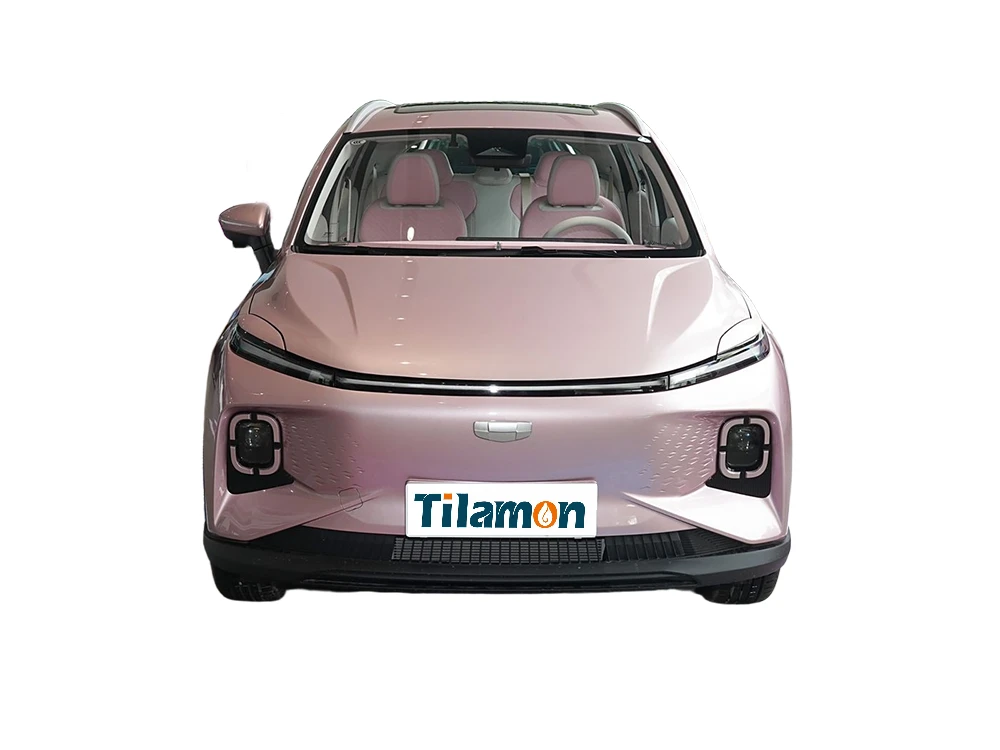
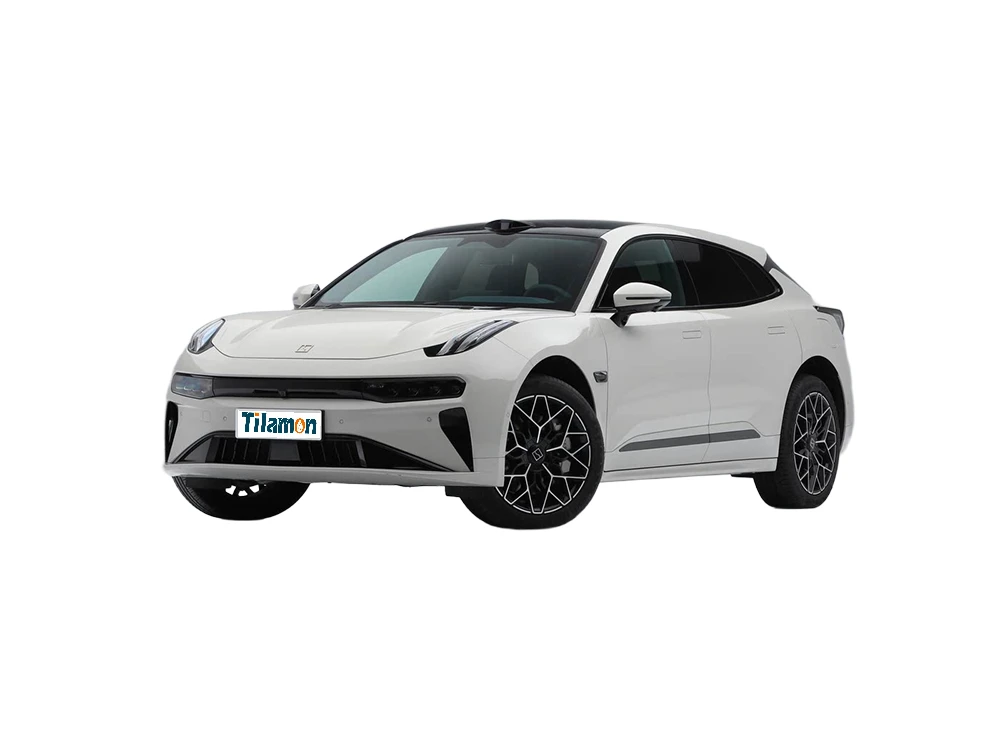
Sustainable Mobility Solutions with new energy vehicle in Colombia

Accelerating Colombia's transition to green transport through advanced Chinese automotive engineering and flexible ownership models.

Sustainable Mobility Solutions with new energy vehicle in Colombia

Providing high-efficiency, low-emission automotive solutions tailored for the unique Andean geography and urban centers of Colombia.

Current Automotive Landscape in Colombia

Analyzing the shift from internal combustion engines to electrified transport.

Colombia's automotive market is currently navigating a critical transition. In cities like Bogotá and Medellín, steep altitudes and dense urban congestion have historically favored diesel engines, but strict emission regulations are now driving the demand for a new chinese ev to reduce smog and operational costs.

The economic environment has created a bifurcated market. While the upper-middle class seeks the latest new energy ev models, a significant portion of the population relies on the secondhand vehicle market to maintain mobility amidst fluctuating currency values.

Infrastructure development is catching up, with an increase in fast-charging stations along the main corridors connecting the coast to the interior. This supports the proliferation of the new energy vehicle segment, making electric transit viable for inter-city travel.
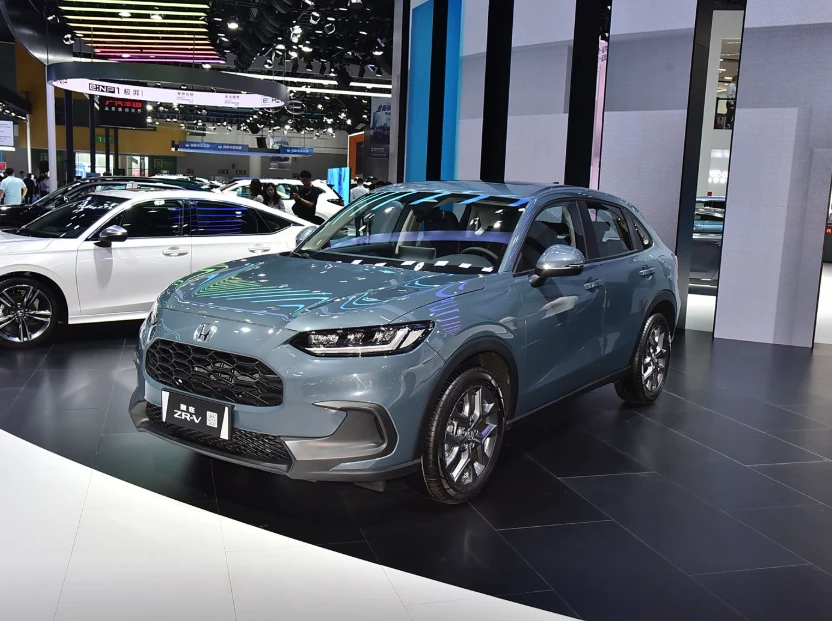
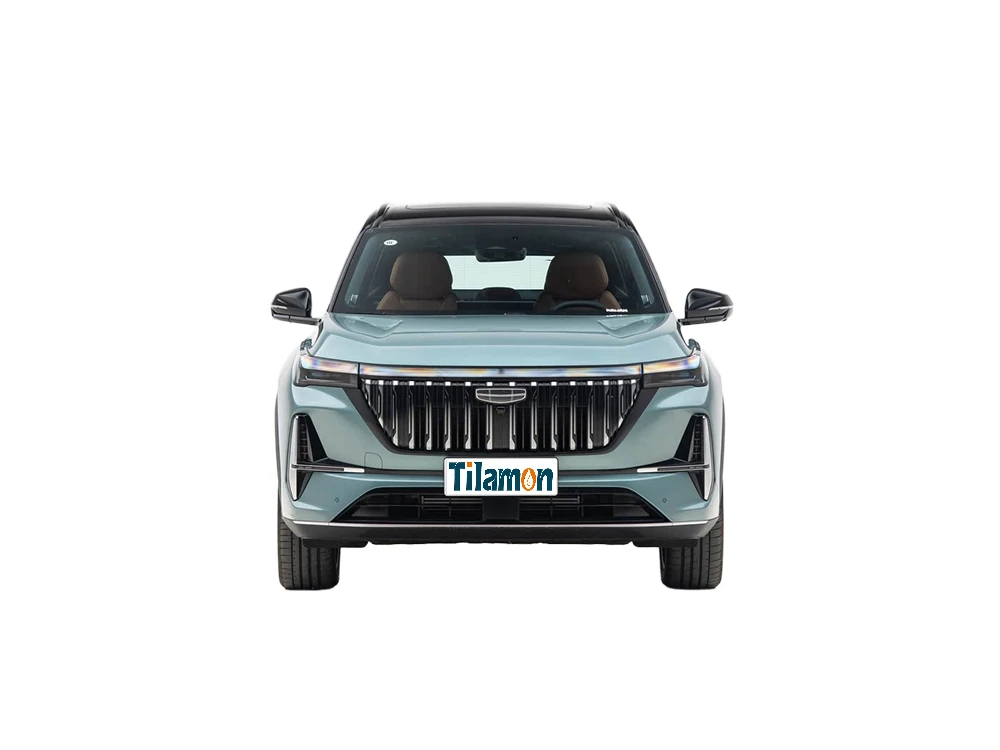
Evolution and Development Trajectory

From traditional combustion to the era of intelligent electrification.

Market Development History

From 2010 to 2018, Colombia's market was dominated by traditional ICE vehicles and a robust trade in 2 nd hand cars. The focus was primarily on durability and mechanical simplicity to handle the rugged Andean terrain.

Between 2019 and 2022, the government introduced tax incentives and "Green Plates," triggering the first wave of new energy vehicle imports. This period saw the entry of diversified Chinese brands offering competitive battery technology.

Since 2023, the market has shifted toward "Intelligent EVs," where software-defined vehicles and integrated energy management systems have become the standard for any new chinese ev entering the local market.

Future Development Trends

V2G (Vehicle-to-Grid) Integration

Integrating EVs into Colombia's hydroelectric-heavy grid to balance peak loads during high-demand periods in metropolitan areas.

Circular Battery Economy

Developing local hubs for battery recycling and second-life applications to reduce the environmental impact of the new energy ev lifecycle.

Expansion of Micro-Mobility

A surge in electric light-duty vehicles and three-wheelers to solve the "last-mile" delivery challenge in dense Colombian neighborhoods.

Industry Trends and Future Outlook

Predicting the next frontier of Colombian automotive manufacturing and distribution.

AI-Driven Battery Management
Implementing AI to optimize range and battery health specifically for the high-altitude climbs of the Colombian Andes.
Charging Network Density
Rapid expansion of ultra-fast charging hubs in key cities like Cali and Barranquilla to eliminate range anxiety.
Hybridized Market Models
A surge in demand for certified pre-owned electrics, bridging the gap between new and used vehicle segments.
Localized Assembly Hubs
Moving from pure imports to local CKD (Complete Knock-Down) assembly to reduce tariffs and create local jobs.

Industry Outlook

Over the next 3-5 years, search trends indicate a massive pivot toward "affordable electrification" in South America. We expect the new energy ev market to grow by 25% CAGR as battery costs drop and public trust in Chinese manufacturing reaches an all-time high.

The integration of smart-city infrastructure in Bogotá will likely catalyze the adoption of fleet-based EVs, shifting the ownership model from individual purchase to "Mobility as a Service" (MaaS).

Localized Application Scenarios in Colombia

Real-world implementations of EV technology across Colombian landscapes.

1. Bogota Urban Commuting

Utilizing compact new chinese ev models to bypass congestion and leverage "Pico y Placa" exemptions, reducing daily commute times.

2. Coffee Axis Logistics

Deploying rugged new energy vehicle trucks for the transport of coffee beans from farms to processing centers in the Eje Cafetero.

3. Medellin Tourism Shuttles

Implementation of quiet, zero-emission new energy ev shuttles for tourists navigating the valley's steep topography.

4. Coastal Port Distribution

Using high-torque electric vans in Cartagena and Barranquilla for efficient port-to-warehouse logistics, reducing maritime pollution.

5. Affordable Youth Mobility

Integrating certified 2 nd hand cars and electric hybrids for university students, providing eco-friendly transport at an accessible price point.

Brand Story

Global Development History of Shijiazhuang Zhenming Chemical Co., Ltd.

Foundational Excellence

Established with a commitment to chemical precision, providing the essential raw materials required for high-performance automotive polymers.

Technological Pivot

Transitioning our R&D to support the electric revolution, focusing on specialized materials for battery casings and thermal management.

Global Expansion

Scaling our operations to South America, ensuring that Colombian manufacturers have access to world-class automotive chemical components.

Sustainability Leadership

Implementing green chemistry protocols to ensure that every component of a new energy vehicle is produced ethically.

Future Vision

Striving to be the primary chemical backbone for the entire EV ecosystem in Colombia, from battery cells to chassis coatings.

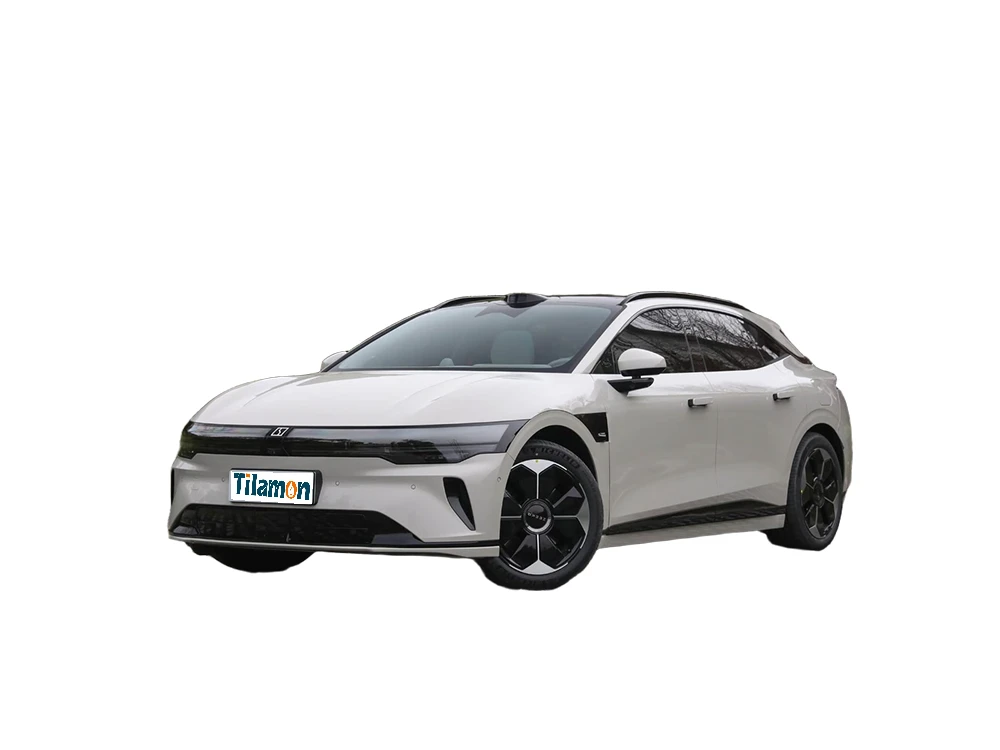
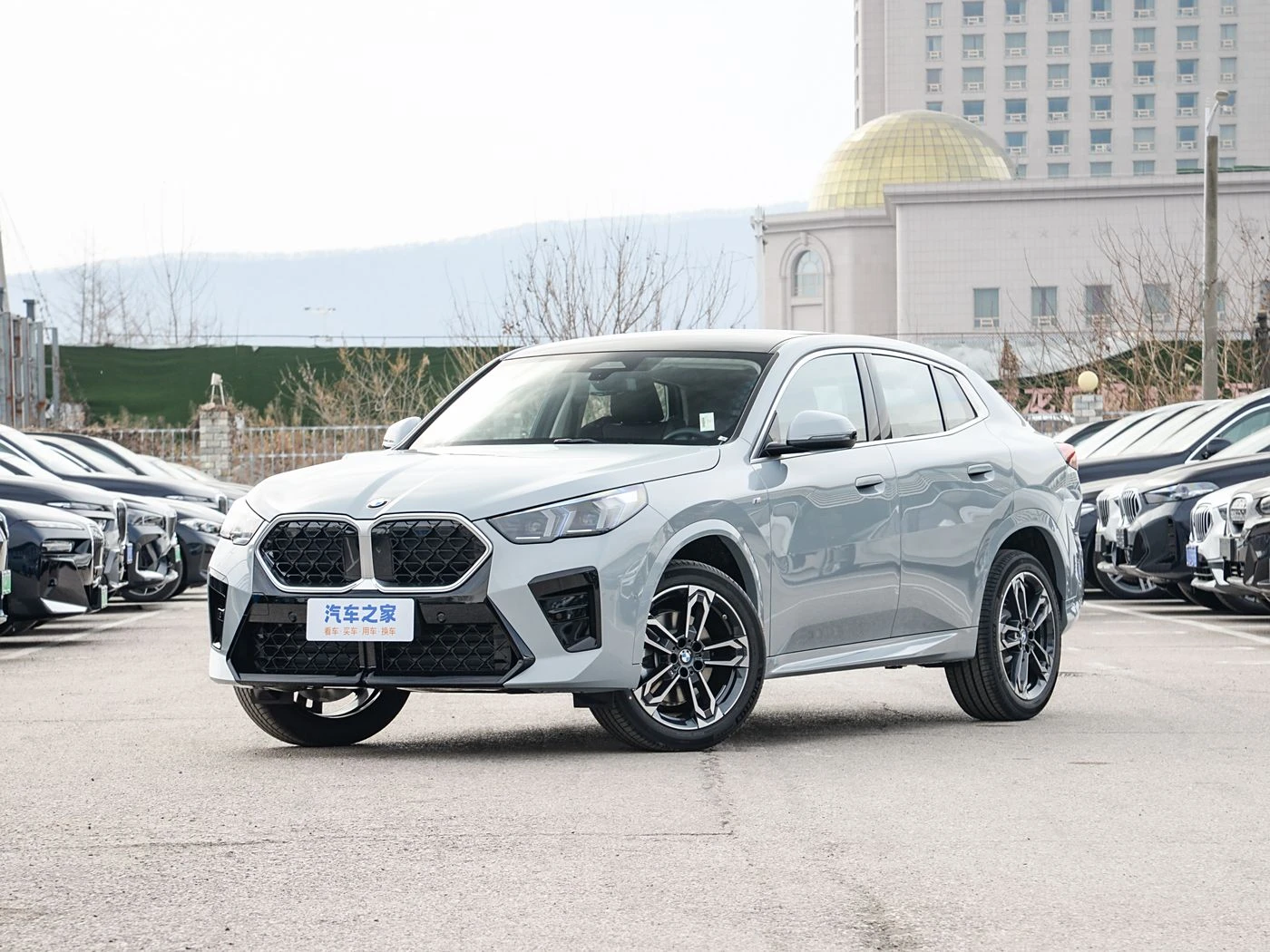
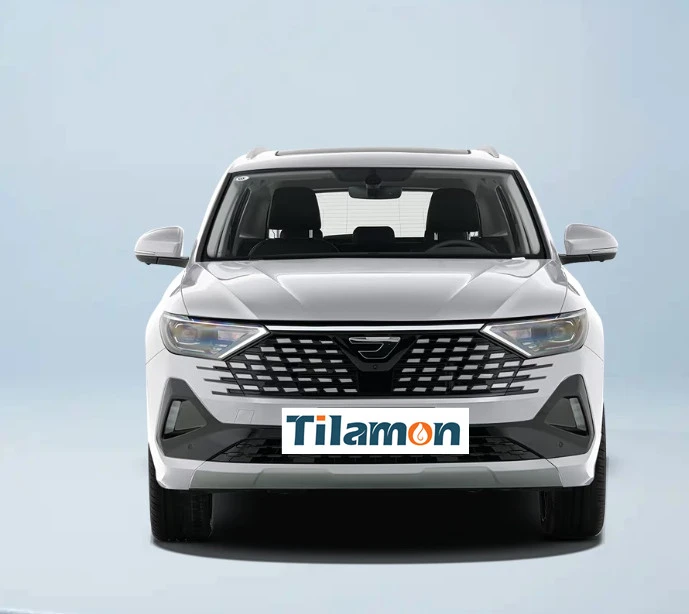
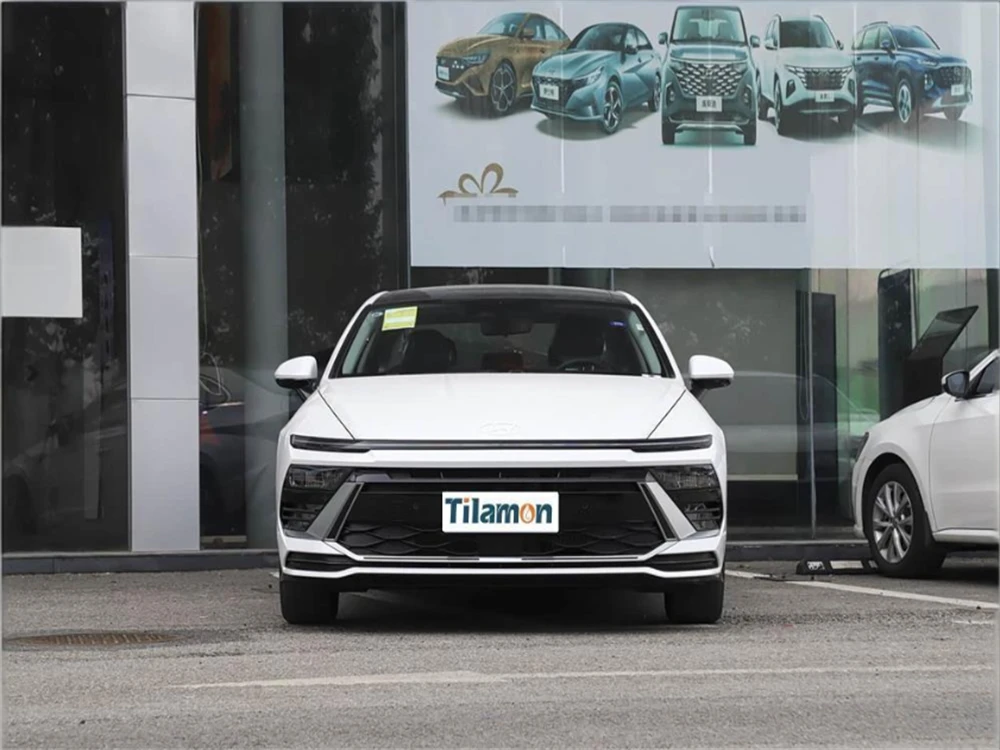
Complete Vehicle Portfolio for the Colombian Market

From luxury electric sedans to economical pre-owned options.

Colombia EV Market FAQ

Everything you need to know about transitioning to electric mobility in Colombia.

What are the tax benefits for buying a new energy vehicle in Colombia?

Buyers can benefit from significantly reduced VAT (IVA) and exemption from several municipal taxes, as well as exemptions from "Pico y Placa" traffic restrictions in major cities.

How does a new chinese ev perform in the high altitudes of Bogotá?

Modern Chinese EVs use advanced regenerative braking and optimized torque delivery, which often outperform traditional combustion engines in thin-air, high-altitude environments.

Is it safe to buy a secondhand vehicle if it is electric?

Yes, provided you get a professional State of Health (SoH) report on the battery. Our certified pre-owned programs ensure the battery capacity is verified.

Where can I find charging stations for my new energy ev?

Charging networks are expanding rapidly across the main highways and within shopping centers in Medellin, Bogota, and Cali.

What is the difference between a new energy vehicle and a traditional hybrid?

A new energy vehicle typically refers to BEVs (Battery Electric) or PHEVs (Plug-in Hybrids) that can be charged via an external power source, offering far lower emissions.

Why choose 2 nd hand cars over new ones for urban delivery?

For high-frequency, short-distance delivery, certified used electric vehicles provide a faster ROI due to lower initial capital expenditure and minimal fuel costs.

Ready to Electrify Your Journey?

Contact our specialist team today for tailored fleet solutions and individual ownership plans in Colombia.

Contact Us Now

If you are interested in our products, you can choose to leave your information here, and we will be in touch with you shortly.