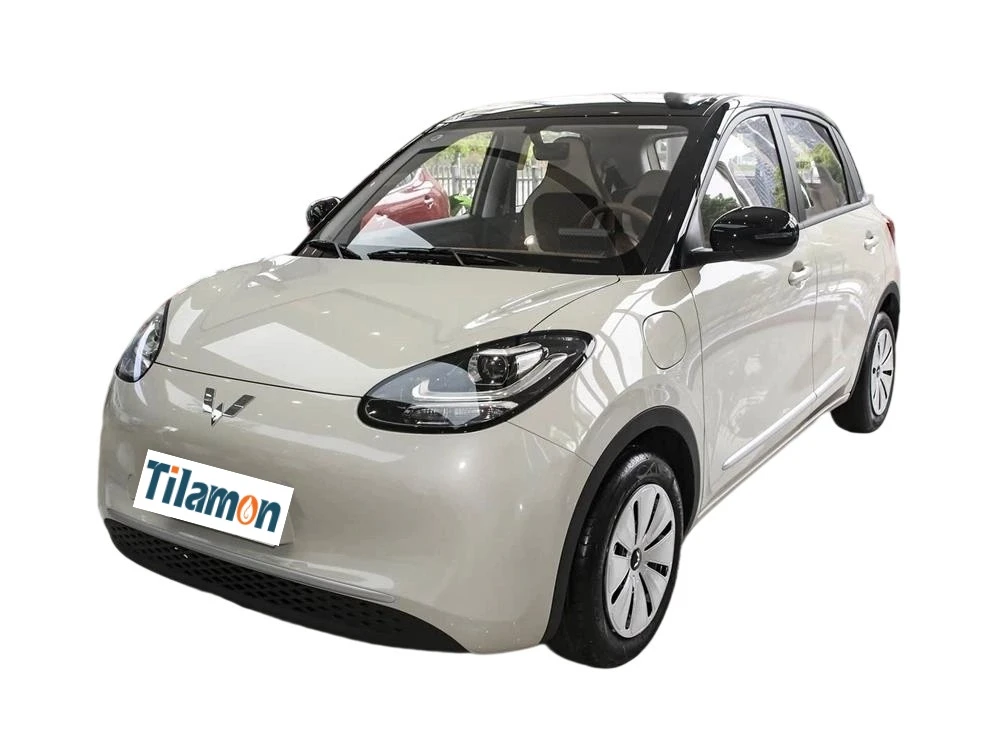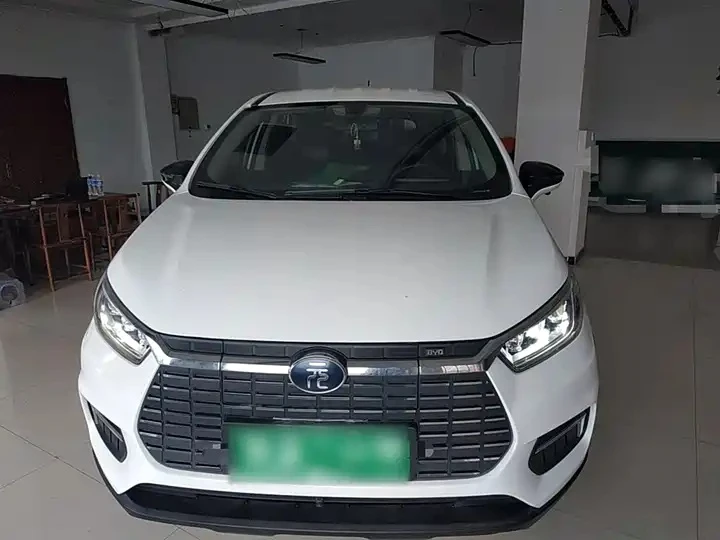
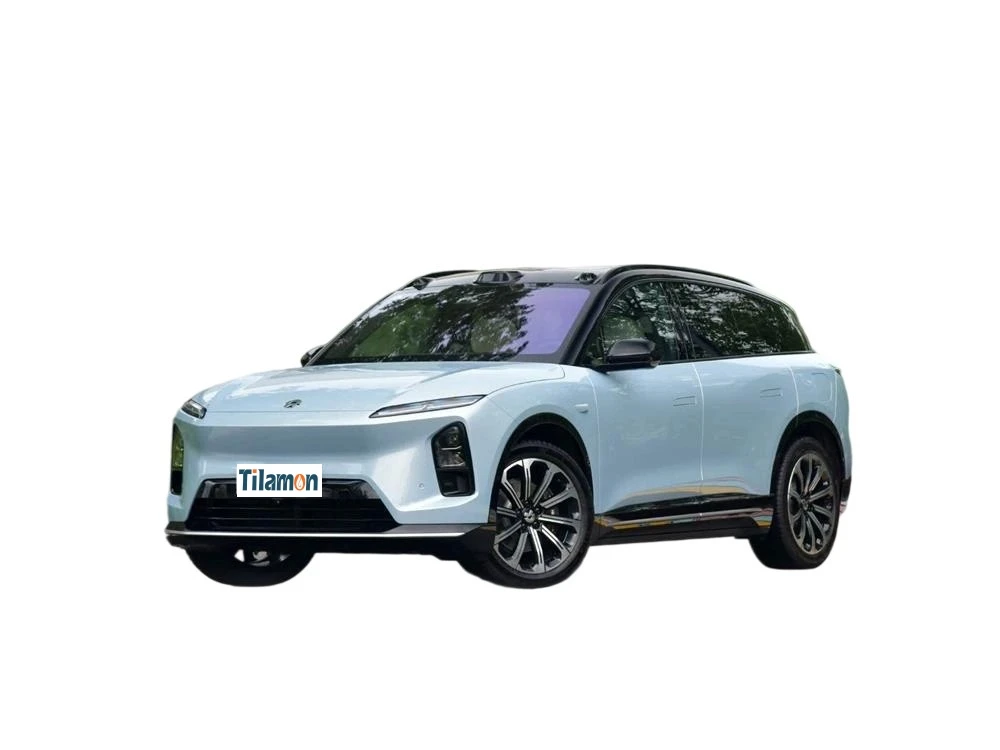
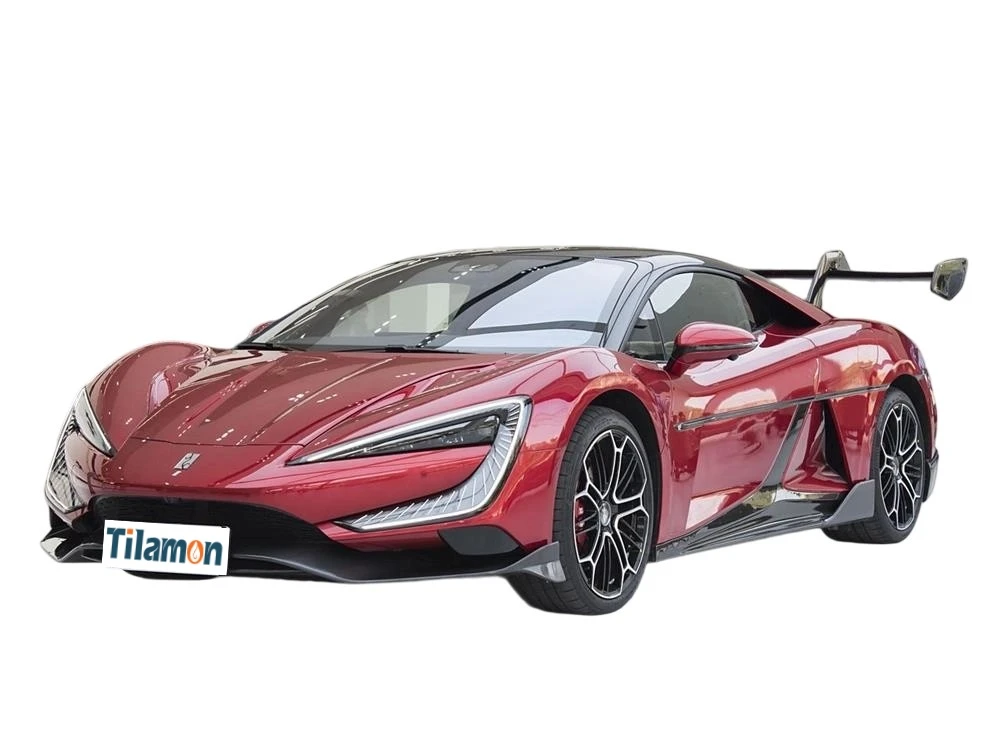
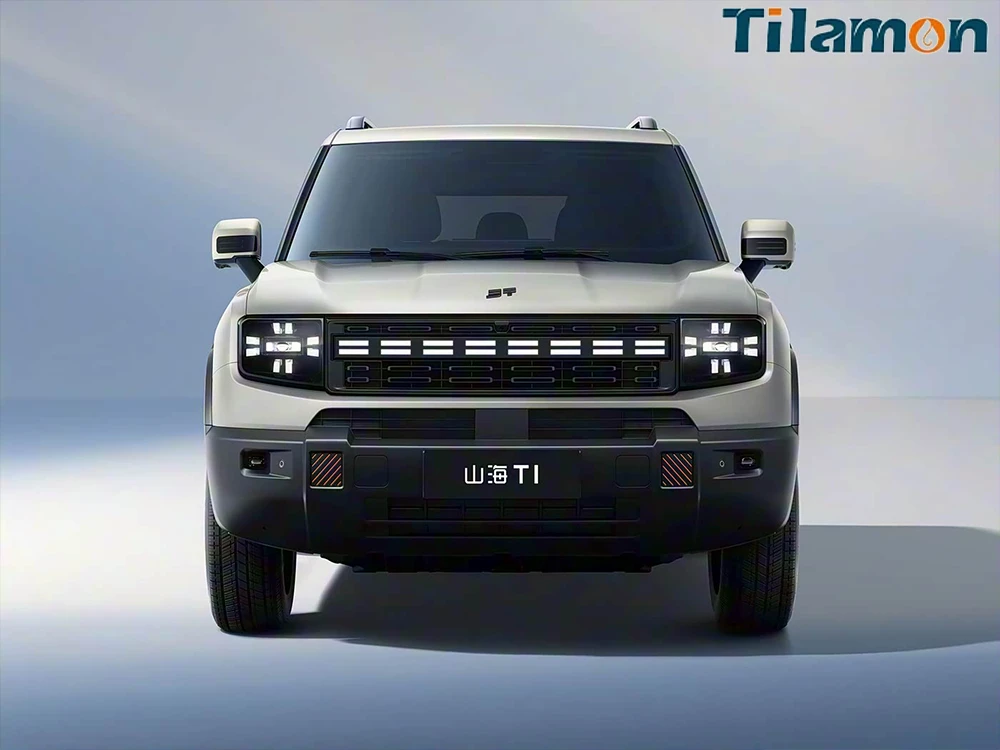
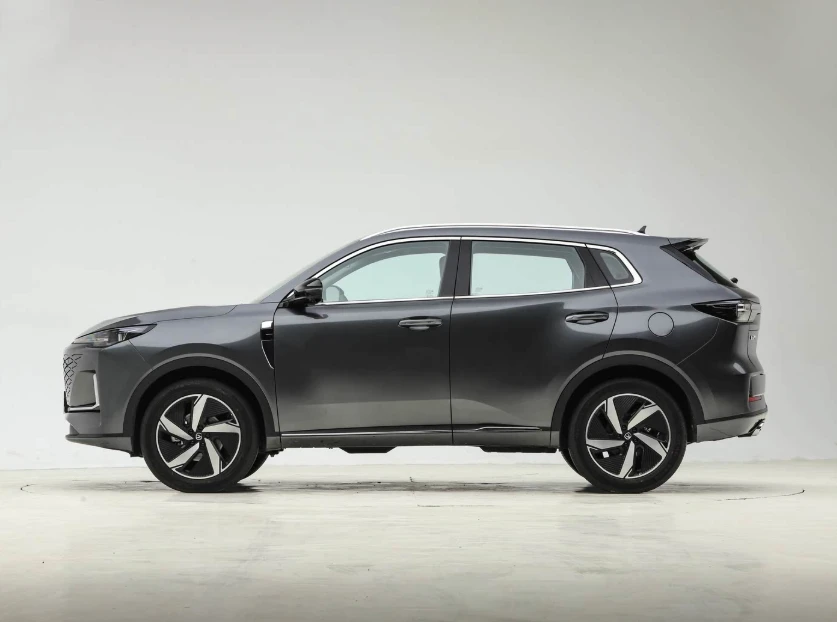
Sustainable Mobility Solutions: Premium new energy vehicle for Austria

Driving the future of Alpine transportation with cutting-edge efficiency, integrating high-performance Chinese EV technology into the heart of Europe.

Sustainable Mobility Solutions: Premium new energy vehicle for Austria

Providing Austria's automotive market with an advanced ecosystem of electric mobility, ranging from high-tech new arrivals to sustainable pre-owned options.

The Landscape of Electric Mobility in Austria

Analyzing the intersection of Alpine geography and the surge of New Energy Vehicles.

Austria's unique topography, characterized by the Alps, presents specific challenges for EV adoption, particularly regarding battery performance in cold climates and the need for robust regenerative braking. However, the Austrian government's aggressive carbon neutrality goals have paved the way for the rapid introduction of the new energy ev sector, shifting consumer preference toward zero-emission travel.

In urban centers like Vienna and Salzburg, there is a growing demand for compact yet powerful electric cars that can navigate narrow medieval streets while providing long-range capability for weekend trips to the mountains. This has created a lucrative gap for the new chinese ev market, which offers superior battery density and smart-cockpit technology at competitive price points.

Furthermore, a sustainable circular economy is emerging. As the first wave of early adopters upgrades, the market for secondhand vehicle options is expanding, making electric mobility accessible to a broader demographic of Austrian citizens who prioritize environmental stewardship without compromising on luxury.
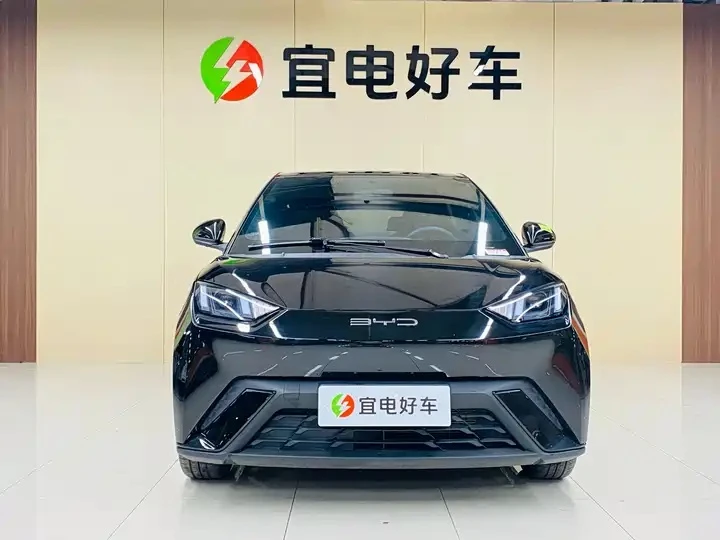
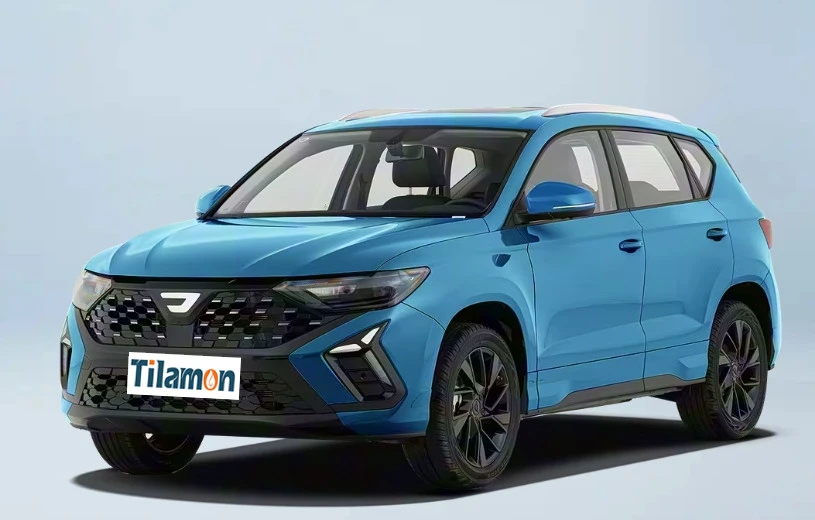
Evolution of Automotive Technology in the Austrian Market

From internal combustion dominance to the era of intelligent electrification.

Market Development History

Until the mid-2010s, the Austrian market was dominated by traditional combustion engines, with a strong preference for diesel for long-distance Alpine hauling. The first pivot occurred around 2018, as EU emission standards tightened and the first generation of mass-market EVs began appearing in Viennese showrooms.

Between 2020 and 2023, a technological leap occurred. The integration of LFP and NMC battery chemistries allowed vehicles to maintain efficiency during harsh Austrian winters. During this period, we saw the rise of the 2 nd hand cars market specializing in certified electric powertrains, ensuring reliability for the second owner.

By 2024, the entry of highly digitized Chinese brands revolutionized the "smart car" concept in Austria. The focus shifted from mere "electric range" to "software-defined vehicles," integrating AI-driven navigation and autonomous parking, which are essential for dense European urban environments.

Future Development Trends

V2G (Vehicle-to-Grid) Integration

Austria is expected to lead in V2G technology, allowing EVs to act as decentralized energy storage for the national grid, stabilizing power during peak winter heating periods.

Solid-State Battery Adoption

The transition toward solid-state batteries will eliminate range anxiety for long-distance travel across the Alps, offering faster charging times and higher safety profiles.

Hyper-Personalized Digital Ecosystems

Future vehicles will evolve into "living spaces" with AI that predicts the driver's needs based on Austrian traffic patterns and weather forecasts.

Industry Trends and Future Outlook

Forecasting the trajectory of the New Energy automotive sector in Europe.

Intelligent Battery Management
Implementation of AI-thermal systems to optimize battery life in the sub-zero temperatures of the Austrian Alps.
Autonomous Alpine Navigation
Advanced ADAS tailored for winding mountain roads and unpredictable snow conditions for maximum safety.
Circular Battery Economy
Establishing standardized battery recycling and second-life storage systems within the Austrian industrial hub.
Ultra-Fast Charging Hubs
Deployment of 350kW+ charging stations along the Autobahn networks to facilitate seamless inter-city travel.

Industry Outlook

Based on Google search trends for "electric mobility Austria," there is a significant uptick in queries related to "cost-effective EVs" and "battery longevity." This suggests that the market is moving from "luxury novelty" to "practical necessity," favoring brands that offer high value-to-performance ratios.

Over the next 3-5 years, we predict a convergence of automotive manufacturing and energy management. The integration of solar-powered charging stations across Austrian villages will further decrease the reliance on the central grid, making the electric transition truly sustainable.

Localized Application Scenarios in Austria

Practical implementation of New Energy Vehicles across various Austrian lifestyles.

01. Urban Commuting in Vienna

Utilizing compact EVs for daily navigation through Vienna's Ringstraße, benefiting from zero-emission zones and dedicated electric parking permits.

02. Alpine Leisure Travel

Employing high-torque electric SUVs for trips to Tyrol or Vorarlberg, where regenerative braking efficiently captures energy during steep descents.

03. Sustainable Corporate Fleets

Austrian enterprises transitioning their delivery fleets to electric vans to meet strict ESG targets and reduce operational costs in city centers.

04. Eco-Friendly Rural Transit

Integrating mid-range EVs in rural villages, leveraging home solar panels for overnight charging to achieve near-zero cost per kilometer.

05. Smart Pre-owned Trading

Accessing certified secondhand vehicle platforms to provide affordable, low-emission transport for students and young professionals.

Brand Story

Global Development Journey of Shijiazhuang Zhenming Chemical Co., Ltd.

Foundational Innovation

Starting as a specialist in chemical materials, we identified the critical need for higher-purity components in battery electrolyte production to solve energy density pain points.

Industrial Expansion

We expanded our manufacturing capabilities to support the entire automotive supply chain, focusing on the materials that make long-range EVs possible.

European Market Entry

Recognizing Austria's leadership in green energy, we tailored our chemical solutions to withstand European climate extremes, ensuring battery stability.

Sustainable Integration

We pivoted toward a "Circular Chemistry" model, developing methods to recover precious metals from spent batteries to support the EV ecosystem.

Global Vision 2030

Our mission is to eliminate the material bottlenecks of the electric transition, making clean energy transport a global reality for every driver.

Comprehensive EV Portfolio for the Austrian Market

From state-of-the-art new releases to certified pre-owned electric gems.

Austrian Electric Mobility FAQ

Answers to the most common questions regarding EV ownership in Austria.

How does the cold Austrian winter affect a new chinese ev range?

Modern Chinese EVs are equipped with advanced heat pumps and battery thermal management systems that significantly mitigate range loss during winter, ensuring reliable performance even in the Alps.

Are there tax incentives for buying a new energy ev in Austria?

Yes, Austria offers various incentives including NoVA tax exemptions for zero-emission vehicles and potential subsidies for home charging station installation.

What should I check when buying a secondhand vehicle with a battery?

The most critical factor is the State of Health (SoH) report of the battery. We provide certified battery diagnostic reports for all our pre-owned electric vehicles.

Is the charging infrastructure sufficient for a new energy vehicle in rural Austria?

Infrastructure is expanding rapidly. With the combination of public fast-chargers and the ability to install home Wallboxes, rural driving is now highly feasible.

How do 2 nd hand cars compare in value retention for EVs?

Value retention is increasingly tied to battery health and software update availability. High-tech EVs with over-the-air (OTA) updates tend to hold their value better.

What is the average charging time for a modern new energy vehicle in Vienna?

Using ultra-fast DC chargers, many modern EVs can charge from 10% to 80% in under 30 minutes, making urban top-ups extremely efficient.

Ready to Transition to Electric?

Our experts are ready to help you find the perfect sustainable drive for the roads of Austria.

Contact Us Now

If you are interested in our products, you can choose to leave your information here, and we will be in touch with you shortly.