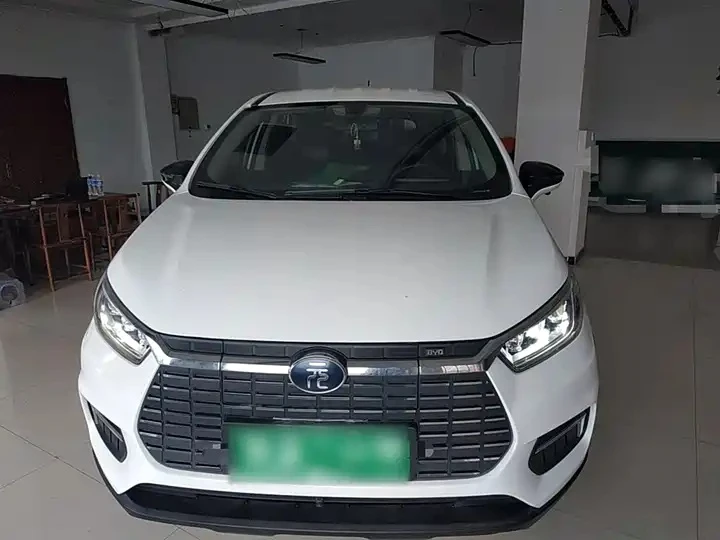
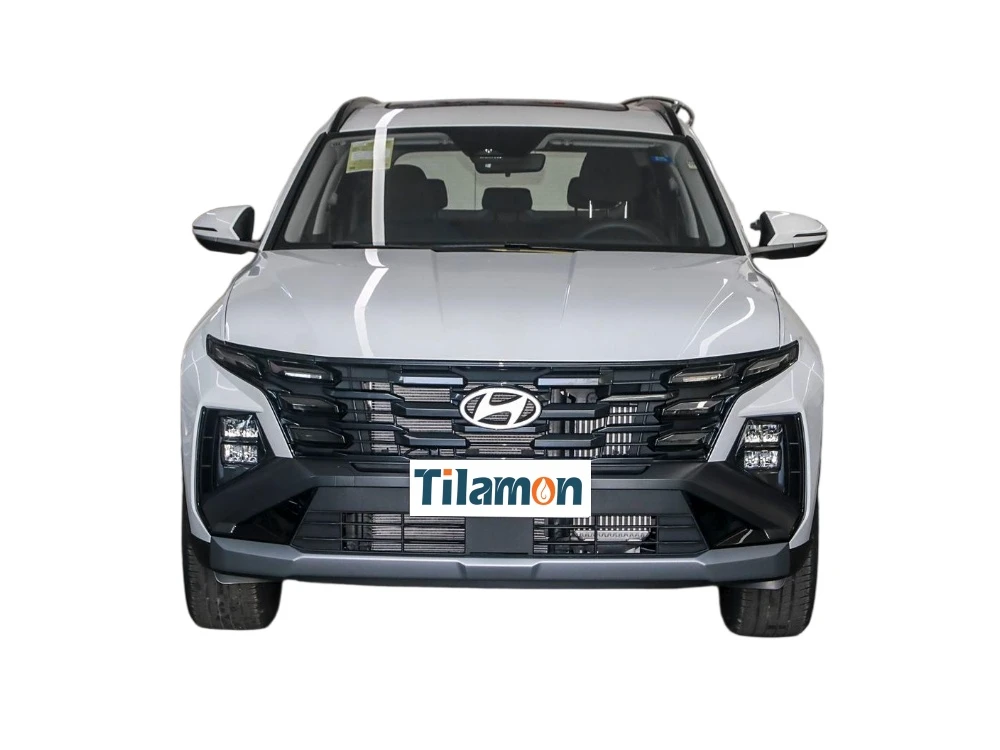
Sustainable Mobility Solutions for new energy vehicle in Germany

Driving the future of German automotive engineering with cutting-edge electric mobility and sustainable transport ecosystems.

Sustainable Mobility Solutions for new energy vehicle in Germany

Integrating high-performance battery technology and smart manufacturing to redefine the German automotive landscape through innovative new energy ev solutions.

The Current State of Germany's EV Transition

Analyzing the intersection of traditional engineering excellence and the rise of electric mobility.

Germany, the heart of European automotive manufacturing, is currently navigating a paradigm shift. The demand for a new chinese ev has surged as consumers seek a balance between high-tech software integration and competitive pricing, challenging the established luxury incumbents in cities like Berlin and Munich.

Economic pressures and stringent EU emissions regulations have accelerated the adoption of the new energy vehicle. However, the market is currently bifurcated between premium new entries and a growing reliance on the secondhand vehicle market to make electric mobility accessible to the middle class.

Geographically, Germany's extensive Autobahn network requires EVs with superior thermal management and high-speed charging capabilities. This has led to a specific regional demand for long-range batteries that can withstand both Alpine winters and humid coastal climates.
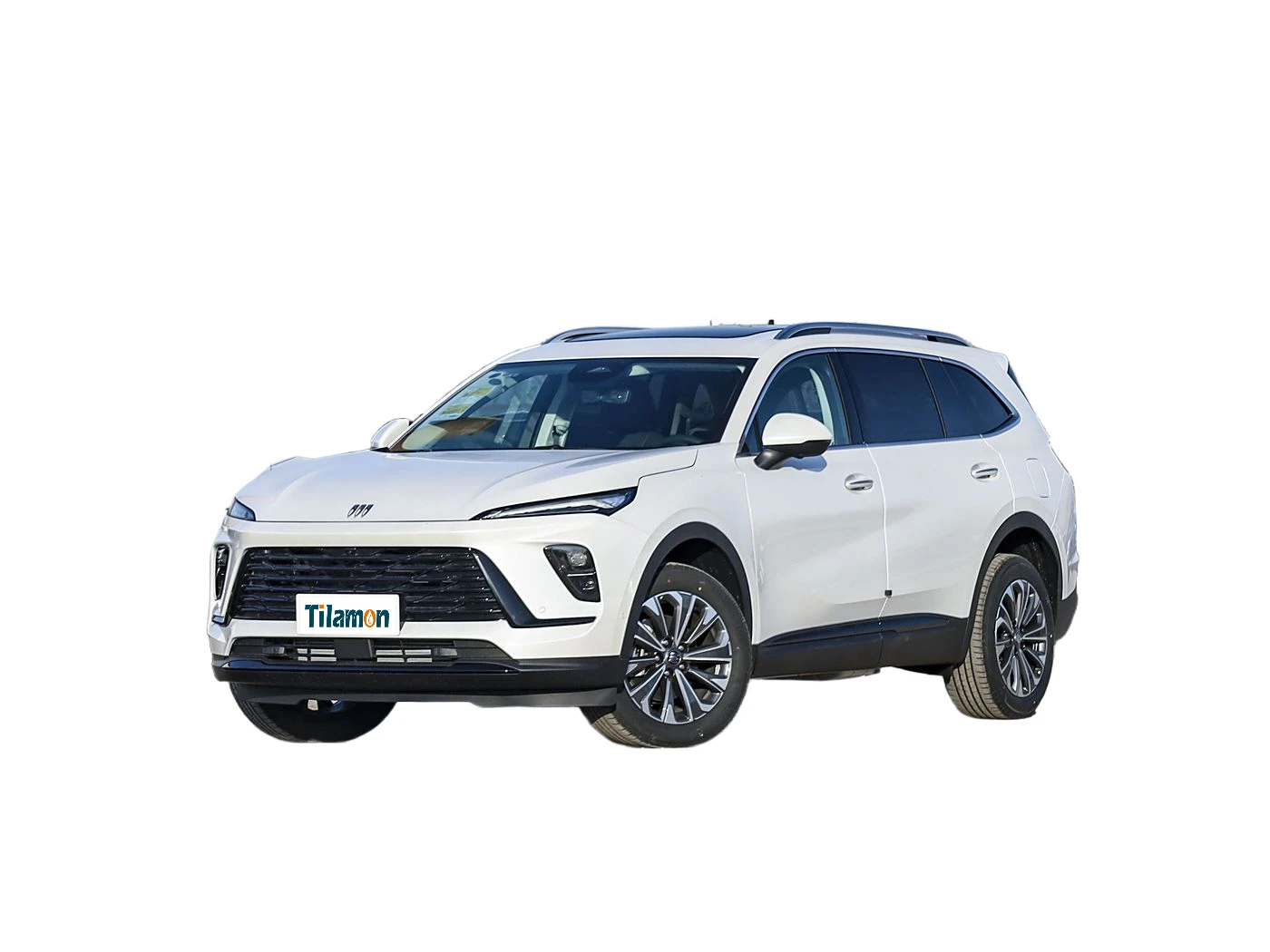
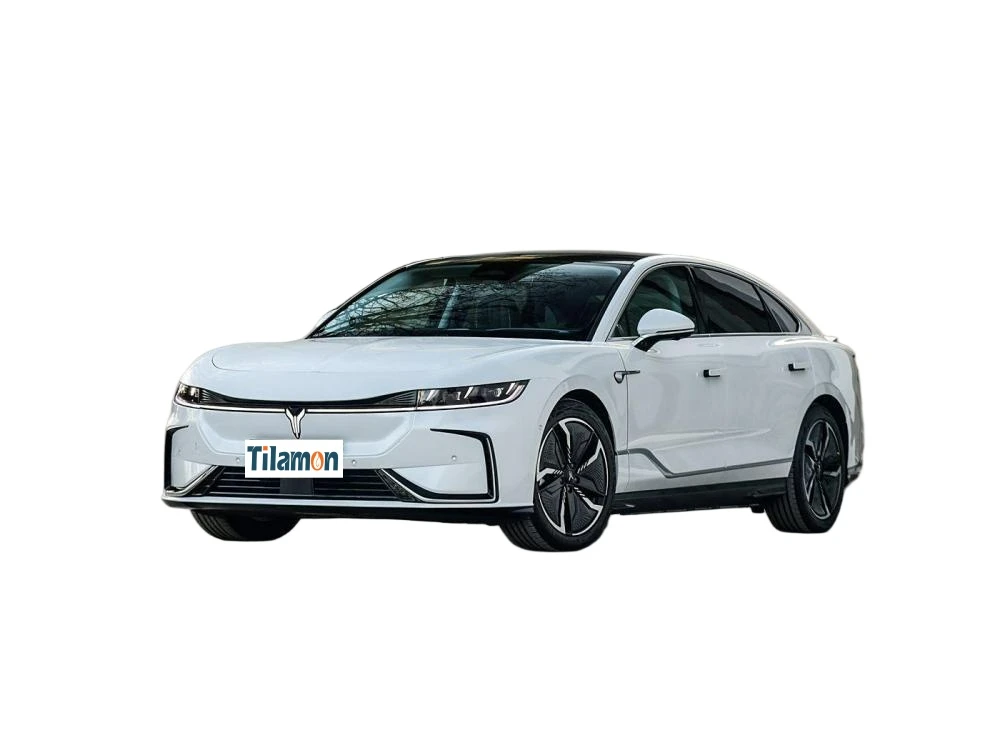
Evolution of Automotive Propulsion in Germany

From the combustion engine legacy to the era of digitalization and electrification.

Market Development History

For decades, Germany dominated via Internal Combustion Engine (ICE) perfection. The transition began in earnest around 2015, as the industry shifted toward hybridization to meet early carbon targets, laying the groundwork for full electrification.

By 2020, the "Electric Revolution" hit a tipping point. The introduction of diverse 2 nd hand cars in the EV segment allowed a broader demographic to test battery technology, reducing "range anxiety" across the federal states.

From 2022 to today, the focus has evolved from mere propulsion to "Software Defined Vehicles" (SDV), where the vehicle's value is driven by OTA updates and autonomous driving capabilities rather than just mechanical torque.

Future Development Trends

Solid-State Battery Integration

Over the next 3 years, we expect a shift from liquid electrolytes to solid-state cells, significantly increasing energy density and safety for German highway speeds.

Circular Economy for Batteries

The rise of battery recycling plants in Germany will transform how we view the secondhand vehicle life cycle, focusing on "second-life" storage applications.

AI-Driven Energy Management

Integration with Germany's smart grid (Smart Metering) will allow EVs to act as decentralized energy storage, optimizing charging costs during wind-energy peaks.

Future Outlook of the German EV Ecosystem

Predicting the trajectory of manufacturing and consumer behavior through 2030.

Hyper-Fast Charging Infrastructure
Deployment of 400kW+ chargers across the Autobahn to match the efficiency of traditional refueling.
Autonomous Urban Logistics
Transitioning city delivery fleets to autonomous electric pods to reduce urban congestion.
V2G (Vehicle-to-Grid) Adoption
EVs becoming active participants in the energy market, selling power back to the grid.
Sustainable Material Sourcing
Shift toward cobalt-free batteries and recycled vegan interiors for eco-conscious drivers.

Industry Outlook

Based on current Google search trends in Germany, there is a significant uptick in queries regarding "battery health certificates" for 2 nd hand cars. This indicates a maturing market where transparency in battery degradation is becoming a primary purchase driver.

Furthermore, the synergy between Chinese manufacturing efficiency and German precision engineering is expected to create a new hybrid model of automotive production, reducing lead times for new energy models significantly.

Localized Applications in the German Market

Practical implementation of EV technology across diverse German regional needs.

01. Corporate Fleet Electrification in Frankfurt

Large financial enterprises are replacing executive sedans with high-end electric models to meet ESG targets and utilize city-center low-emission zones.

02. Last-Mile Logistics in Hamburg Port

Integration of lightweight electric vans for cargo distribution, reducing noise and air pollution in the dense harbor and city districts.

03. Rural Mobility in Bavaria

Deploying long-range electric SUVs capable of navigating Alpine terrain while utilizing home-based solar charging systems.

04. Urban Ride-Pooling in Berlin

Utilizing standardized EV platforms for shared mobility services to decrease the number of private vehicles in the capital's core.

05. Industrial Shuttles in Stuttgart

Implementation of automated electric shuttles within massive manufacturing campuses to optimize internal logistics and worker transport.

Brand Story

Global Development Journey of Shijiazhuang Zhenming Chemical Co., Ltd.

Foundation of Chemical Excellence

Started as a specialized chemical provider, focusing on the raw materials that would eventually power the next generation of industrial coatings.

Pivoting to EV Materials

Recognizing the shift in the automotive sector, we pivoted our R&D to develop high-purity chemicals essential for battery electrolytes.

European Market Entry

Established strategic partnerships in Germany to align our material science with the rigorous standards of European automotive OEMs.

Innovation in Sustainability

Launched a series of biodegradable and recyclable chemical agents to solve the pain point of hazardous waste in battery manufacturing.

Global Leadership Vision

Today, we stand as a bridge between raw material innovation and the finished vehicle, ensuring a greener planet through chemistry.

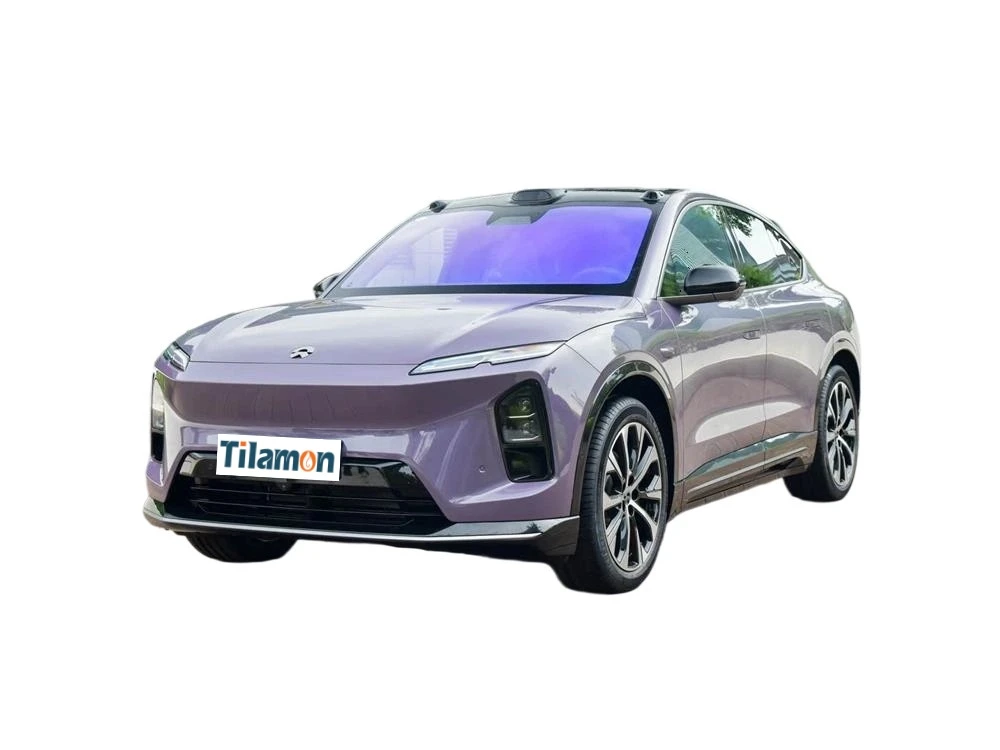
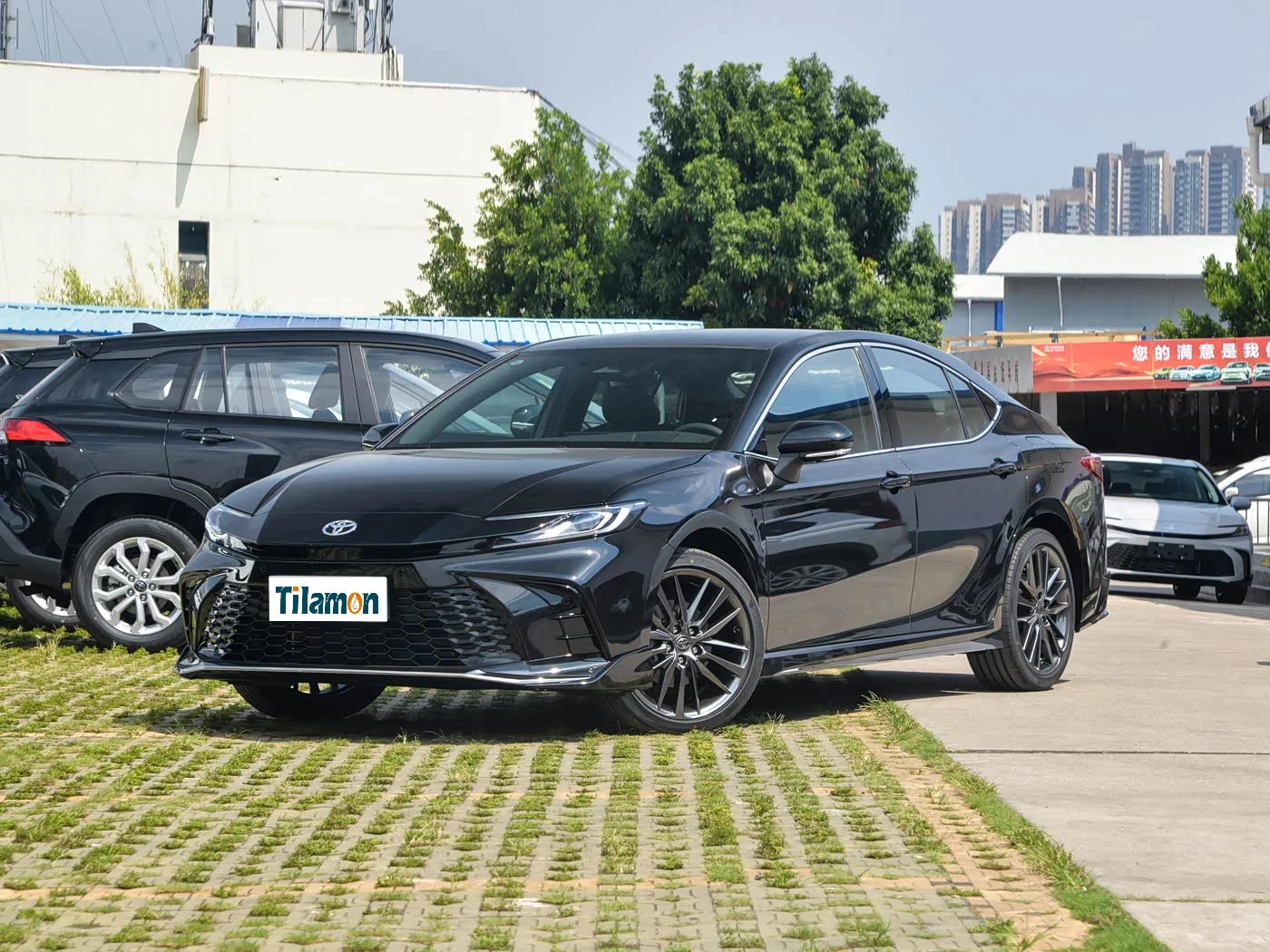
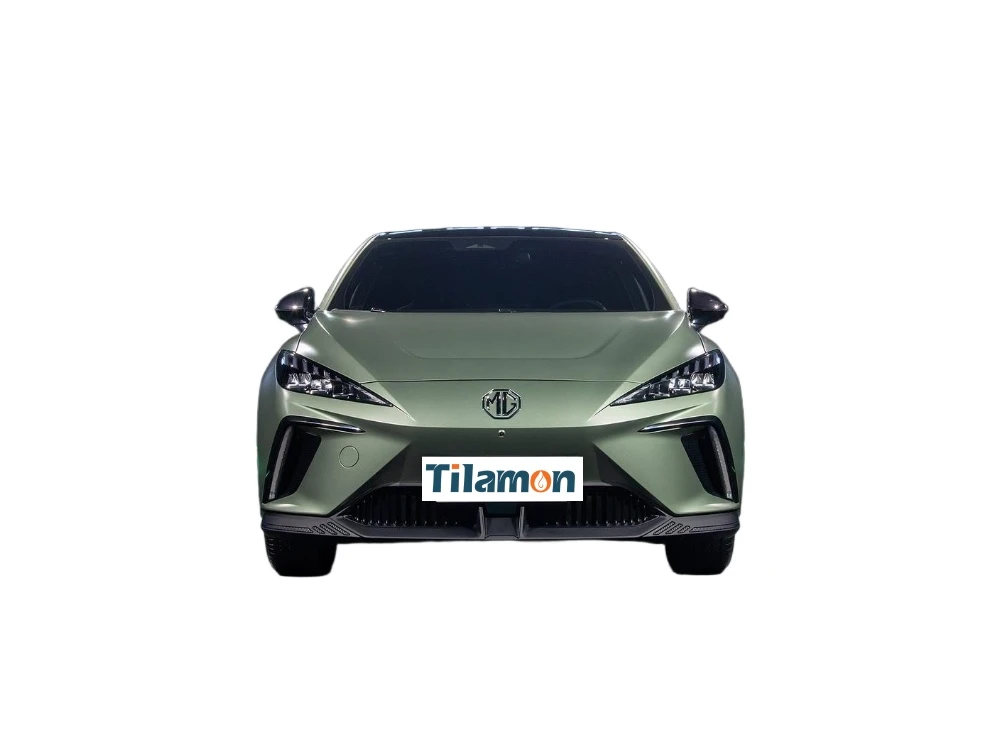
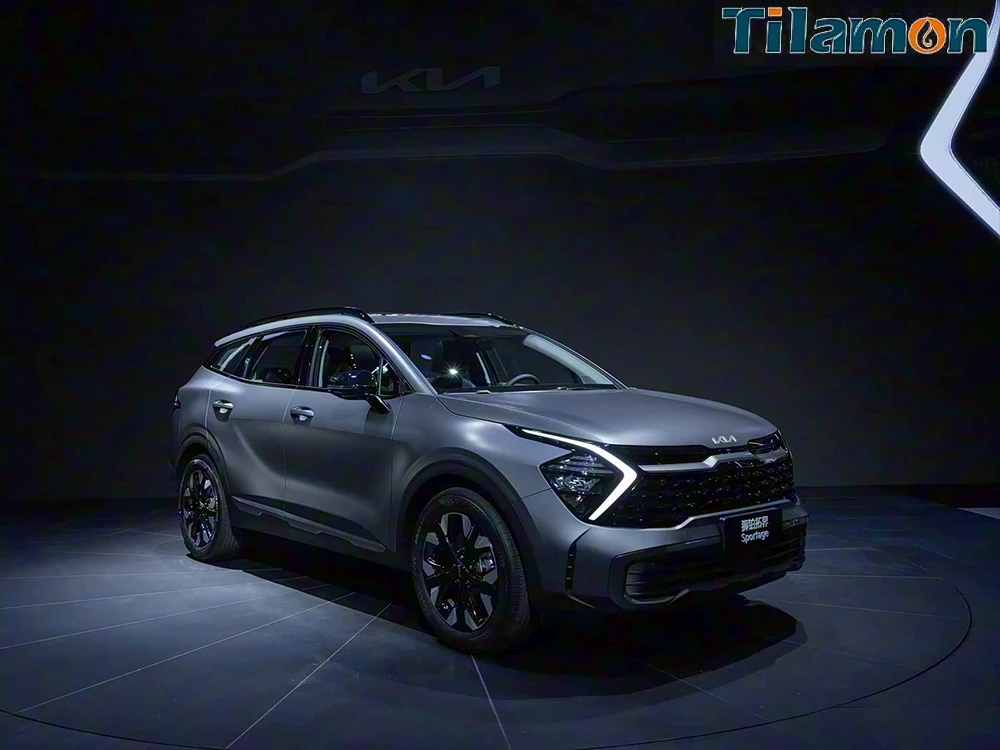
Comprehensive EV Portfolio for the German Market

A curated selection of energy-efficient vehicles tailored for German infrastructure and regulations.

Frequently Asked Questions in Germany

Expert answers to the most common queries regarding electric mobility transition.

How do I verify the battery health of a secondhand vehicle in Germany?

We recommend requesting a SOH (State of Health) certificate from a certified German technician, which measures the remaining capacity against the original factory specs.

Are new chinese ev models compatible with European charging standards?

Yes, all models imported for the German market utilize the CCS2 (Combined Charging System) standard, ensuring full compatibility with all public charging networks.

What are the tax incentives for buying a new energy ev in Germany?

Currently, EV owners benefit from exemptions from vehicle tax (Kraftfahrzeugsteuer) for a specified period, though direct subsidies vary by current government policy.

How does winter weather affect the range of a new energy vehicle?

Cold temperatures can reduce range by 20-30% due to battery chemistry and cabin heating. We recommend models with heat pumps for the German winter.

Is it better to buy a new EV or search for 2 nd hand cars?

New EVs offer the latest battery tech and warranties. However, certified pre-owned options provide significantly better value and lower depreciation costs.

What is the average lifespan of a battery in a modern EV?

Modern batteries are designed to last 8-15 years or approximately 160,000 to 250,000 kilometers before dropping below 70-80% of their original capacity.

Connect With Our EV Experts

Ready to transition to sustainable mobility? Our team in Germany is here to guide you through the best energy-efficient solutions.

Contact Us Now

If you are interested in our products, you can choose to leave your information here, and we will be in touch with you shortly.