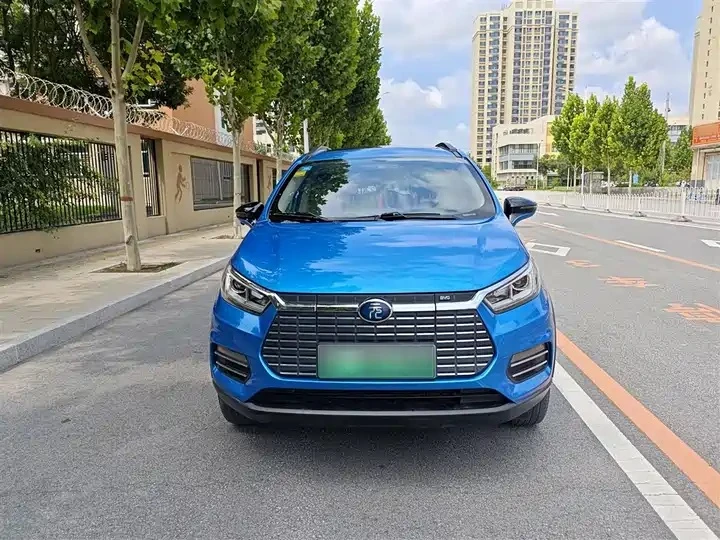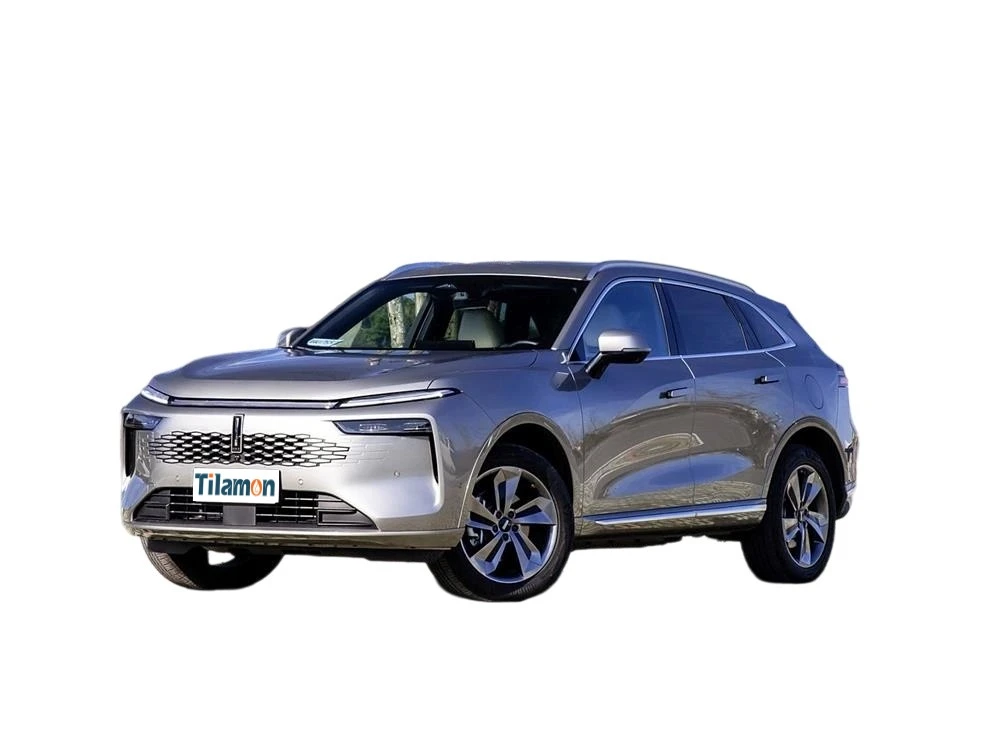
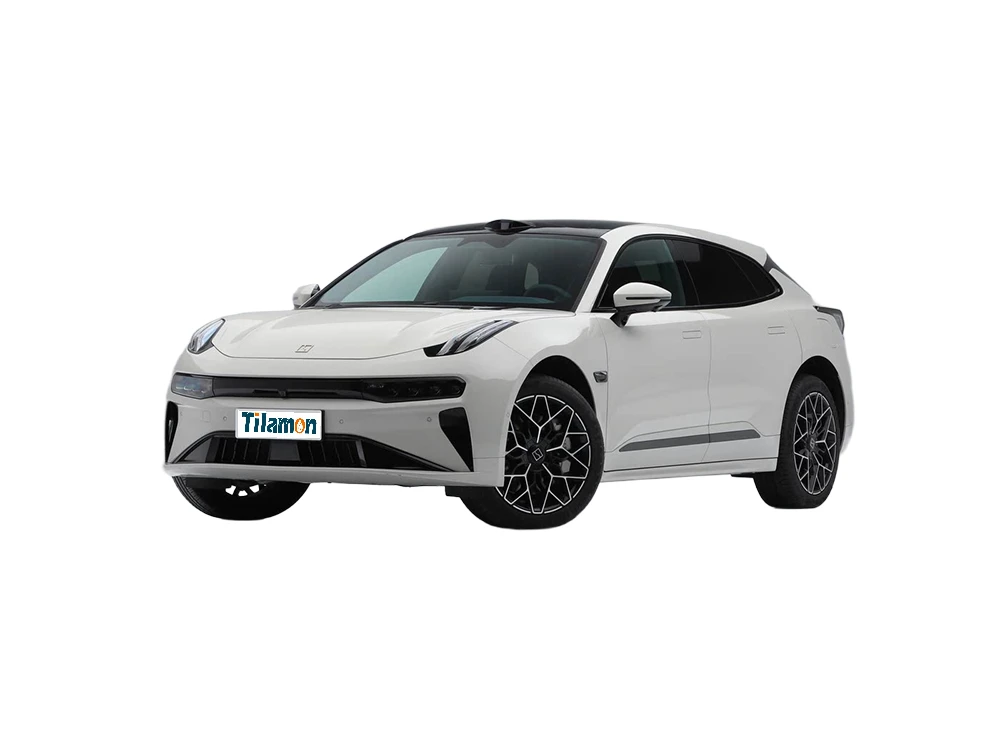
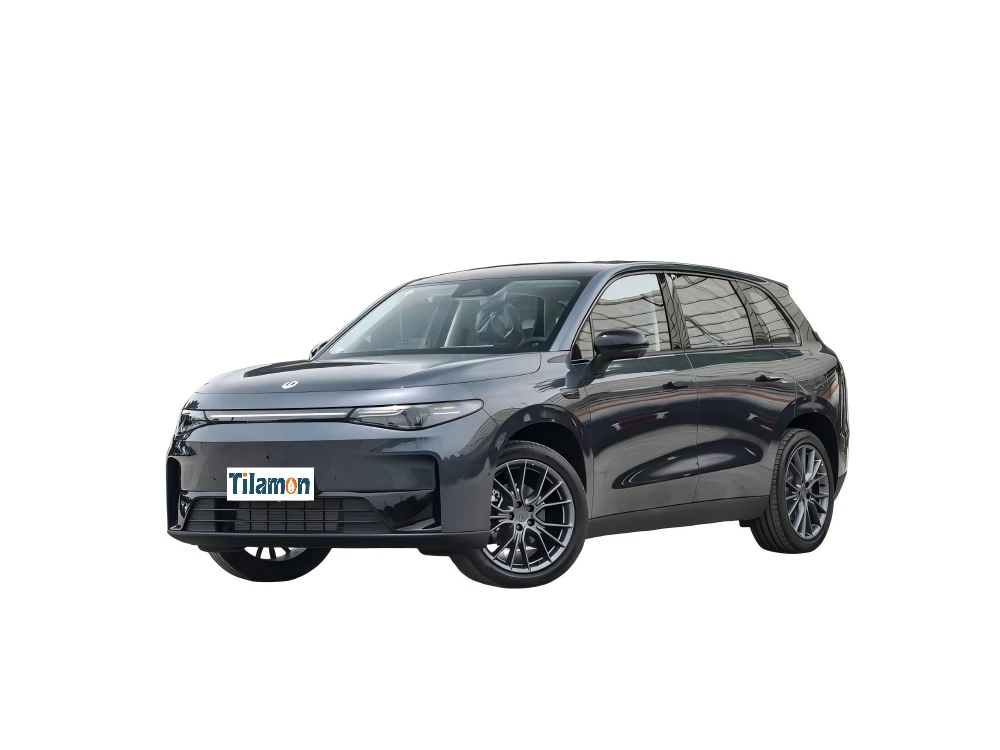
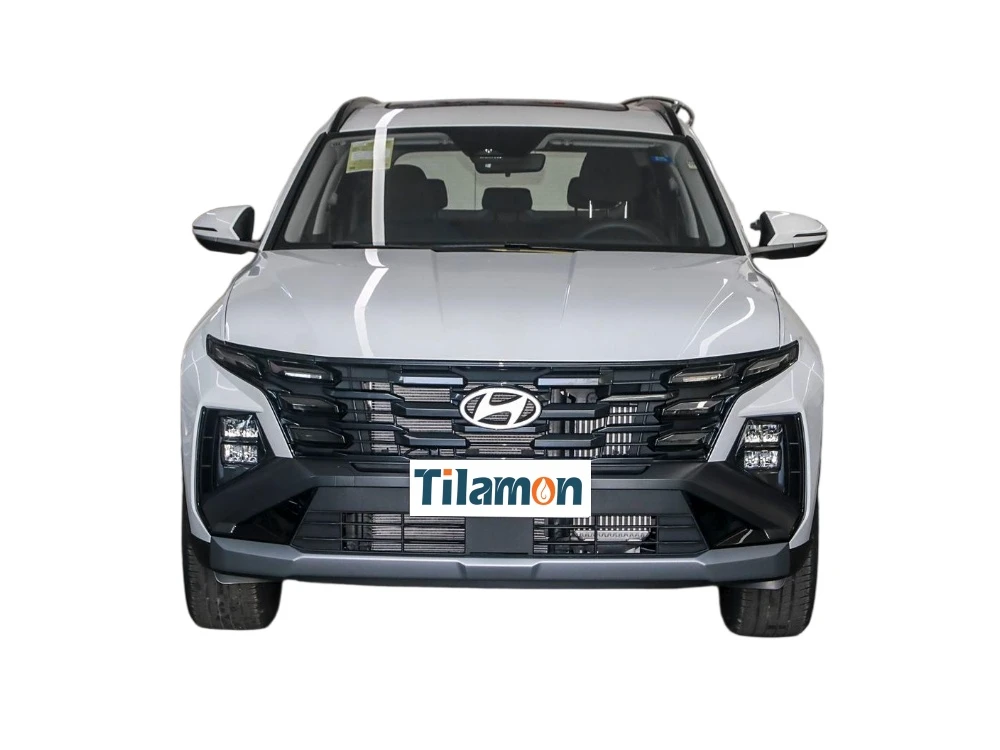
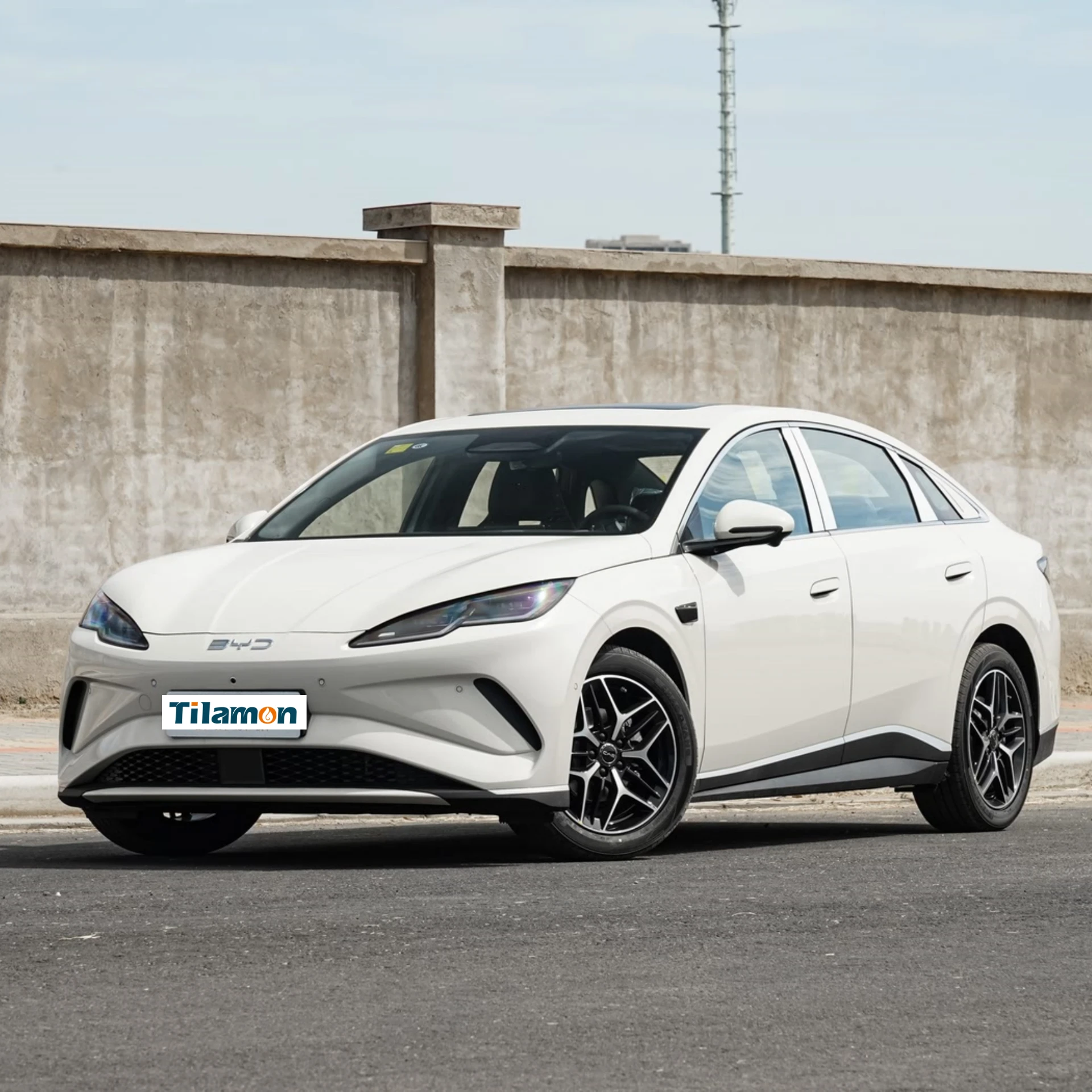
Poland sustainable mobility via new energy vehicle integration

Driving the automotive revolution in Poland with advanced electric propulsion and high-efficiency manufacturing standards for a greener tomorrow.

Poland sustainable mobility via new energy vehicle integration

We provide comprehensive automotive manufacturing solutions tailored for the Polish market, blending cutting-edge electric technology with sustainable supply chain management.

The State of Automotive Transition in Poland

Analyzing the shift from internal combustion to electric mobility in Central Europe.

Poland is currently witnessing a strategic pivot in its automotive landscape. Due to the temperate climate and the increasing urban density in cities like Warsaw and Kraków, there is a surging demand for a new energy ev that can withstand winter battery drain while reducing urban smog.

The economic environment in Poland, characterized by strong industrial ties to Germany and the EU, has created a fertile ground for the adoption of new chinese ev models, which offer high-tech features at competitive price points, challenging traditional European legacies.

Simultaneously, the Polish consumer market shows a strong preference for value retention, leading to a sophisticated ecosystem for the secondhand vehicle trade, where certified pre-owned electric cars are becoming the new standard for middle-class commuters.
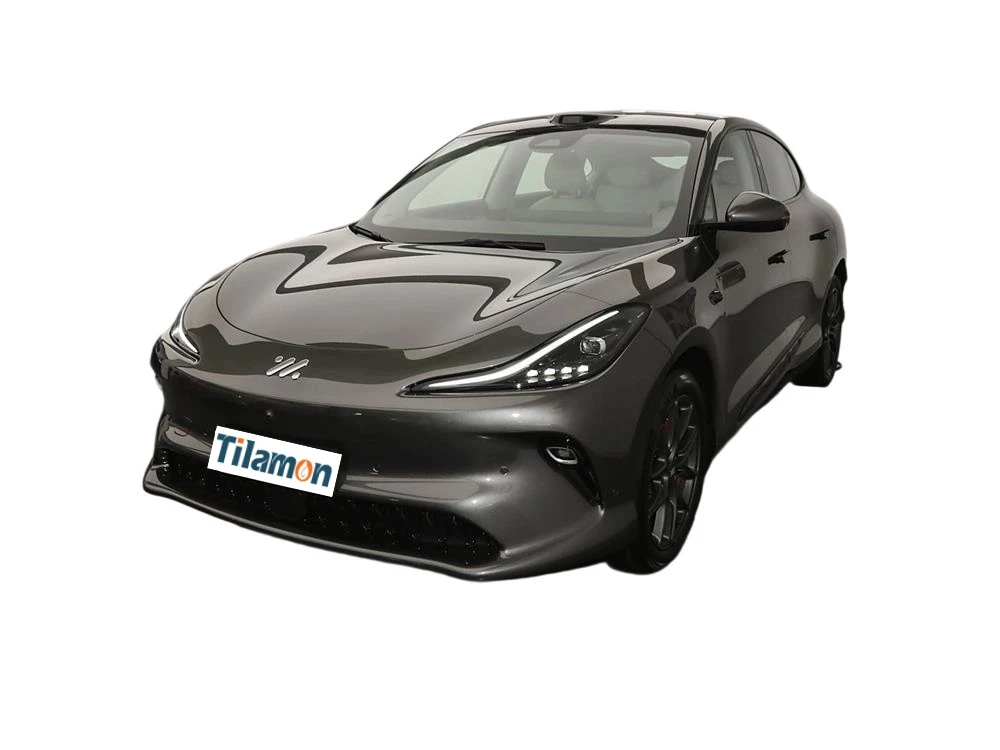
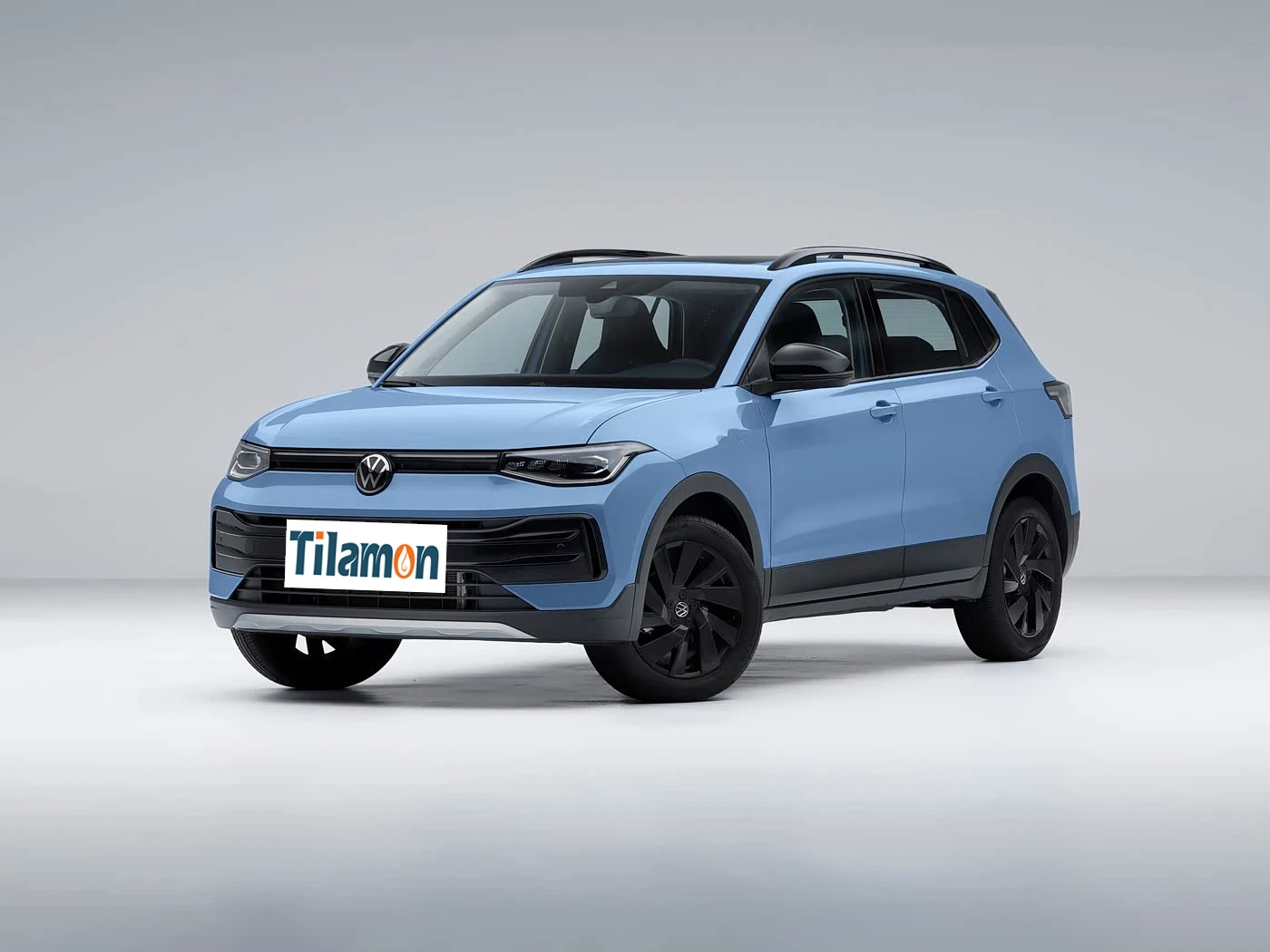
Evolution of Polish Vehicle Manufacturing

From traditional assembly lines to intelligent electric ecosystems.

Market Development History

Between 2010 and 2018, the Polish automotive sector focused primarily on ICE (Internal Combustion Engine) components and assembly. The infrastructure was geared toward diesel and petrol efficiency to serve the broader European logistics network.

From 2019 to 2022, a transition began as EU emission regulations tightened. We saw the first wave of 2 nd hand cars shifting toward hybrid models, signaling a consumer willingness to deviate from pure fossil fuels.

Since 2023, the "Electric Leap" has occurred, with massive investments in battery gigafactories on Polish soil, integrating software-defined vehicle architectures into the local manufacturing pipeline.

Future Development Trends

Bidirectional Charging Infrastructure

Predicting a surge in V2G (Vehicle-to-Grid) technology allowing Polish homeowners to use their cars as home energy storage during peak winter loads.

AI-Driven Battery Management

Integration of machine learning to optimize energy consumption based on Polish topography and seasonal temperature fluctuations.

Circular Economy for Batteries

A shift toward closed-loop recycling systems, ensuring that every electric component is repurposed or recycled within the EU borders.

Industry Trends & Future Outlook

The convergence of digitalization and electrification in the Polish automotive sector.

Ultra-Fast Charging Networks
Expanding 350kW+ charging corridors across the A1 and A2 motorways to eliminate range anxiety for long-distance travel.
Solid-State Battery Integration
Moving toward solid-state electrolytes to increase energy density and safety, specifically for high-performance models.
Autonomous Urban Logistics
Developing Level 4 autonomous electric vans for "last-mile" delivery in Warsaw's congested city center.
Smart Factory 4.0
Implementing digital twins in automotive assembly to reduce waste and optimize the energy footprint of production.

Industry Outlook

Based on current search trends in Central Europe, the interest in "sustainable transport" has grown by 40% year-on-year. We expect Poland to become the primary hub for electric vehicle assembly in the CEE region within the next 5 years.

The integration of cloud-based fleet management will redefine how corporate entities in Poland manage their assets, shifting from ownership to "Mobility as a Service" (MaaS) models.

Local Application Scenarios in Poland

Real-world implementations of electric mobility tailored for Polish geography.

1. Warsaw Urban Commuting Solutions

Implementation of compact electric fleets to navigate the narrow streets of the Old Town, utilizing smart charging hubs to reduce traffic congestion.

2. Silesian Industrial Logistics

Deployment of heavy-duty electric trucks in the industrial heartland of Upper Silesia to move raw materials with zero tailpipe emissions.

3. Tatra Mountain Tourism Shuttles

Specialized high-torque electric vehicles designed for the steep gradients of the Tatra mountains, ensuring eco-friendly access to national parks.

4. Baltic Coast Sustainable Transit

Seasonal electric shuttle services in Gdańsk and Sopot to handle tourist surges while preserving the coastal air quality.

5. Rural Agricultural Electrification

Introduction of electric utility vehicles for farming communities in the Podlaskie region, reducing reliance on expensive diesel fuel.

Brand Story

Global Development History of Shijiazhuang Zhenming Chemical Co., Ltd.

Foundation of Excellence

Started with a commitment to high-purity chemical production, laying the groundwork for advanced material sciences used in automotive coatings.

Industrial Diversification

Expanded into specialty polymers and electrolytes, solving the critical pain point of battery stability and thermal management.

Global Expansion

Established strategic partnerships across Europe, bringing advanced manufacturing chemical solutions to the Polish automotive market.

Innovation Milestone

Patented a series of eco-friendly additives that increase the lifecycle of EV batteries by 20%, reducing electronic waste.

Sustainable Vision

Currently leading the charge in "Green Chemistry" to ensure the entire automotive lifecycle—from production to disposal—is carbon-neutral.

Poland EV & Automotive FAQ

Expert answers to common questions regarding the transition to new energy vehicles.

How do I import a new chinese ev into Poland?

Importing requires compliance with EU homologation standards. We provide full documentation support and customs clearance to ensure your vehicle meets all Polish safety and emission regulations.

Are there subsidies for a new energy ev in Poland?

Yes, the Polish government often provides subsidies through programs like "Mój Elektryk", which offer financial incentives for purchasing electric vehicles for individuals and companies.

What is the battery life of a new energy vehicle in Polish winters?

While batteries typically see a 20-30% drop in efficiency during extreme cold, our advanced thermal management systems minimize this loss to ensure reliable commuting.

Is it safe to buy a secondhand vehicle from another EU country?

It is safe if you verify the VIN and battery health report. We recommend certified inspections to ensure the battery degradation is within acceptable limits.

Where can I find certified 2 nd hand cars with warranty?

Certified pre-owned vehicles are available through our authorized partner dealerships in Poland, providing extended warranties on both the motor and battery.

What is the average charging time for a new energy ev in Warsaw?

Depending on the charger, a DC fast charger can bring the battery to 80% in 30 minutes, while a standard home wallbox takes 6-10 hours for a full charge.

Ready to Electrify Your Fleet?

Consult with our automotive manufacturing experts to implement the best mobility solutions in Poland.

Contact Us Now

If you are interested in our products, you can choose to leave your information here, and we will be in touch with you shortly.