The automotive industry is a cornerstone of the global economy, and the availability of new cars for sale is a key indicator of its health. From personal transportation to commercial fleets, new vehicles drive innovation, employment, and economic growth. Understanding the dynamics surrounding new car sales – from manufacturing and supply chains to consumer demand and technological advancements – is crucial for businesses, policymakers, and individuals alike. The constant evolution of automotive technology also means frequent upgrades and choices in new cars for sale.
Globally, the new car market represents trillions of dollars in annual revenue, impacting a vast network of industries, including steel, electronics, rubber, and finance. According to recent reports, approximately 80 million new vehicles are sold each year worldwide. However, this market faces increasing challenges, including fluctuating fuel prices, evolving emissions regulations, and the rise of alternative transportation options. Navigating these complexities requires a comprehensive understanding of the factors driving new cars for sale.
The proliferation of new cars for sale isn’t just about convenience; it’s about progress. Modern vehicles offer enhanced safety features, improved fuel efficiency, and reduced environmental impact, contributing to a higher quality of life. Access to reliable and up-to-date transportation is fundamental for economic opportunity, social mobility, and personal freedom.
The Global Significance of new cars for sale
The sale of new cars is a global phenomenon with significant economic and social implications. The automotive industry directly and indirectly employs tens of millions of people worldwide and contributes substantially to GDP across numerous nations. Countries like China, the United States, and Germany are leading producers and consumers, influencing global supply chains and market trends.
The demand for new cars isn’t solely driven by necessity; lifestyle choices, technological advancements, and government incentives all play a crucial role. Factors like urbanization, rising disposable incomes, and the availability of financing options contribute to increased vehicle ownership rates, particularly in emerging markets.
Defining new cars for sale
New cars for sale refers to vehicles that have not been previously owned and are offered for purchase directly from a dealership or manufacturer. This encompasses a wide range of vehicle types, including sedans, SUVs, trucks, and electric vehicles. These vehicles are typically covered by a manufacturer's warranty, providing a level of assurance and protection for the buyer.
Unlike used cars, new cars represent the latest in automotive technology, safety features, and design. They adhere to current emission standards and often offer superior fuel efficiency compared to older models. Purchasing new provides access to the most recent innovations, ensuring a modern and reliable driving experience.
The industry categorization of "new" typically applies to vehicles within a specific model year, generally those that have not been titled or registered to a previous owner. This ensures the buyer receives a vehicle in pristine condition with the full benefits associated with a brand-new purchase.
Core Components of the new cars for sale Market
The new car for sale market comprises several key components working in concert. First, there are the manufacturers – companies like Toyota, Ford, and BMW – responsible for designing, engineering, and producing vehicles. These manufacturers rely on a complex network of suppliers providing parts and materials.
Next, dealerships act as the primary point of sale, managing inventory, providing customer service, and offering financing options. The financial sector plays a vital role, offering loans and leases to make vehicle purchases accessible to a wider range of consumers. Finally, government regulations and incentives shape market dynamics through emissions standards, safety regulations, and tax credits.
Beyond these core elements, marketing and advertising heavily influence consumer preferences, driving demand for specific makes and models. The ongoing shift towards online car buying and digital marketing strategies is further transforming the landscape of new cars for sale.
Key Factors Influencing new cars for sale
Several factors heavily influence the new cars for sale market. Economic conditions, such as GDP growth and consumer confidence, directly impact purchasing power. Interest rates significantly affect the affordability of financing options, impacting demand.
Government policies, including fuel efficiency standards and tax incentives for electric vehicles, shape consumer choices. Technological advancements, such as the development of autonomous driving systems and alternative fuel technologies, drive innovation and create new market segments.
Sales Performance by Vehicle Type
Global Applications of new cars for sale
The demand for new cars extends beyond personal transportation. Commercial fleets, including delivery services, logistics companies, and rental agencies, represent a significant portion of the market. Governments utilize vehicles for public services such as law enforcement, emergency response, and infrastructure maintenance.
In emerging economies, access to reliable transportation facilitated by new cars is crucial for economic development. It enables efficient movement of goods, supports small businesses, and connects rural communities to urban centers.
Advantages and Long-Term Value of new cars for sale
Purchasing new cars offers numerous advantages, including the peace of mind provided by a manufacturer's warranty, reducing the risk of unexpected repair costs. Newer vehicles boast advanced safety features, protecting drivers and passengers.
Environmentally, new cars often exhibit improved fuel efficiency and reduced emissions compared to older models, contributing to a smaller carbon footprint. From a practical perspective, the latest infotainment systems and driver-assistance technologies enhance the driving experience and increase convenience.
Over the long term, a well-maintained new car can provide years of reliable service, minimizing downtime and transportation costs. The initial investment can be offset by reduced maintenance expenses and improved resale value.
Future Trends in new cars for sale
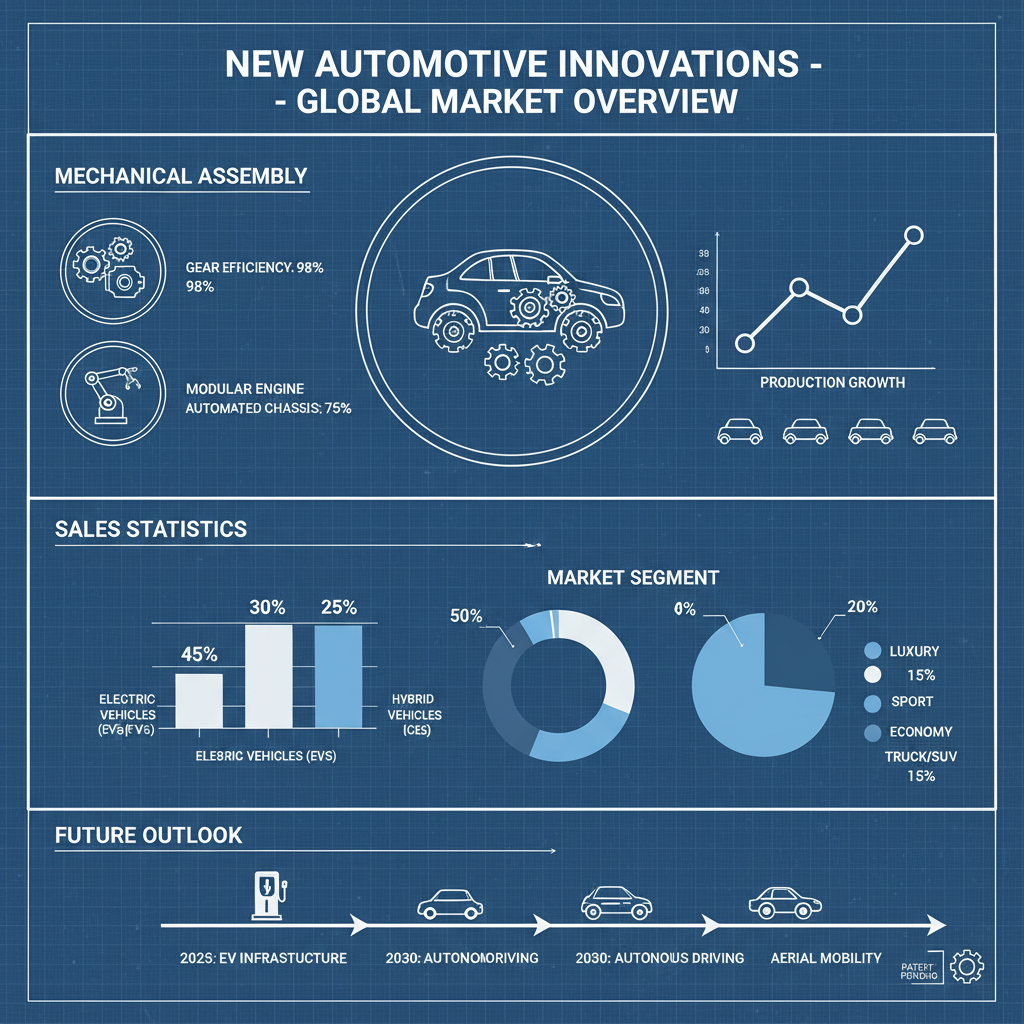
The future of new cars for sale is poised for significant transformation. The rise of electric vehicles (EVs) is reshaping the industry, driven by growing environmental concerns and advancements in battery technology. Autonomous driving technology is also rapidly evolving, promising to revolutionize transportation.
Connectivity and digitalization are becoming increasingly important, with vehicles integrating seamlessly with smartphones and other devices. Subscription-based car ownership models are gaining traction, offering consumers greater flexibility and convenience.
Sustainable materials and manufacturing processes are also gaining prominence, as automakers strive to reduce their environmental impact. The convergence of these trends will create a more efficient, sustainable, and technologically advanced automotive landscape.
Summary of Future Trends in new cars for sale
| Trend Category |
Current Status |
Projected Impact (1-10) |
Implementation Timeline |
| Electric Vehicle Adoption |
Growing rapidly, significant investment in charging infrastructure |
9 |
5-10 years (mass market) |
| Autonomous Driving |
Level 2 and 3 autonomy available in select models |
7 |
10+ years (full autonomy) |
| Connectivity & Digitalization |
Widespread integration of infotainment systems and smartphone connectivity |
8 |
Ongoing (continuous development) |
| Subscription Services |
Emerging market, limited availability |
6 |
5-7 years (moderate growth) |
| Sustainable Materials |
Increasing use of recycled and bio-based materials |
7 |
Ongoing (gradual transition) |
| Alternative Ownership Models |
Shared mobility and car-sharing services are gaining traction |
5 |
7-10 years (niche market) |
FAQS
Purchasing a new car typically offers a comprehensive manufacturer’s warranty, providing peace of mind against unexpected repairs. New vehicles also feature the latest safety technologies, improved fuel efficiency, and current infotainment systems. Additionally, you’re the first owner, ensuring the vehicle hasn't experienced prior damage or wear and tear. A new car offers a modern, reliable driving experience with the latest innovations.
Government incentives, such as tax credits and rebates, can significantly reduce the purchase price of electric vehicles. These incentives are designed to encourage the adoption of EVs and promote sustainability. The amount of the incentive varies by location and vehicle model. Check local and federal regulations for the most up-to-date information regarding new cars for sale incentives.
Several financing options are available, including auto loans from banks and credit unions, as well as financing offered directly by the car manufacturer. Leasing is another popular option, providing lower monthly payments but requiring the vehicle to be returned at the end of the lease term. The best financing option depends on your individual credit score, financial situation, and long-term ownership goals.
Global supply chain disruptions, such as shortages of semiconductor chips, can significantly impact the availability of new cars for sale. These disruptions can lead to longer wait times, increased prices, and limited selection. Manufacturers are working to diversify their supply chains and increase production capacity to mitigate these challenges.
Dealerships are the primary point of contact for consumers purchasing new cars. They manage vehicle inventory, provide test drives, negotiate pricing, arrange financing, and offer after-sales service. Dealerships also handle warranty claims and provide maintenance and repair services.
Consider factors such as reliability ratings, safety features, fuel efficiency, maintenance costs, and resale value when choosing between different new car brands. Research the specific model you're interested in and read reviews from both experts and consumers. Also, assess your individual needs and preferences to determine which brand best aligns with your lifestyle.
Conclusion
In conclusion, the new cars for sale market is a dynamic and complex ecosystem impacting global economies, technological advancements, and consumer lifestyles. Understanding the core components, influencing factors, and future trends is crucial for stakeholders across the automotive industry. From the manufacturers and dealerships to the consumers and policymakers, a comprehensive understanding of this market is essential for making informed decisions.
Looking ahead, the industry will continue to evolve with the increasing adoption of electric vehicles, autonomous driving technology, and sustainable practices. By embracing innovation and addressing the challenges related to supply chains and affordability, we can pave the way for a more efficient, sustainable, and accessible automotive future. Visit our website today at Tilamon Cars to explore our current inventory of new cars for sale!