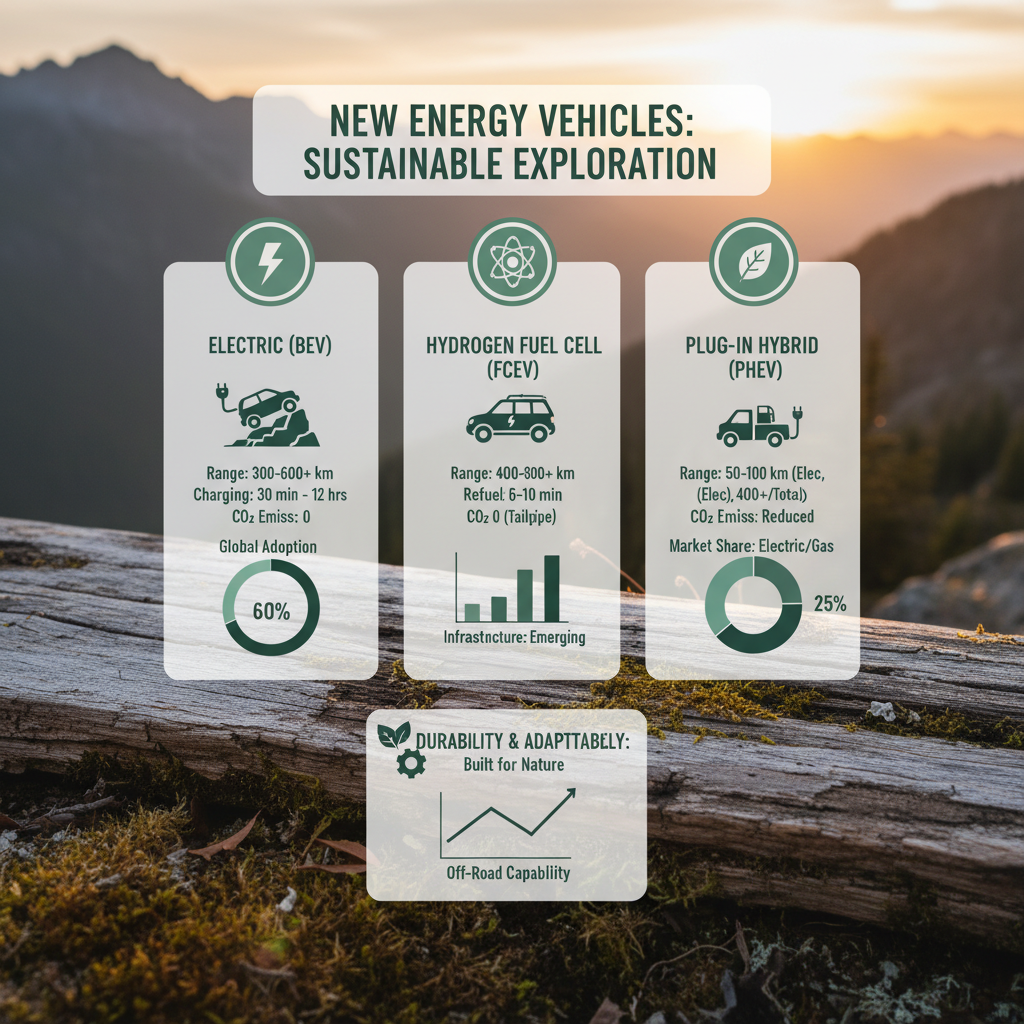
The world is rapidly shifting towards sustainable transportation, and understanding the diverse types of new energy vehicles (NEVs) is crucial. These vehicles, encompassing battery electric, plug-in hybrid, and fuel cell technologies, represent a paradigm shift away from traditional combustion engines. This transition is driven by growing environmental concerns, increasingly stringent emissions regulations, and advancements in battery technology.
The global NEV market is experiencing exponential growth, fueled by government incentives, declining battery costs, and increasing consumer awareness. According to the International Energy Agency (IEA), global EV sales reached a record high in 2023, demonstrating a clear trajectory towards electrification. This trend isn’t limited to developed nations; emerging economies are also actively embracing NEVs to address air quality issues and reduce dependence on fossil fuels.
Grasping the nuances of these different types of new energy vehicles empowers informed decision-making for consumers, policymakers, and industry stakeholders alike. It's not simply about switching to 'electric'; each NEV type offers unique advantages and disadvantages regarding range, cost, infrastructure requirements, and environmental impact.
Introduction to Types of New Energy Vehicles
The term “new energy vehicle” is an umbrella encompassing vehicles that utilize alternative energy sources to traditional gasoline or diesel. This broad category includes vehicles powered by electricity, hydrogen, and other renewable fuels. Understanding these diverse types of new energy vehicles is essential for navigating the evolving automotive landscape.
The drive for NEVs is deeply intertwined with global sustainability goals. Reducing greenhouse gas emissions, improving air quality in urban centers, and decreasing reliance on finite fossil fuel resources are key drivers behind the adoption of these technologies. As such, NEVs represent a critical component of a cleaner, more sustainable future.
Defining New Energy Vehicles
New energy vehicles (NEVs) are defined as vehicles that use alternative energy sources, primarily electricity, hydrogen, ethanol, and other renewable fuels, instead of conventional internal combustion engines. This definition is often formalized in government policies and regulations to encourage the development and adoption of these technologies.
The importance of types of new energy vehicles extends beyond environmental benefits. They play a significant role in modern industrial advancements, fostering innovation in battery technology, power electronics, and materials science. This, in turn, stimulates economic growth and creates new employment opportunities.
Furthermore, NEVs contribute to humanitarian needs by providing cleaner transportation options in areas affected by pollution and limited access to traditional fuels. Their quiet operation also improves the quality of life in urban environments, reducing noise pollution and creating more livable cities.
Key Components of New Energy Vehicle Technology
Several key factors underpin the functionality and performance of types of new energy vehicles. Battery technology is paramount, with advancements in lithium-ion, solid-state, and other battery chemistries directly impacting range, charging times, and overall vehicle efficiency.
Electric motors, responsible for converting electrical energy into mechanical energy, are another crucial component. Their efficiency, power output, and size significantly influence vehicle performance and design. Power electronics, including inverters and converters, manage the flow of electrical energy between the battery, motor, and other vehicle systems.
Finally, charging infrastructure plays a vital role. The availability and accessibility of charging stations, as well as the development of fast-charging technologies, are essential for widespread NEV adoption. Effective thermal management systems are also key to maintaining optimal battery performance and longevity.
Global Applications and Use Cases
The applications of types of new energy vehicles are rapidly expanding across various sectors. Urban transportation is a primary focus, with electric buses and taxis becoming increasingly common in cities worldwide, contributing to reduced emissions and improved air quality.
Commercial fleets are also embracing NEVs, particularly for last-mile delivery services, where the shorter distances and predictable routes make electric vans and trucks a practical and cost-effective option. In post-disaster relief operations, NEVs can provide a reliable power source for essential equipment and transportation in areas with limited infrastructure.
Furthermore, in remote industrial zones where access to traditional fuels is challenging, NEVs offer a sustainable and efficient solution for powering vehicles and equipment. Mining operations and agricultural businesses are increasingly adopting electric vehicles to reduce their environmental footprint and improve operational efficiency.
Performance Comparison of Types of New Energy Vehicles
Advantages and Long-Term Value
The advantages of adopting types of new energy vehicles are multifaceted. Reduced operating costs due to lower fuel and maintenance expenses are a significant benefit. Electric vehicles, in particular, require less frequent servicing compared to traditional combustion engine cars.
Beyond cost savings, NEVs offer substantial environmental benefits, reducing greenhouse gas emissions and improving air quality. Socially, they contribute to a quieter and healthier urban environment, promoting a higher quality of life. Furthermore, the innovation driving NEV development fosters technological advancements and creates new economic opportunities.
Future Trends and Innovations
The future of types of new energy vehicles is brimming with innovation. Solid-state battery technology promises higher energy density, faster charging times, and improved safety. Advances in hydrogen fuel cell technology are also driving down costs and increasing efficiency.
Digital transformation and automation will play a key role in optimizing NEV performance and integrating them into smart grids. Vehicle-to-grid (V2G) technology, for instance, will allow NEVs to contribute energy back to the grid, enhancing grid stability and reducing reliance on fossil fuel power plants.
Challenges and Solutions
Despite the rapid advancements, challenges remain in the widespread adoption of types of new energy vehicles. Limited charging infrastructure, particularly in rural areas, is a major barrier. Addressing this requires substantial investment in charging networks and the development of standardized charging protocols.
Battery cost and raw material sourcing pose further challenges. Developing more sustainable and ethical sourcing practices for battery materials, as well as investing in battery recycling technologies, is crucial. Government incentives and policies can play a vital role in accelerating the transition to NEVs and overcoming these obstacles.
Furthermore, ensuring grid capacity and stability to accommodate the growing demand for electricity from NEVs will require significant upgrades to power grids and the integration of renewable energy sources.
Summary of Challenges and Potential Solutions for New Energy Vehicle Adoption
| Challenge |
Impact on NEV Adoption |
Potential Solution |
Implementation Complexity (1-10) |
| Limited Charging Infrastructure |
Range anxiety, slower adoption rates |
Government investment, public-private partnerships |
7 |
| High Battery Costs |
Increased vehicle prices, affordability issues |
Battery technology advancements, economies of scale |
6 |
| Raw Material Sourcing |
Supply chain vulnerabilities, ethical concerns |
Sustainable sourcing practices, material recycling |
8 |
| Grid Capacity Limitations |
Potential for grid instability, peak demand issues |
Smart grid technologies, renewable energy integration |
9 |
| Consumer Awareness |
Hesitancy towards new technologies, lack of information |
Educational campaigns, test drive programs |
5 |
| Standardization of Charging Protocols |
Incompatibility issues, limited interoperability |
Industry collaboration, regulatory standards |
6 |
FAQS
BEVs run entirely on electricity stored in a battery and require charging from an external source. PHEVs, however, combine an electric motor with a conventional internal combustion engine, allowing for both electric-only driving and gasoline-powered operation. This means PHEVs have a greater range and don’t rely solely on charging infrastructure, but typically have a smaller electric range than BEVs. The choice depends on driving habits and access to charging.
Charging times vary significantly based on the charging level and battery capacity. Level 1 charging (standard household outlet) is the slowest, adding only 3-5 miles of range per hour. Level 2 charging (240V outlet) provides 20-30 miles of range per hour, while DC fast charging can add 80% of the battery capacity in 30-60 minutes, depending on the vehicle and charger capabilities. Newer technologies are continually reducing these times.
The initial purchase price of many types of new energy vehicles can be higher than comparable gasoline cars. However, government incentives (tax credits, rebates) can significantly reduce the cost. Furthermore, lower running costs (electricity is cheaper than gasoline, reduced maintenance) often offset the higher initial price over the vehicle's lifespan, making NEVs more cost-effective in the long run.
Most NEV batteries are designed to last for 8-10 years or 100,000-150,000 miles, though many are exceeding these expectations. Battery degradation occurs over time, reducing the battery's capacity. Warranties typically cover battery defects and significant capacity loss. Battery recycling technologies are also improving, reducing the environmental impact of end-of-life batteries.
Battery production does have environmental impacts, primarily related to the mining of raw materials (lithium, cobalt, nickel). Sustainable sourcing practices, material recycling, and the development of alternative battery chemistries (e.g., sodium-ion) are crucial for minimizing these impacts. Despite these concerns, the overall lifecycle emissions of NEVs are significantly lower than those of gasoline cars.
The cleanliness of the electricity used to charge NEVs depends on the energy mix of the local grid. If the electricity is primarily generated from renewable sources (solar, wind, hydro), the environmental benefits are maximized. However, if the grid relies heavily on fossil fuels, the overall emissions reduction is less significant. Increasing the share of renewable energy in the grid is essential for realizing the full environmental potential of NEVs.
Conclusion
Types of new energy vehicles represent a pivotal shift in the automotive industry, offering a pathway towards a more sustainable and environmentally responsible transportation future. From battery electric to fuel cell technologies, these vehicles are driving innovation, reducing emissions, and creating new economic opportunities. Understanding the nuances of each NEV type and addressing the remaining challenges are critical for accelerating their widespread adoption.
The long-term benefits of embracing NEVs extend beyond environmental considerations, encompassing economic growth, improved public health, and increased energy security. Continued investment in research and development, coupled with supportive government policies and infrastructure development, will pave the way for a cleaner, more sustainable, and innovative transportation ecosystem. Visit our website at Tilamon Cars to learn more about the latest advancements in new energy vehicle technology.