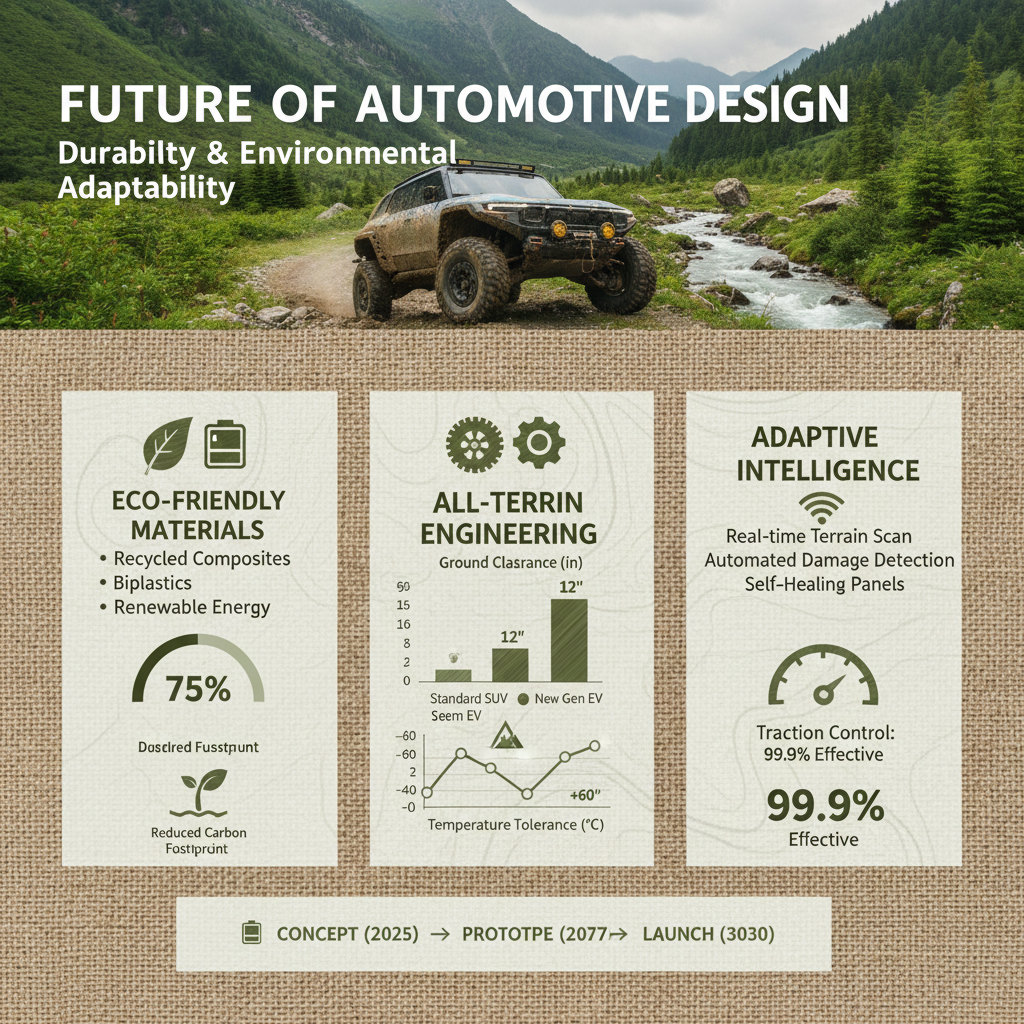
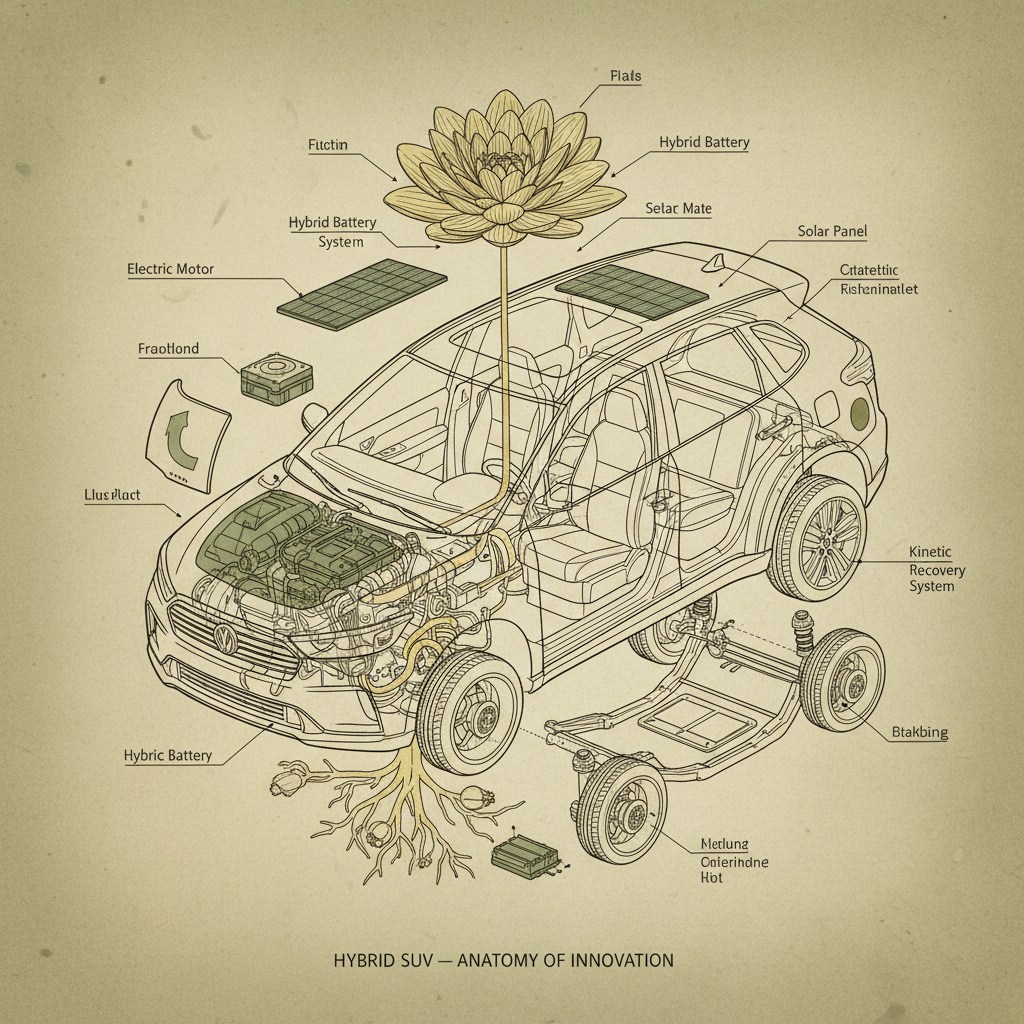
New car design is a dynamic field encompassing not only aesthetics but also engineering, materials science, and increasingly, sustainability. It’s a multi-billion dollar global industry constantly evolving to meet consumer demands, safety regulations, and environmental concerns. The process goes far beyond simply making a vehicle look appealing; it’s about creating a functional, safe, and desirable product that reflects the brand’s identity and caters to a specific market.
Globally, the automotive industry represents a significant portion of manufacturing output and employment. According to the International Organization of Motor Vehicle Manufacturers (OICA), nearly 80 million motor vehicles were produced worldwide in 2021. This massive scale necessitates continuous innovation in design to optimize production processes, reduce costs, and enhance vehicle performance. Moreover, new car design plays a vital role in reducing carbon emissions and promoting sustainable transportation solutions.
The increasing demand for electric vehicles (EVs) and autonomous driving features is profoundly impacting new car design. Designers must now integrate battery packs, sensors, and complex software systems seamlessly into vehicle structures. This presents both challenges and opportunities, pushing the boundaries of what’s possible in automotive engineering and creating exciting new possibilities for user experience. The entire concept of vehicle interiors is being reimagined with a focus on connectivity and personalized comfort.
The Core Principles of New Car Design
At the heart of every successful new car design lie several core principles. These include form following function—where the aesthetic is dictated by the vehicle's intended purpose and engineering requirements—and a relentless focus on safety. Designers must prioritize crashworthiness, visibility, and pedestrian protection, ensuring the vehicle meets stringent safety standards. This also encompasses the design of intuitive controls and a comfortable cabin layout.
Another critical principle is brand identity. New car design must effectively communicate the manufacturer’s values and target audience. Whether it’s the sleek sophistication of a luxury brand or the rugged practicality of an off-road vehicle, the design language must be consistent and recognizable. Successfully integrating these principles results in a vehicle that is not only visually appealing but also safe, functional, and representative of the brand it embodies.
The Importance of Aerodynamics in New Car Design
Aerodynamics plays a crucial role in new car design, significantly impacting fuel efficiency, performance, and stability. Reducing aerodynamic drag minimizes the force opposing the vehicle's motion, allowing it to achieve higher speeds with less energy. This is particularly important in the development of electric vehicles, where maximizing range is a primary concern. Designers utilize wind tunnels and computational fluid dynamics (CFD) simulations to refine vehicle shapes and optimize airflow.
Features like smooth underbodies, spoilers, and streamlined body panels are all employed to reduce drag. Active aerodynamic elements, such as adjustable spoilers and air dams, further enhance performance by adapting to changing driving conditions. Moreover, aerodynamic considerations extend to noise reduction, as turbulent airflow can generate unwanted wind noise within the cabin.
The pursuit of aerodynamic efficiency is not solely about minimizing drag; it’s also about maximizing downforce, particularly in high-performance vehicles. Downforce increases grip, improving handling and stability at high speeds. Striking the right balance between drag reduction and downforce generation is a key challenge for new car designers.
Material Science and Innovation in New Car Design
The selection of materials is paramount in new car design, influencing everything from weight and strength to safety and cost. Traditionally, steel has been the dominant material, but increasingly, designers are incorporating lightweight materials like aluminum, carbon fiber, and high-strength plastics. These materials reduce vehicle weight, improving fuel efficiency and performance. Advanced materials also offer enhanced corrosion resistance and impact absorption capabilities.
Innovation in material science is continuously pushing the boundaries of what's possible. For example, the development of self-healing polymers could revolutionize automotive body panels, automatically repairing minor scratches and dents. Similarly, the use of bio-based materials, derived from renewable resources, is gaining traction as automakers seek to reduce their environmental footprint. The integration of nanotechnology promises to create materials with enhanced strength, durability, and functionality.
The challenge lies in balancing the benefits of these advanced materials with their cost and manufacturability. Carbon fiber, while incredibly strong and lightweight, is significantly more expensive than steel. Designers must carefully consider the trade-offs and select materials that meet the vehicle’s performance requirements while remaining economically viable.
Human Factors and Ergonomics in New Car Design
Human factors and ergonomics are central to creating a comfortable, intuitive, and safe driving experience in new car design. This involves understanding how humans interact with vehicles – how they sit, reach, see, and process information. Designers must carefully consider the placement of controls, the visibility of instruments, and the overall layout of the cabin to minimize driver fatigue and maximize situational awareness.
Ergonomic seating, adjustable steering wheels, and intuitive infotainment systems are all examples of how human factors principles are applied in new car design. The increasing integration of advanced driver-assistance systems (ADAS) also requires careful consideration of human-machine interaction. The goal is to create systems that assist the driver without being intrusive or distracting.
Human Factor Evaluation in New Car Design
Sustainability and Eco-Friendly New Car Design
Sustainability is an increasingly important driver in new car design. This encompasses reducing carbon emissions, minimizing waste, and utilizing eco-friendly materials. The shift towards electric vehicles (EVs) is a key component of this effort, but sustainability extends beyond powertrain choices. Designers are exploring lightweight materials to improve fuel efficiency, optimizing manufacturing processes to reduce waste, and designing vehicles for recyclability.
The use of recycled and renewable materials is gaining prominence. Interior components are increasingly made from recycled plastics and plant-based fibers. Life cycle assessments (LCAs) are used to evaluate the environmental impact of a vehicle from cradle to grave, identifying areas for improvement.
The Role of Digital Technology in New Car Design
Digital technology has revolutionized new car design, enabling designers to create and visualize vehicles with unprecedented speed and accuracy. Computer-Aided Design (CAD) software allows for the creation of detailed 3D models, while Virtual Reality (VR) and Augmented Reality (AR) technologies allow designers to experience and refine designs in immersive environments.
Digital twins – virtual replicas of physical vehicles – are used to simulate performance, test different scenarios, and optimize designs before physical prototypes are built. Artificial Intelligence (AI) is also playing an increasingly important role, assisting with tasks such as shape optimization and material selection.
These digital tools streamline the design process, reduce costs, and accelerate innovation, enabling automakers to bring new and improved vehicles to market more quickly.
Future Trends and Challenges in New Car Design
The future of new car design is poised for significant disruption, driven by emerging technologies and changing consumer expectations. Autonomous driving will fundamentally alter vehicle interiors, transforming them into mobile living spaces. Connected car technology will enable vehicles to communicate with each other and with the surrounding infrastructure, enhancing safety and efficiency.
Sustainable materials and circular economy principles will become increasingly important, as automakers strive to reduce their environmental footprint. Personalization and customization will also be key trends, with vehicles adapting to individual driver preferences and needs.
However, these advancements also present challenges. Ensuring the safety and security of autonomous vehicles, integrating complex software systems, and managing the cost of new technologies are all critical hurdles that must be overcome.
Summary of Key Challenges in Advancing New Car Design
| Challenge Area |
Impact on New Car Design |
Potential Solutions |
Level of Urgency (1-10) |
| Cost of New Materials |
Limits the widespread adoption of lightweight and sustainable materials. |
Investment in research and development, economies of scale, material innovation. |
8 |
| Software Complexity |
Increased risk of bugs, security vulnerabilities, and system failures. |
Robust testing protocols, over-the-air updates, modular software architecture. |
9 |
| Cybersecurity Threats |
Potential for hacking, data breaches, and vehicle control compromise. |
Advanced encryption, intrusion detection systems, secure communication protocols. |
10 |
| Regulatory Compliance |
Evolving safety and environmental regulations require constant adaptation. |
Proactive engagement with regulatory bodies, flexible design platforms. |
7 |
| Supply Chain Disruptions |
Impacts material availability and production timelines. |
Diversification of suppliers, localized production, inventory management. |
6 |
| Consumer Acceptance of New Technologies |
Hesitancy to embrace autonomous features or unfamiliar interfaces. |
User-friendly design, clear communication of benefits, educational initiatives. |
5 |
FAQS
Currently, electrification, autonomous driving capabilities, and sustainability are the dominant forces shaping new car design. We’re seeing a significant shift towards aerodynamic optimization for increased range, the integration of advanced sensor systems, and a growing emphasis on using eco-friendly materials. Furthermore, interiors are being re-imagined to accommodate new technologies and provide a more personalized experience.
Aerodynamics dramatically affects a car’s performance. Lowering the drag coefficient reduces the amount of energy needed to overcome air resistance, resulting in improved fuel efficiency or extended range for electric vehicles. Conversely, optimizing aerodynamic downforce enhances handling and stability, particularly at higher speeds. Designers utilize wind tunnel testing and computational fluid dynamics to refine vehicle shapes and maximize aerodynamic performance.
Virtual Reality (VR) allows designers to experience a vehicle’s interior and exterior in a fully immersive environment, long before a physical prototype is built. This facilitates early-stage design reviews, enabling teams to identify and address potential issues related to ergonomics, visibility, and aesthetics. VR also allows for quicker iteration cycles and reduces the cost associated with traditional prototyping.
Automakers are increasingly using recycled plastics, plant-based fibers, and other sustainable materials in vehicle interiors and exterior components. Research is also focused on developing bio-based materials derived from renewable resources. The goal is to reduce the environmental impact of vehicle production and end-of-life disposal, promoting a circular economy approach.
Designing for autonomous vehicles presents unique challenges. Safety is paramount, requiring redundant systems and robust fail-safe mechanisms. The interior needs to be re-imagined to accommodate passengers who are no longer actively driving. Ensuring cybersecurity and protecting against hacking are also critical concerns. Finally, designers must consider the ethical implications of autonomous driving systems.
Human factors engineering focuses on optimizing the interaction between the driver and the vehicle. This includes designing intuitive controls, providing clear and concise information displays, and ensuring comfortable seating. By understanding how humans perceive and react to their environment, designers can minimize driver fatigue, reduce errors, and enhance overall safety.
Conclusion
New car design is a complex and rapidly evolving field that demands a holistic approach, integrating engineering, aesthetics, sustainability, and human factors. The ongoing advancements in materials science, digital technology, and artificial intelligence are creating exciting new possibilities for innovation, leading to vehicles that are safer, more efficient, and more enjoyable to drive. A continued focus on these areas will be crucial for shaping the future of the automotive industry.
Looking ahead, collaboration between automakers, technology companies, and regulatory bodies will be essential to navigate the challenges and capitalize on the opportunities presented by emerging technologies. Investing in research and development, fostering a culture of innovation, and prioritizing sustainability will be key to creating a transportation future that is both technologically advanced and environmentally responsible. Visit our website at Tilamon Cars to explore our latest designs and innovative solutions.