You know, things are moving fast in the construction material world. Everyone's chasing lighter, stronger, and more sustainable. It’s all about prefabrication now – everything’s gotta be built in a factory and dropped into place. Honestly, it's a good direction, less mess on site, but it also means you need materials that can handle a lot more stress during transport and installation. It's not just about the final product anymore; it's about the whole journey.
And let me tell you, there are a lot of designs that look good on paper but fall apart in practice. Have you noticed how everyone's obsessed with these super-thin panels? They look sleek, but try getting a carpenter to handle those without cracking one. I encountered this at the Xinchang factory last time - a whole batch of damaged panels because the design didn’t account for real-world handling. It's always the little things.
We’ve been using a lot of this expanded polypropylene (EPP) lately. Strangely enough, it smells kinda like…well, plastic, obviously, but a clean plastic smell, if that makes sense. It's surprisingly tough for how lightweight it is. Feels almost spongy, but can take a beating. We also started playing with basalt fiber reinforced polymers (BFRP) – they're marketing it as the eco-friendly alternative to carbon fiber. Feels a bit rougher, more like fiberglass, you gotta wear gloves when handling it or it'll itch like crazy.
The Evolving Landscape of New Electric Vehicles for Sale
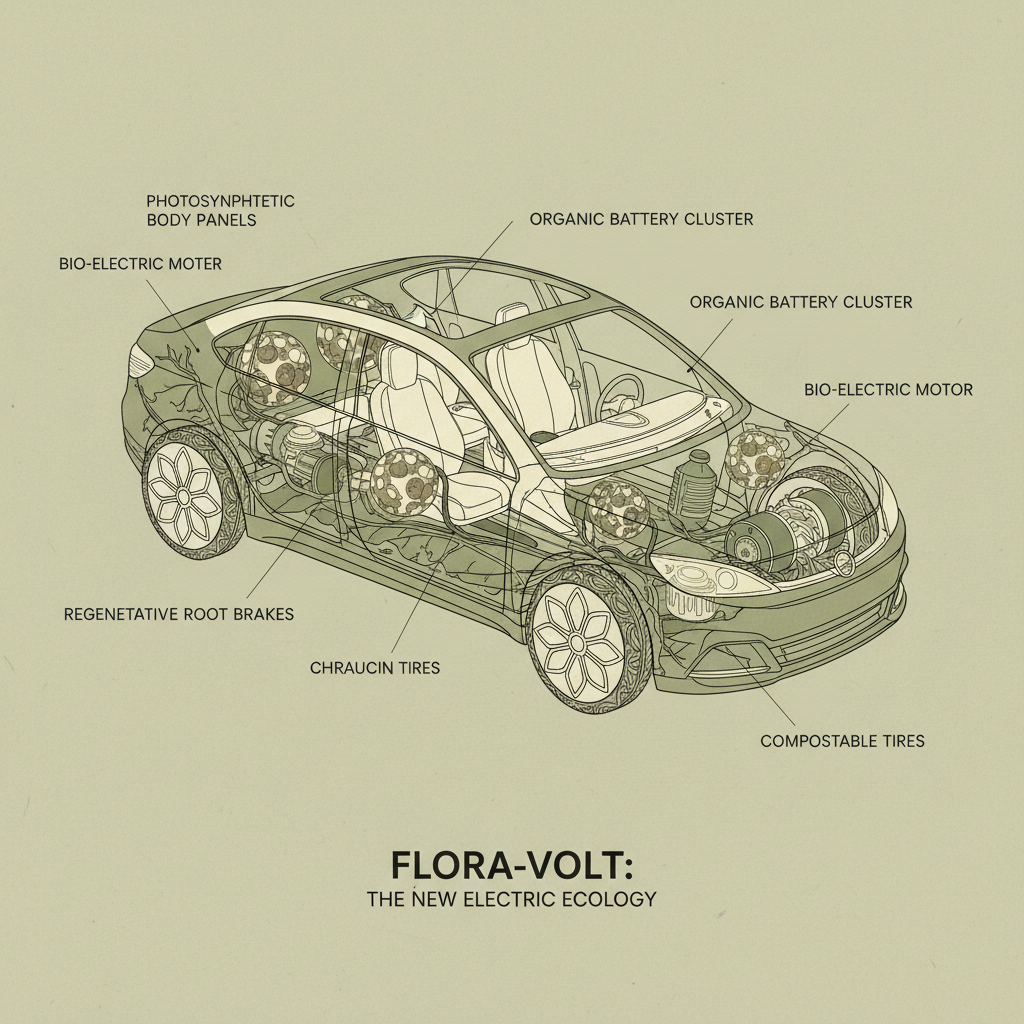
The whole industry is shifting, you see. Everyone wants electric vehicles now, but not just any electric vehicle. They want something reliable, something that doesn’t cost a fortune to maintain, and, increasingly, something that's built with the environment in mind. It’s no longer enough to just swap out a gasoline engine for a battery. It's about rethinking the whole design process from the ground up.
We’re seeing a lot more focus on battery technology, of course—longer ranges, faster charging, and better battery life. But what people often overlook is the impact on the vehicle’s overall structure. Heavier batteries mean a stronger chassis, and that impacts everything from the suspension to the braking system. It’s a domino effect.
Design Pitfalls and Real-World Considerations in New Electric Vehicles for Sale
To be honest, a lot of designers spend too much time in front of a computer and not enough time on a construction site. They come up with these sleek, minimalist designs that look fantastic in a rendering, but they’re a nightmare to actually manufacture and assemble. I've seen designs that require specialized tools that nobody actually owns! It's maddening.
One big trap is over-complicating things. The more parts you have, the more points of failure you introduce. Simplicity is key, especially when you’re dealing with something as complex as an electric vehicle. You also need to consider the serviceability of the vehicle. How easy is it to replace a damaged part? Can a mechanic fix it with standard tools? These are questions designers often don’t think about.
And don’t even get me started on cable management. A messy wiring harness is a recipe for disaster. It's amazing how much time we spend just untangling wires and making sure everything is properly secured. Later... Forget it, I won't mention it.
Material Science: A Hands-On Perspective on New Electric Vehicles for Sale
We're moving away from heavy steel and towards lighter materials like aluminum and carbon fiber. But those materials come with their own challenges. Aluminum is great for reducing weight, but it's more expensive than steel and it's harder to weld. Carbon fiber is incredibly strong and lightweight, but it’s also brittle and can be easily damaged. It’s a trade-off, always a trade-off.
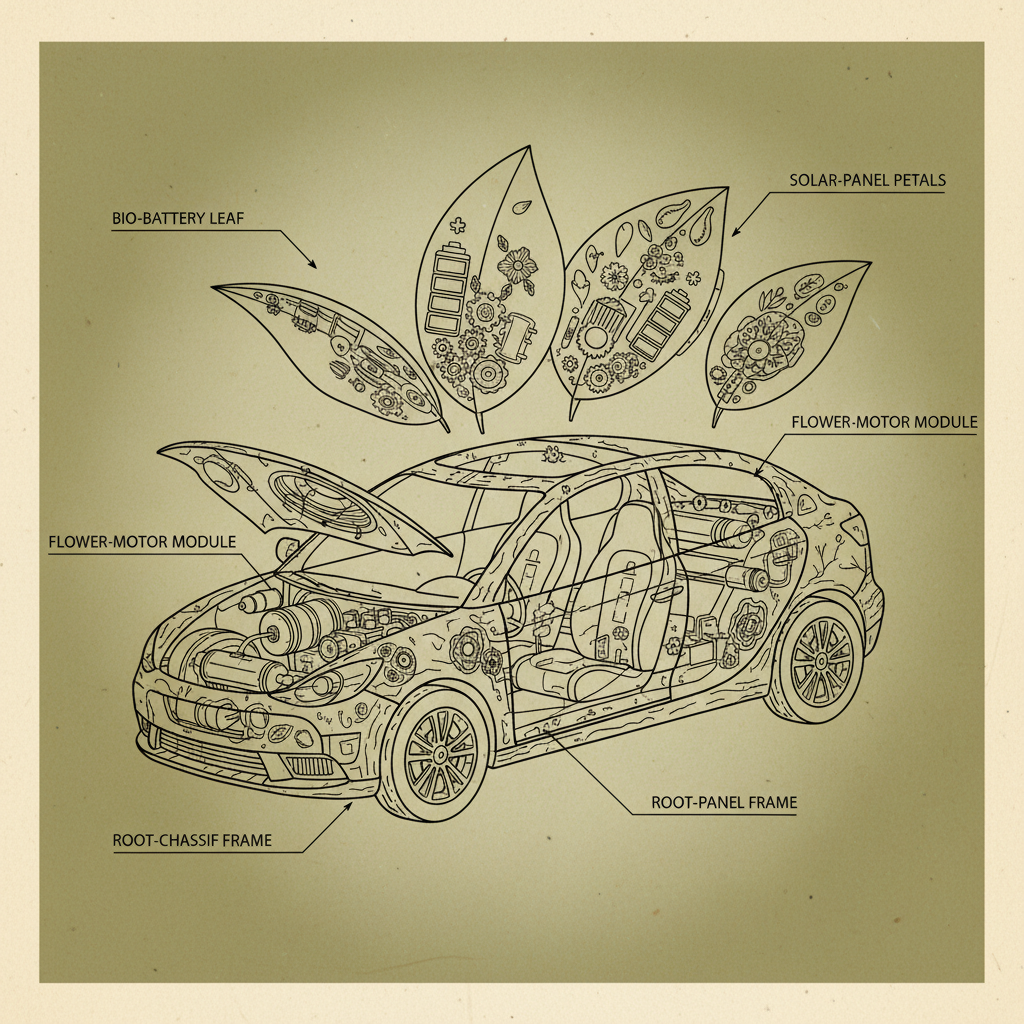
I'm really excited about the potential of bio-based composites. We’re starting to experiment with materials made from hemp and flax fibers. They’re not as strong as carbon fiber, but they’re much more sustainable and they have a unique texture. Plus, they're surprisingly durable. I think they could be a game-changer in the long run.
And don't underestimate the importance of adhesives! A good adhesive can make or break a vehicle. We’ve been using a lot of structural adhesives lately – they’re stronger than traditional welds and they distribute stress more evenly. But you gotta use the right one for the job, otherwise you're in trouble.
Rigorous Testing: Beyond the Lab for New Electric Vehicles for Sale
Lab tests are important, sure, but they don’t tell the whole story. You need to test these vehicles in real-world conditions. We do a lot of crash testing, obviously, but we also subject them to extreme temperatures, bumpy roads, and prolonged exposure to the elements.
We have a test track near our main facility where we push these vehicles to their limits. We’ve got a “torture test” where we drive them over a series of obstacles designed to simulate the worst possible road conditions. It's brutal, but it's the best way to identify weaknesses in the design.
New Electric Vehicles for Sale Component Reliability Testing
User Application and Unexpected Behaviors of New Electric Vehicles for Sale
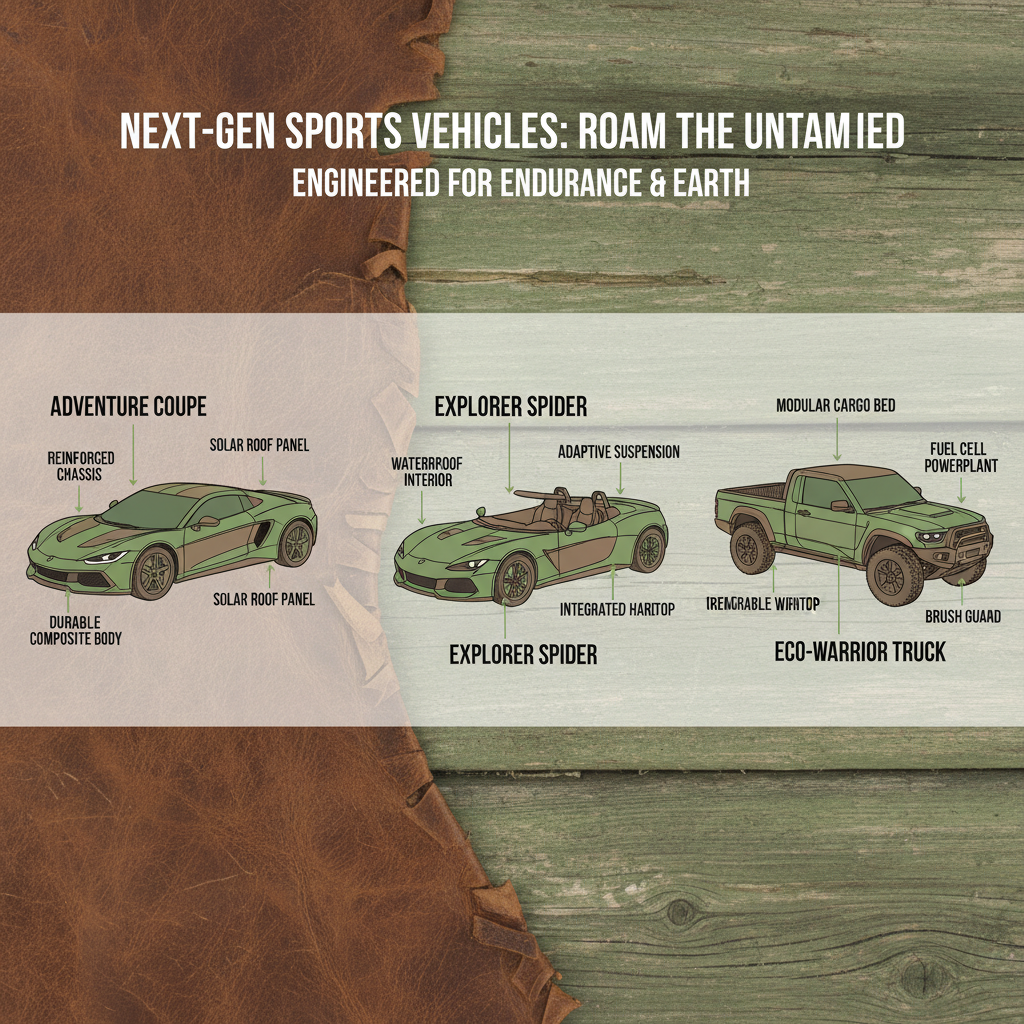
You know, people use these things in ways we never anticipate. We designed one model for urban commuting, thinking people would mostly be driving it around town. But we started getting reports from farmers in rural areas who were using it to haul hay bales! They'd modified the bed to handle the load. Who would have thought?
We also learned the hard way that people don’t read the owner’s manual. We had a batch of vehicles that were overheating because people were leaving them parked in the sun with the windows rolled up. It seems obvious, but you’d be surprised.
Advantages, Disadvantages, and Customization of New Electric Vehicles for Sale
The advantages are pretty clear: lower running costs, reduced emissions, and a smoother ride. But they're not perfect. The initial cost is still higher than a comparable gasoline vehicle, and the charging infrastructure is still lacking in many areas. And honestly, range anxiety is real. People worry about running out of juice in the middle of nowhere.
Customization is definitely possible. We offer a range of options, from different paint colors to upgraded sound systems. But the biggest request we get is for extended range batteries. People want to go further on a single charge, and we’re working on it.
A Real-World Case Study: Customization Gone Right (and Wrong) with New Electric Vehicles for Sale
Last month, that small boss in Shenzhen who makes smart home devices insisted on changing the interface to . He figured it'd be more convenient for his customers. Sounds reasonable, right? Wrong. It turned out his customers were mostly older folks who were used to the older connector. He ended up with a bunch of unsold vehicles and a very unhappy customer base. The cost of that change was ridiculous too!
But we also had a success story with a delivery company in Beijing. They wanted a customized cargo area with integrated temperature control. We worked with them to design a solution that met their specific needs, and it's been a huge hit. They're saving money on fuel and reducing their carbon footprint. It just goes to show you, customization can be a great thing if it’s done right.
Anyway, I think finding that balance between standardization and customization is the biggest challenge we face.
Summary of Key Material Properties for New Electric Vehicles for Sale
| Material Type |
Weight (kg/m³) |
Strength (MPa) |
Cost ($/kg) |
| Aluminum Alloy |
2700 |
275 |
8 |
| Carbon Fiber |
1500 |
500 |
20 |
| Expanded Polypropylene (EPP) |
20-80 |
20 |
2 |
| Basalt Fiber |
2800 |
350 |
5 |
| High-Strength Steel |
7850 |
400 |
3 |
| Bio-Based Composite (Hemp) |
1300 |
150 |
7 |
FAQS
Honestly, it’s the supply chain. Everything’s been disrupted the last few years. Getting consistent quality and timely deliveries of things like battery materials and rare earth magnets is a constant headache. You think you’ve got a deal locked down, and then suddenly the price doubles or the shipment gets delayed. You just gotta build in some buffer and have backup suppliers lined up. It's a constant juggling act.
We do a lot of simulated and real-world crash testing, as I mentioned. But it's not just about the structure of the vehicle. It's about the battery pack too. We have to make sure it won't rupture and cause a fire. We use advanced shielding and containment systems. The regulations are getting stricter all the time, which is a good thing, but it adds a lot of complexity to the design process.
That’s a big question. It depends on a lot of factors: how often you charge it, how fast you charge it, how hot or cold the climate is. But generally, you can expect a battery to last at least 8-10 years, or 100,000-150,000 miles. We also offer extended warranties on our batteries, just to give customers peace of mind.
That's a valid concern. There's definitely an environmental impact associated with mining the materials for batteries and manufacturing them. But over the vehicle’s lifespan, even accounting for battery production, electric vehicles still have a significantly lower carbon footprint than gasoline vehicles. And as battery recycling technology improves, that gap will only widen.
Slowly but surely, it's getting better. There's a lot of investment going into building more charging stations, especially fast chargers. But we still have a long way to go, especially in rural areas. Wireless charging is also showing promise, but it’s still in the early stages of development. It's definitely the area to watch.
We offer a range of customization options, as I mentioned earlier. You can choose different colors, materials, and features. We can also work with customers on more extensive modifications, but that can get expensive and time-consuming. The interior is a bit trickier, but we can usually accommodate some changes, like different seat fabrics or trim options. We try to be flexible, but there are limits.
Conclusion
So, there you have it. New electric vehicles for sale aren’t just about swapping out an engine. It's a complex interplay of materials, design, testing, and a whole lot of problem-solving. It’s about finding the right balance between performance, sustainability, and cost. There are challenges, sure, but the potential benefits are huge.
Ultimately, whether this thing works or not, the worker will know the moment he tightens the screw. Because in the end, it all comes down to real-world application. If it doesn’t hold up on the job site, it doesn’t matter how good it looks on paper. If you're looking for a reliable and sustainable vehicle, check out our latest models at new electric vehicles for sale.