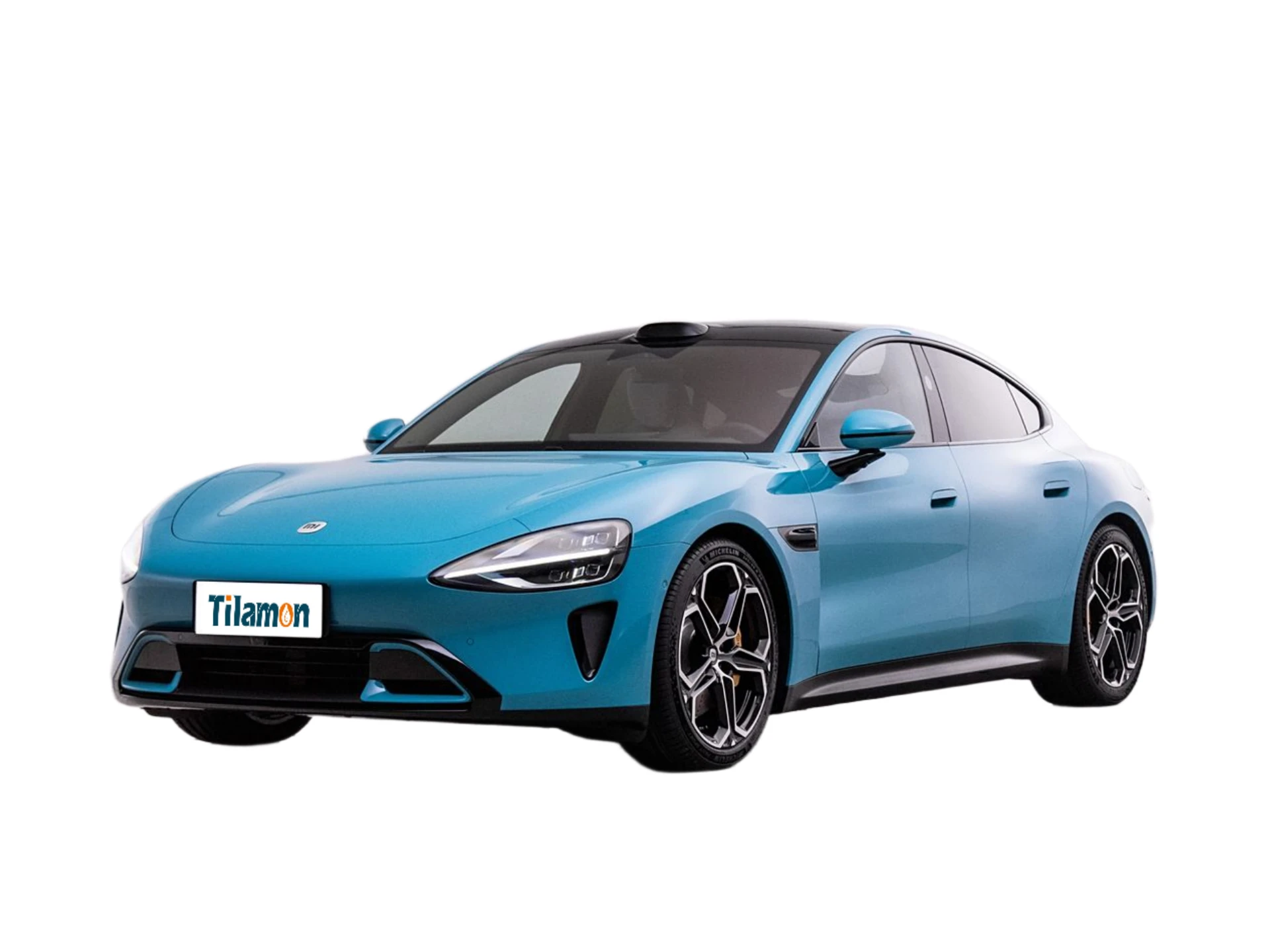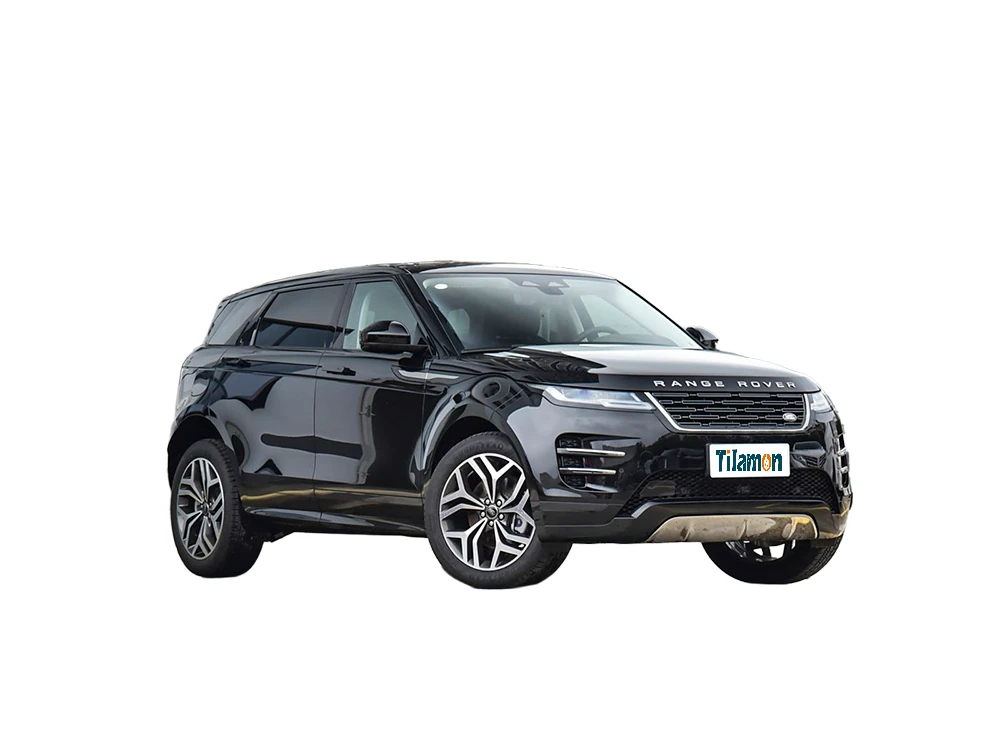
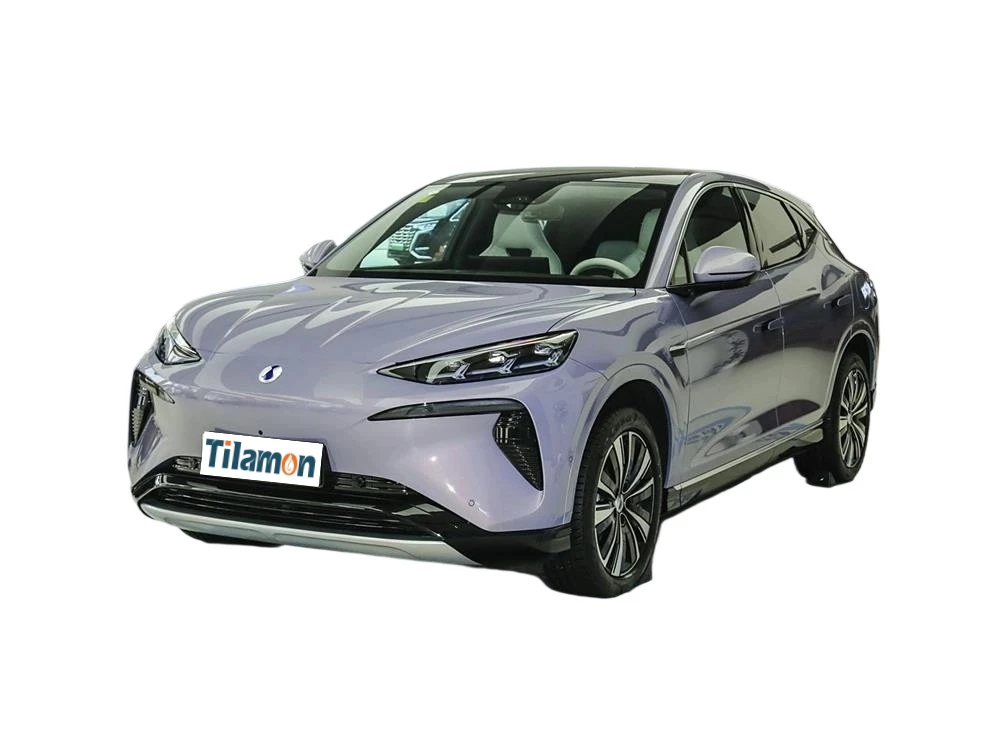
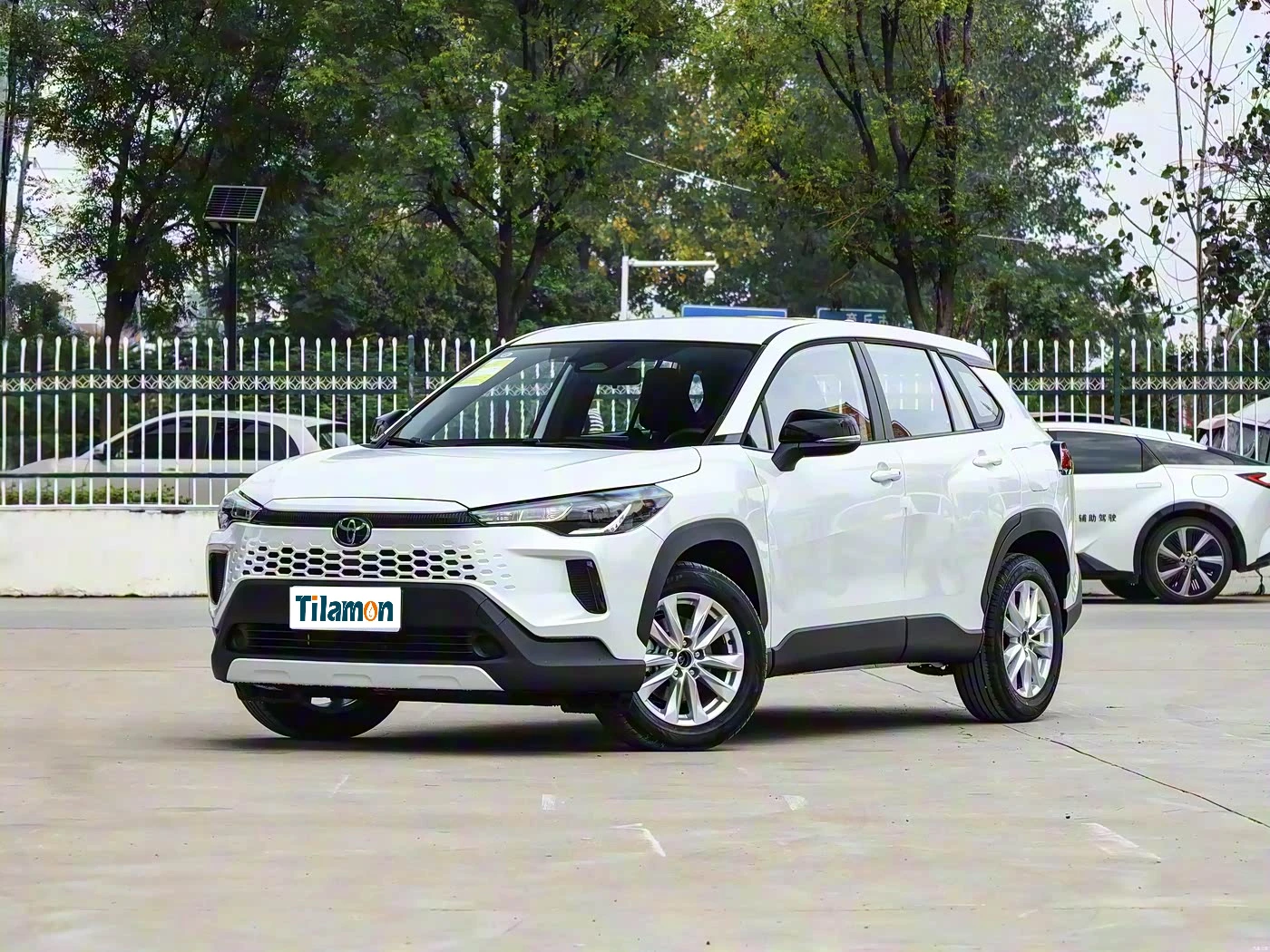
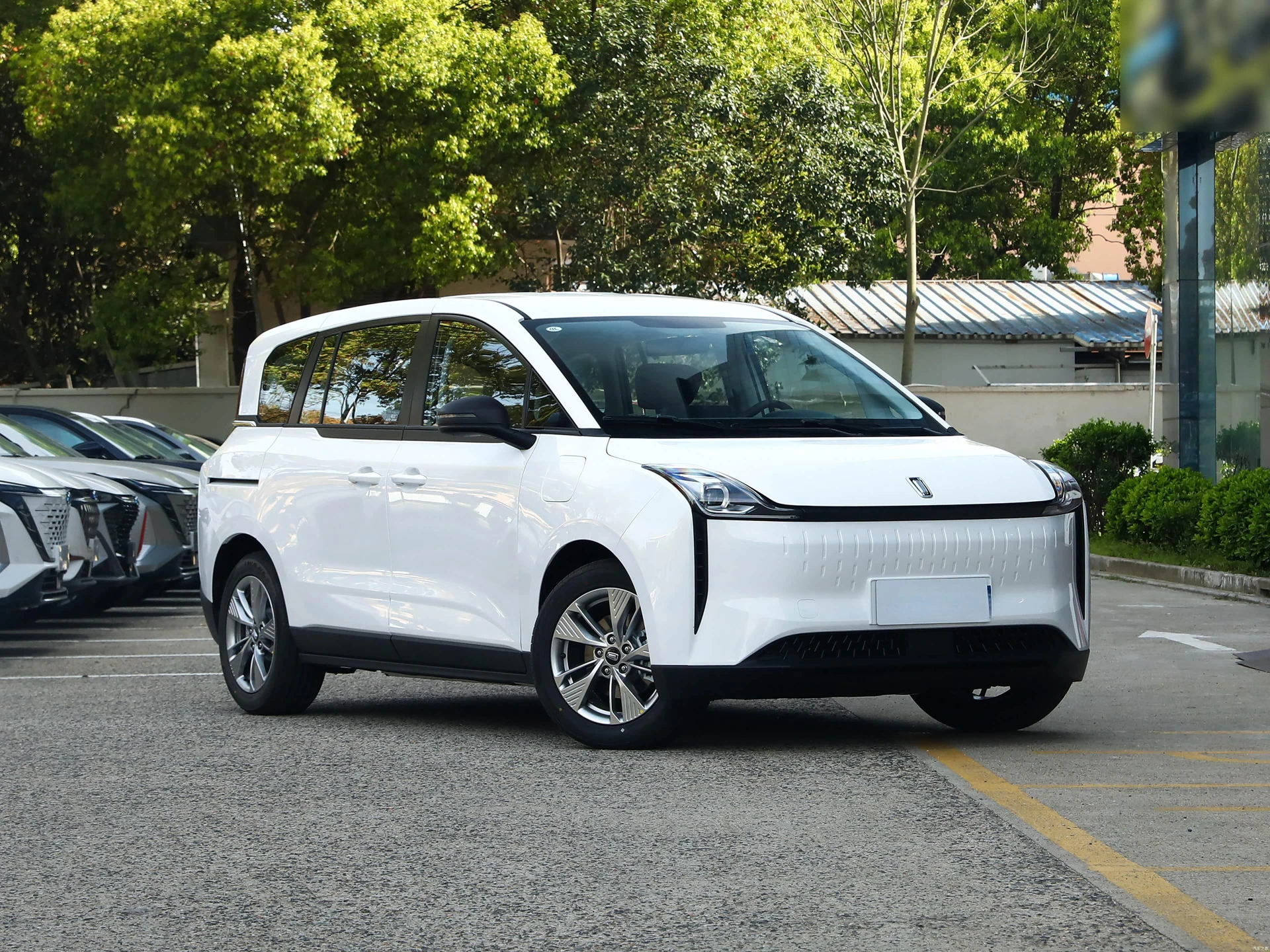
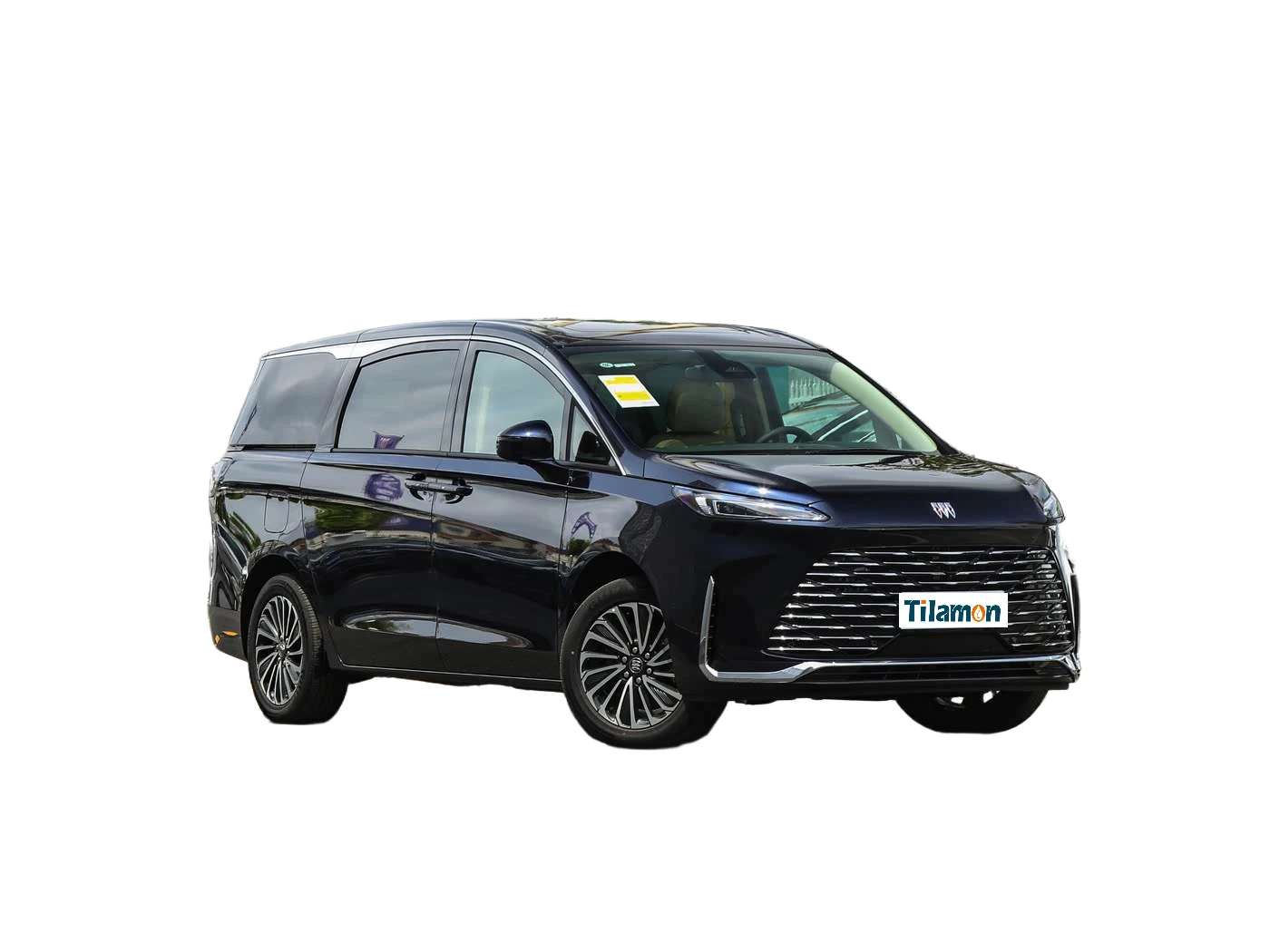
Eco-Friendly Mobility Solutions with new energy vehicle in Kazakhstan

Driving the future of Central Asian transport through advanced Chinese automotive engineering and sustainable energy integration.

Eco-Friendly Mobility Solutions with new energy vehicle in Kazakhstan

Providing high-performance, sustainable transportation options tailored for the unique geographical and climatic demands of the Kazakhstan market.

Kazakhstan's Automotive Landscape and the Rise of new energy ev

Analyzing the shift from internal combustion engines to electrified mobility in Central Asia.

Kazakhstan presents a unique challenge for automotive manufacturing due to its vast territory and extreme temperature fluctuations, ranging from scorching summers to freezing winters. Traditionally dependent on fossil fuels, the region is now seeing a surge in new chinese ev imports that offer superior battery thermal management systems capable of withstanding these harsh climates.

Economic diversification efforts by the government have accelerated the adoption of sustainable transport. While the demand for secondhand vehicle options remains high for affordability, there is a noticeable pivot toward electrified fleets in urban centers like Almaty and Astana to reduce smog and carbon emissions.

The infrastructure for charging is expanding rapidly, bridging the gap between traditional fuel stations and electric hubs. This transition is supported by a growing appetite for high-tech features and cost-effective ownership, making the new energy vehicle the preferred choice for the modern Kazakh consumer.
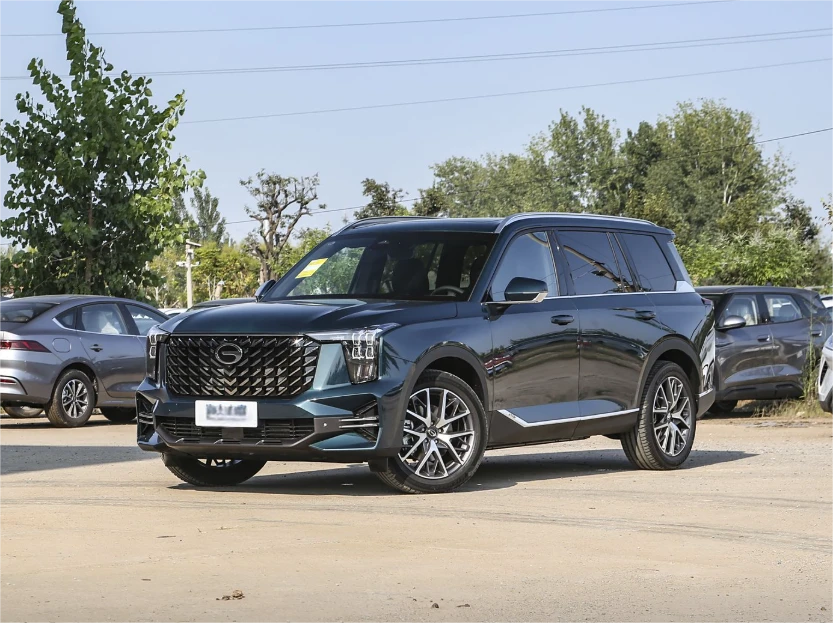
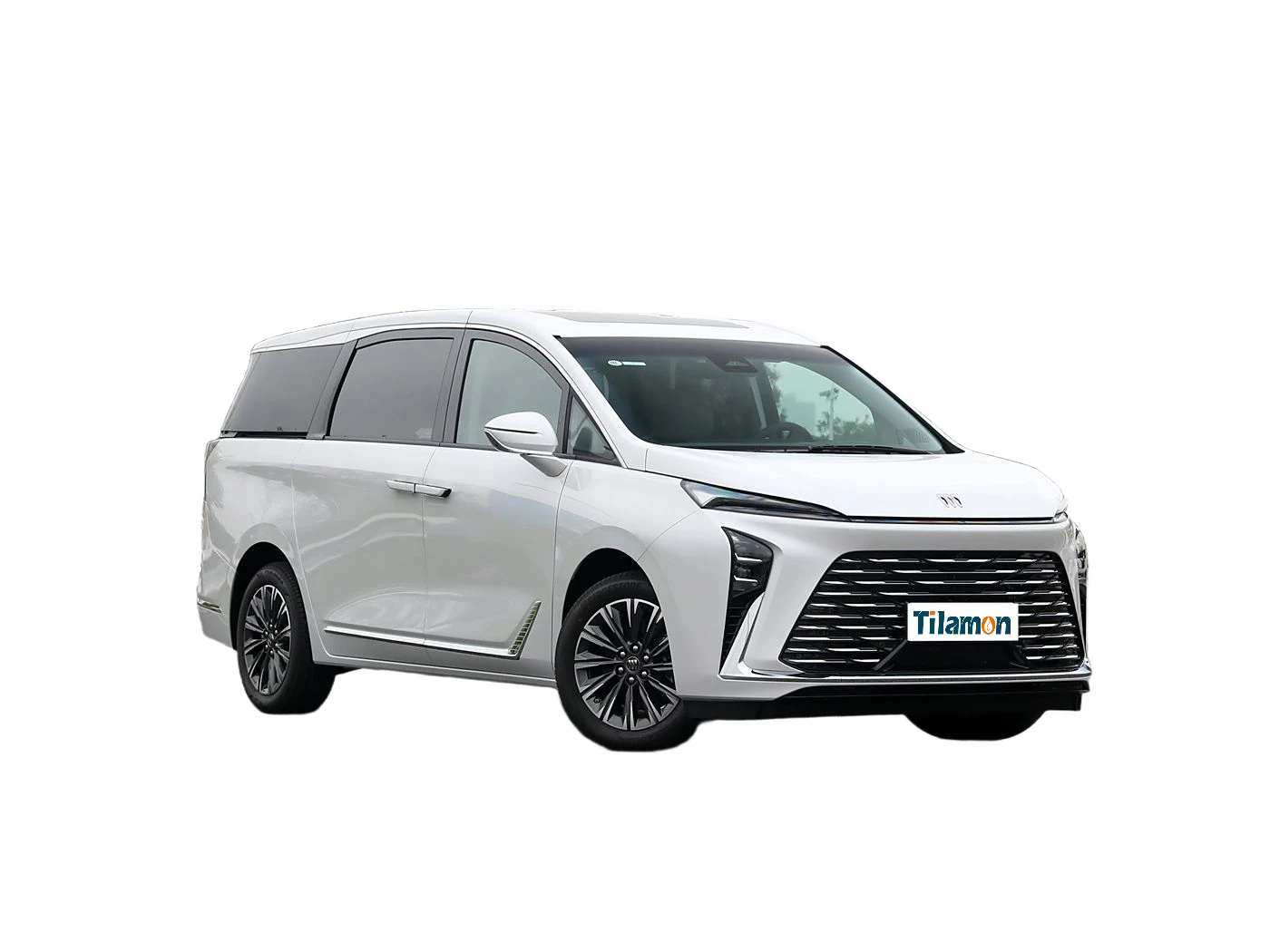
Evolution of the Kazakh Auto Market: From Combustion to 2 nd hand cars and EVs

Tracing the technological trajectory of vehicle adoption in the region.

Market Development History

From 2000 to 2015, the market was dominated by traditional ICE vehicles and a robust trade in 2 nd hand cars from Europe and Japan, focusing on durability and mechanical simplicity.

Between 2016 and 2021, the introduction of hybrid technologies began to take root. Chinese manufacturers entered the market with competitive pricing, introducing the first wave of scalable battery technology and smart cockpit integrations.

From 2022 to the present, we have entered the era of full electrification. The focus has shifted toward the new energy ev, emphasizing long-range capabilities and rapid charging to suit the long-distance travel needs of Kazakhstan.

Future Development Trends

Solid-State Battery Integration

Expect a shift toward solid-state batteries by 2027 to eliminate range anxiety and improve safety in extreme cold temperatures.

Autonomous Driving for Logistics

Integration of Level 3 autonomy for long-haul freight transport across the Steppes to increase efficiency and safety.

Circular Battery Economy

Development of localized battery recycling centers to handle the end-of-life cycle of early-generation electric vehicles.

Future Outlook for new energy vehicle Technology

Predicting the next 5 years of automotive innovation based on regional search trends and technical roadmaps.

Ultra-Fast Charging Networks
Deployment of 350kW+ charging stations along main highways to support intercity travel.
AI-Driven Energy Management
Predictive AI to optimize battery consumption based on real-time Kazakhstan weather data.
V2G (Vehicle-to-Grid)
Allowing EVs to feed energy back into the grid during peak hours in urban districts.
Modular Chassis Design
Adaptable platforms that allow for quick transitions between passenger and commercial utility.

Industry Outlook

Based on Google Search trends in Central Asia, there is a significant increase in queries regarding "winter battery performance" and "EV charging costs," indicating that consumers are moving from curiosity to practical purchase planning.

We anticipate that within 3-5 years, the penetration rate of electric vehicles in Kazakhstan's new car market will exceed 25%, driven by government incentives and the technological maturity of Chinese OEM partners.

Localized Application Scenarios for new energy ev

Practical use cases for electrified mobility in the Kazakhstan environment.

1. Urban Commuting in Almaty

Utilizing compact electric vehicles to navigate dense city traffic and reduce urban pollution, leveraging the growing network of city-center fast chargers.

2. Long-Distance Steppe Logistics

Implementing high-capacity battery trucks for freight, optimized with regenerative braking for the undulating terrain of the Kazakh plains.

3. Winter-Ready Passenger Transport

Deploying EVs equipped with advanced heat pumps and battery pre-conditioning to maintain range during sub-zero temperatures in Astana.

4. Government Fleet Modernization

Replacing aging official vehicles with sustainable options to meet national carbon neutrality targets by 2060.

5. Budget-Friendly Entry with Certified Pre-owned

Providing a sustainable path for first-time buyers through high-quality secondhand vehicle options with verified battery health reports.

Brand Story

Global Development Process of Shijiazhuang Zhenming Chemical Co., Ltd.

Foundational Engineering

Established with a focus on high-purity material science, creating the chemical foundations for advanced automotive components.

Industrial Expansion

Scaling production to meet the demands of the global automotive supply chain, specializing in thermal management materials.

Sustainable Pivot

Integrating green chemistry to support the manufacturing of the next generation of electric vehicle batteries.

Global Logistics Reach

Establishing robust export channels to Central Asia, ensuring high-quality components reach the Kazakh market.

Future Mobility Vision

Commitment to eradicating inefficiency in vehicle manufacturing through cutting-edge material innovation.

Common Questions regarding Kazakhstan's EV Market

Expert answers to your most pressing questions about switching to electric mobility.

How do new chinese ev models perform in Kazakhstan's winter?

Modern Chinese EVs are equipped with advanced battery heating systems and high-efficiency heat pumps specifically designed to maintain performance in temperatures as low as -30°C.

Is it better to buy a new energy vehicle or a certified pre-owned one?

New vehicles offer the latest battery technology and full warranties, while certified pre-owned options provide a lower entry cost for those testing the EV lifestyle.

Where can I find reliable secondhand vehicle inspections for EVs?

We recommend professional battery health diagnostics (SOH reports) to ensure the energy capacity of any pre-owned electric car is still within acceptable limits.

What is the average charging time for a new energy ev in Almaty?

Using DC fast chargers, most modern models can reach 80% charge in 30-40 minutes, while home AC charging typically takes 6-10 hours.

Are 2 nd hand cars electric versions easy to maintain?

Yes, EVs have significantly fewer moving parts than ICE vehicles, reducing the frequency of oil changes and mechanical repairs for pre-owned buyers.

What government incentives exist for purchasing a new energy vehicle in Kazakhstan?

Depending on current regulations, benefits include customs duty exemptions and reduced registration fees for zero-emission vehicles.

Get Your Sustainable Drive Today

Our experts are ready to help you navigate the transition to electric mobility in Kazakhstan.

Contact Us Now

If you are interested in our products, you can choose to leave your information here, and we will be in touch with you shortly.