26 February 2026
Determining the old car price can be a complex process. Several factors contribute to a vehicle’s value, including its make, model, year, mileage, condition, and current market demand. Whether you’re looking to buy a classic car, a reliable used vehicle, or simply want to understand the value of your current automobile, knowing these influencing factors is crucial. At Tilamon Cars, we specialize in assisting buyers and sellers navigate this landscape, providing accurate valuations and a seamless transaction experience. This guide will delve into the key aspects influencing old car prices and how to find the best deals.

The old car price isn’t simply determined by age. It’s a multifaceted evaluation. The make and model of the vehicle play a significant role. Certain brands and models consistently hold their value better than others due to their reputation for reliability, durability, and desirability. Mileage is another critical factor; lower mileage generally translates to a higher price. The vehicle’s condition, including mechanical soundness and cosmetic appearance, heavily influences its value. Finally, the overall market demand for that particular vehicle affects the price—rare or highly sought-after models can command a premium. A comprehensive assessment considers all these elements.
Key Highlights: Make, Model, Mileage, Condition, and Market Demand are primary determinants of a vehicle’s value. A thorough assessment of each factor is crucial for accurate pricing.
There are several resources available to help you determine a fair old car price. Online valuation tools, such as Kelley Blue Book and Edmunds, provide estimates based on vehicle specifics. These tools offer a starting point, but it’s essential to adjust the price based on the vehicle’s actual condition and local market conditions. Researching comparable listings in your area is also vital. Looking at similar vehicles for sale – same make, model, year, and mileage – gives you a realistic understanding of the current market value. Professional appraisals from dealerships or independent mechanics offer the most accurate assessment.
Valuation Resources:
• Kelley Blue Book (KBB)
• Edmunds
• NADAguides
• Local Market Listings (e.g., Craigslist, Facebook Marketplace)
The old car price varies greatly depending on the model. Here's a comparison of a few popular models and their approximate prices (as of late 2023/early 2024):
When buying or selling an old car, negotiation is often expected. As a buyer, be prepared to walk away if the price isn’t right. Have your research prepared and be willing to point out any issues with the vehicle to justify a lower offer. As a seller, be realistic about your car’s condition and be willing to compromise. A well-maintained vehicle with a clean title will command a higher price. Consider offering a slight discount to incentivize a quick sale. At Tilamon Cars, we assist with the negotiation process, ensuring a fair and transparent transaction for both parties.
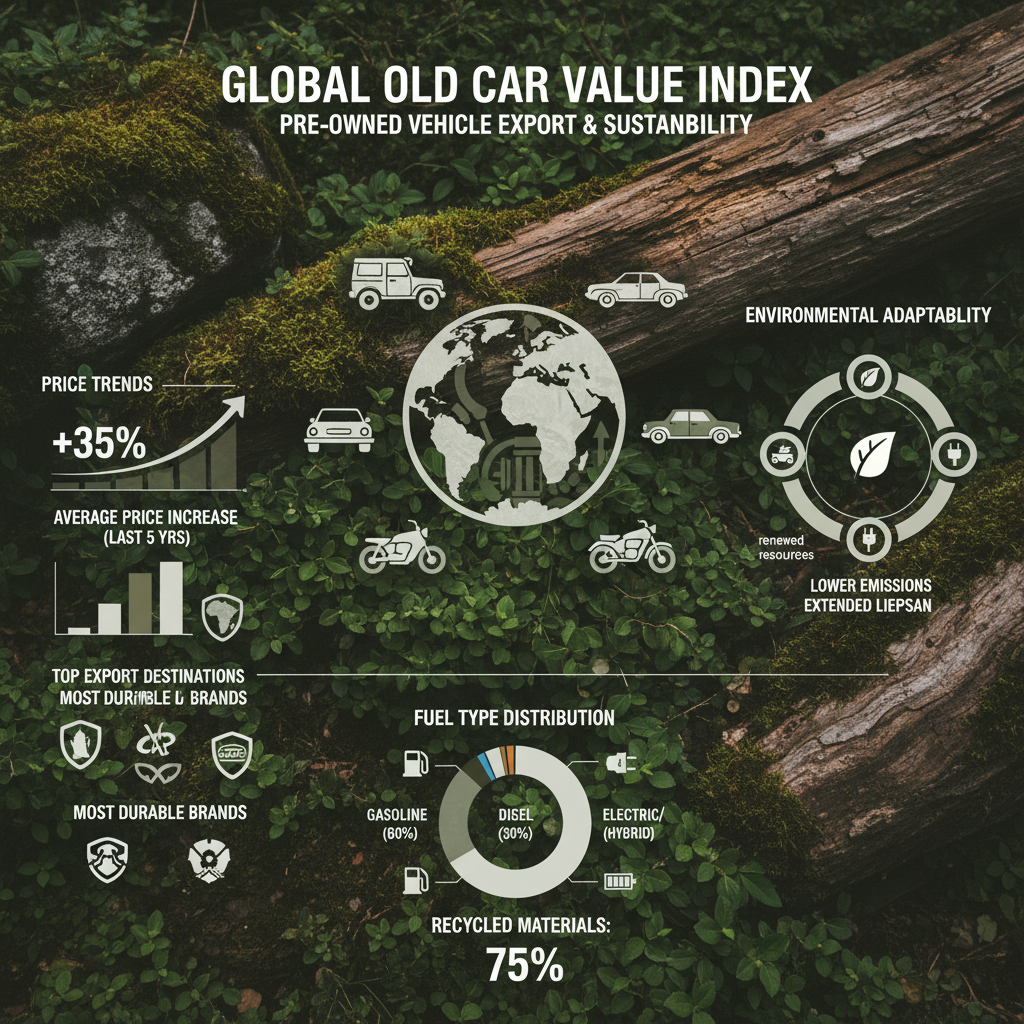
Understanding the factors that influence old car price is vital for making informed decisions. Whether you are a buyer or a seller, thorough research, realistic expectations, and effective negotiation are key to a successful outcome. Tilamon Cars is dedicated to providing a trustworthy and efficient platform for buying and selling used vehicles, leveraging our expertise to ensure a positive experience for all our customers.
Vehicle history reports, such as those from Carfax or AutoCheck, significantly impact the old car price. These reports reveal crucial information about the vehicle’s past, including accident history, title issues (e.g., salvage title), odometer readings, and service records. A clean history report typically commands a higher price, as it indicates a well-maintained and reliable vehicle. Conversely, a history report revealing accidents, title problems, or inconsistencies can lower the price substantially. Buyers should always request and review a vehicle history report before making a purchase, and sellers should be prepared to provide it.
Seasonality plays a role in the old car price. Convertibles and SUVs tend to be more expensive in the spring and summer months due to increased demand. Conversely, prices for these vehicles may drop in the fall and winter. Trucks are often in higher demand during the fall, as people prepare for winter weather. Generally, demand is higher at the end of the year due to tax refund season. Understanding these seasonal trends can help you time your purchase or sale for the best possible price.
Yes, several hidden costs can arise when buying an old car. These include sales tax, registration fees, insurance premiums, and potential repair costs. It’s important to factor these expenses into your budget. A pre-purchase inspection by a qualified mechanic can help identify potential problems that may require immediate attention. Also, be aware of any outstanding recalls or manufacturer's service bulletins that may apply to the vehicle. Consider setting aside a reserve fund for unexpected repairs.
To maximize the old car price, thorough preparation is key. Start with a professional detailing, both inside and out. Address any minor mechanical issues, such as replacing worn wiper blades or burnt-out light bulbs. Gather all maintenance records to demonstrate the vehicle’s history. Take high-quality photos showcasing the car’s condition. Write an honest and detailed description highlighting its features and benefits. A well-presented vehicle is more likely to attract buyers and command a higher price.