Sustainable Mobility Solutions with new energy vehicle in Turkmenistan

Driving the future of Central Asian transportation through advanced Chinese EV technology and sustainable automotive ecosystems.

Sustainable Mobility Solutions with new energy vehicle in Turkmenistan

Integrating cutting-edge electric propulsion and smart manufacturing to redefine the automotive landscape of Turkmenistan.

Automotive Market State in Turkmenistan

Analyzing the transition from combustion engines to electric alternatives in the heart of Central Asia.

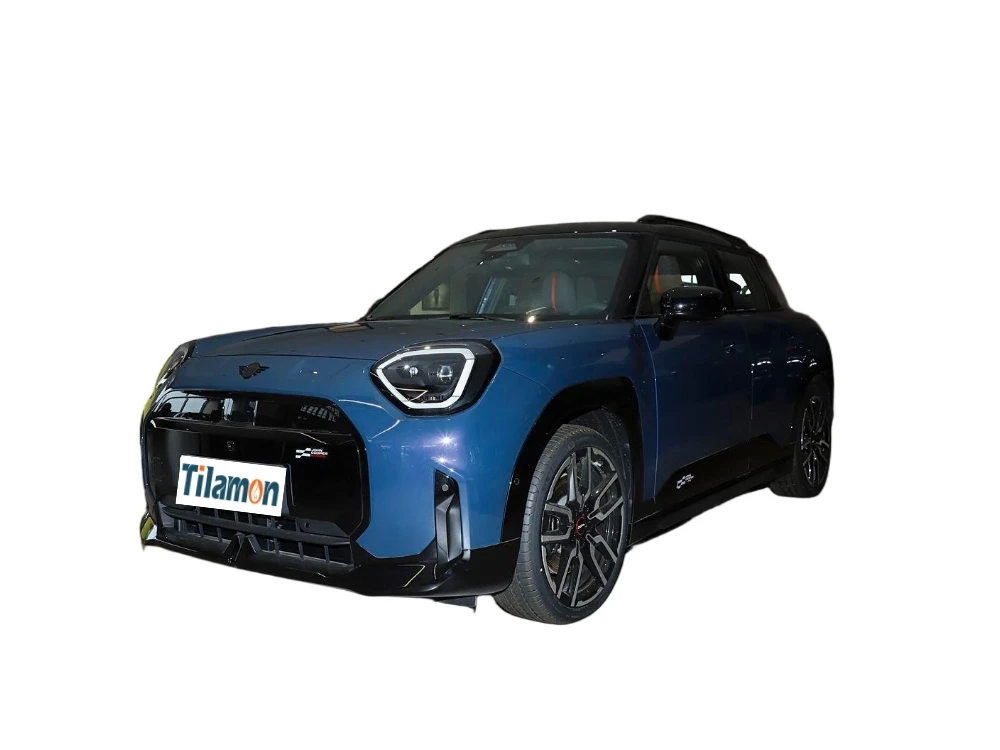
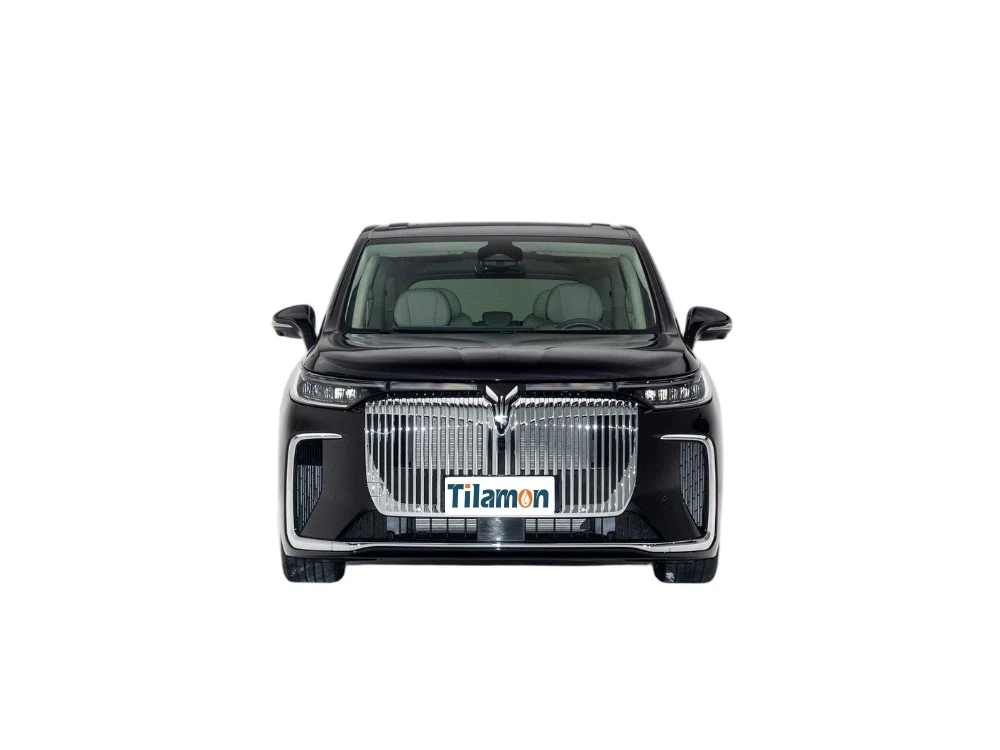
Turkmenistan's automotive sector is currently experiencing a strategic shift. While the market has historically relied on internal combustion engines, there is a growing demand for new chinese ev models that offer both luxury and efficiency, aligning with the nation's infrastructure modernization goals.

The extreme continental climate of the region, characterized by scorching summers and cold winters, presents a unique challenge for battery thermal management. Consequently, the adoption of a new energy ev requires specialized engineering to ensure performance stability across Turkmenistan's diverse landscapes.

Furthermore, a significant portion of the population still relies on the secondhand vehicle market. This creates a dual-track economy where high-end new energy imports coexist with a robust trade in pre-owned combustion cars, necessitating a bridge toward affordable electric mobility.
Evolution of Mobility: From Traditional to Electric

Tracing the technological trajectory of vehicle manufacturing and adoption in the region.

Market Development History

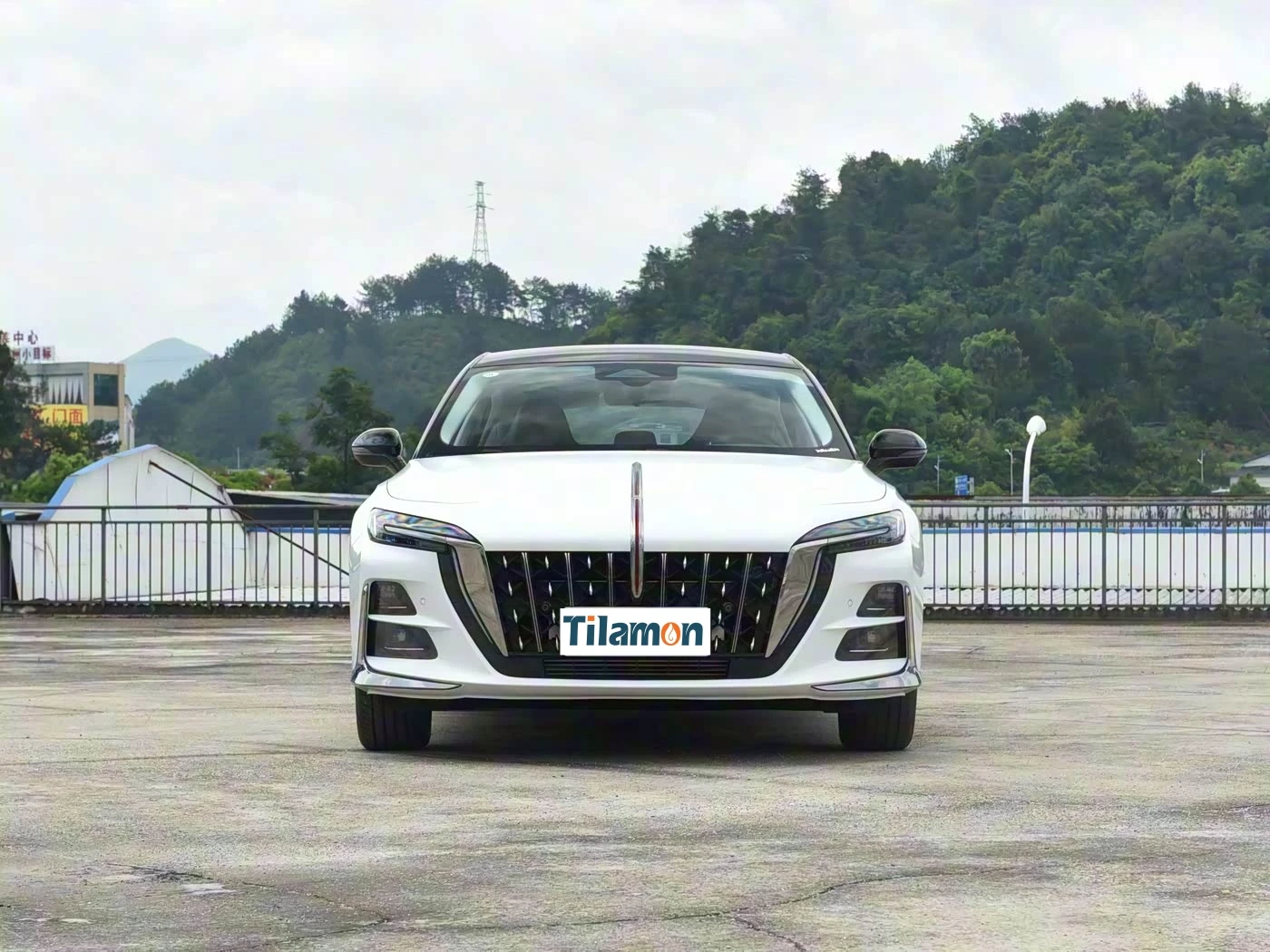
In the early 2010s, the market was dominated by heavy-duty vehicles and traditional sedans. The focus was primarily on durability and fuel capacity to handle long distances between urban centers in Turkmenistan.

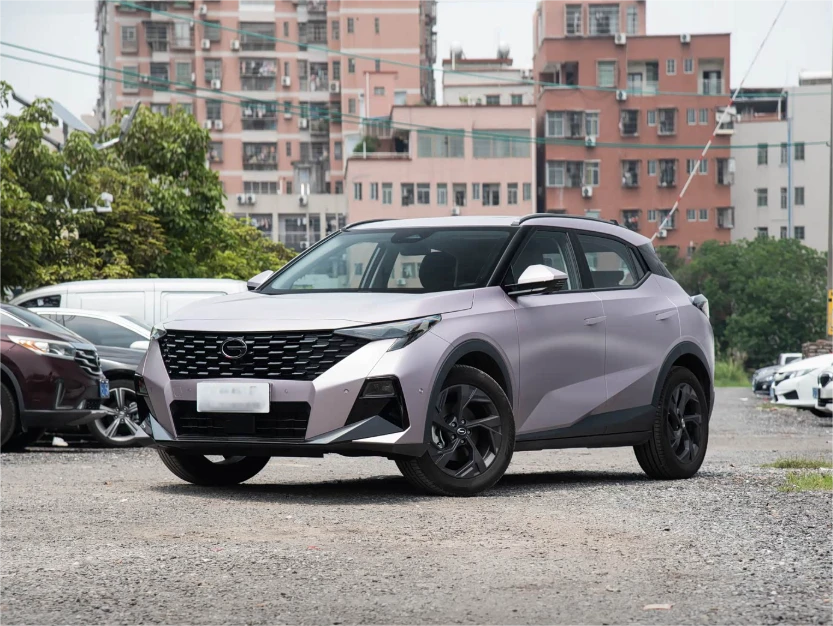
Between 2015 and 2020, there was a noticeable increase in the import of 2 nd hand cars from Europe and Asia, which introduced the local consumer to higher safety standards and more sophisticated electronic control units (ECUs).

From 2021 to the present, the "Green Silk Road" initiative has accelerated the entry of Chinese manufacturers, shifting the focus toward high-voltage platforms and intelligent cockpits, marking the official era of electrification.

Future Development Trends

Infrastructure Synergy

The integration of solar-powered charging stations to complement the national grid, reducing the carbon footprint of electric fleets.

Battery Chemistry Innovation

Transitioning toward LFP (Lithium Iron Phosphate) batteries to better withstand the extreme heat of the Karakum Desert.

Circular Economy Integration

Developing a certified ecosystem for the resale of used EVs, transforming the traditional secondhand vehicle trade into a sustainable battery-lifecycle model.

Industry Trends and Future Outlook

Predicting the next 3-5 years of automotive transformation based on search trends and technical data.

AI-Driven Optimization
Implementing AI for predictive maintenance to reduce downtime in remote desert regions.
Fast-Charging Networks
Rapid expansion of ultra-fast charging hubs along the Ashgabat-Turkmenabat corridor.
V2G Technology
Vehicle-to-Grid systems allowing EVs to act as energy storage for regional stability.
Autonomous Logistics
Developing autonomous electric trucks for cargo transport between Caspian ports.

Industry Outlook

Based on current Google search trends in Central Asia, there is a exponential increase in queries regarding "battery life in heat" and "Chinese EV charging standards," indicating a market moving from curiosity to active adoption.

We expect that within five years, the penetration rate of electric vehicles in urban Turkmenistan will rise by 40%, driven by government incentives and the decreasing cost of high-density battery cells.

Localized Applications in Turkmenistan

Practical scenarios where new energy vehicles solve specific regional challenges.

01. Urban Commuting in Ashgabat

Utilizing compact new chinese ev models to navigate the capital's white-marble districts with zero emissions and low noise pollution.

02. Cross-Desert Logistics

Deploying high-torque electric trucks equipped with reinforced suspension for transporting goods across the Karakum sandy terrains.

03. Government Fleet Modernization

Replacing aging official vehicles with a fleet of new energy vehicle options to demonstrate national commitment to sustainability.

04. Affordable Entry-Level Mobility

Creating a certified trade-in program where owners of 2 nd hand cars can upgrade to affordable electric models.

05. Agricultural Support Vehicles

Implementing small electric utility vehicles in cotton and wheat fields to reduce soil contamination from diesel spills.

Brand Story

Global Development Journey of Shijiazhuang Zhenming Chemical Co., Ltd.

Foundational Excellence

Started as a specialized chemical provider, establishing the purity standards required for advanced industrial manufacturing.

Strategic Diversification

Expanded into the materials science sector, providing critical components for battery electrolytes and thermal coatings.

Global Integration

Established trade corridors across Central Asia, bridging the gap between Chinese manufacturing and Turkmen market needs.

Sustainability Pivot

Focused on the "Zero Emission" mission, aligning chemical expertise with the growth of the EV automotive industry.

Future Vision

Becoming the leading facilitator of clean energy mobility by optimizing the entire vehicle lifecycle from materials to recycling.

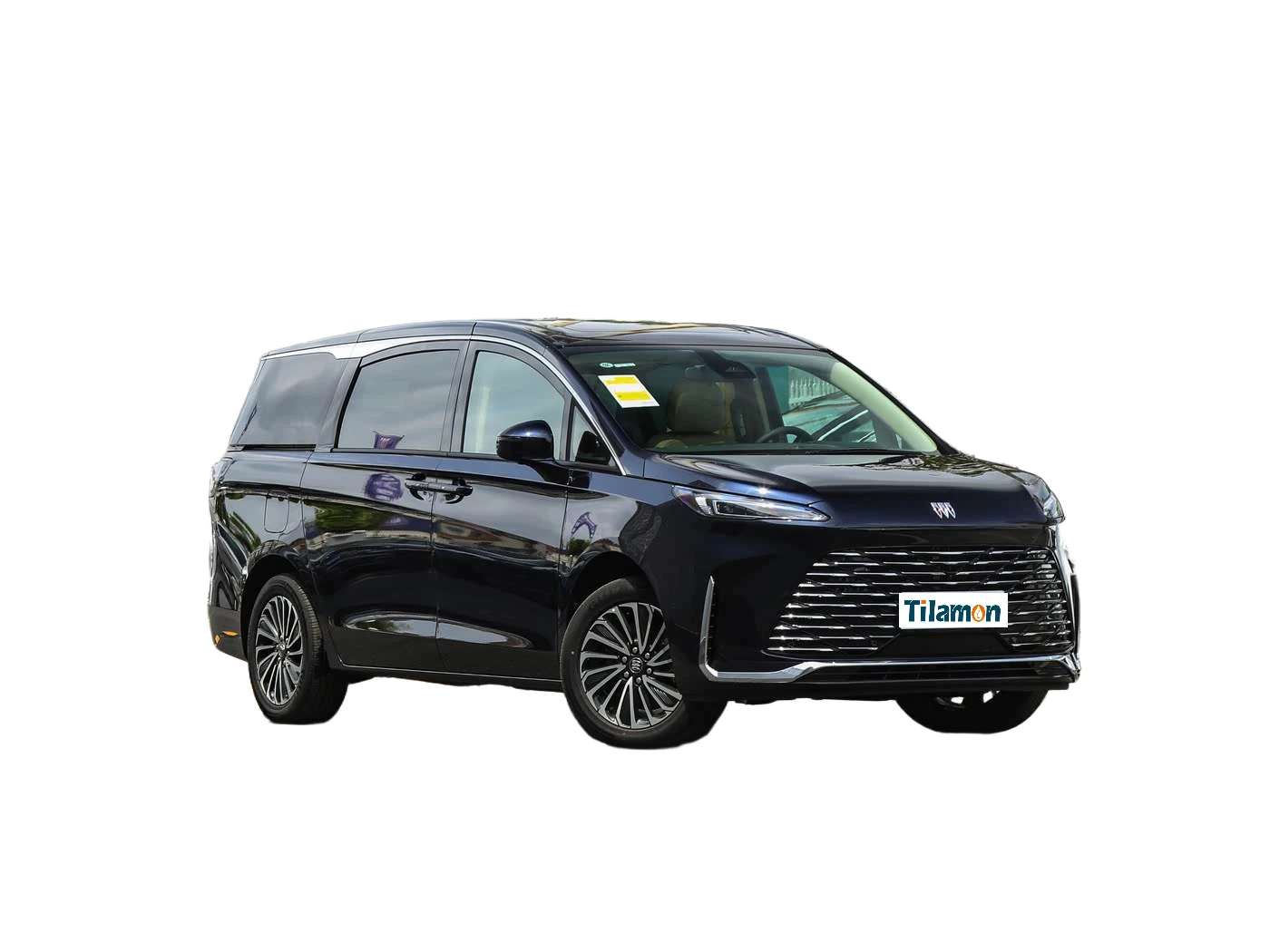
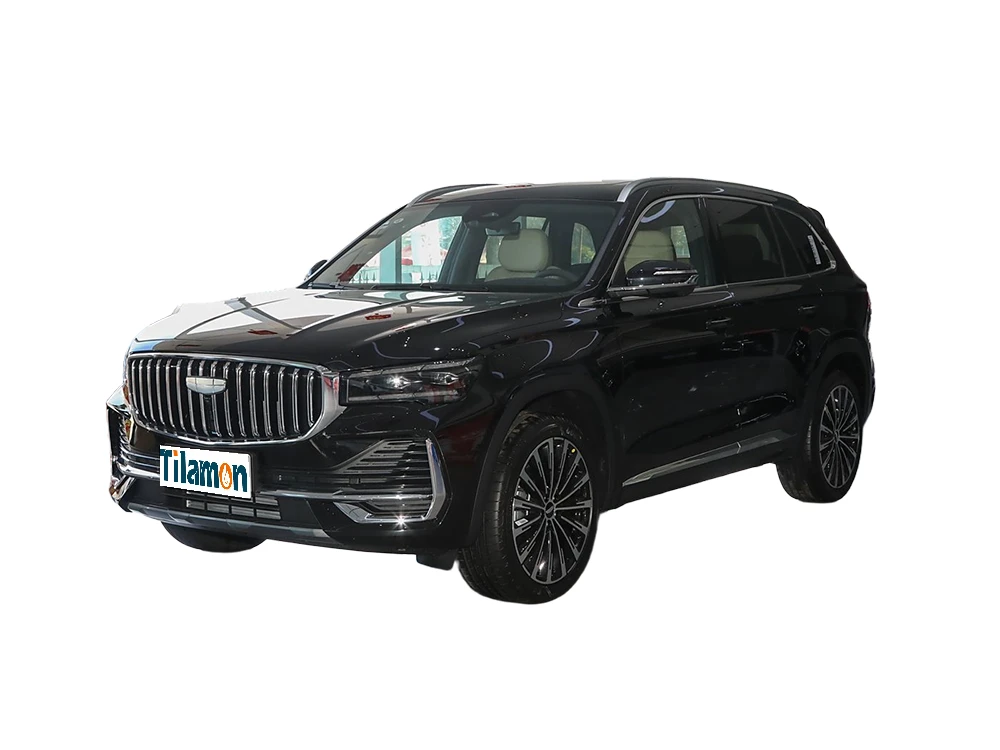
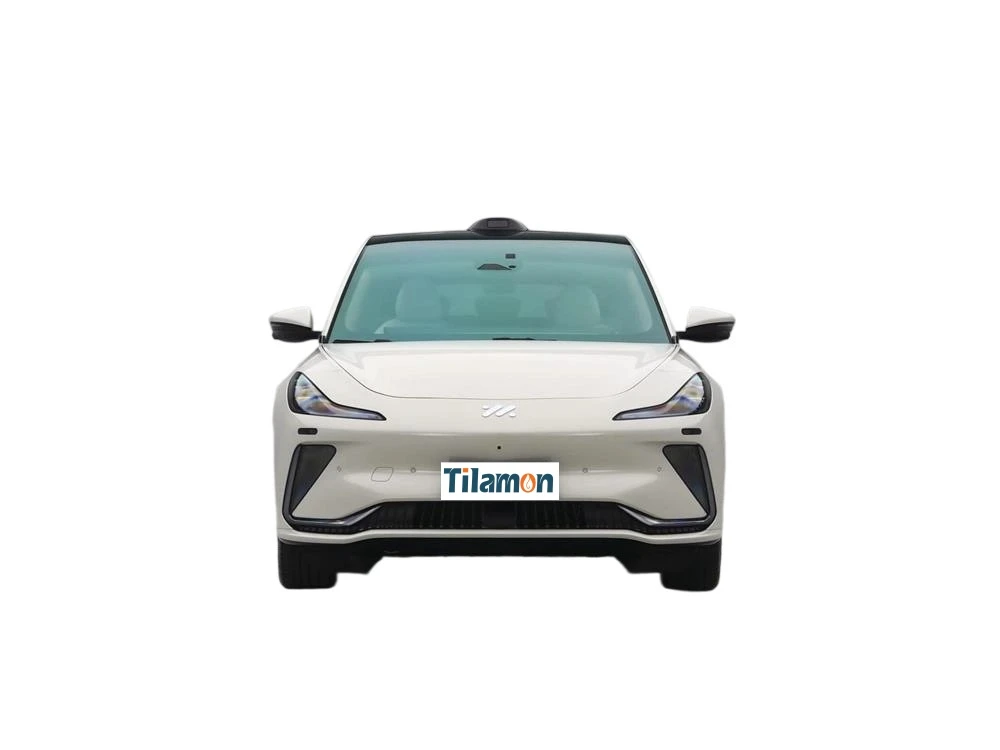
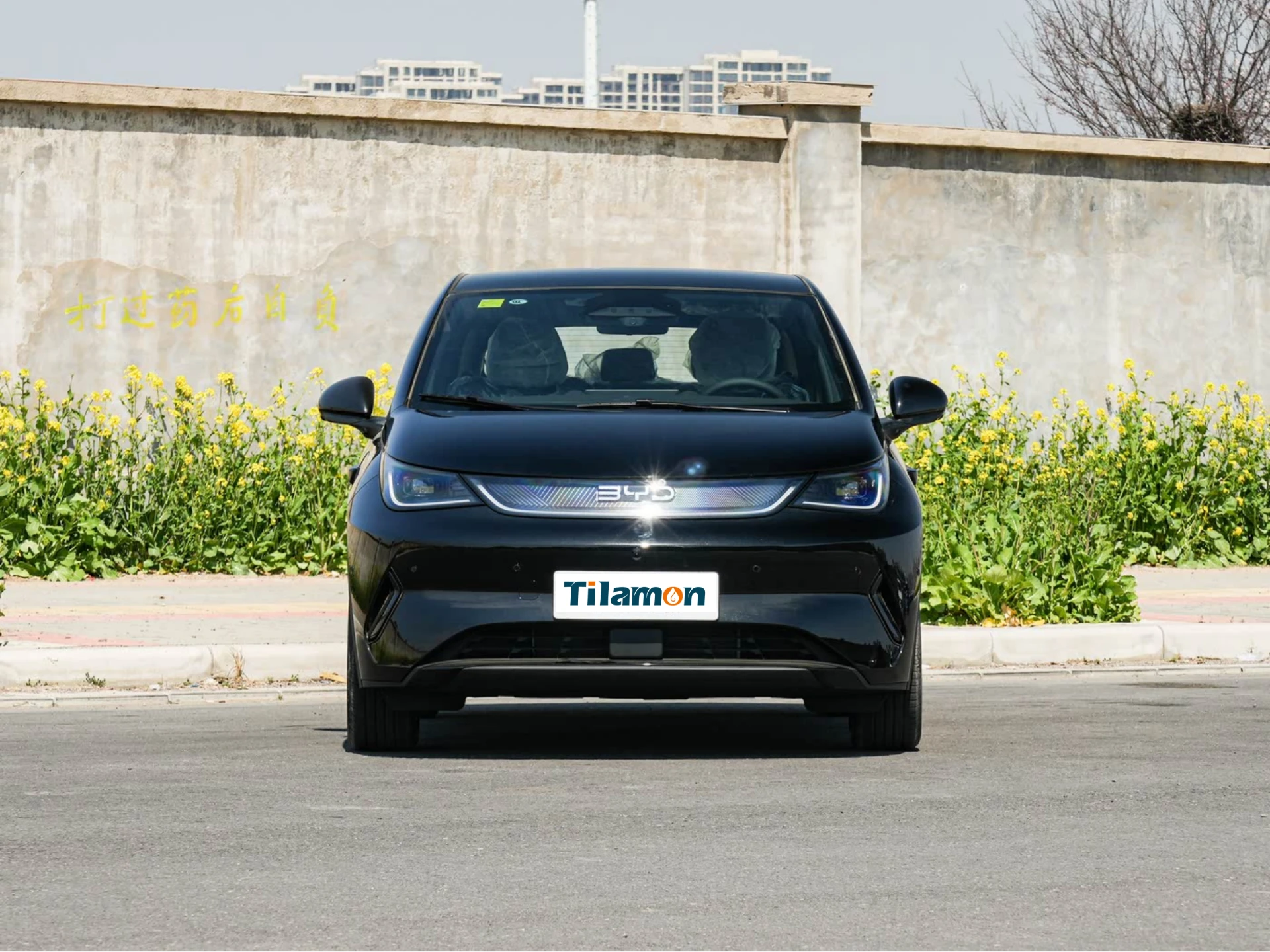
Comprehensive Vehicle Portfolio for Turkmenistan

From luxury electric sedans to durable pre-owned options, tailored for the Central Asian market.

Common Questions in Turkmenistan

Expert answers to the most pressing concerns about the transition to electric mobility.

How does a new chinese ev perform in the extreme heat of the Karakum desert?

Modern Chinese EVs utilize advanced liquid cooling systems and thermal management software that keep battery temperatures stable even in 45°C+ weather.

Is it better to buy a new energy ev or a certified secondhand vehicle for long-distance travel?

For long-distance travel, a new energy EV with high-capacity batteries is recommended; however, for urban use, a certified secondhand vehicle can be a cost-effective entry point.

What is the average charging time for a new energy vehicle in Ashgabat?

Using DC fast chargers, most vehicles can reach 80% charge within 30 to 60 minutes, while home AC charging typically takes 8-12 hours.

Can I find reliable spare parts for 2 nd hand cars from China?

Yes, the expanding trade networks ensure that OEM parts for major Chinese brands are readily available through certified distributors in Turkmenistan.

What are the tax incentives for importing a new energy ev into Turkmenistan?

The government has introduced various customs exemptions and reduced registration fees for zero-emission vehicles to encourage a green transition.

How do I verify the battery health of a secondhand vehicle?

We provide a comprehensive Battery State of Health (SOH) report using professional diagnostic tools to ensure transparency and performance guarantees.

Ready to Switch to Electric?

Connect with our automotive experts in Turkmenistan to find the perfect energy-efficient vehicle for your needs.

Contact Us Now

If you are interested in our products, you can choose to leave your information here, and we will be in touch with you shortly.