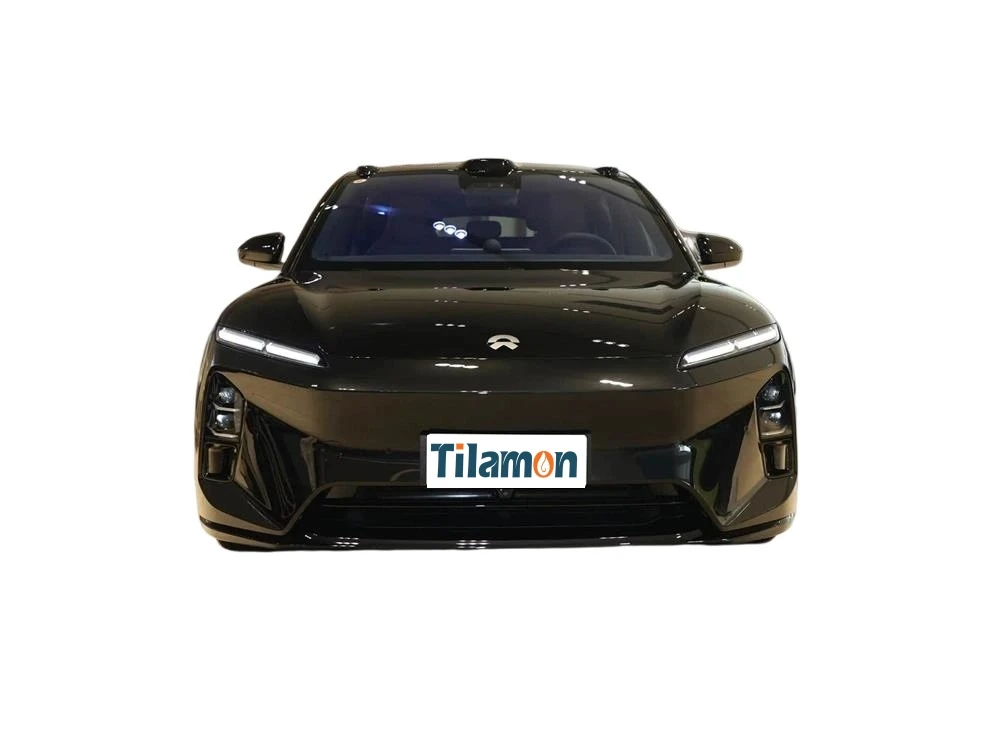
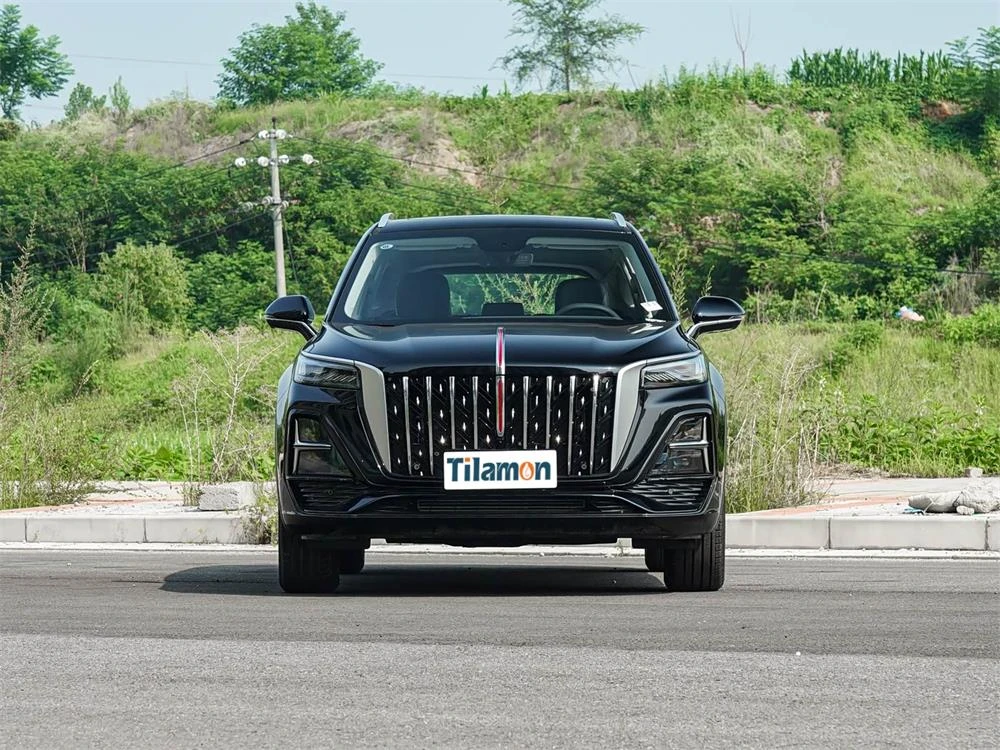
Sustainable Mobility Solutions: The Rise of new energy vehicle in Japan

Integrating cutting-edge Chinese automotive engineering with the rigorous quality standards of the Japanese market to redefine urban transportation.

Sustainable Mobility Solutions: The Rise of new energy vehicle in Japan

We provide a comprehensive ecosystem for the adoption of high-efficiency electric mobility, blending innovation in new chinese ev technology with local infrastructure needs.

The Current Landscape of Electric Mobility in Japan

Analyzing the synergy between Japanese urban planning and the influx of next-generation energy cars.

Japan's automotive market is currently undergoing a critical transition. With a strong historical preference for hybrids, the shift toward a full new energy ev ecosystem is being accelerated by government carbon-neutral goals for 2050. The dense urban environments of Tokyo and Osaka demand compact, highly efficient vehicles that can navigate narrow streets while utilizing a rapidly expanding charging network.

Simultaneously, there is a growing appetite for diversity in the market. Consumers are increasingly looking at the new chinese ev sector, which offers highly competitive smart-cabin features and battery densities that challenge traditional domestic benchmarks. This influx is driving a competitive evolution in vehicle software and autonomous driving capabilities across the region.

Beyond new sales, the circular economy is gaining traction. The demand for a reliable secondhand vehicle market specifically for electrified models is rising, as Japanese buyers prioritize long-term residual value and battery health certification when purchasing pre-owned assets.
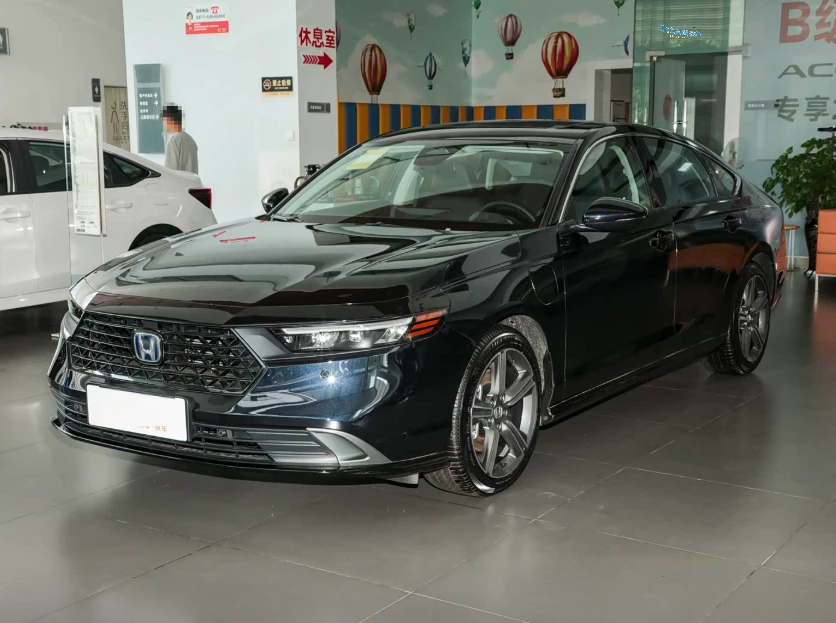
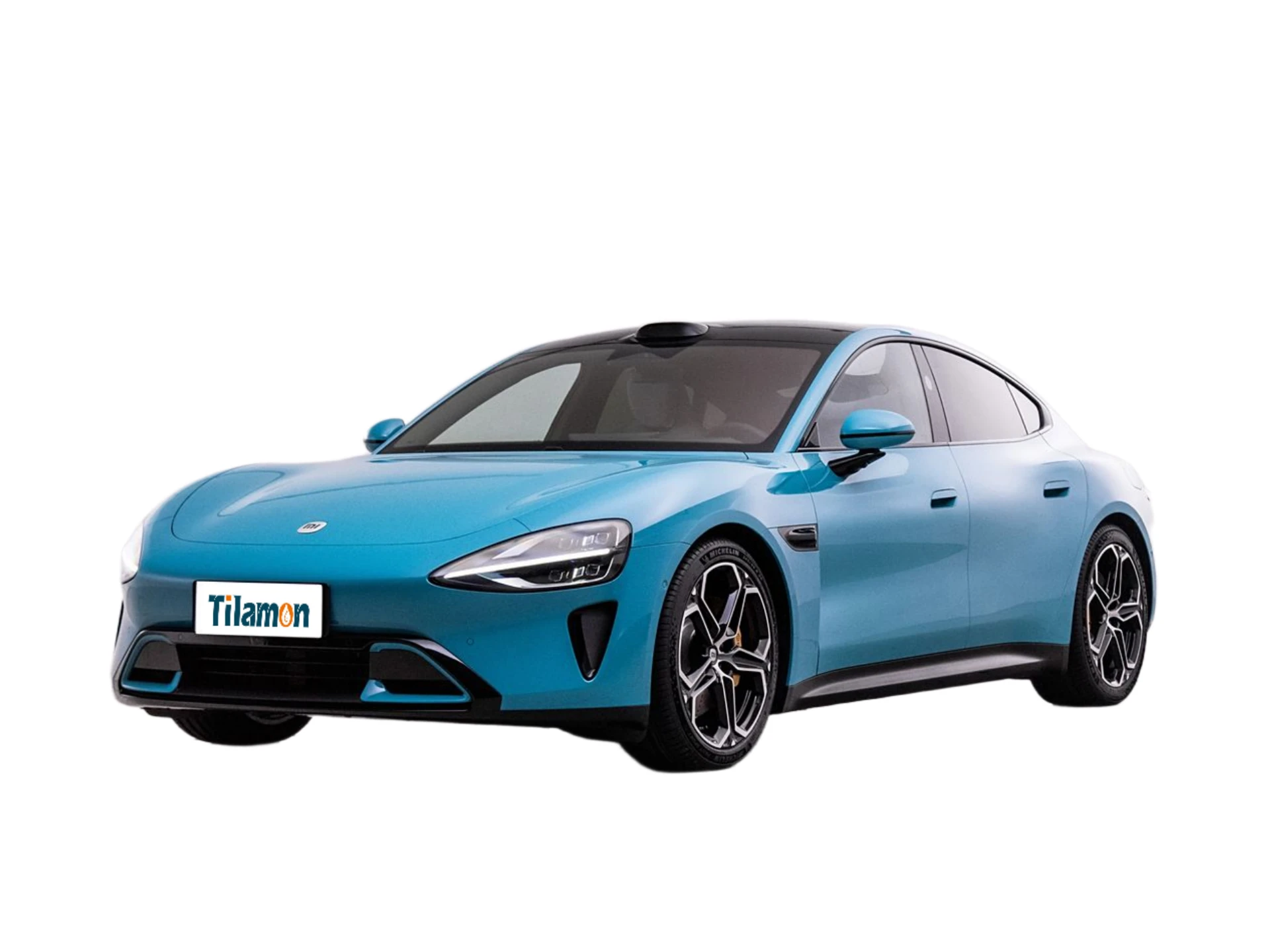
Evolutionary Trajectory of Automotive Manufacturing

From internal combustion dominance to the era of intelligent electrification.

Market Development History

From 1990 to 2010, the Japanese market perfected the hybrid-electric vehicle (HEV), creating a global standard for fuel efficiency. However, the plateau of HEV technology led to a strategic pivot around 2015, where the focus shifted toward battery electric vehicles (BEVs) and hydrogen fuel cells to meet stringent emission targets.

Between 2018 and 2023, the entry of global players and the surge of new energy ev imports introduced a new paradigm: the "Software-Defined Vehicle." This era saw the integration of AI-driven energy management and OTA (Over-the-Air) updates becoming standard requirements for the modern driver.

Currently, the market is diversifying into the "Value-Cycle" phase. The emergence of high-quality 2 nd hand cars in the EV segment is now possible due to advanced battery diagnostic tools that guarantee performance for second-life owners.

Future Development Trends

Solid-State Battery Integration

The next 3 years will see a shift from liquid electrolytes to solid-state batteries, drastically reducing charging times and increasing safety for the Japanese climate.

V2X (Vehicle-to-Everything) Connectivity

Vehicles will evolve into mobile energy storage units, allowing Japanese homeowners to feed electricity back into the grid during peak demand or natural disasters.

Circular Economy Scaling

The standardization of battery recycling and the professionalization of the secondhand vehicle trade for EVs will minimize environmental impact and lower entry costs.

Industry Trends and Future Outlook

Navigating the intersection of AI, energy efficiency, and sustainable logistics.

AI-Driven Energy Optimization
Implementation of predictive AI to optimize battery consumption based on Japan's specific topography and traffic patterns.
Smart Urban Integration
Developing seamless communication between vehicles and city infrastructure to reduce congestion in metropolitan areas.
Modular Battery Swapping
Transitioning from slow plug-in charging to rapid modular swapping to maximize vehicle uptime for commercial fleets.
Sustainable Lifecycle Management
Creating a closed-loop system for battery materials to reduce dependence on imported rare earth metals.

Industry Outlook

Based on current search trends and economic data, the Japanese market is moving toward a "hybrid-electric coexistence." While pure BEVs are growing, the infrastructure gap will be bridged by an increase in ultra-fast charging hubs and an expanded market for certified 2 nd hand cars.

The integration of Chinese manufacturing efficiency and Japanese quality control will likely lead to a new category of "Global-Local" EVs, combining high-tech interiors with legendary reliability, ensuring a seamless transition to carbon neutrality.

Local Application Scenarios in Japan

Tailoring electric vehicle technology to the unique geographical and social needs of the Japanese archipelago.

01. Tokyo Metropolitan Last-Mile Delivery

Utilizing compact new energy ev vans for zero-emission deliveries in narrow residential alleys, optimizing route efficiency with real-time AI traffic data.

02. Regional Tourism in Kyoto and Nara

Implementing quiet, eco-friendly fleets to protect historical sites from noise and air pollution, enhancing the visitor experience through sustainable mobility.

03. Corporate Fleet Electrification in Nagoya

Helping manufacturing giants transition their employee shuttles to a new energy vehicle fleet to meet ESG (Environmental, Social, and Governance) targets.

04. Budget-Friendly Commuting for Students

Providing certified 2 nd hand cars to young professionals and students, ensuring affordable access to clean transport without the high cost of new ownership.

05. Disaster Recovery Energy Support

Deploying EVs with V2L (Vehicle-to-Load) capabilities to serve as emergency power sources for shelters during seismic events, a critical requirement for Japan's safety infrastructure.

Brand Story

Global Development History of Shijiazhuang Zhenming Chemical Co., Ltd.

Foundation and Chemical Excellence

Starting as a precision chemical provider, we mastered the materials science necessary for high-performance battery electrolytes and thermal management.

Strategic Pivot to Automotive Materials

Recognizing the EV revolution, we transitioned our R&D to focus on the specific chemical requirements of the new energy vehicle industry.

Expanding into Asia-Japan Markets

We established quality bridges with Japanese partners, ensuring our materials meet the world's strictest safety and efficiency standards.

Innovation in Circular Chemistry

Developing proprietary processes to reclaim rare minerals from secondhand vehicle batteries, closing the loop of sustainability.

Vision for a Carbon-Free Future

Our mission is to solve the material bottleneck in EV manufacturing, making clean energy accessible and reliable for every driver worldwide.

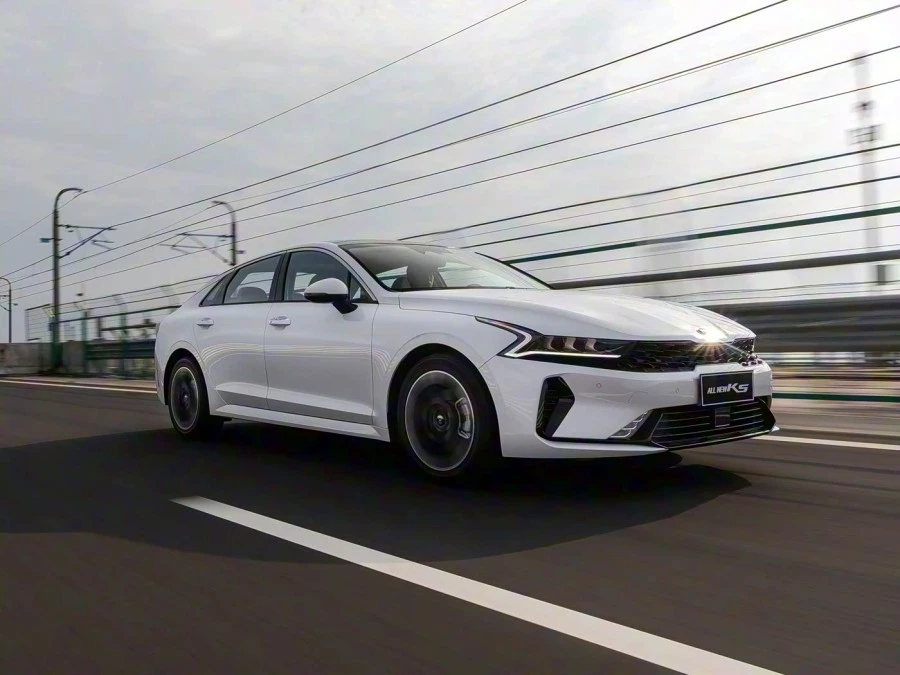
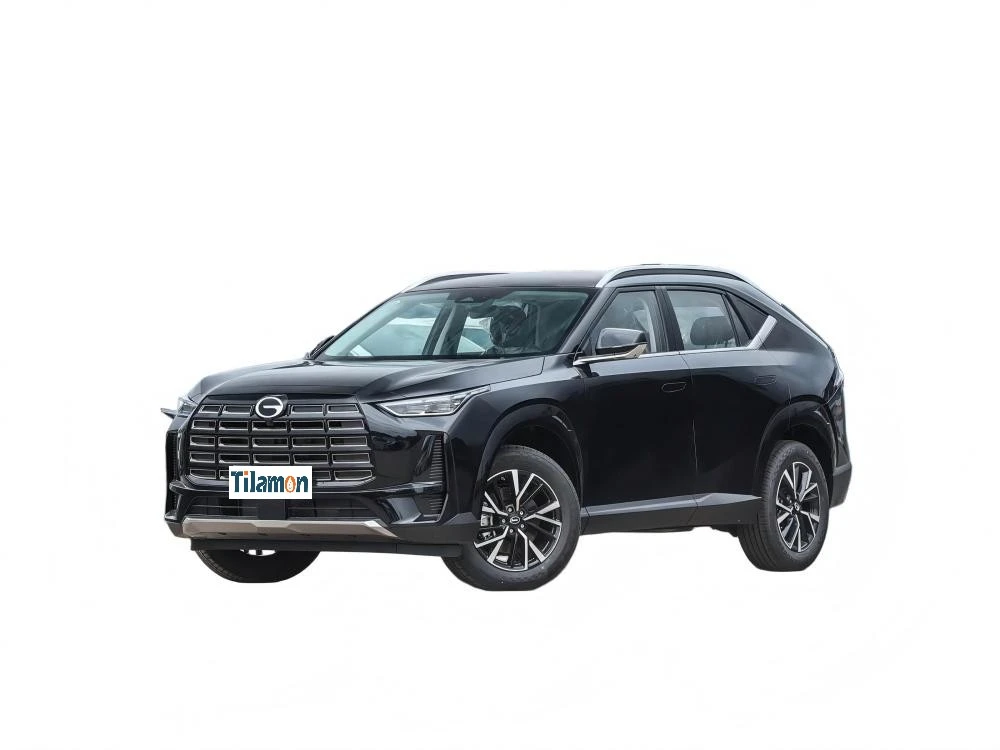
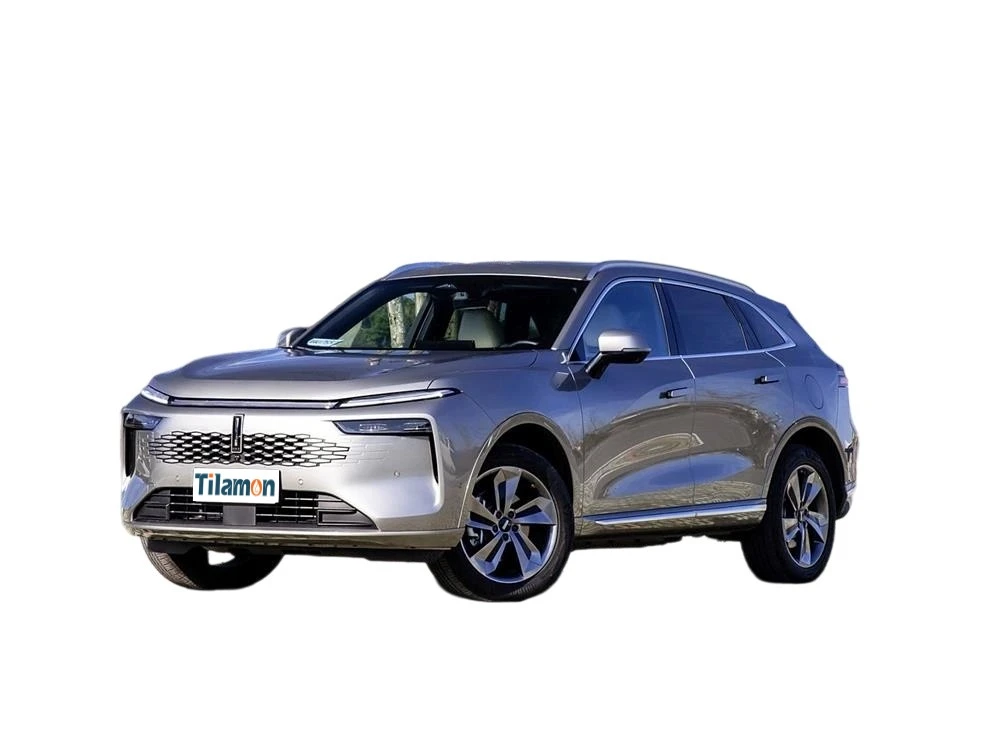
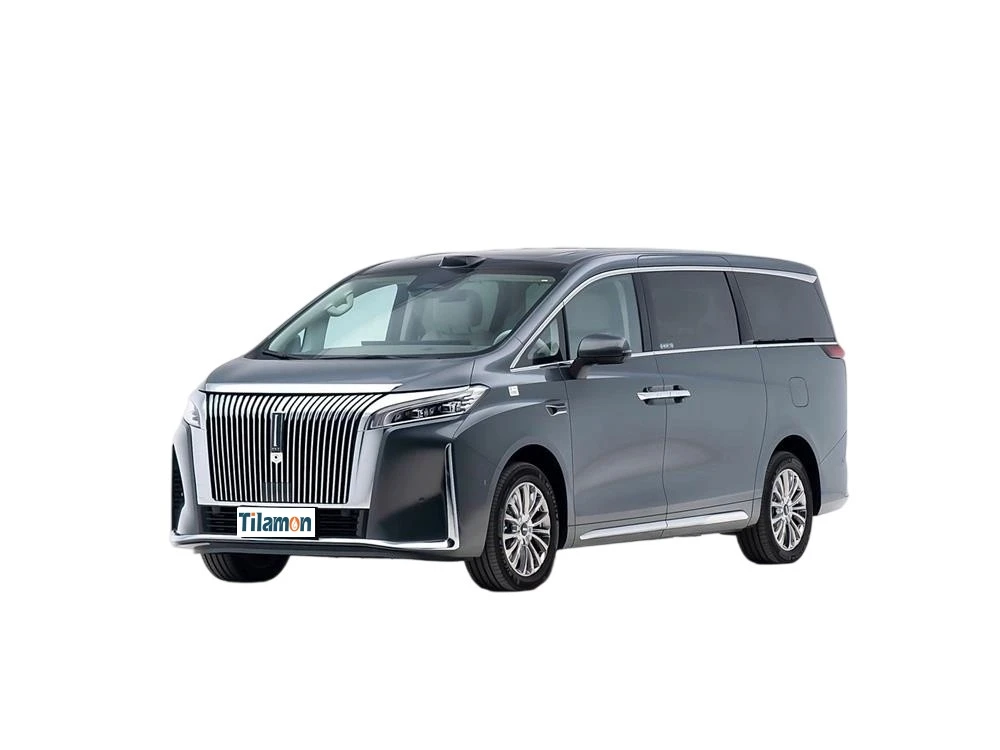
Comprehensive Electric Portfolio for Japan

A curated selection of high-performance vehicles and energy solutions designed for the Japanese market.

Japan EV Market: Frequently Asked Questions

Expert answers to the most common queries regarding electric vehicle adoption in Japan.

Are new chinese ev models compatible with Japanese charging standards?

Yes, our imported models are fully adapted to the CHAdeMO and Type 2 standards commonly used across Japan's public charging networks.

How is the battery health verified for a secondhand vehicle in the EV sector?

We use SOH (State of Health) diagnostic certificates that measure internal resistance and capacity loss, ensuring transparency for every pre-owned unit.

What are the tax incentives for purchasing a new energy ev in Japan?

Buyers can benefit from the CEV (Clean Energy Vehicle) subsidy and exemptions from certain automobile taxes, depending on the battery capacity.

Can 2 nd hand cars maintain efficiency in Japan's winter regions like Hokkaido?

Our certified pre-owned EVs come with upgraded thermal management systems and heat pumps to maintain range in cold climates.

What is the average lifespan of a new energy vehicle battery?

Modern LFP and NCM batteries are designed for 1,500 to 3,000 charge cycles, typically lasting 10-15 years before needing significant refurbishment.

How do I find a certified technician for my new chinese ev?

We provide a network of certified service centers across Japan trained specifically in the software and hardware architecture of our vehicles.

Ready to Transition to Electric?

Our experts are available to help you choose the perfect electric mobility solution for your needs in Japan.

Contact Us Now

If you are interested in our products, you can choose to leave your information here, and we will be in touch with you shortly.