07 March 2026
Looking to buy a used SUV? You’re making a smart choice! SUVs offer versatility, space, and often, a more comfortable ride. However, navigating the used car market can be daunting. This guide will walk you through everything you need to know, from identifying your needs to inspecting a vehicle and securing the best deal. We’ll focus on key considerations when you buy used SUVs and how to maximize your investment.
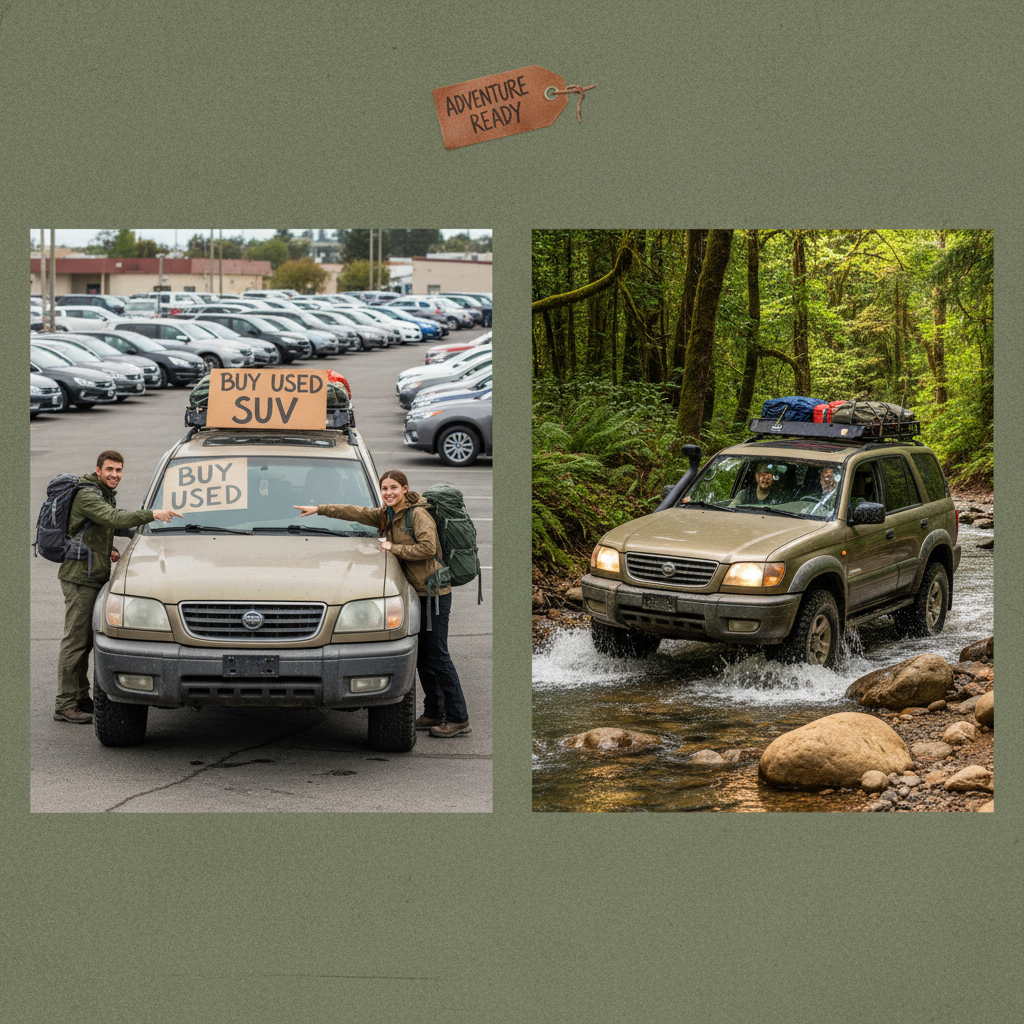
Before you start browsing, consider what you need in an SUV. Think about passenger capacity, cargo space, fuel efficiency, and intended use. Do you need a compact SUV for city driving, a mid-size SUV for family trips, or a full-size SUV for towing? Knowing your priorities will help narrow your search and ensure you find the best fit. Consider features like all-wheel drive (AWD) if you live in an area with inclement weather, or specific safety technologies that are important to you. At Tilamon Cars, we offer a diverse selection to meet all requirements.
Key Considerations: Define your budget, passenger needs, cargo requirements, and intended use (city, highway, off-road).
Certain SUV models consistently rank higher in reliability and owner satisfaction. Some popular choices include the Toyota RAV4, Honda CR-V, Subaru Forester, and Mazda CX-5. These models are known for their longevity, fuel efficiency, and relatively low maintenance costs. However, even within these reliable brands, certain model years may have specific issues. Researching common problems for specific years is crucial. Tilamon Cars provides detailed vehicle history reports to help you make an informed decision.
Reliable SUV Choices:
• Toyota RAV4
• Honda CR-V
• Subaru Forester
• Mazda CX-5
Thorough inspection is paramount when you buy a used SUV. Check the exterior for signs of damage, such as dents, scratches, or rust. Inspect the tires for wear and tear. Under the hood, check fluid levels (oil, coolant, brake fluid) and look for any leaks. Inside, test all the features – lights, air conditioning, radio, windows, and safety systems. Most importantly, take the SUV for a test drive to assess its handling, braking, and overall performance. Consider having a trusted mechanic perform a pre-purchase inspection for a more comprehensive assessment.
A vehicle history report (like Carfax or AutoCheck) provides valuable information about a vehicle’s past, including accidents, title issues (salvage, flood damage), odometer readings, and service records. This report can reveal hidden problems that aren’t apparent during a visual inspection. Always obtain a vehicle history report before you buy a used SUV. Tilamon Cars provides these reports for all our vehicles.
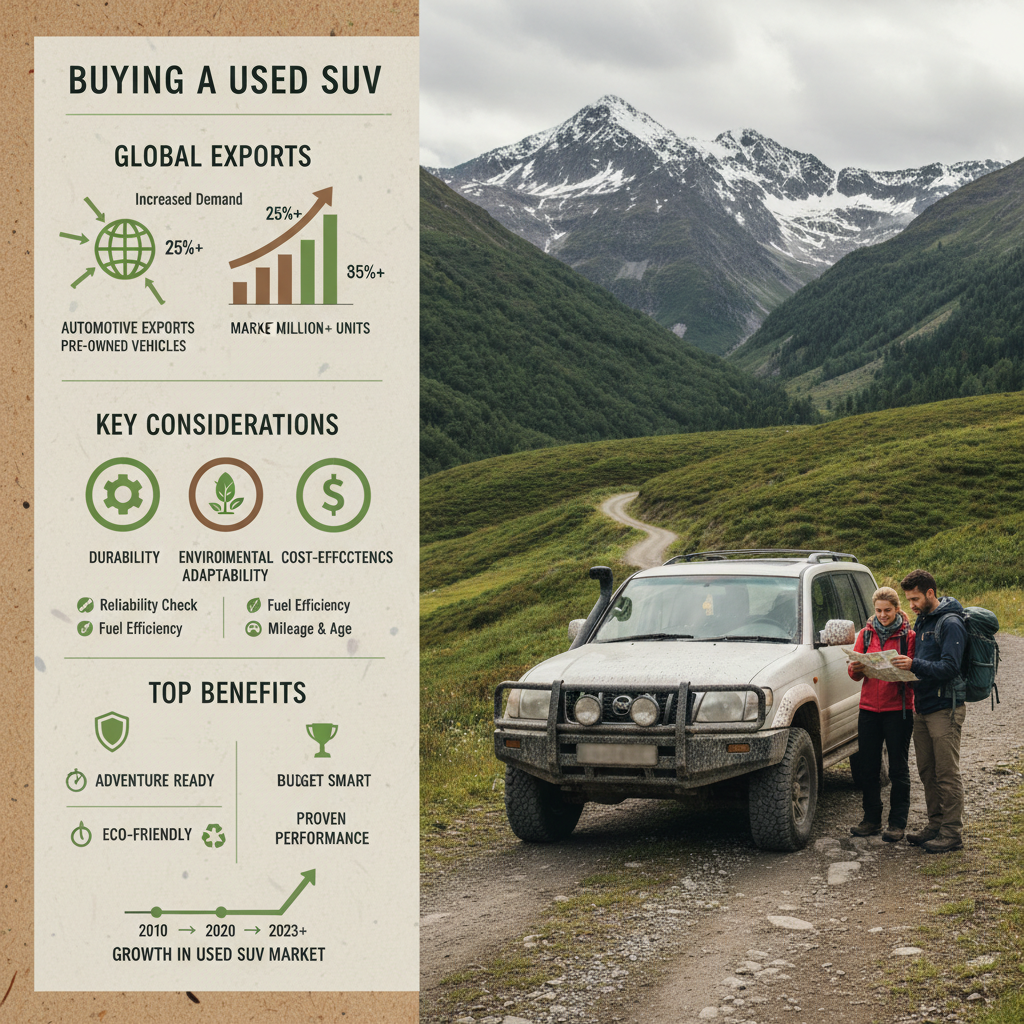
Before heading to the dealership, get pre-approved for a car loan. This gives you a better understanding of your budget and strengthens your negotiating position. When negotiating the price, be prepared to walk away if the dealer isn't willing to meet your terms. Don't be afraid to point out any issues discovered during the inspection and use them as leverage. Research the fair market value of the SUV you're interested in using online resources like Kelley Blue Book or Edmunds. Tilamon Cars offers competitive financing options and a transparent pricing policy.
When you buy a used SUV, thorough research, careful inspection, and smart negotiation are key to a successful purchase. By following the steps outlined in this guide and choosing a reputable dealer like Tilamon Cars, you can drive away with confidence knowing you've made a sound investment.
There's no single "reasonable" mileage, as it depends on the age, make, and model of the SUV. However, generally, an SUV with under 80,000 miles is considered relatively low mileage. Between 80,000 and 120,000 miles is considered average. Above 120,000 miles, the SUV will likely require more maintenance and repairs. More important than mileage is the vehicle's overall condition and maintenance history. A well-maintained SUV with higher mileage can be a better buy than a poorly maintained one with lower mileage.
Generally, it's best to avoid buying an SUV with a salvage title unless you are highly knowledgeable about car repairs and are willing to accept significant risks. A salvage title indicates the vehicle was declared a total loss by an insurance company, usually due to extensive damage. Even if the vehicle has been repaired, it may have hidden structural issues that could compromise safety. While salvage-title vehicles are often cheaper, the potential costs of repairs and safety concerns outweigh the savings for most buyers.
Ask about the vehicle's maintenance history, any accidents or repairs, the reason for selling, and whether the title is clean. Inquire about the availability of service records and vehicle history reports. Don't hesitate to ask about any known issues or concerns. A reputable seller will be transparent and honest about the vehicle's condition. At Tilamon Cars, we are always happy to answer all your questions.