07 April 2026
For decades, gas powered cars have been the dominant force on our roads. While electric vehicles (EVs) gain traction, the internal combustion engine (ICE) continues to power a significant portion of the global vehicle fleet. This article delves into the benefits, considerations, and future of gas powered cars, providing a comprehensive overview for potential buyers and automotive enthusiasts. We'll explore why, despite the rise of alternatives, these vehicles remain a popular and practical choice for many.

Despite the growing popularity of EVs, gas powered cars maintain several key advantages. They generally offer a lower initial purchase price compared to comparable EVs, making them more accessible to a wider range of consumers. Refueling is significantly faster than recharging an EV, taking only minutes at a gas station versus hours for a full charge. Furthermore, the infrastructure for gas stations is well-established and widespread, providing convenience and range confidence, especially for long-distance travel. Tilamon Cars offers a diverse selection to suit various needs and budgets.
Key Highlights: Lower initial cost, fast refueling times, and widespread infrastructure contribute to the continued popularity of gas powered cars.
Modern gas powered cars have seen substantial improvements in fuel efficiency thanks to advancements in engine technology. Features like direct fuel injection, turbocharging, and variable valve timing optimize combustion and reduce fuel consumption. Many manufacturers also incorporate start-stop systems that automatically shut off the engine when the vehicle is idle, further conserving fuel. These innovations mean that today’s gas powered vehicles deliver better mileage than ever before.
Fuel Efficiency Enhancements:
• Direct Fuel Injection
• Turbocharging
• Variable Valve Timing
• Start-Stop Systems
Choosing between a gas powered car and an EV involves weighing several factors. While EVs offer zero tailpipe emissions and lower running costs (electricity vs. gasoline), they often come with a higher upfront price and limited range. Gas powered cars, conversely, boast a lower initial cost, quicker refueling, and a broader range. The environmental impact is also a consideration – while EVs produce no direct emissions, the electricity powering them may come from fossil fuel sources. Tilamon Cars provides resources to help customers compare options.
While the automotive industry is shifting towards electrification, gas powered cars are not disappearing anytime soon. Hybrid technology, which combines a gasoline engine with an electric motor, will likely play a significant role in the transition. Furthermore, research into alternative fuels, such as synthetic fuels and biofuels, could help reduce the carbon footprint of ICE vehicles. Tilamon Cars stays abreast of these developments to provide customers with the latest options.
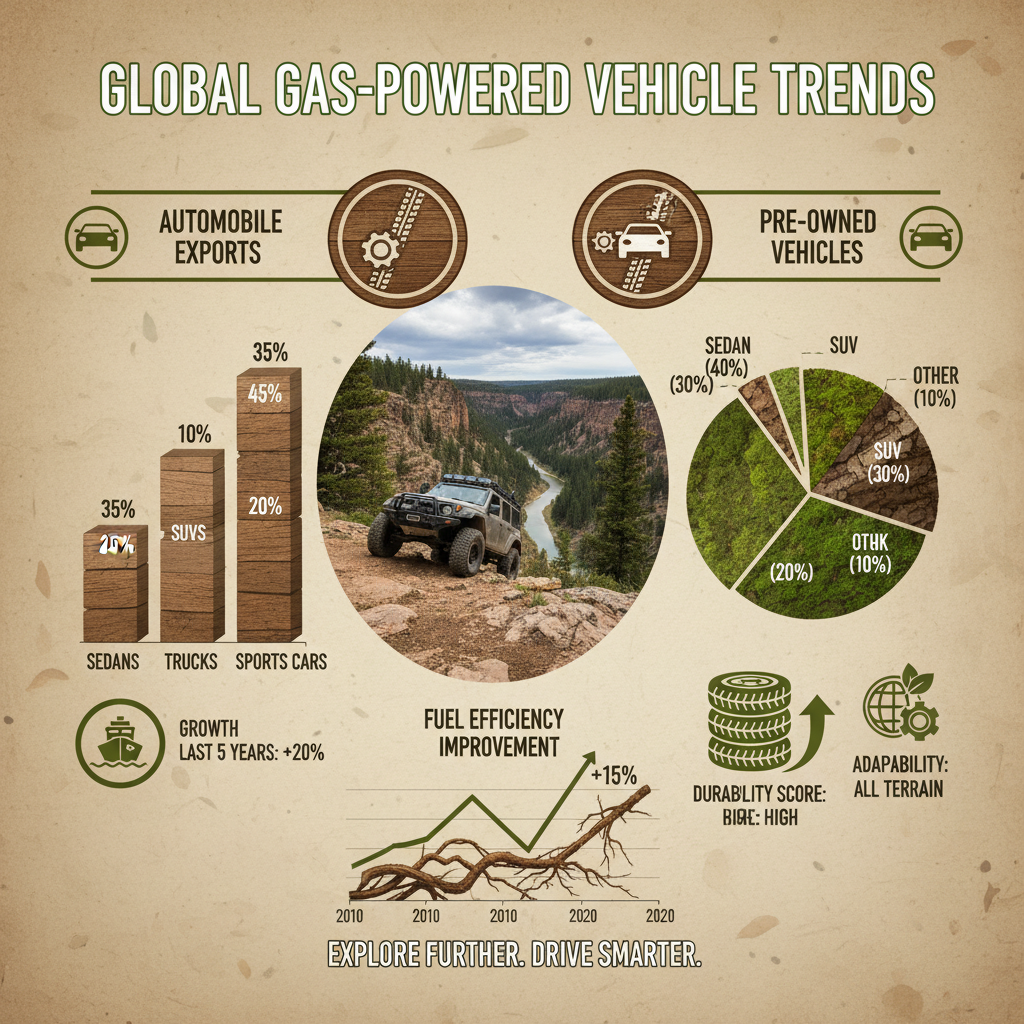
Selecting the right gas powered car depends on your individual needs and priorities. Consider factors like fuel efficiency, vehicle size, safety features, and budget. Whether you're looking for a compact sedan for city driving, a spacious SUV for family adventures, or a rugged truck for work, Tilamon Cars offers a wide range of models to choose from. Our knowledgeable team can help you find the perfect vehicle to fit your lifestyle.
Despite the increasing popularity of electric vehicles, gas powered cars will remain a viable and popular choice for many drivers for years to come. Their affordability, convenience, and ongoing technological advancements ensure their continued relevance in the automotive landscape.
With proper maintenance, a gas powered car can easily last for 150,000 to 200,000 miles, or even more. Regular oil changes, fluid checks, and timely repairs are crucial for maximizing longevity. Factors like driving habits, climate, and the quality of components also play a role. Investing in a well-maintained vehicle from a reputable dealer like Tilamon Cars can provide peace of mind and a longer-lasting vehicle.
Most manufacturers recommend servicing your gas powered car every 12 months or 12,000 miles, whichever comes first. However, this can vary depending on the vehicle and your driving conditions. Essential services include oil changes, filter replacements, fluid checks, tire rotations, and brake inspections. Following the manufacturer’s recommended maintenance schedule is essential for ensuring optimal performance and preventing costly repairs.
Gas prices can fluctuate, impacting the cost of ownership. However, advances in fuel efficiency and the availability of more affordable gas powered vehicles are helping to mitigate these costs. Compared to the upfront cost of an EV and the potential expense of battery replacement, gas powered cars can still be a more economical option for some drivers. Tilamon Cars offers financing options to make vehicle ownership more accessible.
Gas powered cars produce tailpipe emissions, including greenhouse gases that contribute to climate change. However, modern vehicles are equipped with catalytic converters that reduce harmful emissions. Choosing a fuel-efficient model and practicing responsible driving habits can help minimize your environmental impact. Furthermore, the development of alternative fuels offers a pathway to reduce the carbon footprint of ICE vehicles.