04 March 2026
The allure of classic automobiles is undeniable. Many enthusiasts dream of owning a piece of automotive history, and for many, that means choosing to buy old cars. However, navigating the world of vintage vehicles requires careful planning and consideration. This guide will walk you through the essential steps, from identifying the right car for you to ensuring a smooth and reliable purchase. We’ll cover common pitfalls, important inspections, and resources to help you find the perfect classic car. At Tilamon Cars, we specialize in quality pre-owned vehicles, including a curated selection of classic automobiles.
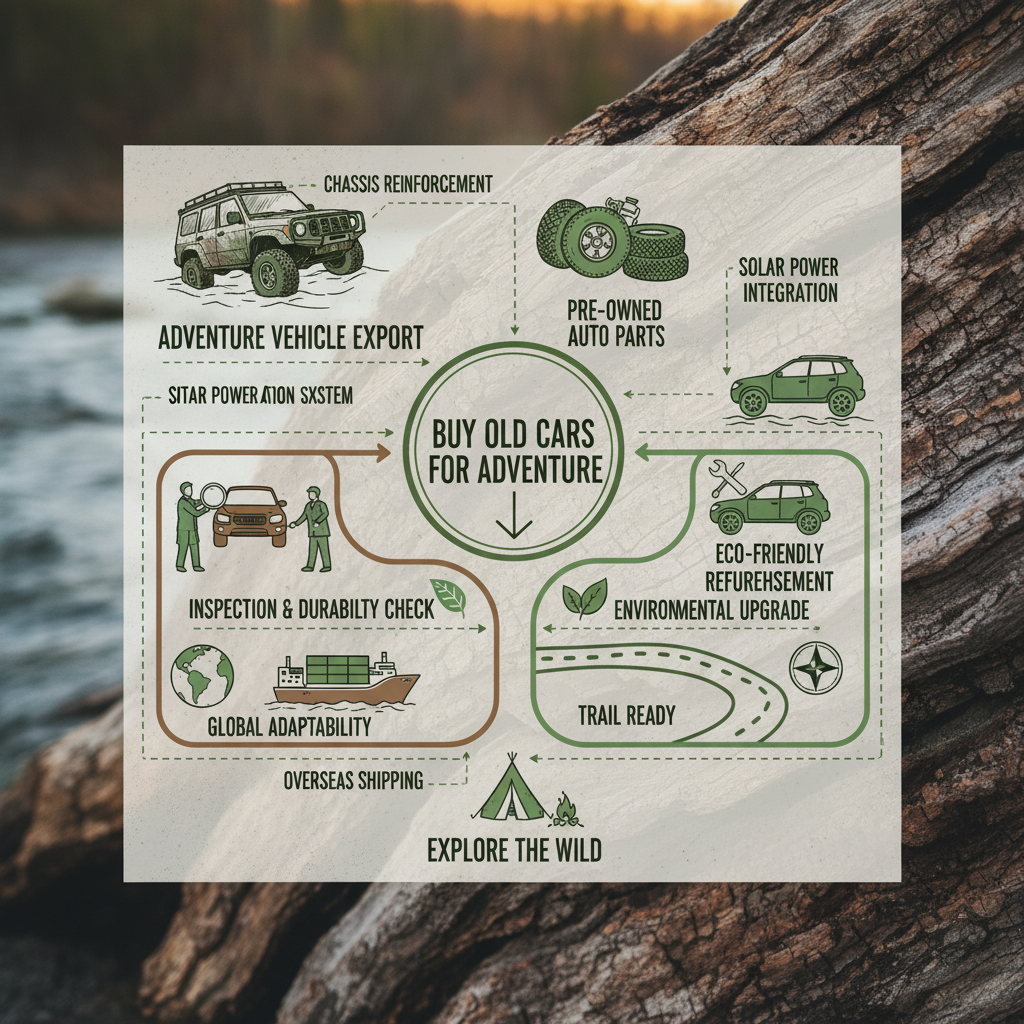
There are numerous reasons why someone might choose to buy old cars. For many, it's about the nostalgia and the connection to a bygone era. Classic cars often possess a unique style and character that modern vehicles lack. They can be excellent investments, with certain models appreciating significantly in value over time. Furthermore, owning a classic car is a rewarding hobby, offering opportunities for restoration, customization, and participation in car clubs and events. However, it’s important to understand that ownership comes with responsibilities, including specialized maintenance and potential repairs.
Key Benefits: Nostalgia, investment potential, unique style, rewarding hobby, opportunities for restoration.
Before you commit to purchasing a classic car, several factors deserve careful consideration. First, define your budget, not just for the initial purchase price, but also for potential repairs, restoration work, and ongoing maintenance. Research the specific model you're interested in to understand its common issues and availability of parts. Thoroughly inspect the car's condition, paying attention to the engine, transmission, brakes, suspension, and bodywork. Consider the car's history – a well-documented vehicle with a clear maintenance record is always preferable. Finally, think about your intended use for the car – will it be a daily driver, a weekend cruiser, or a show car?
Important Checklist:
• Define your budget (purchase + maintenance)
• Research the specific model
• Thoroughly inspect the car's condition
• Review the car’s history
• Consider intended usage
You have several avenues to explore when you buy old cars. These include private sellers, online auctions, classic car dealerships, and collectors. Each option has its own advantages and disadvantages. Private sellers may offer lower prices but typically involve more risk, as there's less accountability. Online auctions can be convenient, but require careful inspection or representation. Classic car dealerships offer a curated selection and often provide warranties, but typically charge a premium. Collectors may have highly sought-after vehicles but are often less willing to negotiate.
A pre-purchase inspection is non-negotiable. If you're not mechanically inclined, hire a qualified mechanic specializing in classic cars. They can assess the engine, transmission, brakes, suspension, and electrical systems. Pay close attention to rust, especially in areas prone to corrosion, like the undercarriage and wheel wells. Check for evidence of previous repairs and assess their quality. Examine the interior for wear and tear. Bring a magnet to check for body filler, which can indicate hidden rust. A compression test can reveal the engine's health.

At Tilamon Cars, we understand the passion and care that goes into owning a classic automobile. We meticulously inspect each vehicle, providing detailed reports and transparent information. Our inventory includes a curated selection of beautifully maintained classic cars, and our team is dedicated to helping you find the perfect vehicle to match your preferences and budget. We are committed to delivering a seamless and enjoyable buying experience.
Whether you're a seasoned collector or a first-time buyer, Tilamon Cars is here to help you navigate the exciting world of classic automobiles. We provide quality vehicles, transparent service, and a passion for automotive history. Start your journey today!
Ongoing maintenance costs can vary greatly depending on the car's age, condition, and frequency of use. Expect to spend money on regular oil changes, tune-ups, brake servicing, and potentially more significant repairs. Classic cars often require specialized parts and mechanics, which can increase costs. Budget for potential rust repair, carburetor adjustments, and electrical system maintenance. It’s always wise to overestimate maintenance costs to avoid unexpected financial burdens. A good rule of thumb is to set aside 10-20% of the car's value annually for maintenance.
Originality is highly valued by many collectors and can significantly impact a car’s value. However, the importance of originality depends on your goals. If you're looking for a concours-quality vehicle, originality is paramount. If you’re planning to drive and enjoy the car, some modifications may be acceptable. Be aware that modifications can reduce a car's value if they detract from its original character. Document any modifications thoroughly, as transparency is crucial for potential buyers in the future.
During a test drive, pay attention to how the car starts, idles, and accelerates. Listen for any unusual noises from the engine, transmission, or suspension. Test the brakes thoroughly, both in normal and emergency situations. Check for smooth gear changes and ensure the steering is responsive. Pay attention to any vibrations or rattles. Drive the car on various road surfaces to assess its handling and ride quality. If possible, have a mechanic accompany you on the test drive.
Several resources can help you determine a classic car’s value. Hagerty Valuation Tool is a popular online resource, providing estimates based on condition and location. Classic.com aggregates data from multiple sources, offering a comprehensive view of the market. Auction results from reputable companies like RM Sotheby’s and Gooding & Company can provide valuable insights. Consider consulting with a classic car appraiser for a professional valuation.