Advanced Mobility Solutions for new energy vehicle in Portugal

Driving the future of Portuguese transportation with cutting-edge Chinese EV technology and sustainable automotive manufacturing standards.

Advanced Mobility Solutions for new energy vehicle in Portugal

Integrating high-efficiency powertrain systems and sustainable battery technology to redefine urban transit in Lisbon and Porto.

The Current State of Electric Mobility in Portugal

Analyzing the intersection of geography, economy, and the rise of new chinese ev adoption.

Portugal's unique Atlantic climate and coastal geography provide an ideal environment for the adoption of electric mobility. With a government focused on decarbonization, the market is seeing a significant shift toward sustainable transport, particularly in dense urban centers where emission zones are strictly enforced.

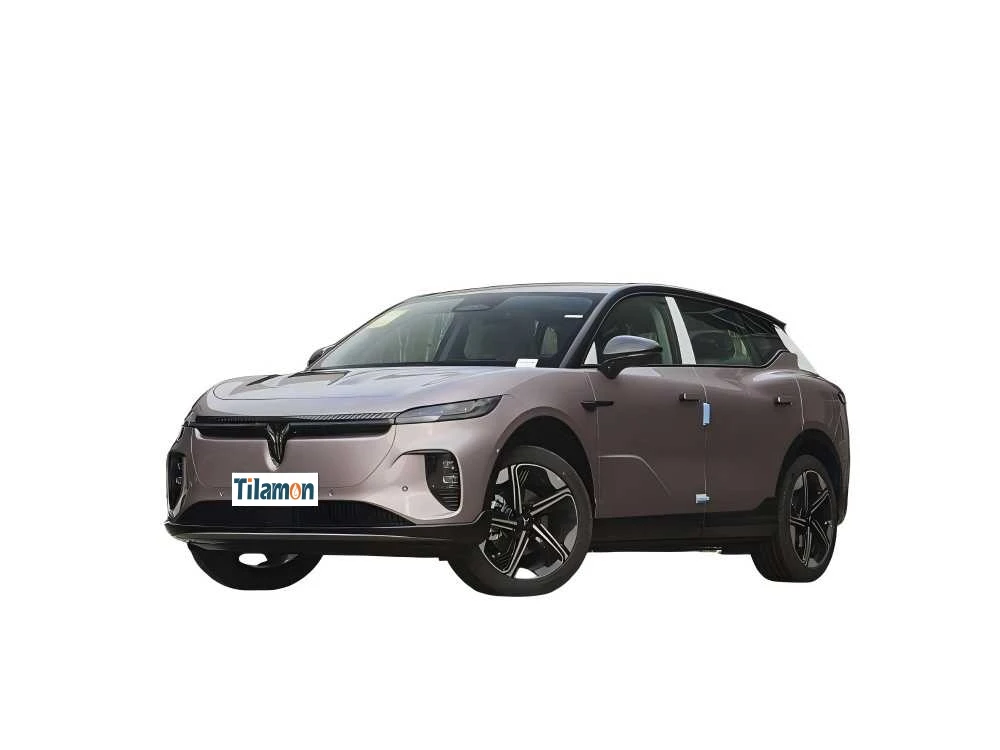
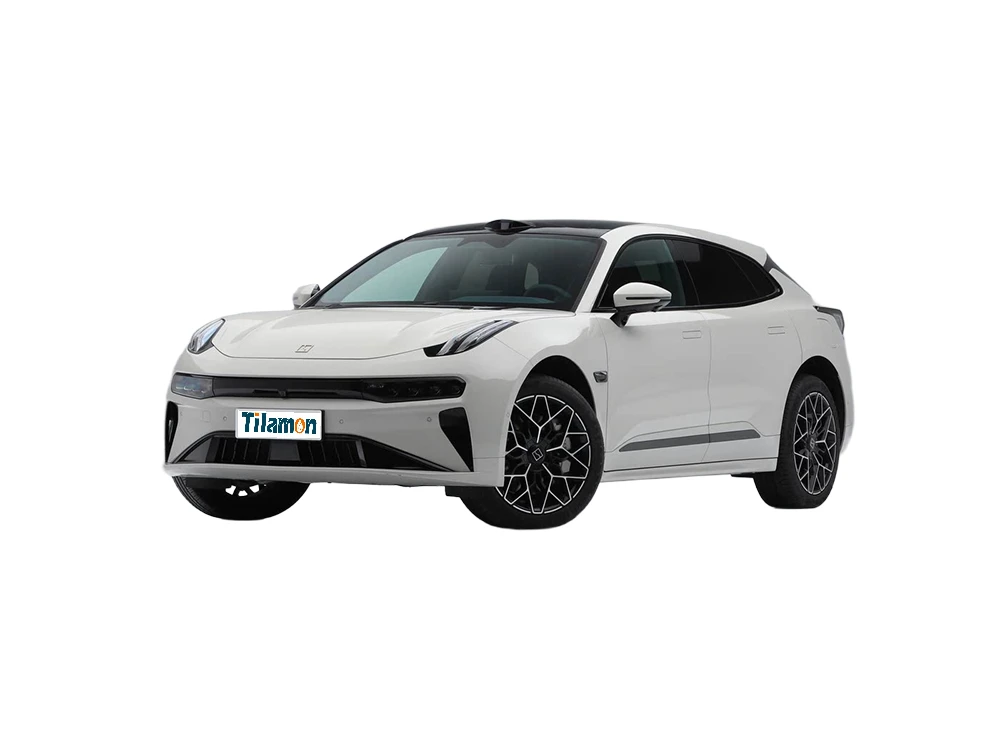
The economic landscape is currently experiencing a surge in demand for affordable, high-tech options. This has paved the way for the new energy ev sector to expand, as Portuguese consumers seek a balance between premium range and competitive pricing to navigate both city streets and long-distance highways.

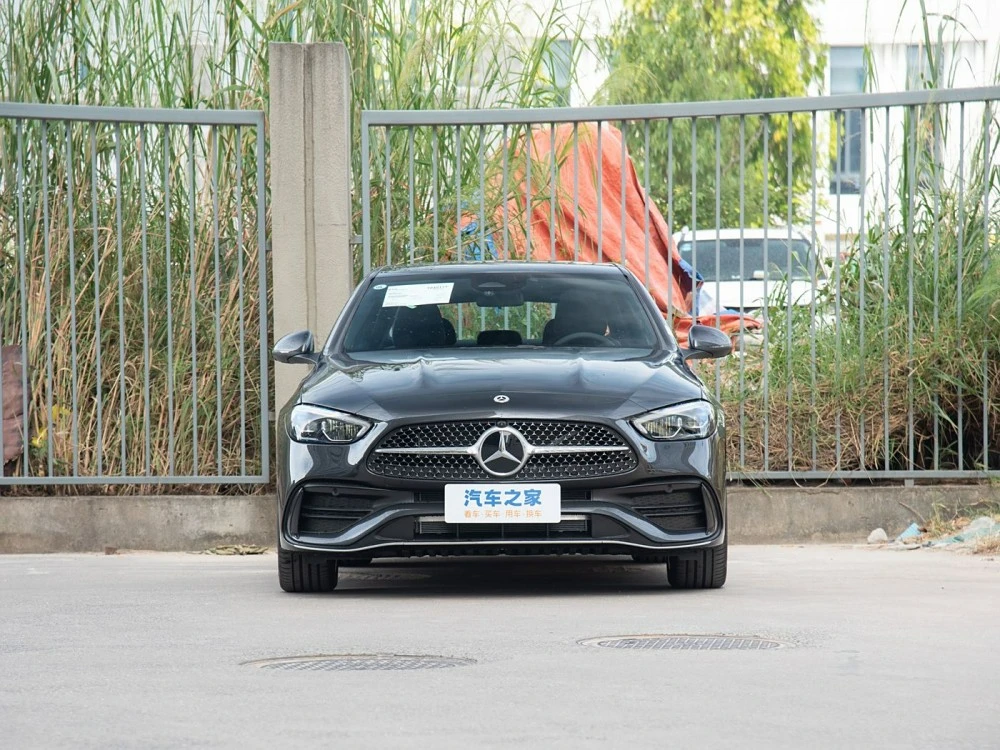
Furthermore, a robust secondary market is emerging. The increasing availability of a certified secondhand vehicle ensures that electric mobility is accessible to a wider demographic, reducing the entry barrier for the average Portuguese household.
Evolution and Trajectory of Automotive Manufacturing

From traditional internal combustion engines to the era of intelligent energy systems.

Market Development History

Historically, the Portuguese market relied heavily on traditional ICE vehicles. Between 2010 and 2018, the focus shifted toward hybrid efficiency, but the real catalyst arrived around 2020 with the aggressive deployment of national charging infrastructures.

By 2022, the technological iteration moved toward "Smart Integration," where vehicle manufacturing began incorporating AI-driven battery management systems (BMS), significantly increasing the lifespan of the battery pack.

Currently, the market is witnessing the peak of the "Integration Era," where the 2 nd hand cars market is being stabilized by standardized battery health certifications, ensuring reliability for pre-owned buyers.

Future Development Trends

V2G (Vehicle-to-Grid) Integration

Predicting a shift where vehicles act as mobile energy storage units, stabilizing the Portuguese grid during peak summer tourism hours.

Solid-State Battery Transition

A transition from liquid electrolytes to solid-state, drastically reducing charging times and increasing safety for high-temperature coastal driving.

Autonomous Urban Logistics

The rise of L3 and L4 autonomous platforms for last-mile delivery in the narrow streets of Lisbon's Alfama district.

Industry Outlook and Future Projections

Strategic forecasts based on global manufacturing trends and Google search trajectory.

Hyper-Charging Networks
Implementation of 480kW+ charging stations across the A1 highway to eliminate range anxiety.
Circular Economy Hubs
Developing specialized facilities for battery recycling and second-life storage applications.
AI Fleet Management
Cloud-based optimization for commercial EV fleets reducing operational costs by 20%.
Adaptive Chassis Tech
Dynamic suspension systems designed specifically for the varied terrains of rural Portugal.

Industry Outlook

Based on search trend data, queries for sustainable mobility in Portugal are growing at a compound annual rate of 15%. This indicates a strong shift from "early adopters" to "mass market" acceptance of new energy vehicles.

The next 3-5 years will likely see a consolidation of manufacturing standards, where software-defined vehicles (SDV) become the norm, allowing over-the-air (OTA) updates to improve vehicle performance post-purchase.

Localized Application Scenarios in Portugal

Practical implementations of EV technology across various Portuguese environments.

01. Lisbon Urban Commuting

Deploying compact, high-torque EVs to handle the steep inclines and narrow alleys of the city center, reducing noise pollution in historic residential zones.

02. Algarve Tourism Shuttles

Utilizing high-capacity electric vans for eco-friendly tourist transfers between Faro airport and coastal resorts, aligning with "Green Tourism" initiatives.

03. Porto Logistics Hubs

Implementing electric light-commercial vehicles (LCVs) for zero-emission last-mile delivery, optimizing route efficiency via AI for the riverside districts.

04. Rural Alentejo Transport

Adapting long-range EV platforms for agricultural transport, ensuring connectivity between distant farms and regional collection centers.

05. Madeira Island Transit

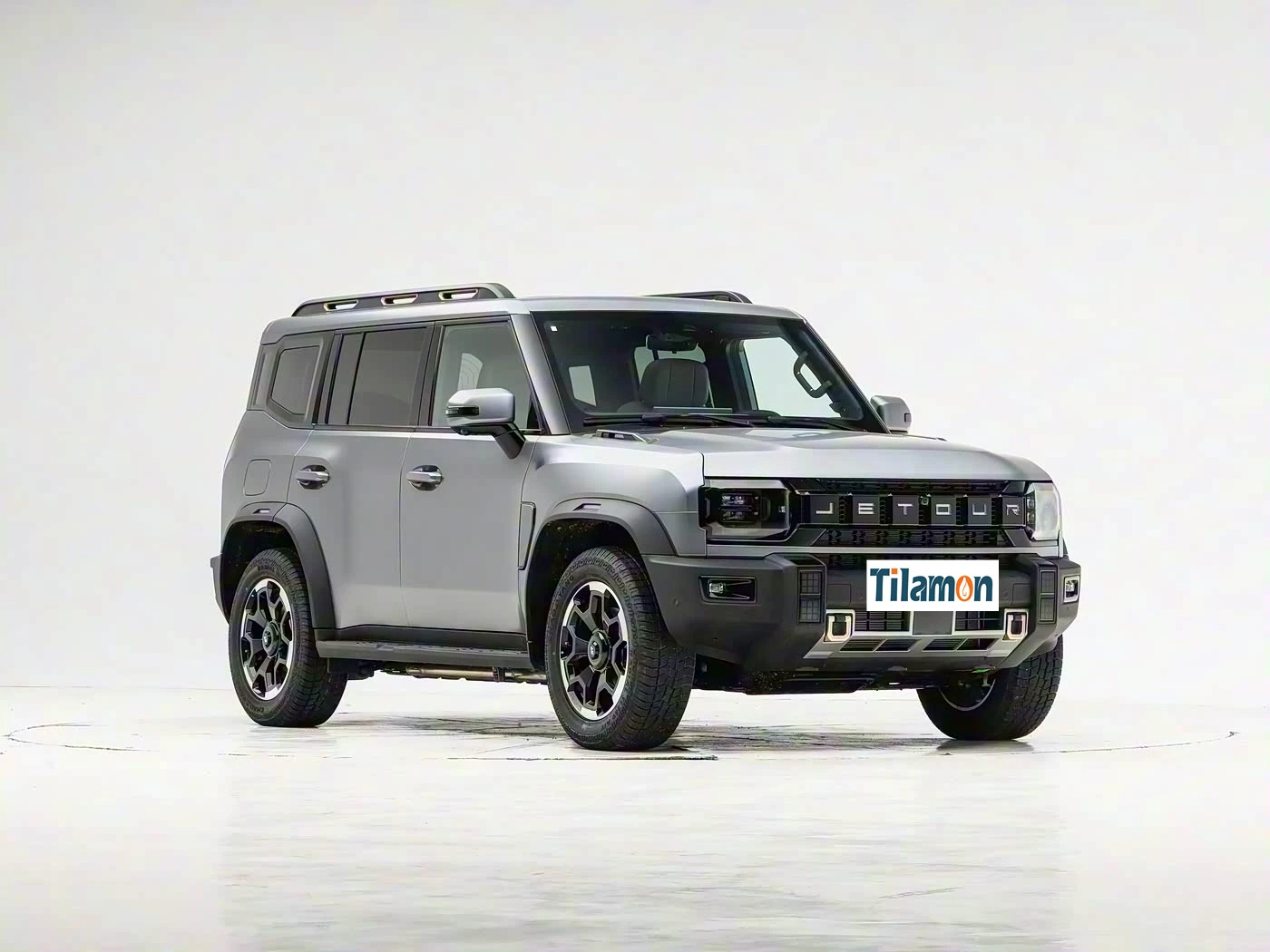
Implementing robust 4WD electric systems to navigate the mountainous terrain and tunnels of Madeira, minimizing the carbon footprint on the fragile ecosystem.

Brand Story

Global Development Journey of Shijiazhuang Zhenming Chemical Co., Ltd.

Foundation & Vision

Established with a commitment to material science, we focused on solving the core durability pain points in automotive manufacturing.

Technological Breakthrough

Developed advanced polymer coatings that increased battery casing heat resistance, a critical step for high-performance EVs.

European Expansion

Entered the European market by partnering with local distributors to provide high-grade materials for the emerging electric car sector.

Sustainability Pivot

Shifted toward biodegradable and recyclable chemical components to meet the strict EU environmental regulations.

Industry Leadership

Now recognized as a key supplier for the next generation of sustainable automotive components worldwide.

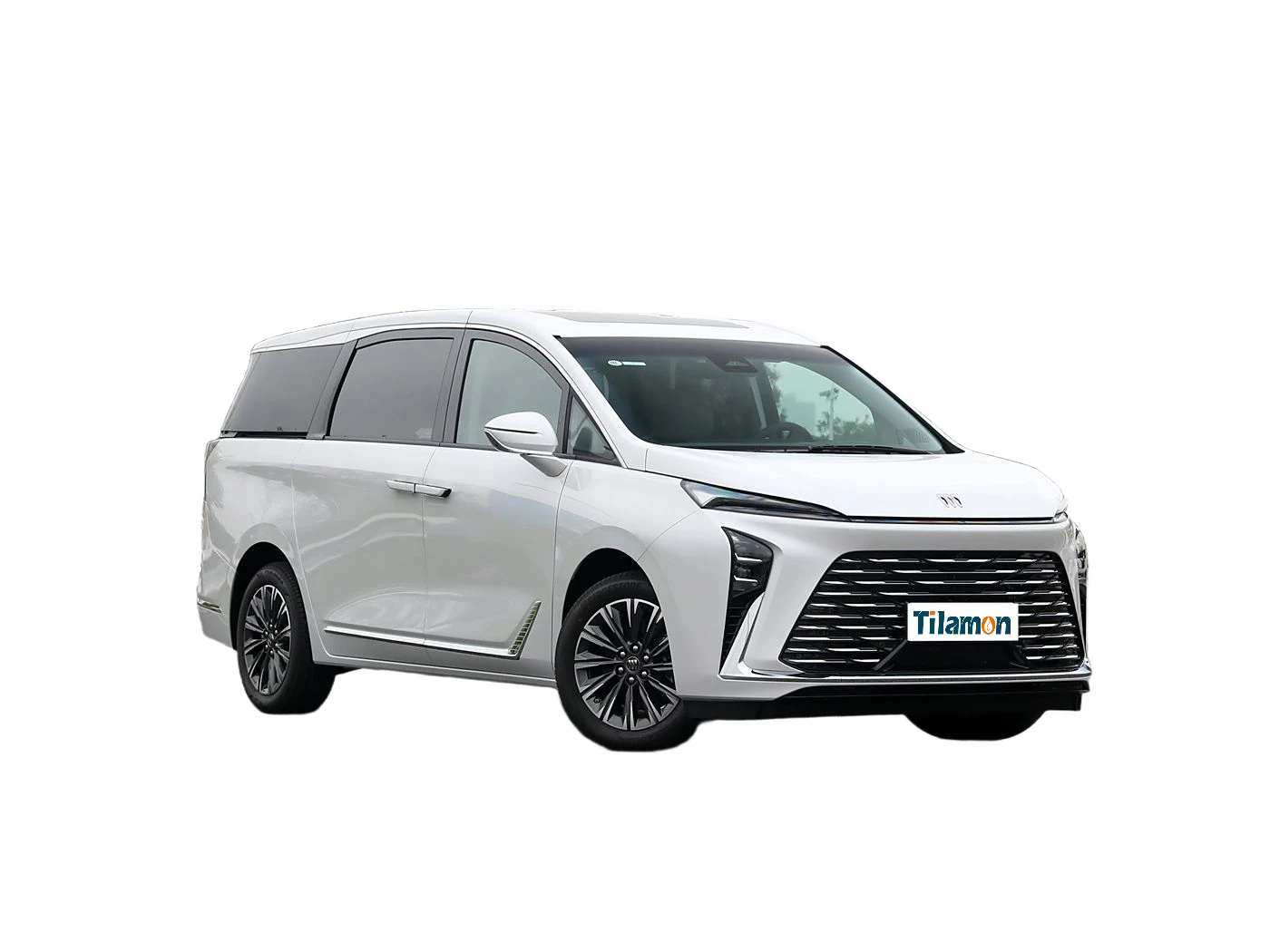
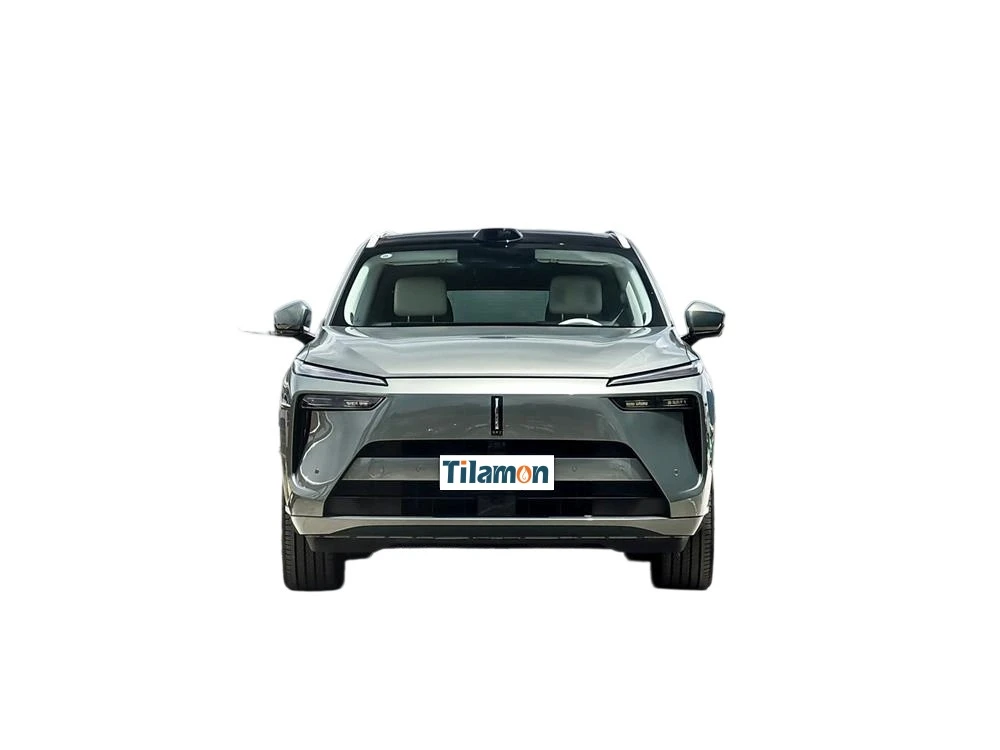
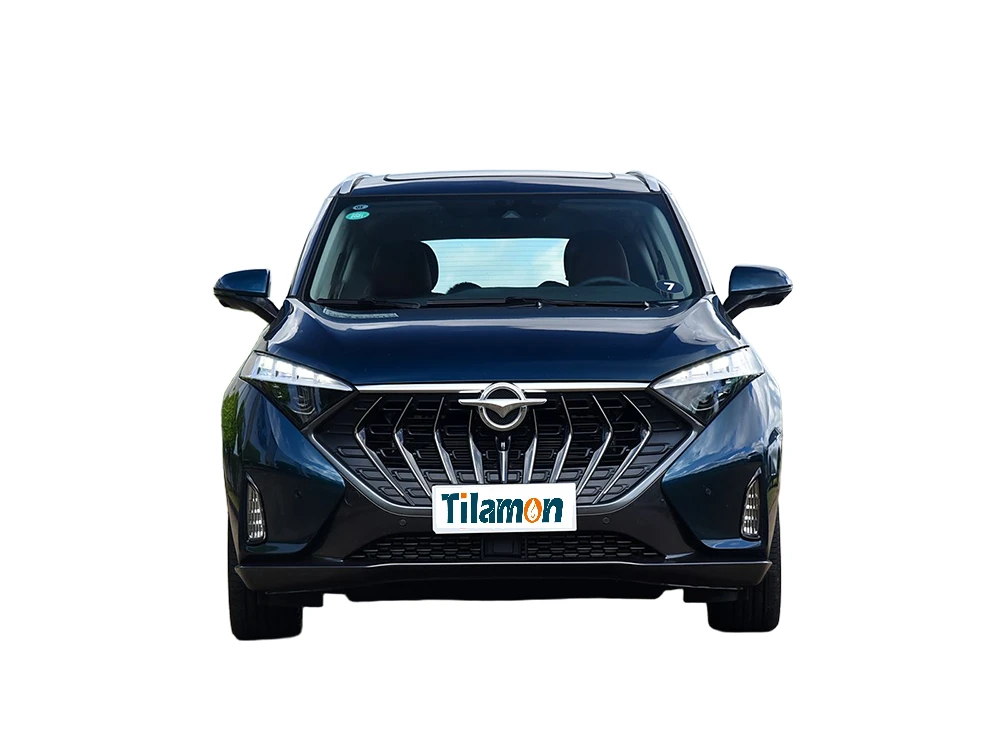
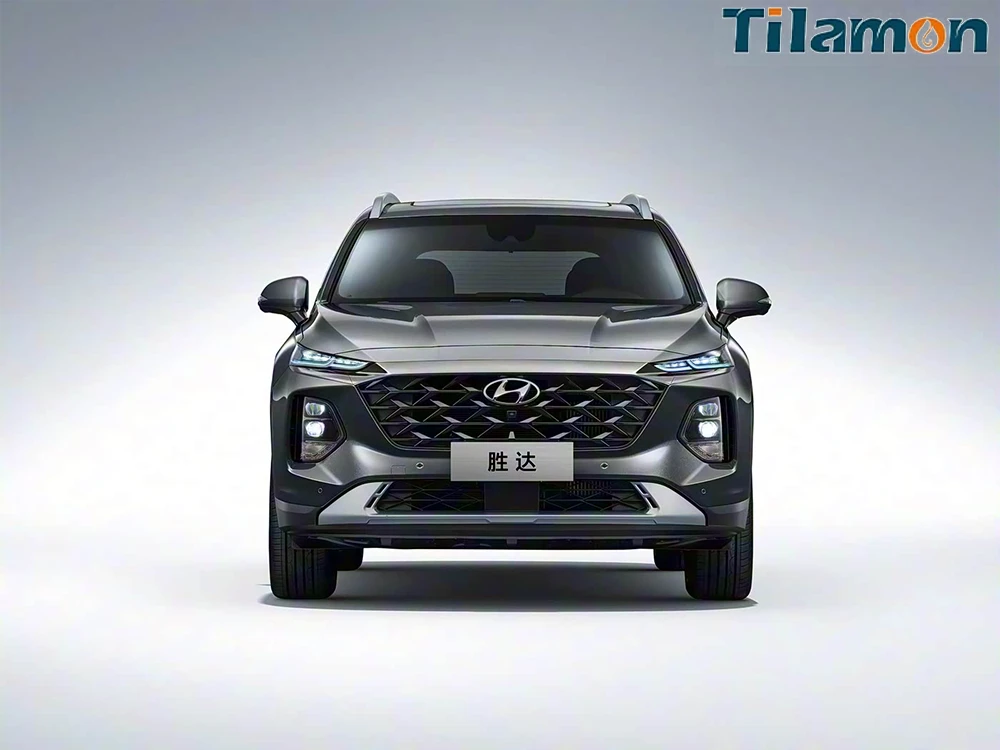
Comprehensive EV Portfolio for the Portuguese Market

From luxury new energy models to certified pre-owned electric solutions.

Portugal EV Market Common Questions

Expert answers regarding the transition to new energy mobility.

What are the benefits of choosing a new chinese ev in Portugal?

Chinese EVs offer a superior combination of battery range, integrated smart tech, and competitive pricing, making high-end electric mobility accessible to more Portuguese drivers.

How do I ensure the quality of a secondhand vehicle?

Always look for a certified Battery State of Health (SoH) report and verify the vehicle's maintenance history through official manufacturer channels.

Are new energy ev models compatible with the Portuguese charging grid?

Yes, modern EVs use standardized Type 2 and CCS2 connectors, which are the gold standard for public charging infrastructure across Portugal.

What is the expected lifespan of a new energy vehicle battery?

With modern BMS technology, most batteries are designed to maintain over 80% capacity for 8-10 years or 160,000 kilometers.

Is it cost-effective to buy 2 nd hand cars in the electric segment?

Absolutely. As battery technology stabilizes, pre-owned EVs offer an extremely low cost-per-kilometer compared to diesel or petrol alternatives.

What government incentives exist for new energy vehicles in Portugal?

Portugal offers various tax exemptions, including VAT reductions and ISV (Vehicle Registration Tax) exemptions for zero-emission vehicles.

Ready to Transition to Sustainable Mobility?

Our experts are available to help you choose the perfect electric solution tailored for the roads of Portugal.

Contact Us Now

If you are interested in our products, you can choose to leave your information here, and we will be in touch with you shortly.