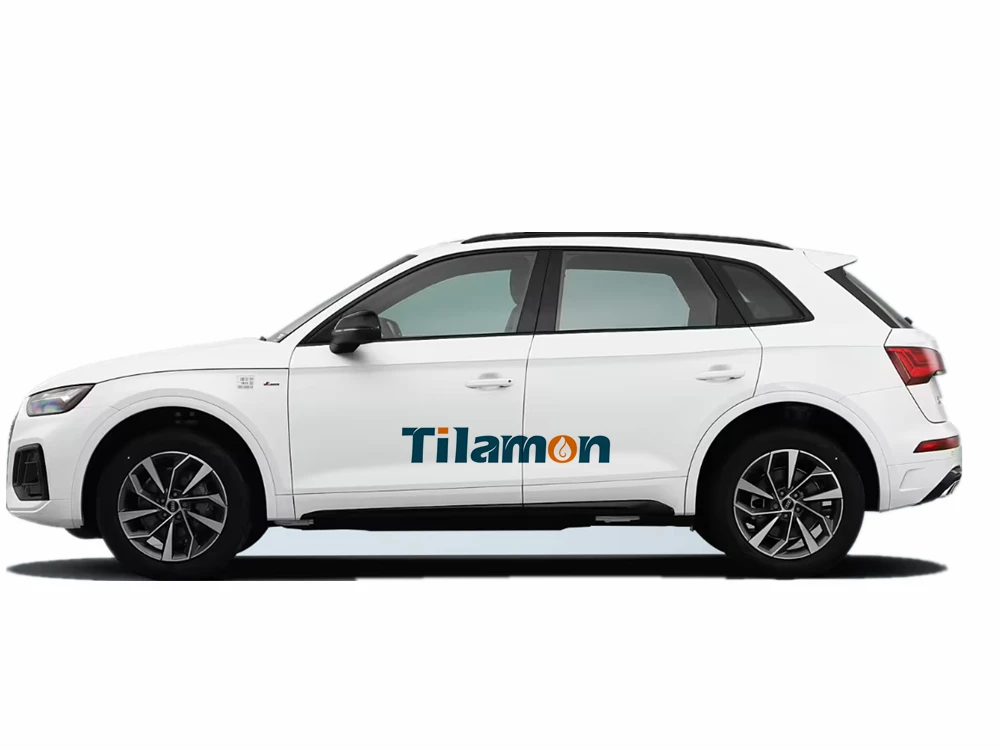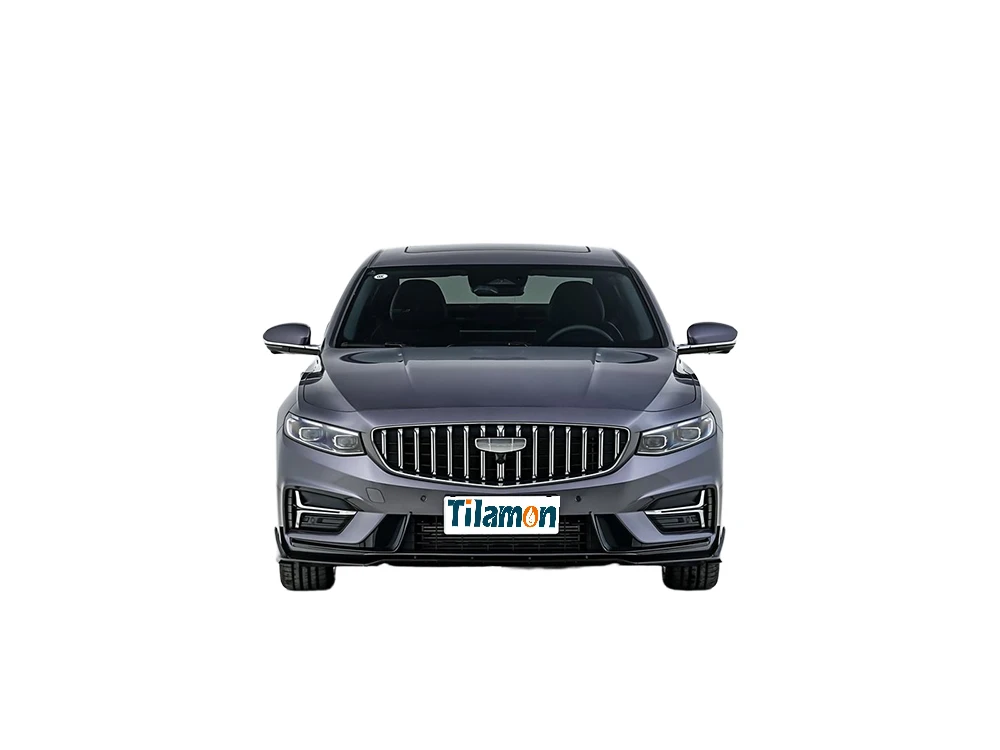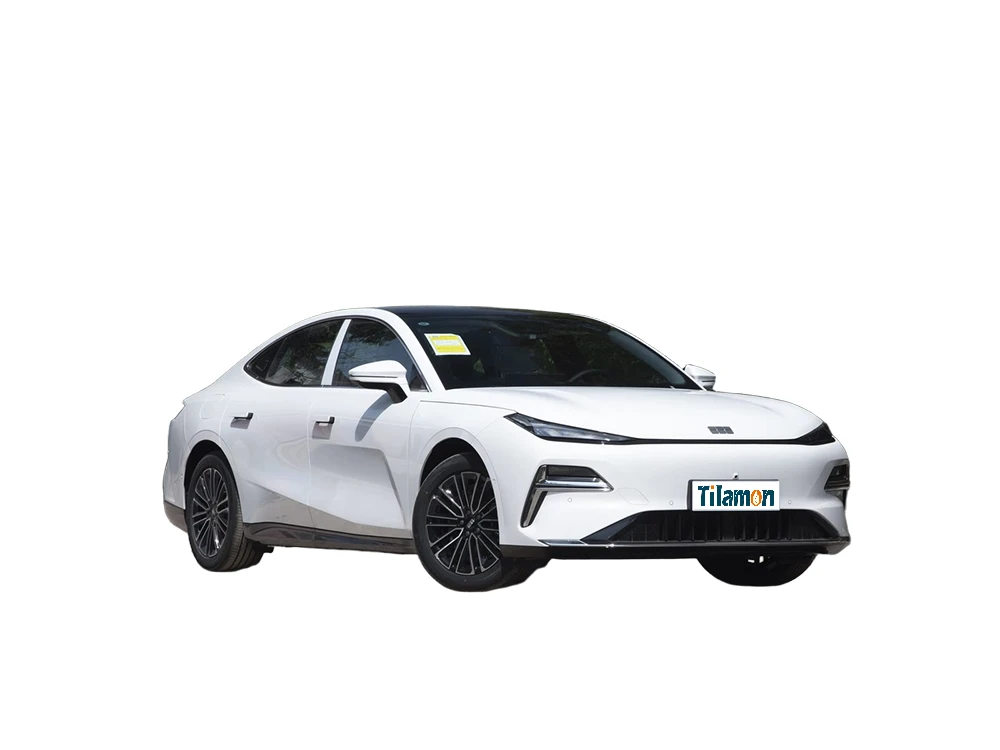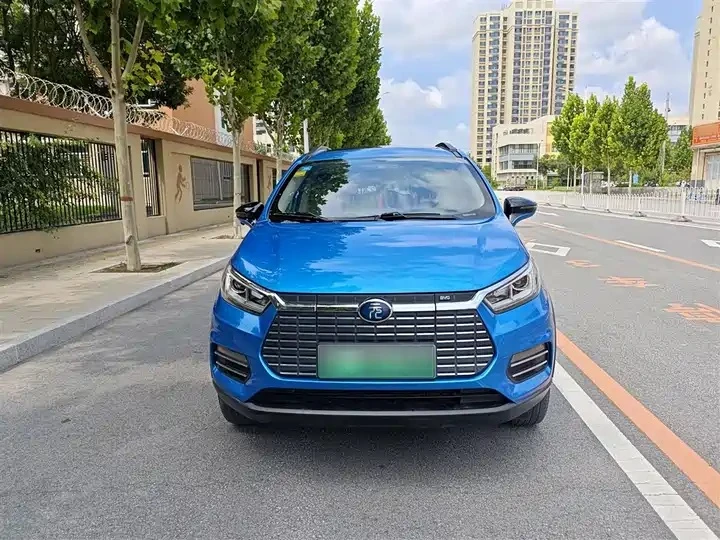
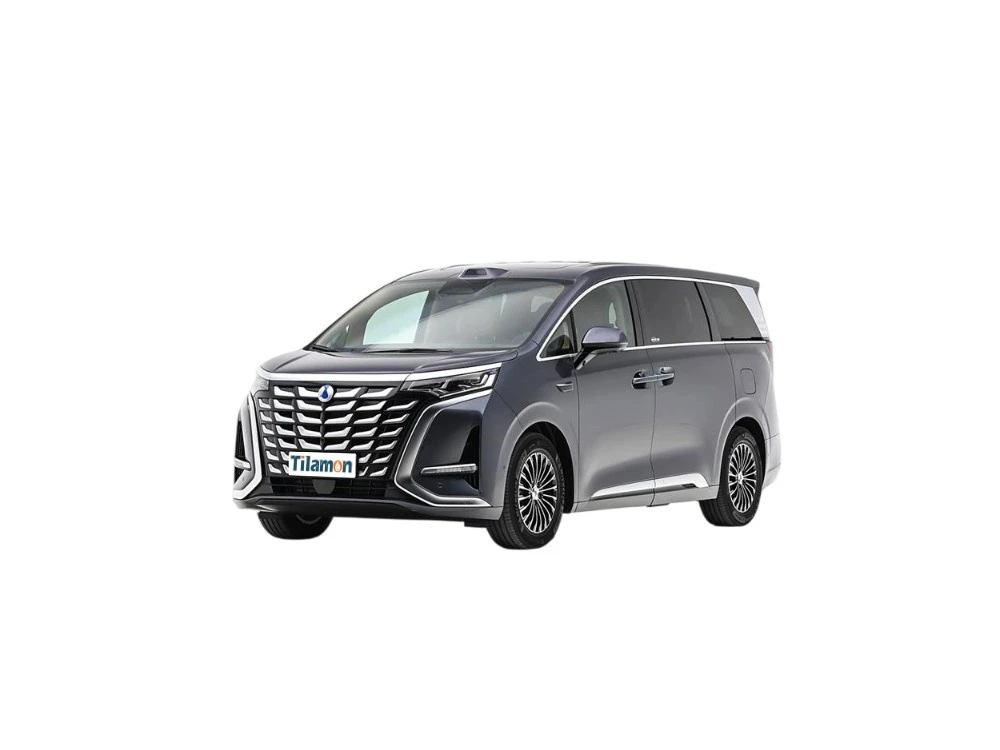
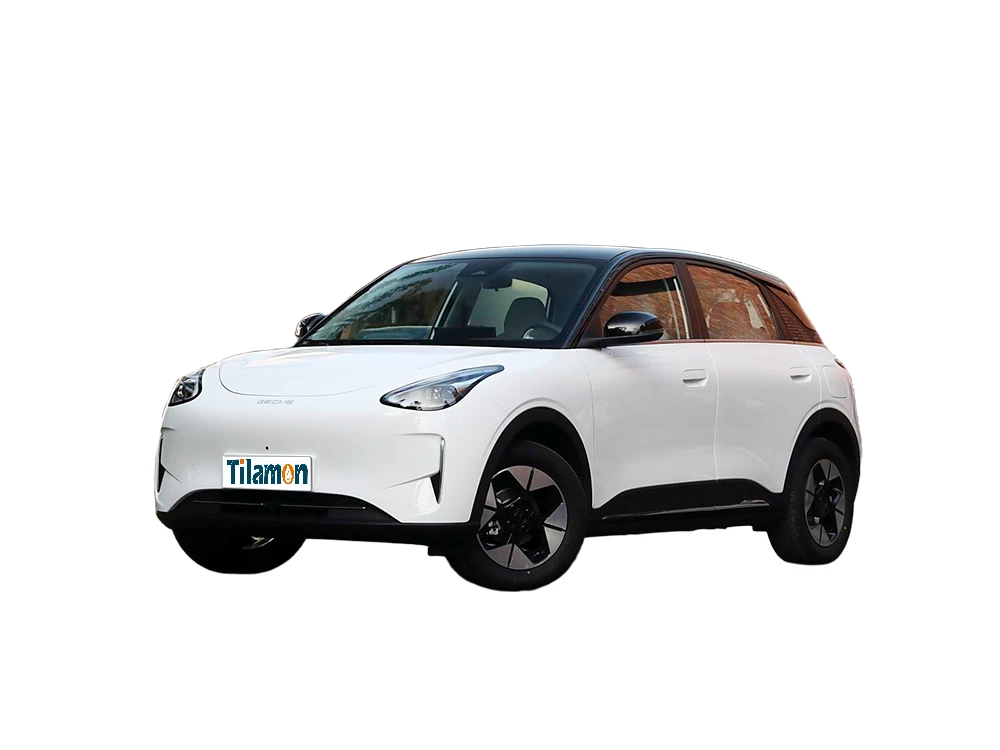
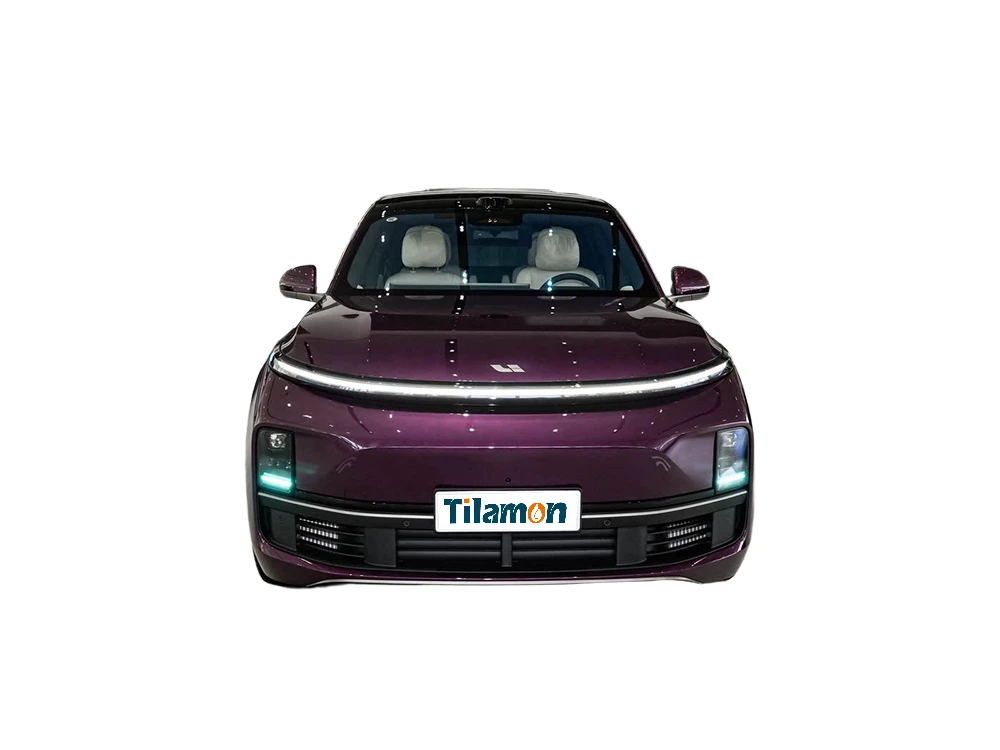
Cameroon's automotive market has historically been dominated by secondhand vehicle imports, primarily due to the high cost of new machinery and a robust local repair culture. In cities like Douala and Yaoundé, the demand for reliable transportation is high, but fuel price volatility has created a gap for more efficient alternatives.
The tropical climate and varied terrain of Cameroon present unique challenges for battery thermal management. However, the growing urban density is making the adoption of a new energy ev increasingly attractive for commuters looking to reduce operational costs and carbon footprints in congested city centers.
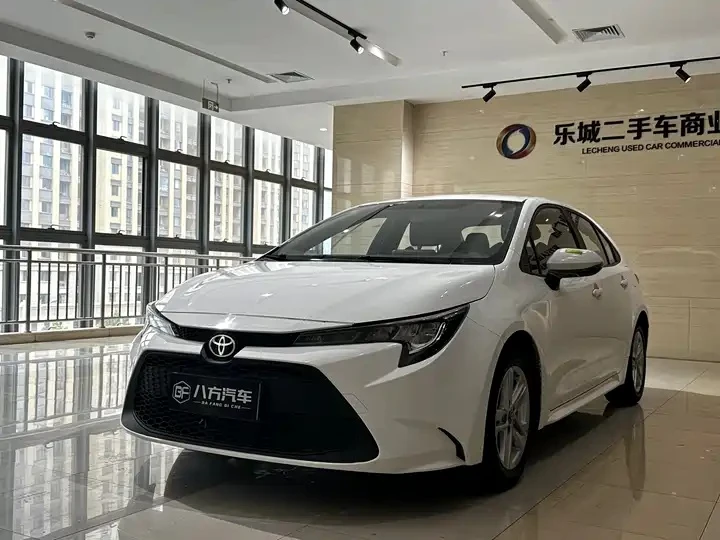
Currently, the market is seeing a pivotal shift as infrastructure for charging starts to emerge. This evolution is supported by a growing interest in 2 nd hand cars that feature hybrid technology, bridging the gap between traditional fuel engines and full electrification.