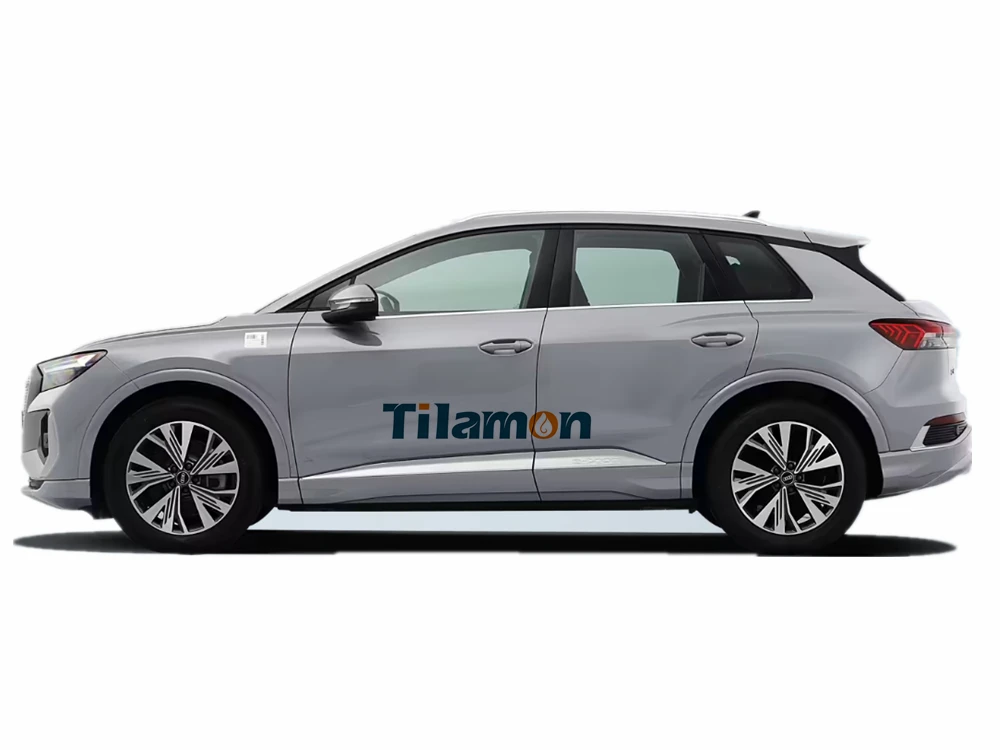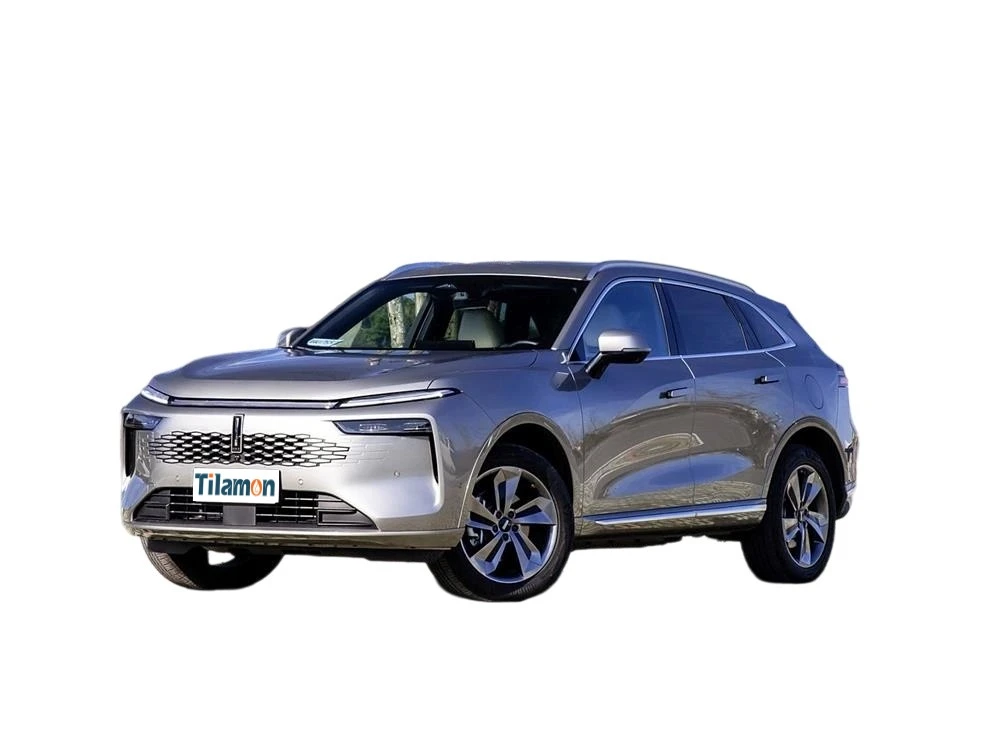
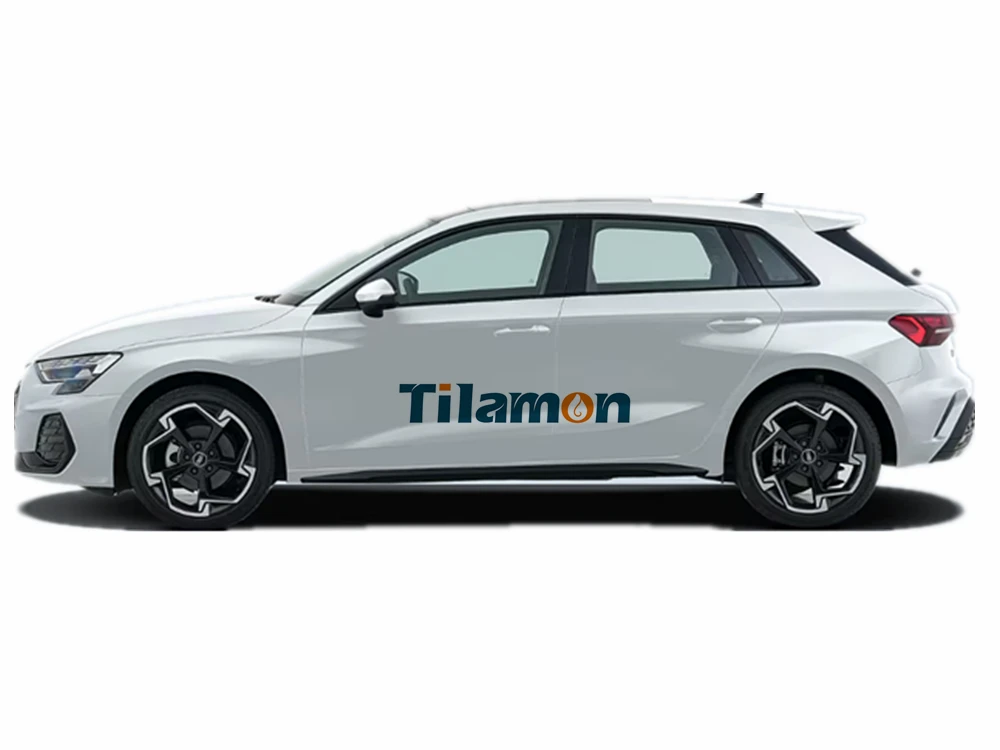
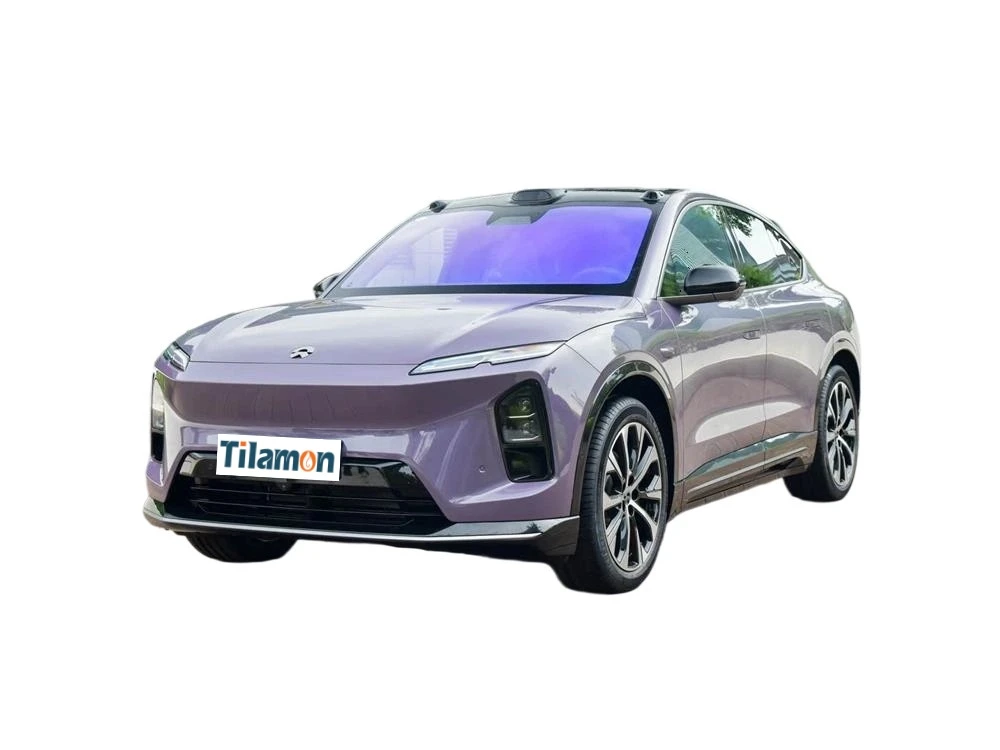
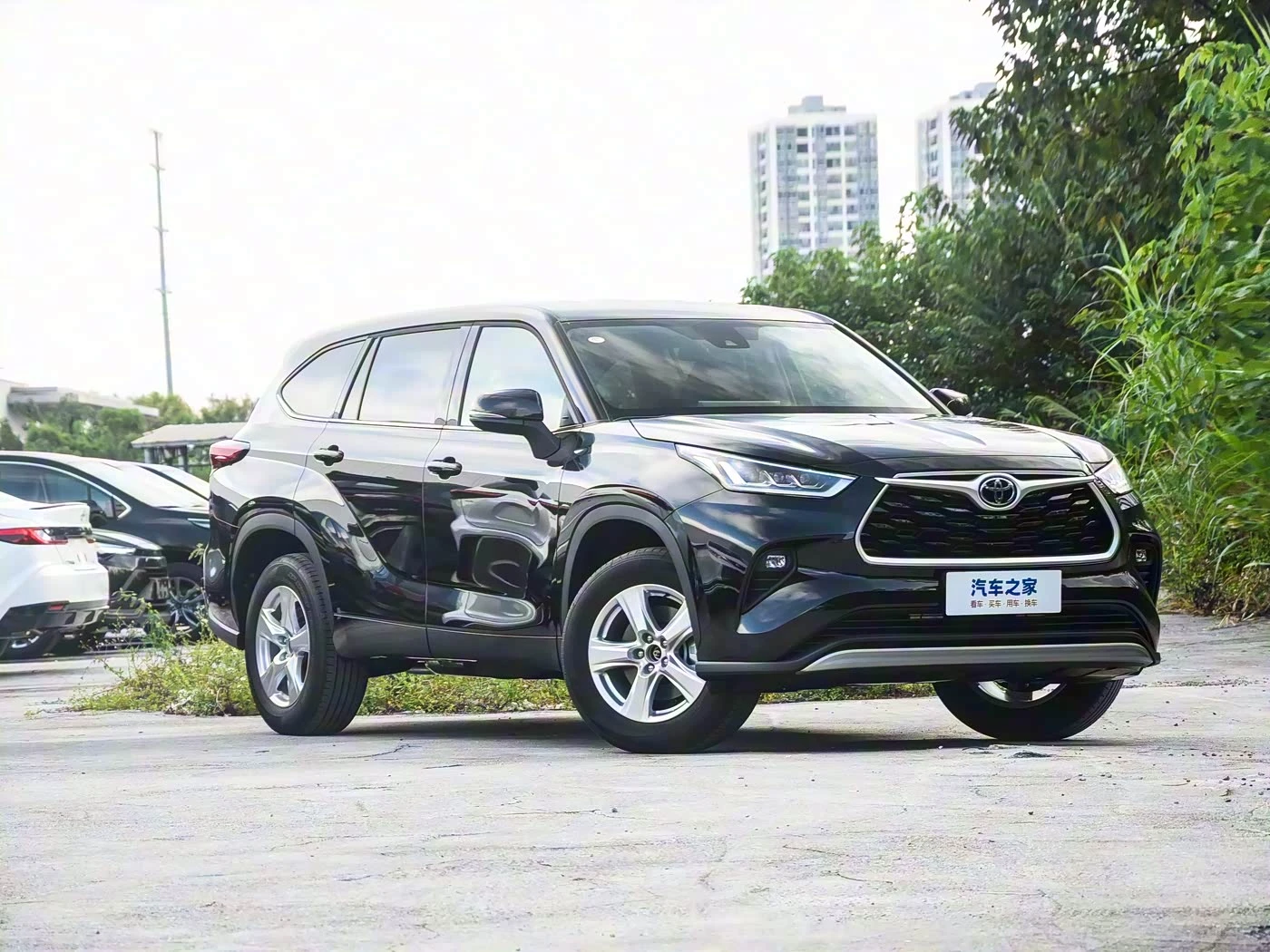
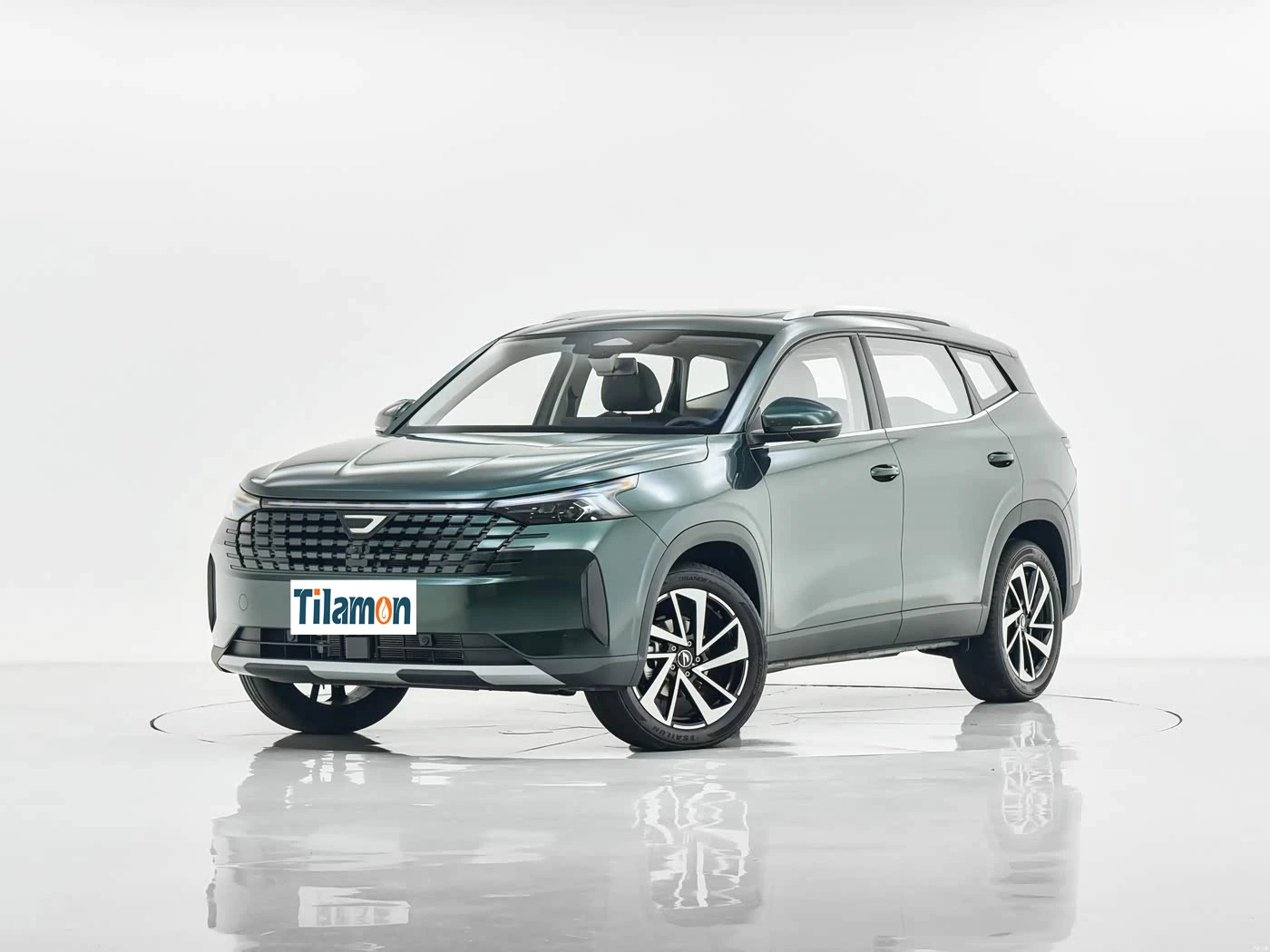
Sustainable Mobility Solutions for new energy vehicle in Malaysia

Leading the transition to green transportation with advanced Chinese automotive engineering and flexible ownership models tailored for the Malaysian market.

Sustainable Mobility Solutions for new energy vehicle in Malaysia

Integrating high-performance electric drivetrains and sustainable manufacturing to redefine urban commuting and long-distance travel across Southeast Asia.

Current State of the Malaysian Automotive Landscape

Analyzing the shift from internal combustion engines to electrified mobility in Asia - Malaysia.

Malaysia's automotive sector is currently undergoing a pivotal transformation driven by the National Energy Transition Roadmap. The tropical climate and dense urban centers like Kuala Lumpur have created a unique demand for a new energy ev that can withstand high humidity and provide efficient cooling for battery systems.

Economically, there is a growing middle-class preference for cost-effective luxury. This has led to a surge in the popularity of the new chinese ev market, which offers superior smart-cockpit technology and range-to-price ratios compared to traditional European counterparts.

Simultaneously, the market for pre-owned sustainable transport is expanding. Consumers are increasingly seeking a reliable secondhand vehicle that maintains battery health, bridging the gap between high initial costs and the desire for green mobility.
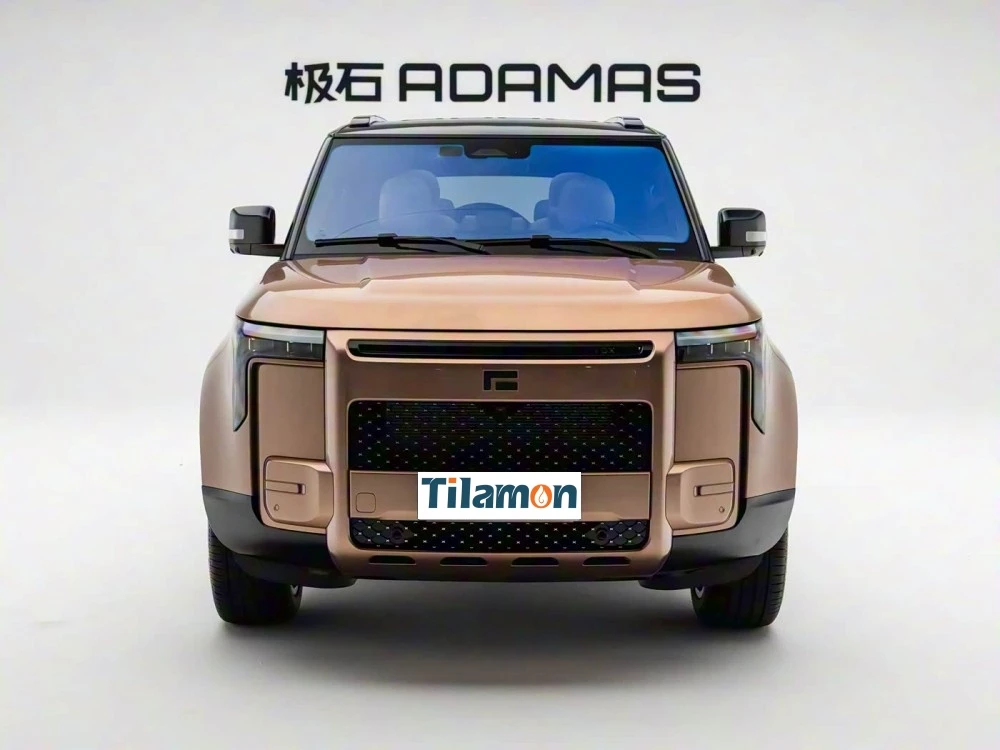
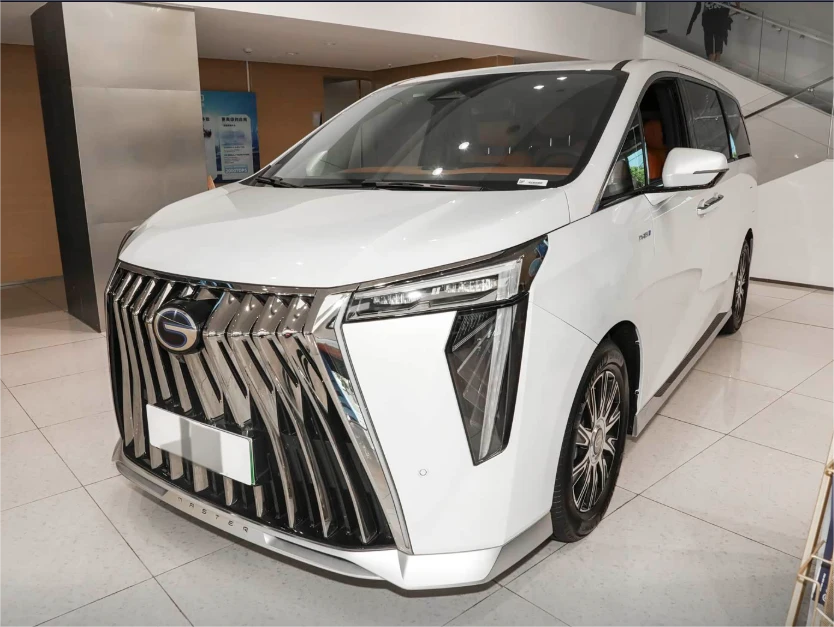
Evolution and Trajectory of EV Manufacturing

From traditional assembly lines to AI-driven smart manufacturing for the Malaysian road network.

Market Development History

From 2010 to 2018, the Malaysian market was dominated by traditional ICE vehicles and early hybrid experiments. Manufacturing focused on assembly and component sourcing for internal combustion engines with limited infrastructure for electrification.

Between 2019 and 2023, a strategic shift occurred as government incentives reduced import duties. This era saw the introduction of the first wave of high-tech new energy ev models, shifting the manufacturing focus toward battery management systems (BMS) optimized for tropical heat.

Currently, the market has entered the "Smart Integration" phase, where vehicles are no longer just transport tools but IoT devices, integrated with local smart-city infrastructure to optimize charging and traffic flow.

Future Development Trends

Solid-State Battery Integration

Over the next 3 years, the transition from liquid electrolytes to solid-state batteries will significantly increase the safety and range of EVs in Malaysia's varied terrain.

Circular Economy for Pre-owned EVs

We expect a standardized certification for 2 nd hand cars that are electric, ensuring battery transparency and second-life usage for energy storage.

Autonomous Level 3 Deployment

With 5G expansion in urban hubs, the integration of L3 autonomous driving features will become a primary selling point for new automotive manufacturing imports.

Industry Outlook and Future Projections

Strategic forecasting of the automotive manufacturing sector in the Malaysian region.

Charging Infrastructure Hyper-growth
Rapid deployment of DC fast-chargers across the North-South Expressway to eliminate range anxiety.
Software-Defined Vehicles (SDV)
Shift toward OTA (Over-the-Air) updates to enhance vehicle performance and features post-purchase.
Battery Recycling Ecosystems
Establishing local plants to recycle lithium and cobalt, reducing dependency on imported raw materials.
V2G (Vehicle-to-Grid) Technology
Allowing EVs to feed power back into the Malaysian grid during peak demand hours.

Industry Outlook

Based on Google search trends in the Southeast Asian region, there is a 40% year-on-year increase in queries related to "EV battery life" and "affordable electric cars," indicating a market shift from early adopters to mass-market consumers.

The integration of smart manufacturing will likely lead to "localized customization," where vehicles are specifically tuned for the Malaysian road conditions, focusing on suspension durability and enhanced air filtration for urban smog.

Localized Application Scenarios in Malaysia

Real-world implementations of advanced automotive technology across various Malaysian environments.

01. Urban Commuting in Kuala Lumpur

Utilization of compact new energy ev models to navigate dense traffic and utilize designated EV parking zones in the city center.

02. Inter-city Travel (KL to Penang)

Implementing high-capacity battery models that leverage the expanding DC fast-charging network along the North-South Expressway for seamless long-distance trips.

03. Sustainable Logistics for E-commerce

Deployment of electric light commercial vehicles for "last-mile" delivery in suburbs, reducing operational costs and urban noise pollution.

04. Budget-Friendly Green Mobility

Integrating certified secondhand vehicle options for students and young professionals seeking eco-friendly transport without the new-car premium.

05. Corporate Fleet Electrification

Transitioning government and corporate fleets to a mix of new and refurbished electric vehicles to meet national ESG (Environmental, Social, and Governance) targets.

Brand Story

Global Development History of Shijiazhuang Zhenming Chemical Co., Ltd.

Foundational Excellence

Starting as a specialist in high-performance chemical materials, providing the essential building blocks for automotive coatings and battery components.

Technological Pivot

Expanding research into electrolyte materials specifically designed to increase the stability of EV batteries in extreme tropical temperatures.

Global Market Entry

Establishing strategic partnerships across Asia, focusing on the Malaysian market to provide sustainable manufacturing solutions for local assemblers.

Innovation Leadership

Developing a closed-loop recycling system for battery materials, solving the pain point of hazardous waste in the automotive lifecycle.

Future Vision

Aiming to be the primary material supplier for the next generation of carbon-neutral vehicles in Southeast Asia.

Comprehensive Product Portfolio for Malaysia

From cutting-edge new releases to certified pre-owned sustainable transport.

Common Questions About EVs in Malaysia

Everything you need to know about adopting new energy transport in the local market.

What are the benefits of buying a new chinese ev in Malaysia?

Chinese EVs typically offer more advanced software integration, longer battery ranges, and more competitive pricing due to the vertically integrated supply chain of battery manufacturing.

How do I ensure the battery health of a secondhand vehicle?

Always request a Battery State of Health (SOH) report and look for certified pre-owned EVs that come with a manufacturer-backed battery warranty.

Are there specific tax incentives for a new energy vehicle in Malaysia?

Yes, the Malaysian government provides various exemptions on import and excise duties for CBU and CKD electric vehicles to encourage green adoption.

Is it safe to charge a new energy ev during Malaysia's monsoon season?

Modern EVs are designed with IP67 or higher waterproof ratings for batteries and charging ports, making them safe for use in heavy rain, provided the charger is properly grounded.

What is the typical lifespan of 2 nd hand cars that are electric?

Depending on the chemistry and usage, most EV batteries maintain over 80% capacity for 8-10 years, making high-quality used EVs a viable long-term investment.

Where can I find a reliable network for new energy vehicle maintenance?

Most major brands have established service centers in the Klang Valley and major cities, offering specialized diagnostics for electric powertrains.

Get in Touch with Our Experts

Ready to transition to sustainable mobility? Contact our professional team in Malaysia for tailored fleet and individual solutions.

Contact Us Now

If you are interested in our products, you can choose to leave your information here, and we will be in touch with you shortly.