

Sustainable Mobility Solutions for Ethiopia: Premium new energy vehicle Integration

Driving Ethiopia's green revolution through advanced automotive manufacturing and sustainable transport ecosystems.

Sustainable Mobility Solutions for Ethiopia: Premium new energy vehicle Integration

Providing high-efficiency, low-emission automotive solutions tailored for the Ethiopian landscape, from urban Addis Ababa to rural provinces.

The Automotive Landscape in Ethiopia

Analyzing the transition from combustion engines to electric mobility in East Africa.

Ethiopia's current automotive market is heavily reliant on imported secondhand vehicle units, which often struggle with the high altitude of the Ethiopian Highlands and increasing urban congestion in Addis Ababa. The dependence on fossil fuels has created a vulnerability to global oil price fluctuations, prompting the government to push for electrification.

The climatic conditions, characterized by varied topography and a rainy season, demand vehicles with high durability and efficient battery thermal management. Consequently, there is a growing demand for a new chinese ev fleet that offers a balance between affordability and ruggedness to handle local road conditions.

Economic shifts and new import regulations are now incentivizing the adoption of new energy ev technology. This shift is not just about changing the fuel source, but about integrating a complete manufacturing and maintenance ecosystem within Ethiopia to reduce long-term operational costs.
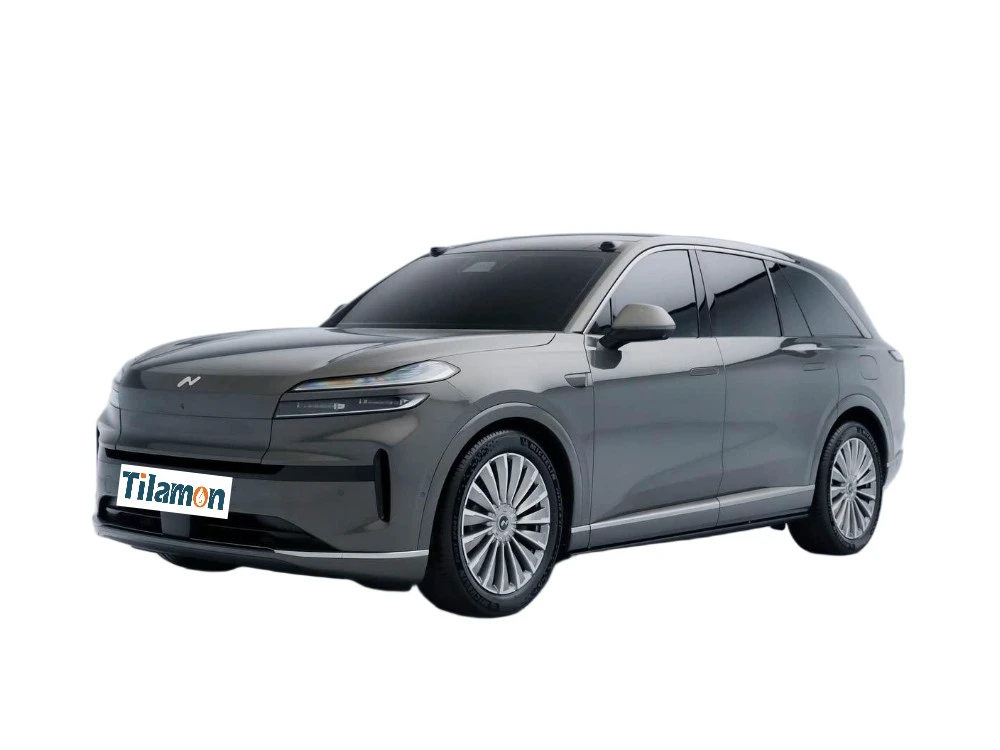
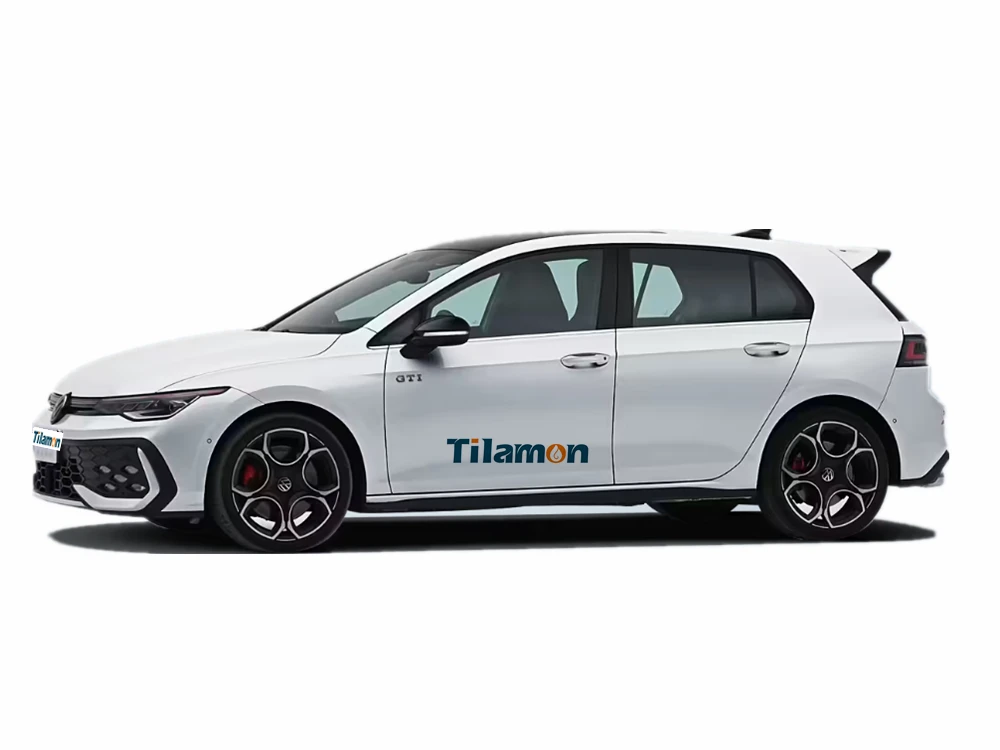
Evolution and Trajectory of Ethiopian Transport

From internal combustion legacies to the era of intelligent electrification.

Market Development History

For decades, the market was dominated by older 2 nd hand cars, primarily sourced from Europe and Japan. These vehicles formed the backbone of the logistics sector but contributed significantly to urban smog and high maintenance overheads due to aging components.

Between 2015 and 2020, the market saw a gradual introduction of modern fuel-efficient cars, but the real pivot occurred with the introduction of national policies favoring green energy. The focus shifted from mere mobility to "sustainable mobility," paving the way for integrated electric vehicle (EV) assembly.

By 2023, the synergy between Chinese automotive manufacturing and Ethiopian energy goals led to the large-scale introduction of the new energy vehicle, transforming public transport and private commuting through smart grid integration.

Future Development Trends

Battery Swapping Infrastructure

To overcome charging downtime, Ethiopia will likely adopt battery swapping stations, particularly for commercial fleets, reducing the reliance on slow-charging home grids.

Local Assembly Hubs

Moving from CBU (Completely Built-Up) imports to CKD (Completely Knocked-Down) assembly will lower taxes and create local employment in the automotive sector.

AI-Driven Fleet Management

Integration of IoT for real-time monitoring of EV health will become standard to ensure longevity in diverse Ethiopian terrains.

Future Outlook of the EV Industry in Ethiopia

Strategic forecasting based on energy trends and manufacturing advancements.

Grid Modernization
Leveraging Ethiopia's hydroelectric power to create a low-cost, green charging network for EVs.
Fiscal Incentives
Expansion of tax exemptions for electric vehicle components to drive down consumer prices.
Circular Economy
Establishing battery recycling plants to handle the lifecycle of old EV power cells.
Urban Integration
Smart-city planning in Addis Ababa favoring EV-only zones to reduce air pollution.

Industry Outlook

Google search trends indicate a surging interest in "low-cost EVs" and "electric car charging in Ethiopia," suggesting that consumer awareness is peaking. We predict a 40% increase in electric fleet adoption over the next 3 years as infrastructure catches up.

The long-term trajectory points toward a complete phase-out of high-emission vehicles in favor of an integrated ecosystem where energy production and automotive consumption are seamlessly linked via green corridors.

Localized Application Scenarios in Ethiopia

How our automotive solutions solve real-world Ethiopian challenges.

1. Urban Commuting in Addis Ababa

Deployment of compact EVs to navigate heavy traffic and narrow streets, reducing the noise and smog of the capital city.

2. Rural Agricultural Logistics

High-torque electric pickups designed to transport crops from rural farms to regional markets without the high cost of diesel.

3. Public Transit Modernization

Replacing outdated minibuses with electric shuttles to provide affordable and sustainable mass transit for citizens.

4. Government Fleet Transition

Integrating electric sedans into administrative fleets to lead by example in the national green energy transition.

5. Last-Mile Delivery Services

Utilizing electric three-wheelers and vans for e-commerce deliveries within urban centers, optimizing cost and speed.

Brand Story

Global Development Journey of Shijiazhuang Zhenming Chemical Co., Ltd.

Foundational Excellence

Starting as a specialist in chemical precision, we built the material science foundation necessary for high-performance automotive components.

Industrial Diversification

We expanded our expertise into the automotive supply chain, focusing on the durability of materials for extreme environments.

Green Technology Pivot

Recognizing the global climate crisis, we shifted our R&D towards supporting the new energy vehicle manufacturing sector.

Strategic Africa Expansion

We targeted the Ethiopian market to solve the specific pain point of unreliable, high-emission transport systems.

Vision for 2030

Our mission is to empower every Ethiopian driver with access to sustainable, affordable, and high-tech mobility.

Ethiopia EV Market FAQ

Everything you need to know about switching to electric mobility in Ethiopia.

What are the benefits of buying a new chinese ev in Ethiopia?

Chinese EVs offer the best price-to-performance ratio, with battery technology specifically optimized for emerging markets and diverse terrains.

How does a new energy ev compare to traditional diesel cars in Addis Ababa?

They offer significantly lower operating costs per kilometer and zero tailpipe emissions, contributing to a cleaner urban environment.

Are there tax incentives for purchasing a new energy vehicle?

Yes, the Ethiopian government provides various import duty exemptions and tax breaks to encourage the adoption of green energy transport.

Is it better to buy a secondhand vehicle or a new electric car?

While a secondhand vehicle has a lower initial cost, a new electric car saves money over time through lower fuel and maintenance expenses.

What is the lifespan of 2 nd hand cars compared to new EVs?

New EVs have fewer moving parts than internal combustion engines, typically leading to lower wear and tear and a longer sustainable lifespan.

Where can I find charging stations for my EV in Ethiopia?

Charging infrastructure is expanding rapidly in Addis Ababa and major regional cities, with more public stations being installed monthly.

Ready to Transition to Green Mobility?

Contact our expert consultants to find the perfect sustainable vehicle solution for your business or personal needs in Ethiopia.

Contact Us Now

If you are interested in our products, you can choose to leave your information here, and we will be in touch with you shortly.