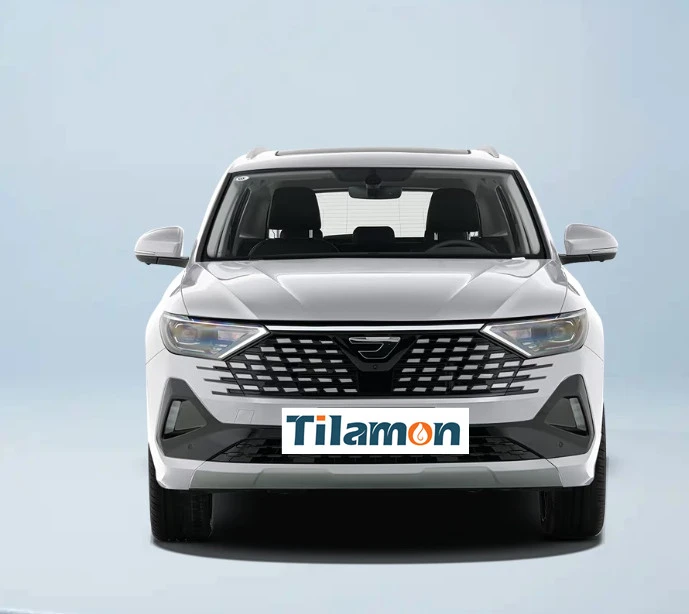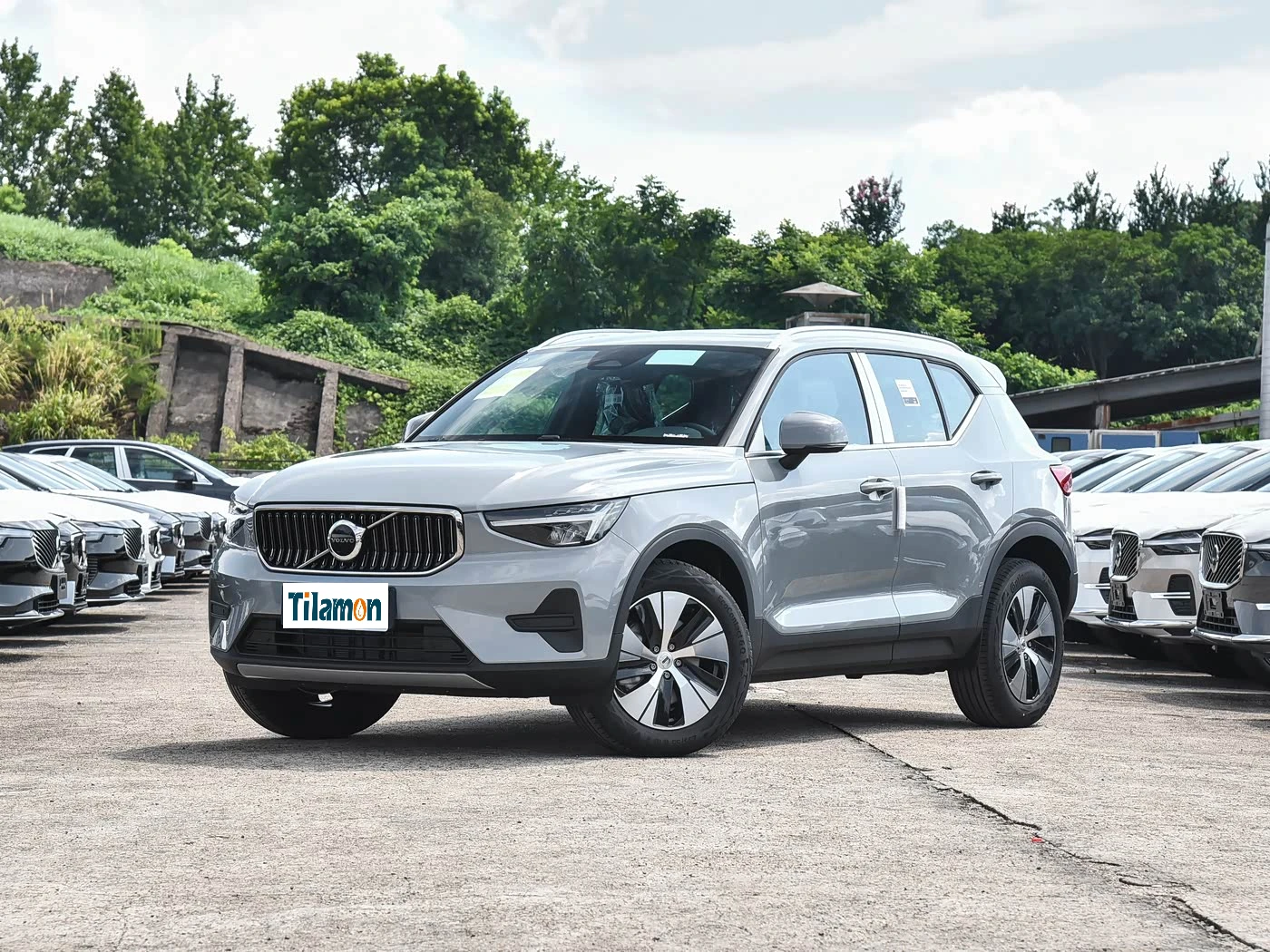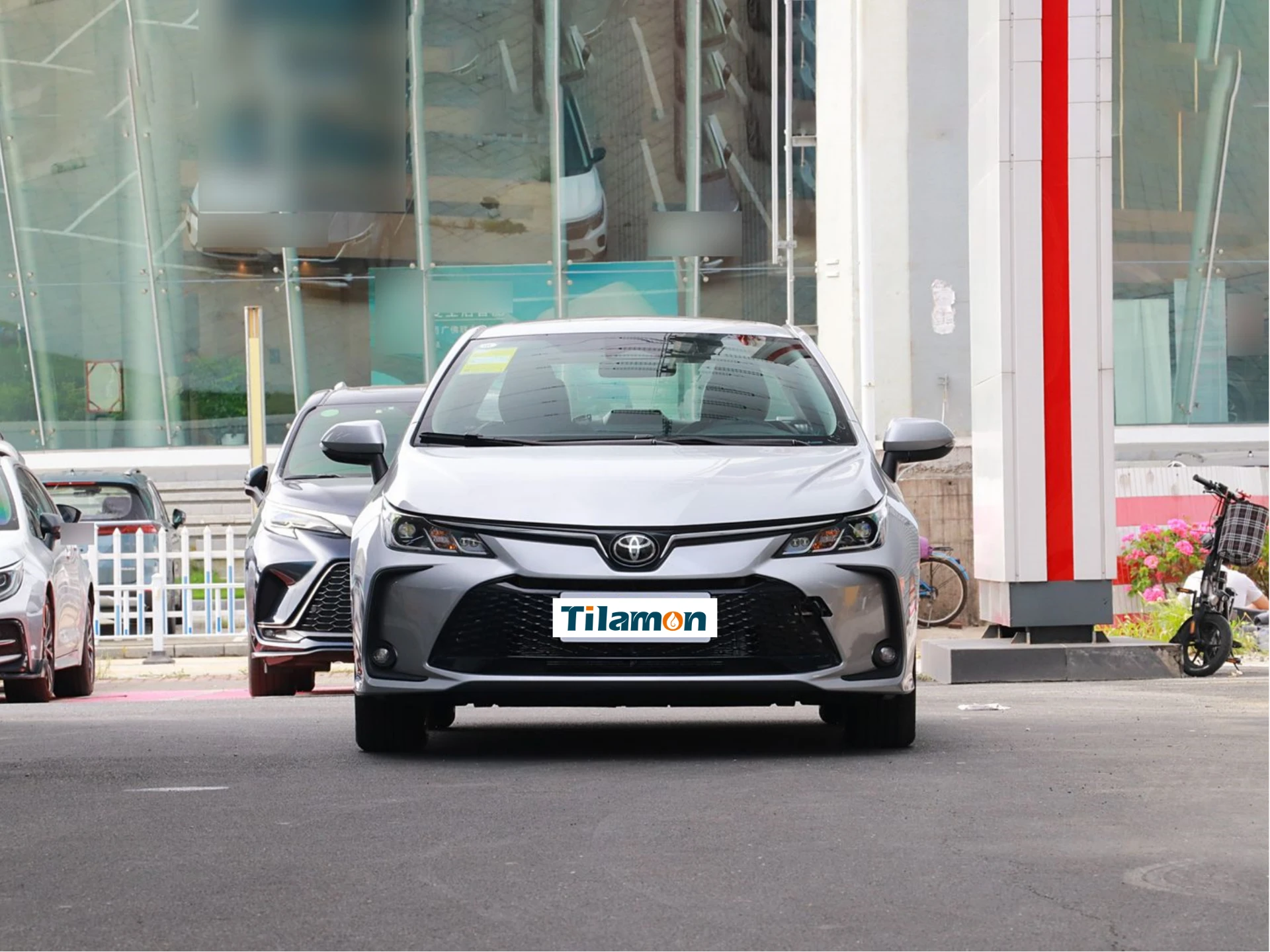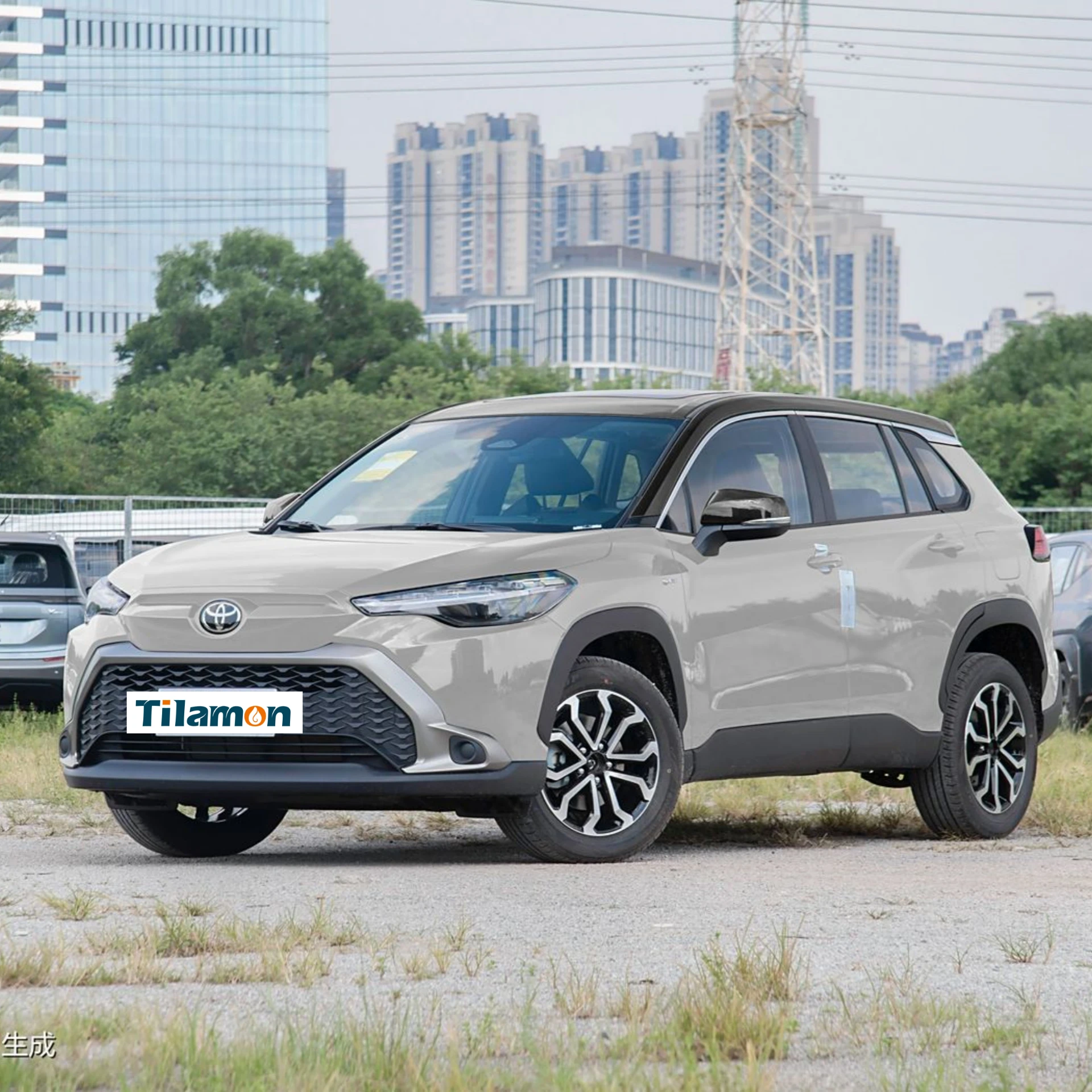
The Philippines is currently witnessing a pivotal transition in its transport landscape. With severe urban congestion and rising fuel costs in cities like Quezon City and Makati, the demand for a new energy ev has surged, driven by both government mandates and consumer desire for lower operating costs.
Geographically, the humid tropical climate and frequent flooding in low-lying areas require specialized vehicle manufacturing. Modern EVs entering the market are now designed with higher IP ratings for battery packs and enhanced cooling systems to maintain efficiency under intense heat.
Furthermore, a growing secondary market is emerging. While new models dominate the headlines, the accessibility of a secondhand vehicle allows a broader demographic to transition away from internal combustion engines, balancing economic viability with environmental goals.