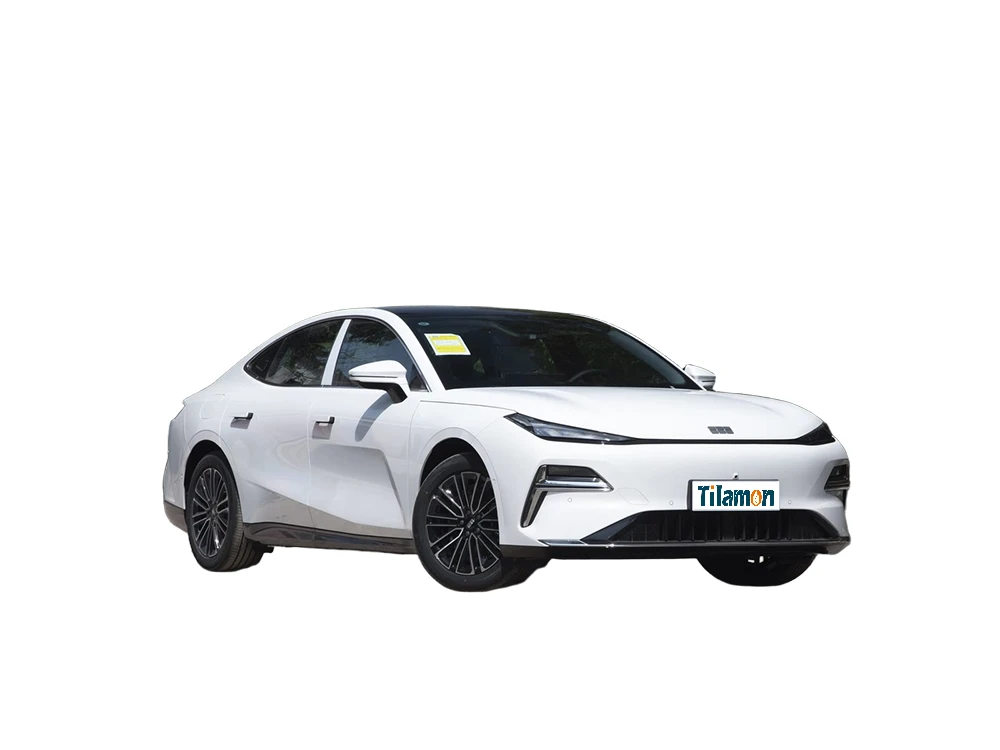
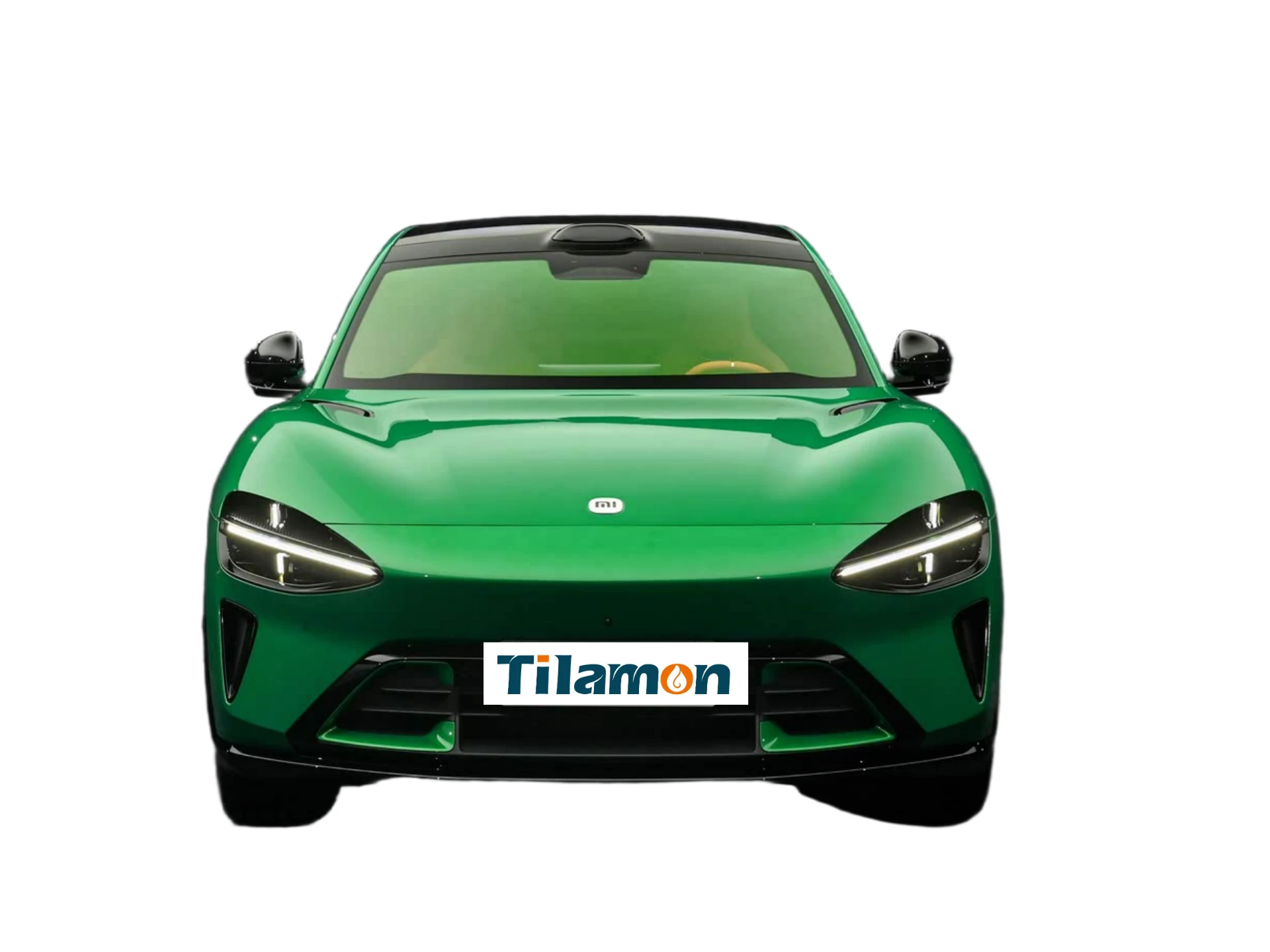
Brazil Sustainable Mobility Solution with new energy vehicle

Revolutionizing the Brazilian automotive landscape by integrating cutting-edge electric propulsion and sustainable lifecycle management for a greener tomorrow.

Brazil Sustainable Mobility Solution with new energy vehicle

Empowering Brazil's transition to sustainable transport through high-performance electric vehicles and strategic automotive manufacturing excellence.

The Current State of Automotive Transition in Brazil

Analyzing the shift from ethanol-dependency to electric innovation in the South American hub.

Brazil possesses a unique automotive ecosystem characterized by a strong legacy of biofuels. However, the arrival of the new chinese ev segment is rapidly altering consumer behavior in urban centers like São Paulo and Rio de Janeiro, where air quality mandates are tightening.

Despite the growth, the market faces challenges regarding charging infrastructure and high import tariffs. This has led to a surge in interest for a new energy ev that can withstand the diverse Brazilian topography, from coastal plains to mountainous hinterlands.

Furthermore, the economic volatility has created a robust parallel market for secondhand vehicle options, as consumers seek affordable entry points into modern automotive technology without the premium cost of brand-new imports.
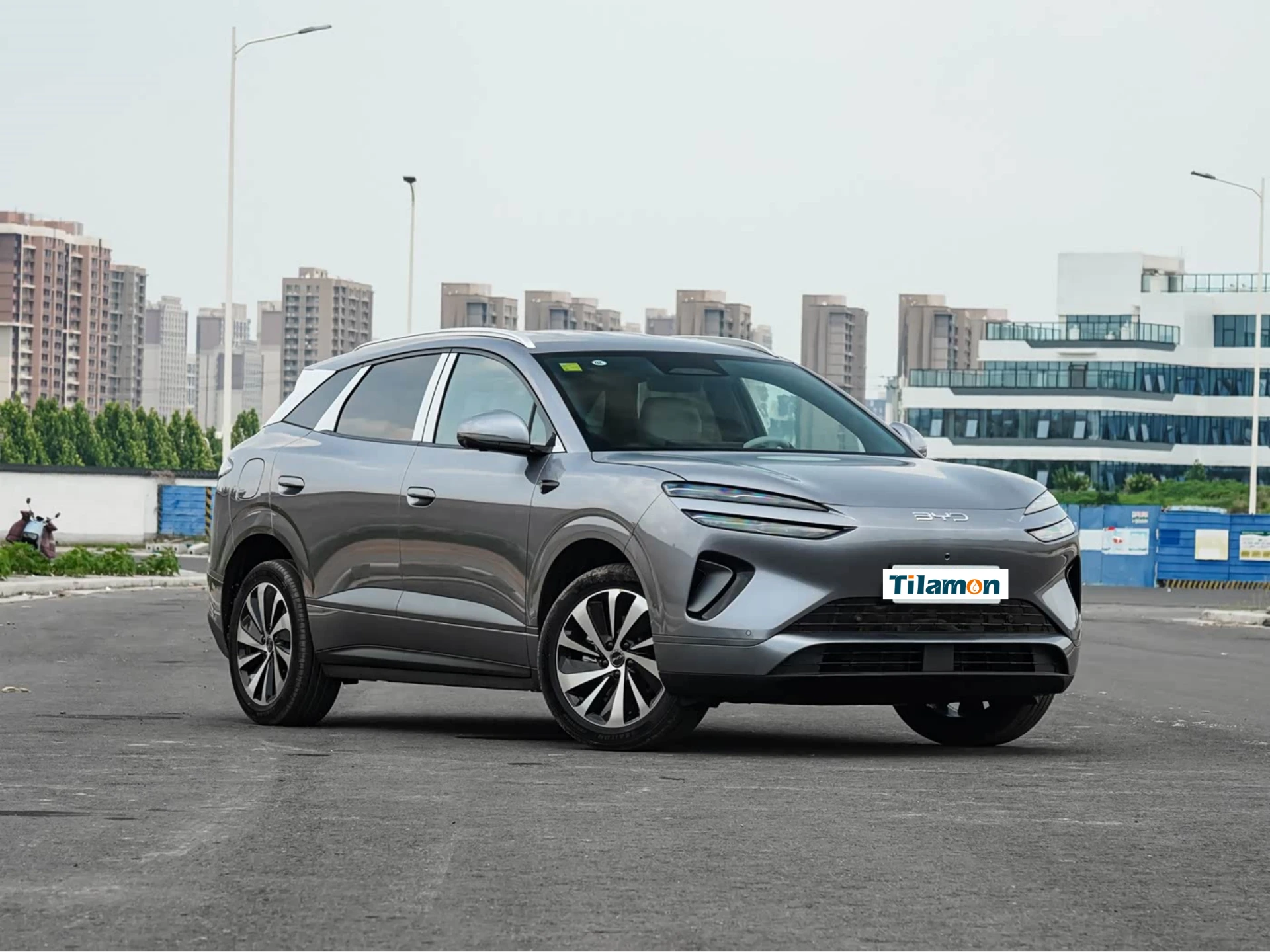
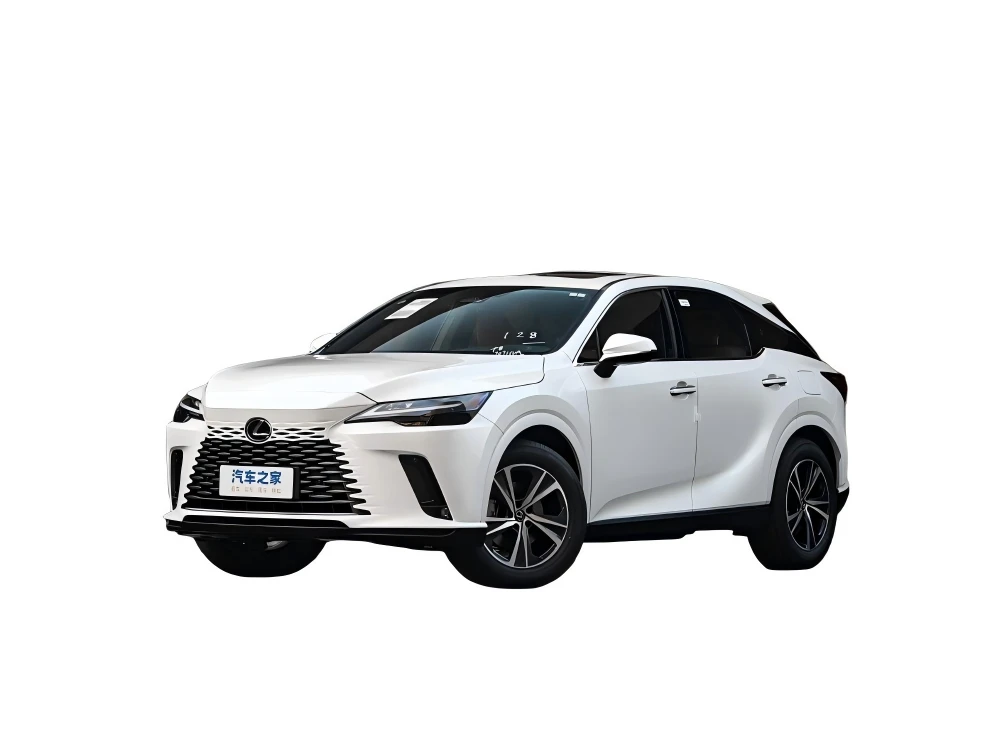
Evolution of Brazilian Automotive Manufacturing

From internal combustion dominance to the era of electrification.

Market Development History

Between 1970 and 2010, Brazil focused heavily on the Proálcool program, making it a global leader in ethanol-powered engines. Manufacturing was dominated by traditional combustion systems with localized assembly lines.

From 2015 to 2020, the industry saw a gradual introduction of hybrid systems. This era marked the beginning of the shift toward the new energy vehicle framework, as global manufacturers began testing battery efficiency in tropical climates.

Since 2021, there has been an explosion of direct imports and local partnerships, specifically bringing in advanced battery tech and software-defined vehicles, drastically reducing the wait time for high-tech mobility solutions.

Future Development Trends

Localization of Battery Production

The next 3 years will see a shift from importing cells to establishing local lithium-ion assembly plants within Brazil to avoid heavy tariffs.

Circular Economy Integration

A growing trend focuses on the certification of 2 nd hand cars to ensure battery health and safety through standardized diagnostic protocols.

V2G (Vehicle-to-Grid) Implementation

With Brazil's high renewable energy ratio, EVs will evolve into mobile energy storage units, feeding power back into the grid during peak hours.

Industry Trends and Future Outlook 2025-2030

Strategic foresight into the electrification of the South American giant.

Smart Infrastructure Expansion
Integration of AI-driven charging networks across major highways connecting Brasília and São Paulo.
Battery Life Optimization
Developing thermal management systems tailored for Brazil's humid and high-temperature climate.
Fleet Electrification
Rapid conversion of urban logistics and delivery fleets to electric power to meet ESG goals.
Digital Ownership Ecosystem
Blockchain-based battery health certificates for the resale of electric vehicles.

Industry Outlook

Based on search trends in the region, there is a growing appetite for "cost-effective electric mobility." We predict that the market will shift from luxury EV imports to mass-market urban vehicles within the next 48 months.

The integration of renewable energy sources, particularly solar and wind, will make the new energy ev the most economical choice for Brazilian households, drastically lowering the total cost of ownership.

Localized Application Scenarios in Brazil

Tailored mobility solutions for the unique challenges of the Brazilian territory.

01. Urban Last-Mile Delivery in São Paulo

Deploying compact electric vans for high-density urban logistics to avoid congestion taxes and reduce noise pollution in residential zones.

02. Agricultural Fleet Modernization

Implementing heavy-duty electric transport for soy and coffee plantations, utilizing on-site solar charging to eliminate fuel dependency.

03. Government Transit Electrification

Converting municipal bus fleets in Curitiba and Rio to electric propulsion, optimizing public transport efficiency and air quality.

04. Eco-Tourism Shuttles in the Amazon Fringe

Using specialized high-torque EVs for eco-resorts to minimize environmental impact and noise disturbance to local wildlife.

05. Certified Pre-owned EV Hubs

Creating a trusted network for 2 nd hand cars that provides battery certification and warranty for middle-class buyers.

Brand Story

Global Development Journey of Shijiazhuang Zhenming Chemical Co., Ltd.

Foundational Excellence

Starting as a specialist in chemical materials, we recognized the critical role of advanced materials in battery efficiency and automotive safety.

Global Material Expansion

Expanding our reach to provide high-purity industrial components essential for the production of modern chassis and battery casings.

Strategic Pivot to EV

Transitioning our expertise into the EV supply chain, solving the pain point of material durability in extreme tropical climates.

South American Integration

Establishing a robust logistics and support network in Brazil to bridge the gap between Asian manufacturing and Latin American demand.

Vision 2030

Aiming to be the leading provider of integrated automotive solutions, ensuring every vehicle is sustainable, durable, and accessible.

Comprehensive Product Portfolio for Brazil

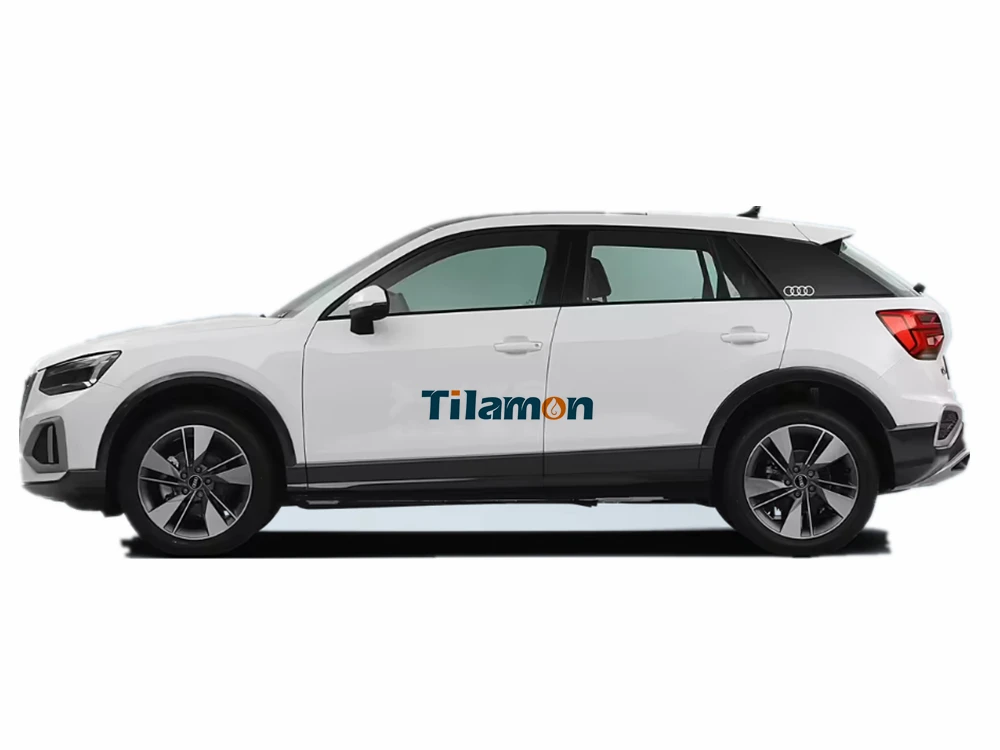
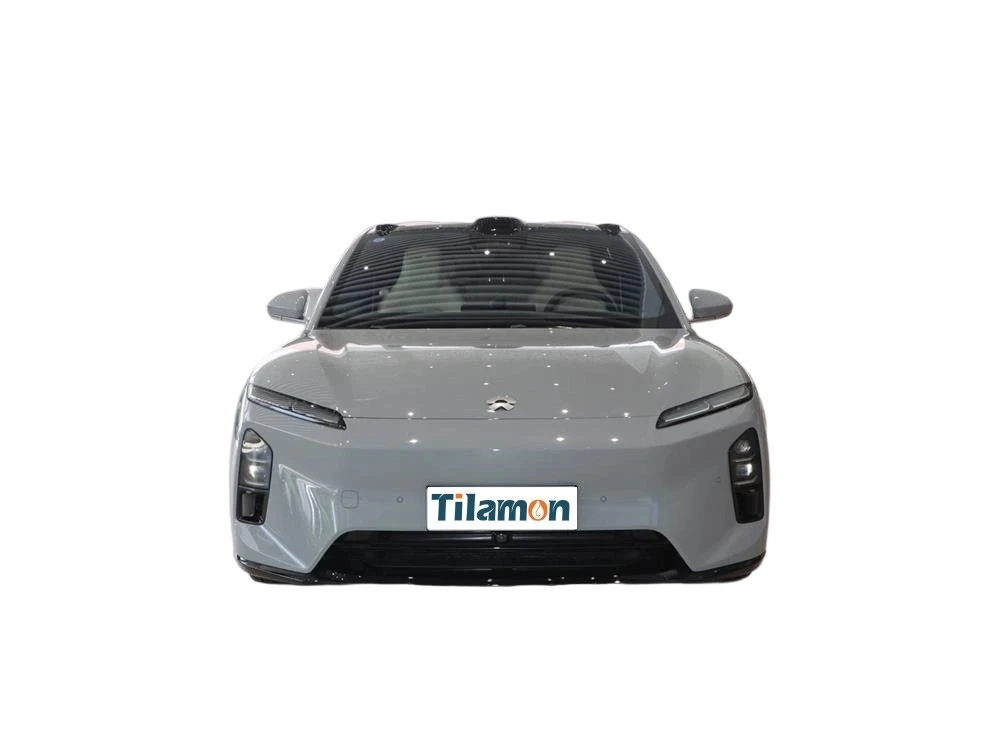
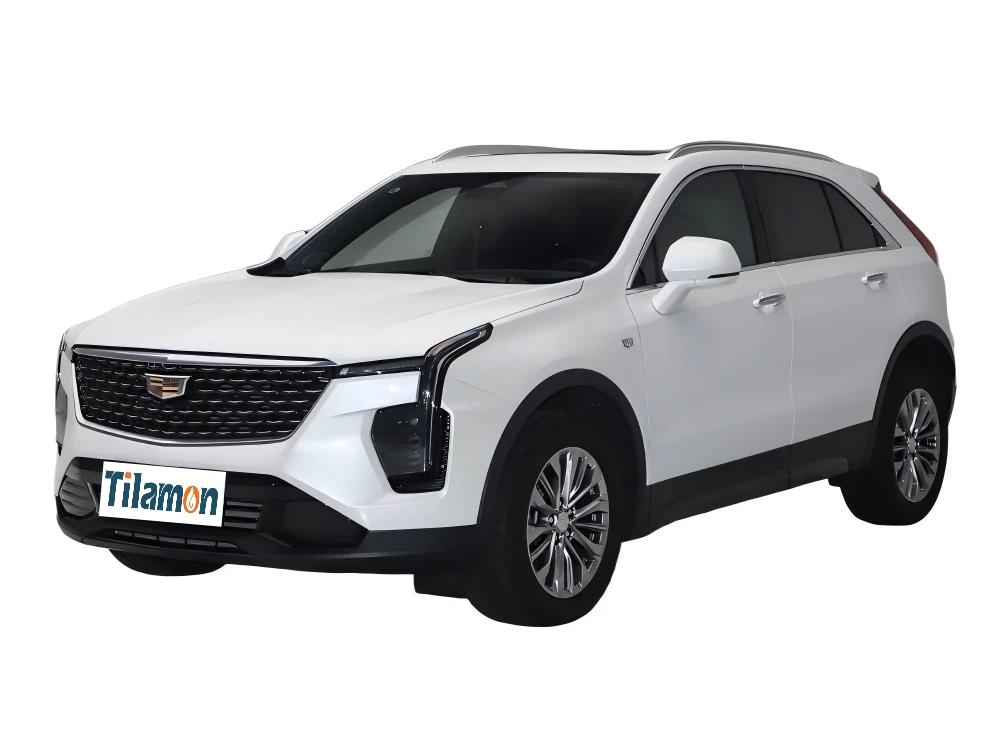
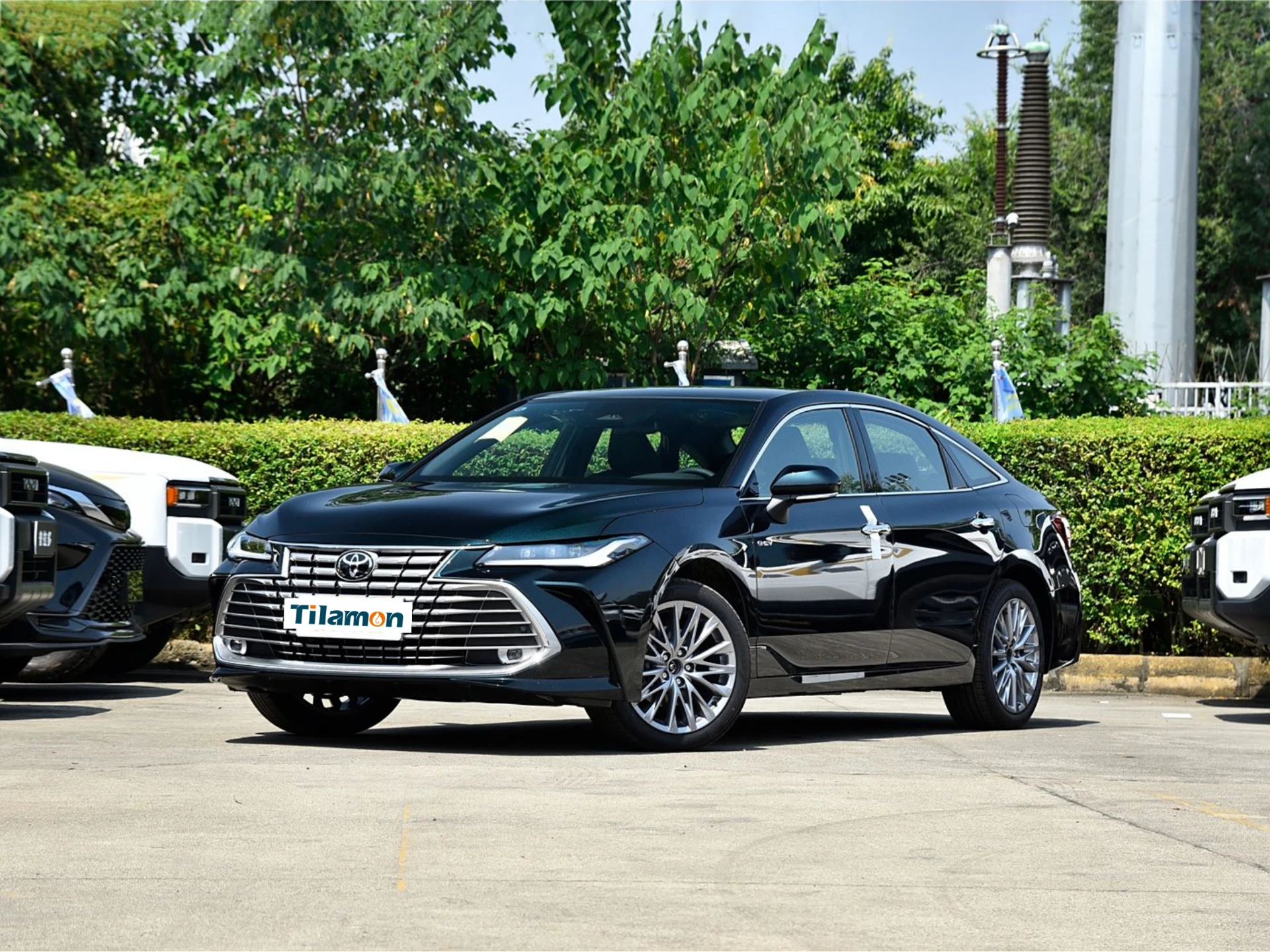
From luxury electric sedans to affordable urban commuters and certified pre-owned options.

Brazil EV Market Frequently Asked Questions

Expert answers to the most common queries regarding electric mobility in Brazil.

What are the benefits of choosing a new chinese ev over traditional brands?

Chinese EVs often provide superior battery technology and integrated smart cabin features at a more competitive price point, making them ideal for the Brazilian urban market.

How can I verify the battery health of a secondhand vehicle?

We recommend using standardized SOH (State of Health) diagnostic tools and requesting a certified battery report from an authorized service center.

Are new energy vehicle models suitable for Brazil's rural roads?

Yes, modern EVs with reinforced suspension and high ground clearance are specifically designed to handle the varied terrains of rural Brazil.

What is the average charging time for a new energy ev in urban areas?

Using fast DC chargers, most vehicles can reach 80% capacity in 30-60 minutes, while home AC charging typically takes 6-12 hours.

Is it cheaper to maintain 2 nd hand cars that are electric?

Generally, yes. Electric vehicles have fewer moving parts than internal combustion engines, significantly reducing the cost of routine maintenance and oil changes.

What government incentives exist for electric vehicles in Brazil?

Various cities offer exemptions from circulation restrictions (rodízio) and reductions in IPVA (motor vehicle tax) for zero-emission vehicles.

Get in Touch with Our Brazil Experts

Ready to transform your fleet or find your perfect electric ride in Brazil? Our team is here to guide you through the sustainable transition.

Contact Us Now

If you are interested in our products, you can choose to leave your information here, and we will be in touch with you shortly.