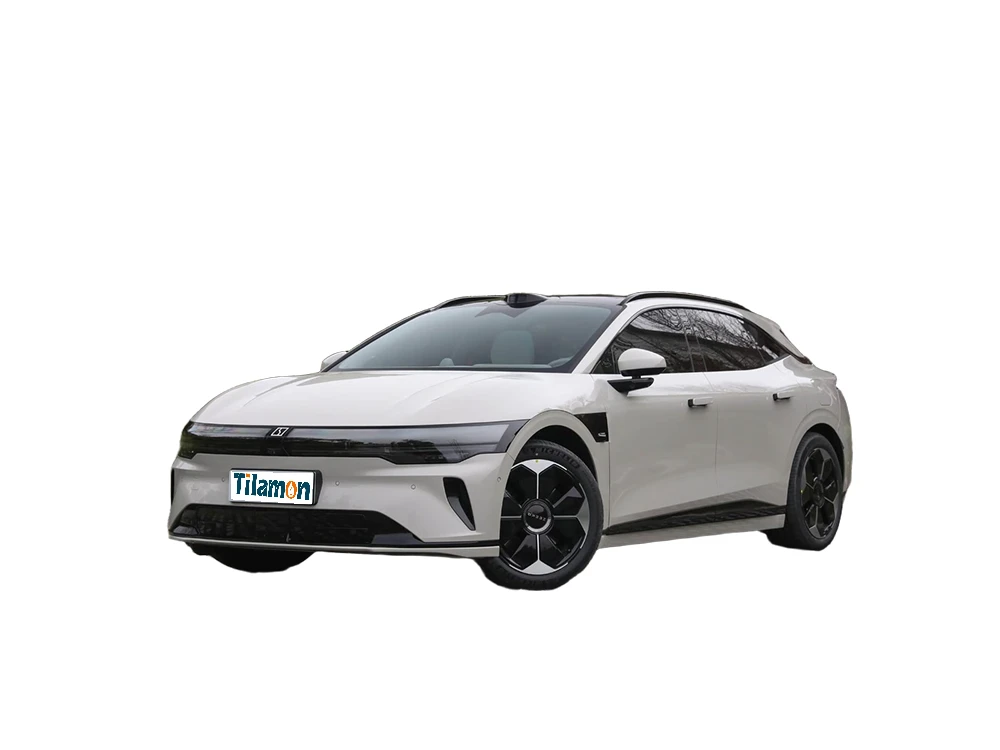
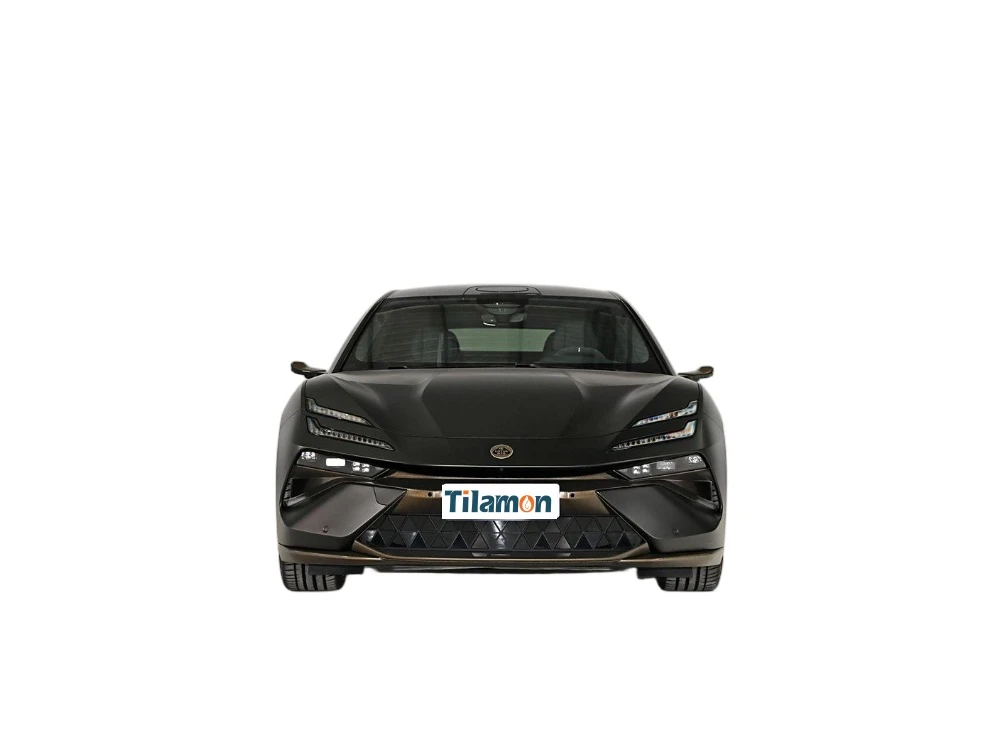
Advanced Mobility Solutions for North Korea: The new energy vehicle Initiative

Driving the future of transportation in North Korea with cutting-edge electric technology and sustainable automotive manufacturing excellence.

Advanced Mobility Solutions for North Korea: The new energy vehicle Initiative

Providing high-efficiency electric mobility and sustainable transport alternatives specifically engineered for the North Korean infrastructure and climatic conditions.

Automotive Landscape in North Korea

Analyzing the intersection of energy constraints and the demand for modern mobility.

The automotive sector in North Korea is currently undergoing a strategic transition. Due to limited fossil fuel availability and a push for energy independence, there is a growing structural interest in the new chinese ev market, which offers scalable solutions for urban transport in Pyongyang and other major hubs.

Geographically, the region faces extreme temperature fluctuations, which pose significant challenges to battery longevity. This has led to a specialized demand for new energy ev models equipped with advanced thermal management systems to maintain operational efficiency during harsh winters.

Furthermore, the economic landscape has fostered a robust market for durable, cost-effective transport. This has increased the circulation of secondhand vehicle options, as the region seeks to maximize the lifecycle of automotive assets through rigorous maintenance and refurbishing.

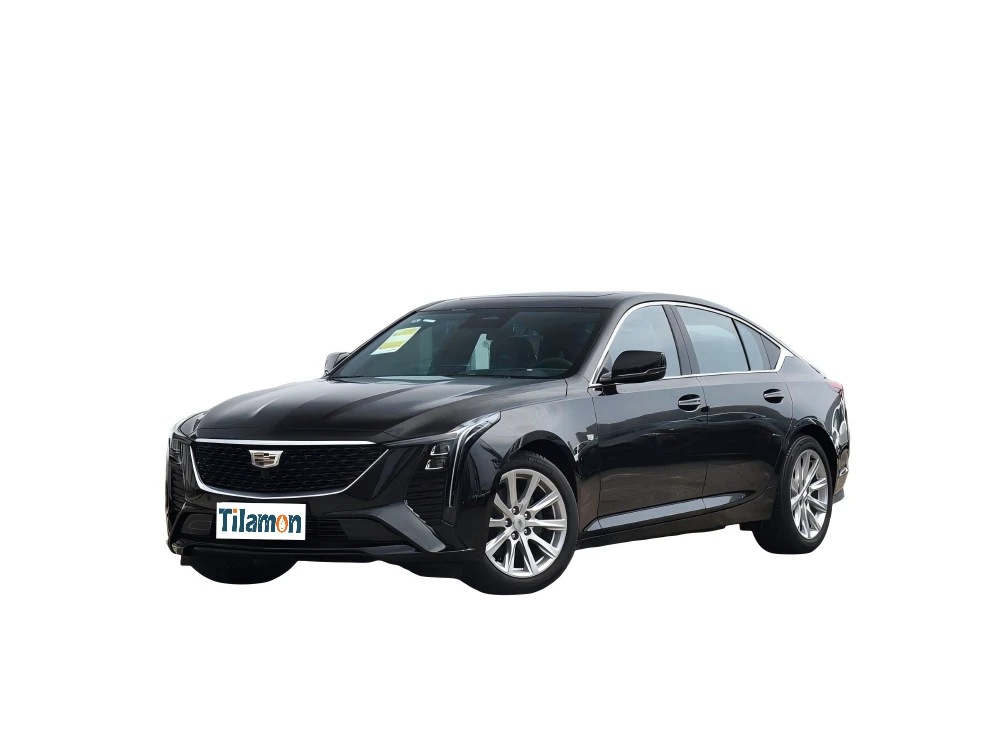
Evolution of Automotive Technology in North Korea

From traditional internal combustion engines to the era of electrification.

Market Development History

Historically, the North Korean market relied heavily on domestic combustion engines and legacy imports. Between 2000 and 2015, the focus was primarily on basic industrial utility, with 2 nd hand cars serving as the primary mode of private and commercial transit.

The shift began around 2016, as the government recognized the potential of electrification to reduce oil dependency. This period saw the introduction of early-stage electric prototypes and the initial exploration of battery-electric architectures for public transport.

By 2020, the integration of smart manufacturing and the influx of East Asian EV components accelerated the adoption of the new energy vehicle standard, transitioning from simple lead-acid batteries to high-density Lithium-Iron-Phosphate (LFP) cells.

Future Development Trends

Infrastructure Integration

The next phase involves the deployment of solar-integrated charging stations to support the growing number of electric fleets, reducing the load on the national grid.

Battery Recycling Ecosystems

Development of localized battery second-life programs will allow old EV batteries to be repurposed for residential energy storage.

Autonomous Urban Transit

Integration of basic Level 2 autonomy in public transit vehicles to optimize traffic flow in densely populated urban corridors.

Industry Trends & Future Outlook

Strategic projections for the North Korean automotive manufacturing sector.

Electrification Acceleration
Rapid transition from fuel-based engines to high-efficiency electric drivetrains across all government fleets.
Localized Assembly
Shifting from complete imports to SKD/CKD assembly kits to build domestic technical expertise.
Smart Grid Synergy
Implementation of V2G (Vehicle-to-Grid) technology to stabilize local power distributions.
Sustainable Lifecycle
Focus on modular vehicle design to simplify repair and extend the lifespan of electric components.

Industry Outlook

Based on regional search trends and industrial pivots, the North Korean market is expected to prioritize "energy-resilient" vehicles. We predict a 40% increase in the demand for LFP-battery vehicles over the next 3 years due to their stability and cost-effectiveness.

The long-term strategy involves the creation of a circular automotive economy where the manufacturing of new energy vehicle units is supported by a mature recycling network for rare earth minerals.

Localized Application Scenarios

Practical implementations of EV technology in North Korean environments.

01. Urban Commuter Optimization

Deploying compact electric cars for Pyongyang's administrative districts to reduce urban smog and decrease reliance on imported fuels.

02. Cold-Climate Logistics

Utilizing specialized EV vans with reinforced heating systems for transporting goods between regional provinces during winter peaks.

03. Agricultural Electrification

Adapting electric drivetrain technology for light-duty agricultural vehicles to assist in rural farming operations.

04. Government Fleet Modernization

Replacing legacy sedan fleets with modern, sustainable electric alternatives to showcase technological advancement.

05. Second-Life Energy Storage

Using decommissioned batteries from old EVs to power remote communication towers and rural clinics.

Brand Story

Global Development Journey of Shijiazhuang Zhenming Chemical Co., Ltd.

Foundational Excellence

Established with a commitment to high-purity chemical production, providing the essential materials needed for advanced industrial manufacturing.

Material Innovation

Pivoted towards the automotive sector by developing specialized polymers and electrolytes critical for battery efficiency.

Global Expansion

Expanded operations to support emerging markets in Asia, ensuring the supply of high-grade materials for EV assembly.

Strategic Partnerships

Collaborated with leading vehicle manufacturers to optimize the chemistry behind long-range energy storage.

Sustainable Future

Now focusing on green chemistry to ensure that the transition to electric mobility is ecologically sustainable from start to finish.

Complete Automotive Portfolio for North Korea

A comprehensive range of new and pre-owned electric and traditional vehicles.

Common Questions in North Korea

Expert answers regarding the transition to new energy vehicles.

How does the winter climate affect a new energy vehicle in North Korea?

Cold temperatures can reduce battery efficiency. We recommend vehicles with integrated battery heating systems and thermal insulation to maintain range during winter.

Are there specific advantages to choosing a new chinese ev over other brands?

Chinese EVs typically offer superior cost-to-performance ratios and are designed for scalability and rapid assembly, making them ideal for regional infrastructure.

What is the expected lifespan of a secondhand vehicle in this region?

With professional refurbishment and modular part replacement, a high-quality pre-owned vehicle can remain operational for another 5-10 years.

How can I find reliable 2 nd hand cars with verified battery health?

We provide comprehensive diagnostic reports for all our pre-owned stock, specifically focusing on SOH (State of Health) for EV batteries.

Is the charging infrastructure ready for a new energy ev fleet?

While infrastructure is growing, we provide integrated home-charging solutions and support the installation of localized charging hubs.

What maintenance is required for a new energy vehicle compared to petrol cars?

EVs have significantly fewer moving parts, eliminating the need for oil changes and reducing overall mechanical wear, though battery software updates are essential.

Get in Touch with Our Experts

Ready to modernize your fleet? Contact our specialized automotive consultants for customized solutions in North Korea.

Contact Us Now

If you are interested in our products, you can choose to leave your information here, and we will be in touch with you shortly.